



Miniature Book
These tiny volumes and companion cases bring centuries of craft into the palm of the hand.
Miniature Book
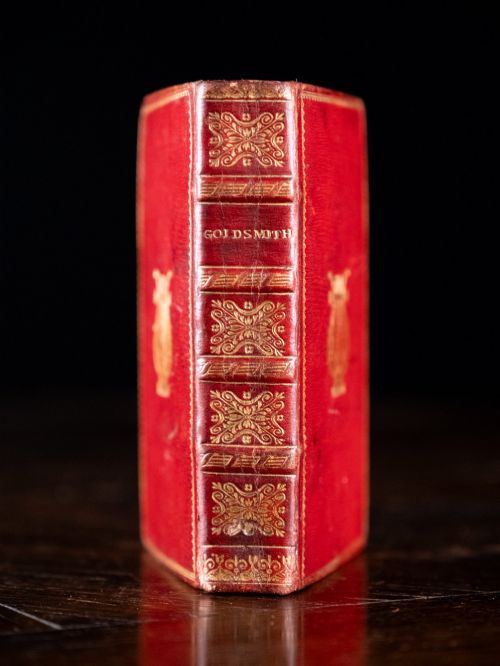
A miniature book gathers centuries of publishing, devotional practice and cabinet craftsmanship into small formats that sit easily on a tabletop or hang from a chatelaine. The pieces you encounter most often span the eighteenth and nineteenth centuries, taking the form of prayer books, Bibles, collections of poetry, and prose housed in leather bindings or silver covers.
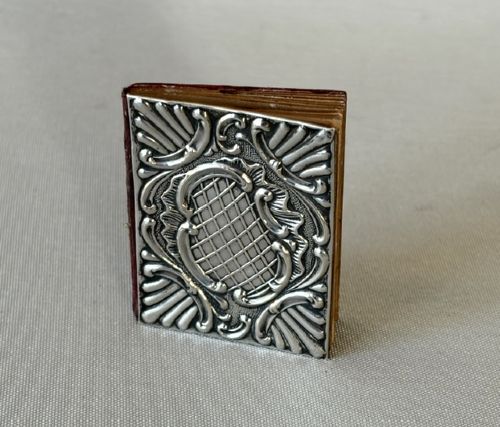
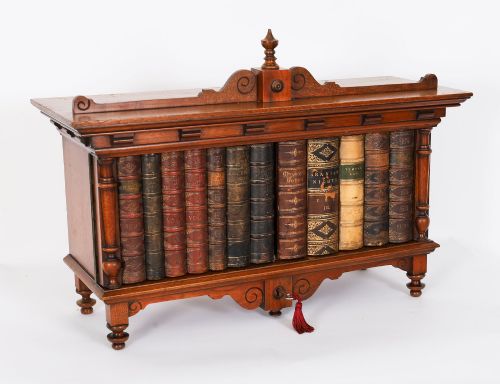
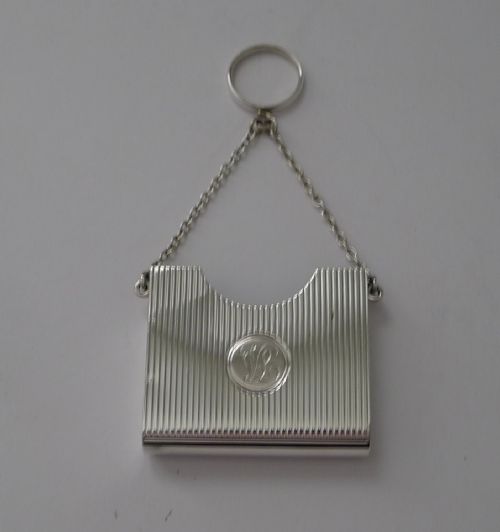
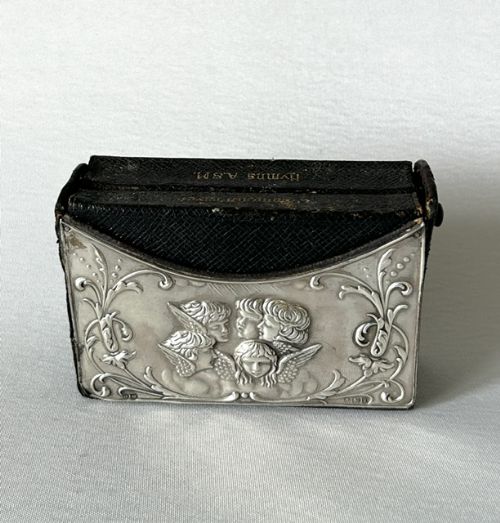
Beyond the bound volumes themselves, this category includes the miniature bookcases, cabinets, and silver holders designed to store and display them. Mahogany, walnut, and rosewood tabletop pieces emerge frequently alongside intricate silver prayer book cases stamped with hallmarks from Birmingham and London.
Materials and construction
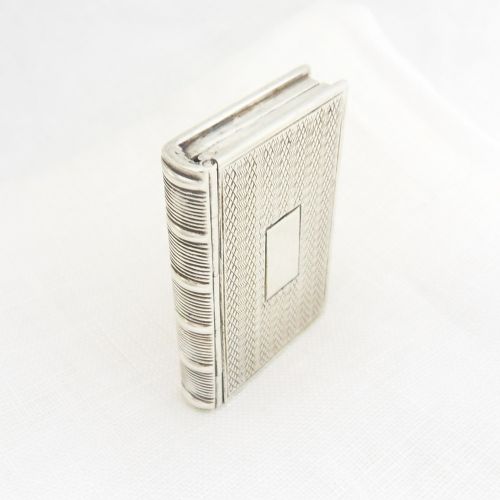
Binders utilised paper, board, and leather, frequently applying gold leaf to the edges and lettering to catch the light on tiny spines. Metalworkers shaped sterling silver and brass into protective covers, chatelaine accessories, and miniature book racks.
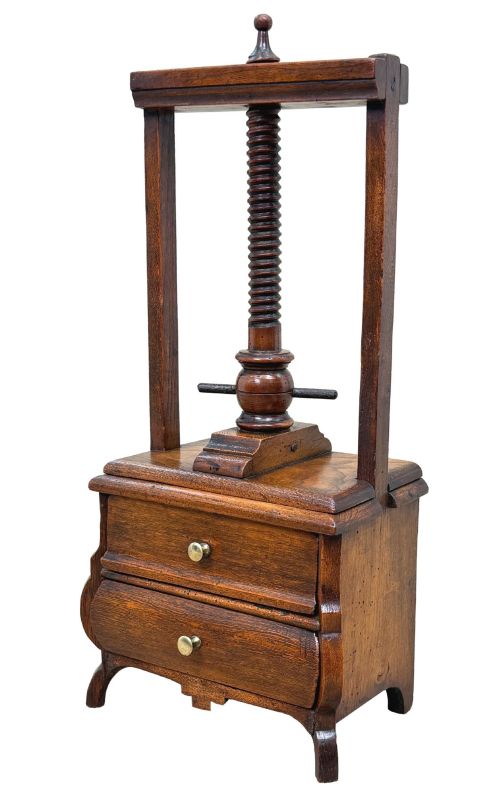
Woodworkers constructed tabletop cabinets, revolving bookcases, and bureaus in mahogany, oak, and walnut, often employing fine inlay to match full-sized furniture of the Georgian and Victorian periods.
Miniature Book Retail Price Guide 2026
Typical asking prices for miniature book among the pieces listed under this phrase on Sellingantiques today, from the lower quarter to the upper quarter. They describe what is for sale here now, not the wider market.
The archive records tabletop revolving bookcases, miniature bureau cabinets, and inlaid mahogany furniture designed specifically to house tiny volumes.
Assessing craftsmanship
The degree of legibility in the small printed text and the crispness of the tooling on leather bindings separate standard copies from finer examples. Silversmith work demonstrates quality through the clarity of hallmarks, the weight of the metal casing, and the precision of hinged clasps.
Cabinetwork quality rests on the tightness of miniature dovetails, the selection of figured wood veneers, and the smooth rotation of revolving shelves. Complete sets of Shakespeare or scriptural texts housed in dedicated wooden cases represent higher tiers of period production.
Sampson Mordan·Charles Penny Brown
The Miniature Book Glossary
- Thumb Bible
- An abbreviated edition of scriptural texts printed in a tiny format designed to be carried in the pocket. These small volumes date primarily from the eighteenth century and earlier.
- Chatelaine
- A decorative belt hook worn from the waist with suspended chains carrying small utilitarian items. In this context, chatelaines held miniature prayer books, notebooks, and scent flasks.
- Hallmark
- An official stamp applied to precious metals indicating the standard of purity, the assay office, and the year of manufacture. Birmingham and London marks appear frequently on silver book covers.
- Revolving bookcase
- A small tabletop furniture piece mounted on a central pivot allowing the user to spin the tiers. These emerged in mahogany and walnut to hold small collections of volumes.
- Bookslide
- An adjustable tabletop rack designed to hold a small row of books upright between two decorative ends. Walnut and mahogany versions often incorporate painted porcelain or metal mounts.
Miniature Book: Frequently Asked Questions
What are miniature books used for?
Historically, smaller formats served as portable devotional texts for private prayer during travel or daily life. Owners also collected them as novelties, educational curiosities, and displays of fine typography.
Today, collectors appreciate them as cabinet pieces that showcase the precision of historical printers, binders, and silversmiths.
How do I date a silver book cover?
English silver items carry hallmarks that identify the assay office, the maker's mark, and a date letter corresponding to the exact year of testing. Examining these stamped letters against assay records provides a reliable date of manufacture.
Stylistic cues such as repoussé angel motifs or geometric borders also help narrow down the period between the Victorian era and the early twentieth century.
Where were miniature Bibles printed?
Production occurred across Britain and continental Europe, with notable editions originating in Amsterdam and London during the seventeenth and eighteenth centuries. Printers such as those producing the Dutch Het Boek der Psalmen specialised in tiny, legible typography.
Publishers like Newbery in London also produced specialised juvenile and miniature religious texts for the contemporary market.
How should I display miniature bookcases?
Tabletop revolving bookcases and miniature bureaus require stable surfaces away from direct sunlight to protect leather bindings and paper from fading. Placing them on desks or within enclosed cabinets prevents dust accumulation on small shelves.
Maintaining stable indoor humidity levels keeps wood veneers and leather covers from drying out or cracking over time.