







Early 19th Century Book
An early 19th century book or associated piece of furniture brings the solid character of Regency and Victorian craftsmanship into a modern study.
Early 19th Century Book
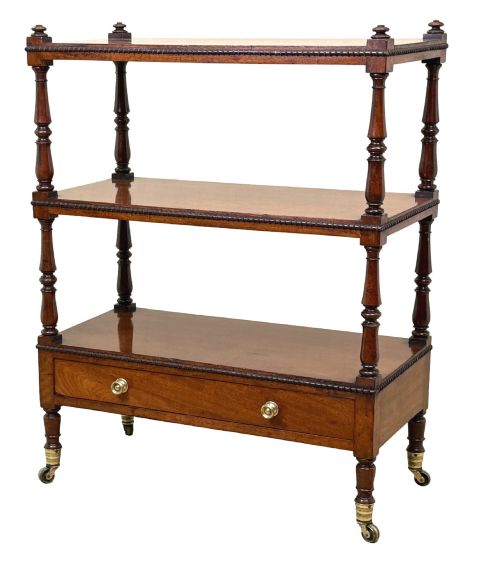
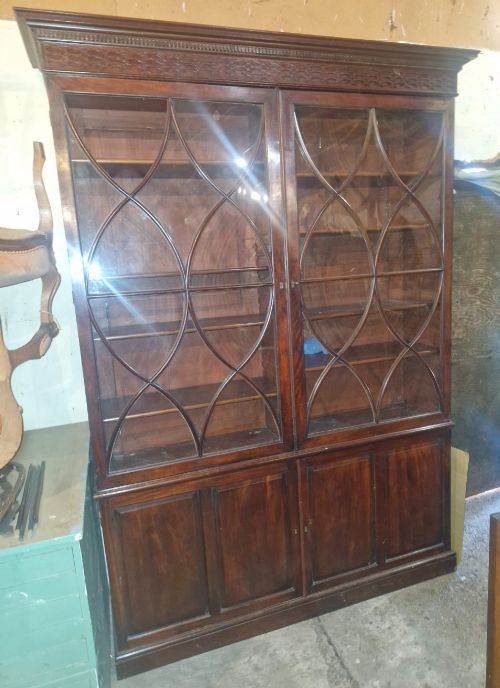
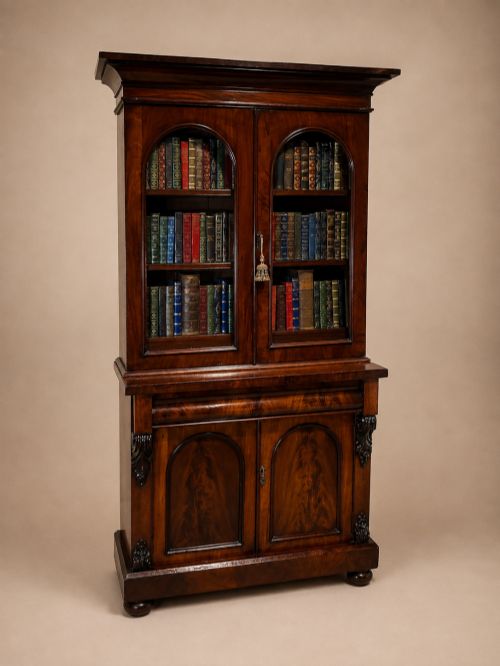
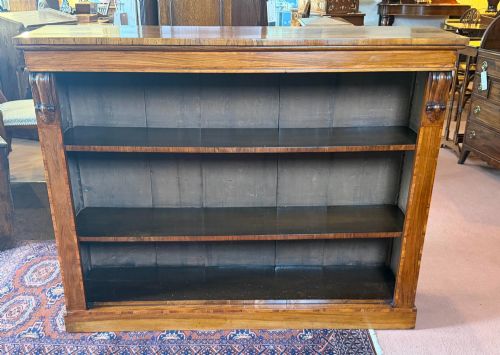
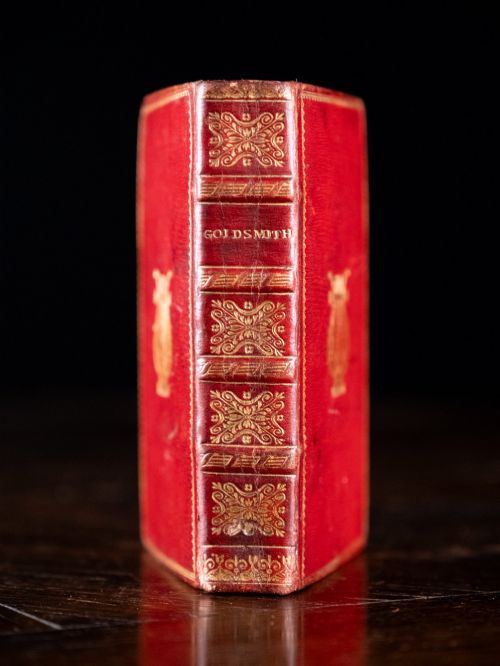
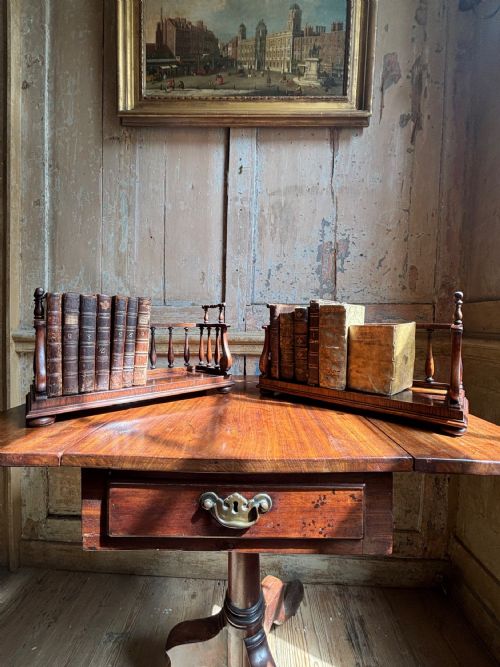
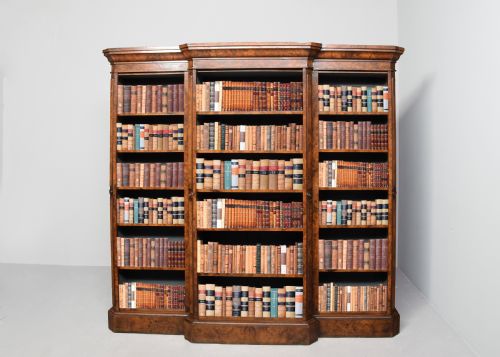
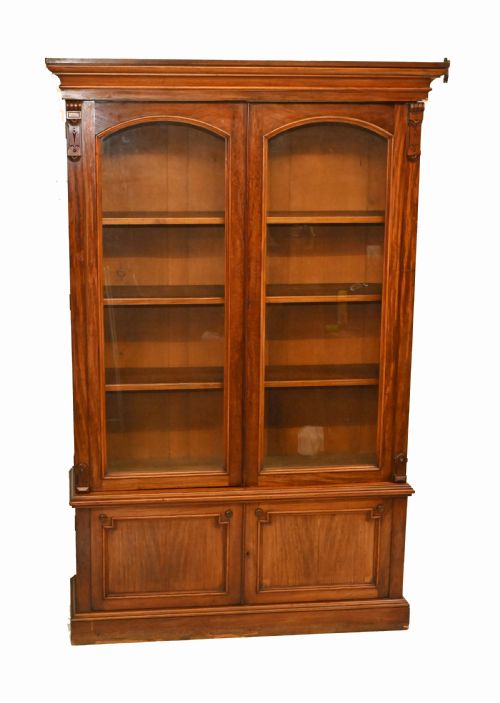
An early 19th century book selection spans bound volumes, miniature books, keepsake books with original watercolours, and design books alongside the furniture designed to house them. Buyers searching this phrase commonly encounter substantial mahogany bookcases, rosewood book stands, oak press chests, and multi-tiered whatnots.
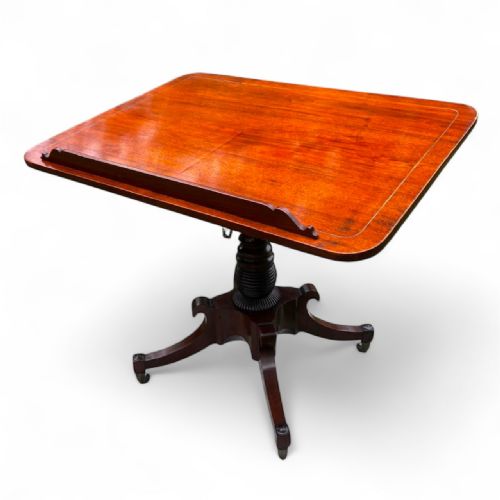
The material evidence bridges the late Georgian, Regency, William IV, and early Victorian periods. Pieces range from grand breakfront glazed cabinets and secretaire bookcases to compact reading tables, music tables with brass inlay, and waterfall shelving units.
The inventory includes functional library furnishings and reading accessories built to organise texts and manuscripts. These items reflect the domestic habits and scholarly pursuits of the period through practical storage solutions.
Materials and construction methods
Makers predominantly utilised solid mahogany, rosewood, oak, and walnut, often selecting figured veneers such as flame mahogany or burr walnut for primary display surfaces. Pine and other timbers appear in secondary framing and carcass construction.
Brass inlay, glass glazing panels, and gold leaf decorate finer cabinets and stands. Joinery methods include adjustable shelving systems, astragal glazing bars, and tailored compartments for reading and writing.
Early 19th Century Book Retail Price Guide 2026
Typical asking prices for early 19th century book among the pieces listed under this phrase on Sellingantiques today, from the lower quarter to the upper quarter. They describe what is for sale here now, not the wider market.
Certain early volumes preserve handwritten poems, verses, and delicate original watercolour paintings tucked between the leaves.
Distinctions in construction and material grade
The grading of these pieces rests on the choice of timber figure, the precision of cabinet joinery, and the integrity of original glass or brass elements. Breakfront proportions and flame mahogany surfaces distinguish higher-grade library furniture from simpler utilitarian shelving.
Refined details such as balanced proportions, original glazing bars, and intact internal fittings elevate specific bookcases and whatnots. Alterations to shelves or replaced hardware shift pieces away from their original specifications.
The Early 19th Century Book Glossary
- Secretaire
- A desk disguised as a drawer or cabinet cabinet with a drop-down writing flap. This format often integrates into larger library bookcases.
- Whatnot
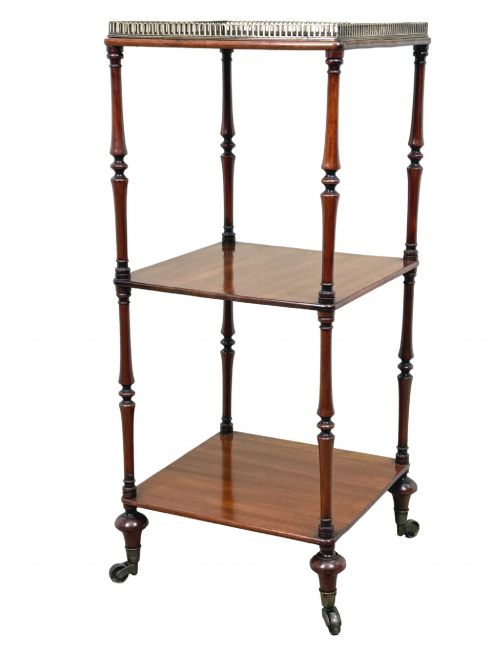
- A piece of freestanding open shelving with multiple tiers used for displaying books and ornaments. These units appear in mahogany, rosewood, and maple.
- Astragal
- A moulding profile used to divide glass panes in cabinet doors. These wooden bars create geometric patterns across the front of glazed bookcases.
- Breakfront
- A cabinet design where the central section projects forward from the flanking wings. This architectural arrangement creates depth and visual balance in large library furniture.
- Book press
- A mechanical device utilising a screw mechanism to flatten paper or bind volumes. These heavy oak or mahogany presses served domestic and institutional binderies.
Early 19th Century Book: Frequently Asked Questions
How do I identify a Regency bookcase?
Regency bookcases display classical architectural influences, often incorporating brass inlay, rosewood or mahogany timbers, and clean structural lines.
They date from the early decades of the nineteenth century and typically avoid the heavier carvings seen in later Victorian furniture.
Where were these bookcases used?
These pieces furnished home libraries, studies, and drawing rooms of grand houses and town residences. Large breakfront cabinets housed extensive family libraries, while small whatnots and book stands held current reading material.
Smaller reading tables and music tables served practical daily needs in private rooms.
Are shelves adjustable in these cabinets?
Many of the larger bookcases and open shelving units feature adjustable shelves supported on wooden ratchets or peg systems. This allowed owners to accommodate books of varying heights.
Simpler or smaller cabinets sometimes relied on fixed shelving.