


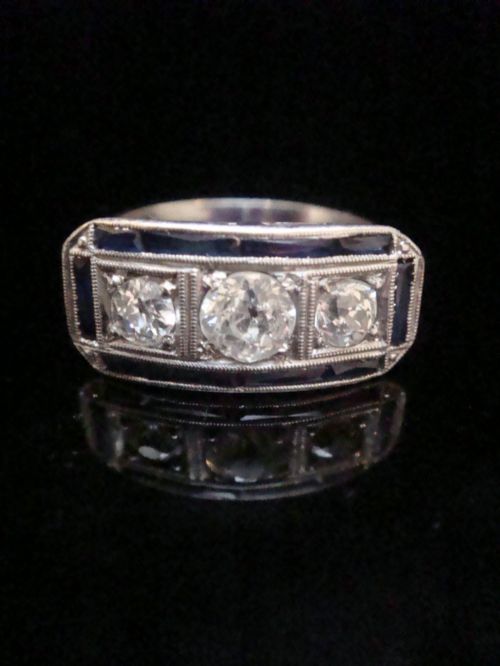


Millegrain Diamond Engagement Ring
A millegrain diamond engagement ring brings delicate, bead-edged metalwork together with the enduring fire of antique stones.
Millegrain Diamond Engagement Ring
A millegrain diamond engagement ring is defined by its characteristic textured border of tiny metal beads that frames the gems. These pieces draw from eras spanning the early twentieth century through to mid-century modern designs.
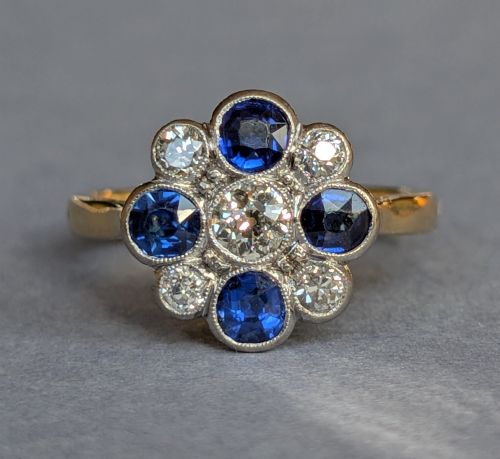
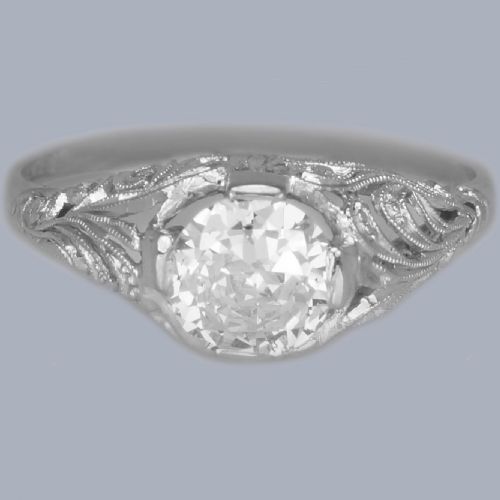
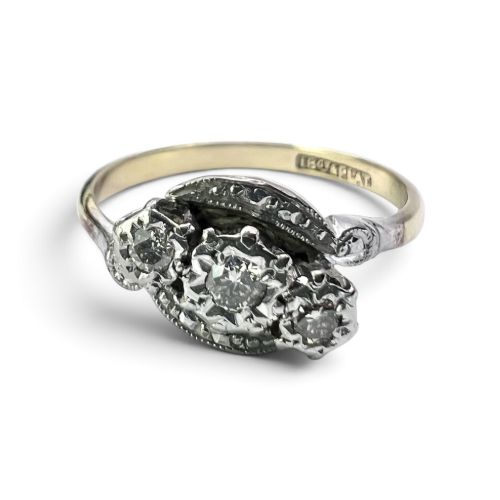
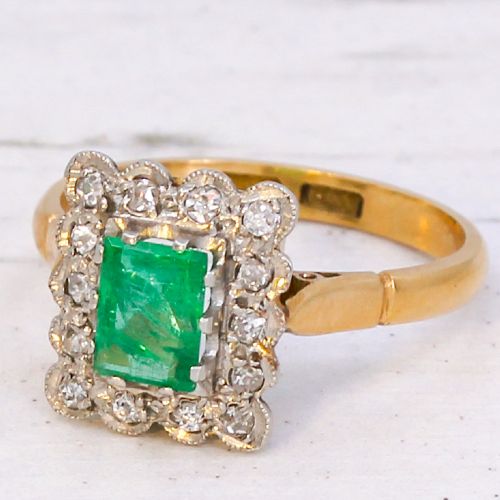
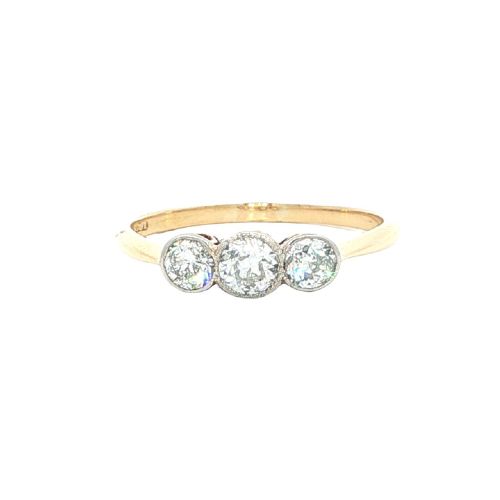
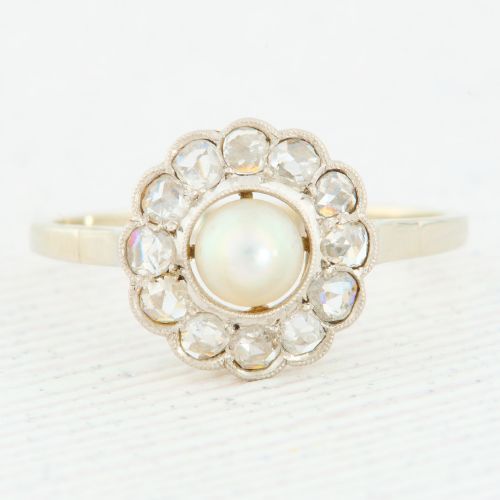
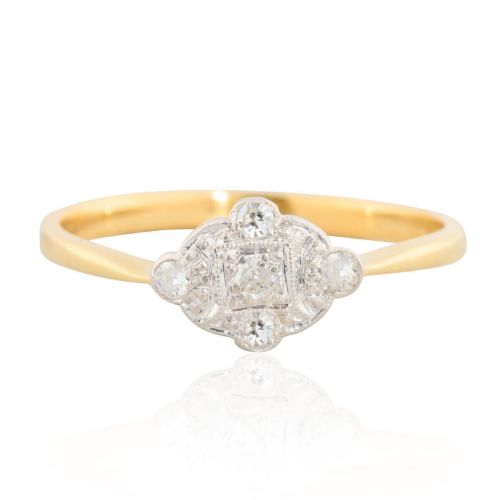
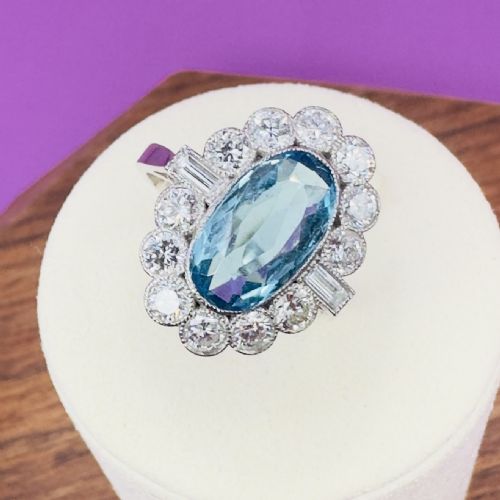
The selections visible here centre heavily on the geometric clarity of Art Deco designs and the softer, flowing lines of the Edwardian period. Alongside traditional solitaires, buyers frequently encounter cluster rings, trilogy settings and multi-stone dress rings.
Originating predominantly from the 1900s to the 1950s, these rings combine durable white and yellow precious metals with old cut diamonds, often accompanied by sapphires, emeralds or rubies.
How they were made
Goldsmiths constructed these mountings utilising platinum and various karats of gold, frequently combining platinum tops with yellow gold bands during the Edwardian and Art Deco decades. Platinum provided the structural strength needed to hold intricate openwork without adding bulk.
The distinct millegrain edge was applied by hand using a specialised knurling tool that rolled tiny raised beads along the perimeter of the metal bezel or claw setting. This technique softened the transition between the brilliant facets of the diamond and the surrounding metal.
Several rings manage to squeeze sapphire, diamond and gold into silhouettes small enough to fit a fairy's glove.
What varies in quality
The distinction between standard examples and the finest pieces rests upon the crispness of the hand-rolled beadwork and the integrity of the original mount. Superior execution shows uniform, evenly spaced beads that remain sharp and defined rather than worn down by time or polishing.
Stone selection and cutting style equally determine the character of each piece, particularly where old mine and old European cut diamonds display hand-faceted proportions that differ significantly from modern brilliant cuts.
The Millegrain Diamond Engagement Ring Glossary
- Millegrain
- A decorative technique involving a row of tiny, bead-like metal points along the edge of a setting. This French term translates literally to a thousand grains.
- Old Cut
- A diamond faceting style prevalent before the introduction of modern brilliant cuts in the mid-twentieth century. These stones typically feature higher crowns and smaller tables that catch candlelight effectively.
- Cluster Ring
- A ring style where a central stone is surrounded by a tight grouping of smaller gems. This arrangement maximises overall visual presence and sparkle.
- Trilogy Ring
- A three-stone ring configuration representing the past, present and future. The central diamond is flanked by two matching or slightly smaller side stones.
- Calibre Cut
- Gemstones shaped and cut precisely to fit tightly together in geometric patterns without visible metal partitions. This method is a hallmark of fine Art Deco jewellery.
Millegrain Diamond Engagement Ring: Frequently Asked Questions
Are these rings suitable for daily wear?
These antique and vintage pieces were built for everyday use, combining sturdy precious metals like platinum and 18ct gold with secure bezel or claw settings. Platinum mountings offer exceptional durability for active hands.
Routine checks by a jeweller ensure the tiny millegrain beads and stone claws remain secure over decades of regular use.
How do I identify an Edwardian setting?
Edwardian rings typically showcase light, airy platinum work shaped into garlands, ribbons and lace-like motifs. These designs emphasise high-carat yellow gold foundations topped with platinum to maximise the brilliance of old cut diamonds.
Natural pearls and vibrant sapphires frequently accompany the diamonds in these delicate, organic compositions.
What characterises Art Deco rings?
Art Deco pieces display strong geometric lines, symmetry and high-contrast colour combinations using calibre cut sapphires or emeralds. The metalwork leans heavily on platinum for its strength in supporting intricate openwork.
These rings often feature target clusters, straight baguette accents and bold central old cut diamonds.