


Vintage Cluster Shoulder Ring
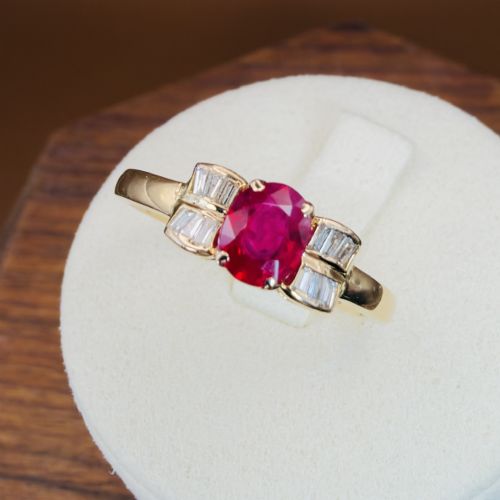
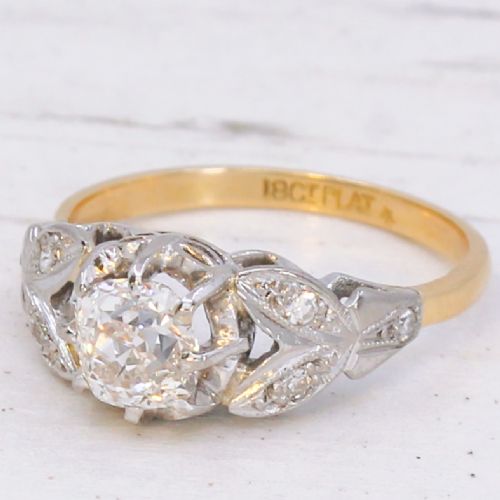
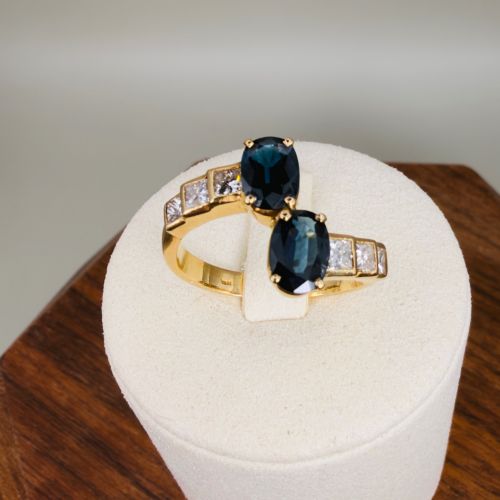
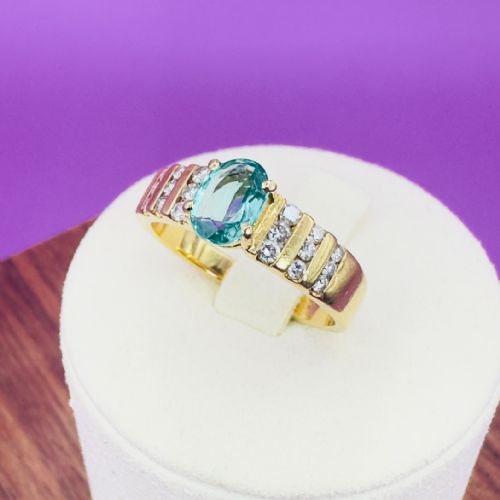
A vintage cluster shoulder ring sits low to the finger, framing a central stone with smaller gems that extend along the band.
Vintage Cluster Shoulder Ring
A vintage cluster shoulder ring centres on a principal gemstone, often sapphire, ruby, emerald, diamond, moonstone, aquamarine, tanzanite, amethyst, turquoise, opal or pearl, surrounded by smaller accent stones. These rings appear across periods including Victorian, 1900, 1920, 1930, 1940, 1950, 1960 and later than 1960.
The shoulder designation refers to the design extending outward along the band from the central cluster. Forms include oval cut, double oval cut, foliate sapphire and triple cluster rings, functioning as engagement rings or dress rings.
Buyers meet examples spanning Art Deco, Edwardian, Victorian, and Mid-Century styles. Materials range through platinum, 18ct gold, 18ct yellow gold, 18ct white gold, 18ct rose gold and 15ct gold.
How they were made
Goldsmiths utilised platinum and various purities of gold, notably 18ct gold, 18ct yellow gold, 18ct white gold, 18ct rose gold and 15ct gold, to mount stones securely. Metalwork often incorporates platinum settings combined with gold bands, particularly in pieces from the Art Deco era.
Gemstones such as diamonds, sapphires, rubies, emeralds, pearls, moonstones, aquamarine, tanzanite, amethyst and turquoise were cut into old cuts, oval cuts, baguette cuts and princess cuts. Master jewellers arranged these stones in tight clusters with extended shoulder details.
Materials recorded include diamond, platinum, sapphire, 18ct gold, 18ct yellow gold, ruby, emerald and pearl.
What varies in quality
Quality rests in the harmony of the central stone and its surrounding cluster, where proportion dictates visual impact. The selection of matching accent stones around a central ruby, sapphire or diamond shows the maker's discipline.
The integration of the shoulder design with the central cluster determines the architectural success of the piece. Superior examples maintain clean lines and precise stone setting across platinum and gold structures.
The Vintage Cluster Shoulder Ring Glossary
- Cluster ring
- A ring featuring a central gemstone surrounded by a group of smaller stones. This arrangement maximises surface brilliance and colour presence.
- Shoulder
- The upper portion of the ring band as it approaches the central setting. In these pieces, the shoulder often carries additional decorative stones.
- Platinum
- A dense, durable white metal used for secure stone settings. Its strength allows for fine wirework and delicate claw configurations.
- Baguette cut
- A step-cut gemstone shape, typically rectangular. It provides linear contrast to brilliant or oval stones within a cluster.
Vintage Cluster Shoulder Ring: Frequently Asked Questions
Which metals are used in these rings?
These pieces utilise platinum, 18ct gold, 18ct yellow gold, 18ct white gold, 18ct rose gold and 15ct gold. Platinum was frequently chosen for its strength in detailed settings.
Gold provides warmer tones, particularly in Victorian and mid-century examples.
How do I identify an Art Deco cluster ring?
Art Deco cluster rings display geometric layouts, often pairing platinum with old cut diamonds and calibré-cut sapphires or emeralds. The design emphasises clean lines and symmetrical arrangements.
Such pieces date predominantly from the 1920 and 1930 periods.
Can these rings be worn daily?
Many buyers wear these rings daily, provided the setting metal and stone hardness suit regular activity. Platinum and 18ct gold offer suitable durability for everyday wear.
Weaker stones like pearls or opals require greater care against impacts.