


Military Miniature Painting
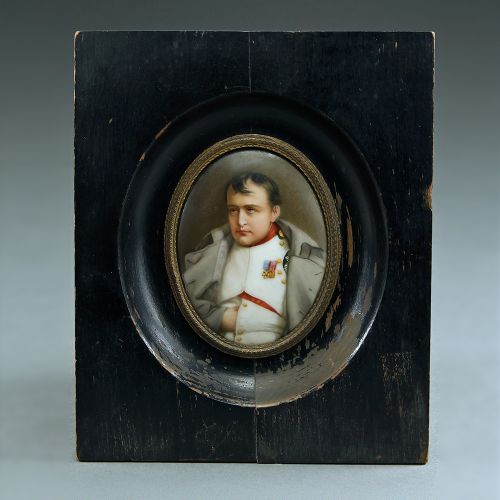
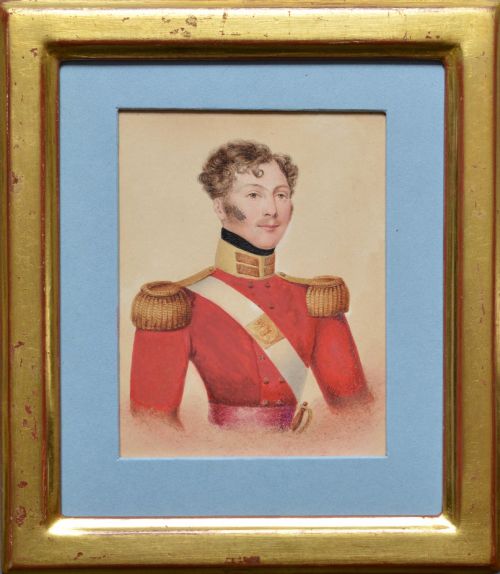
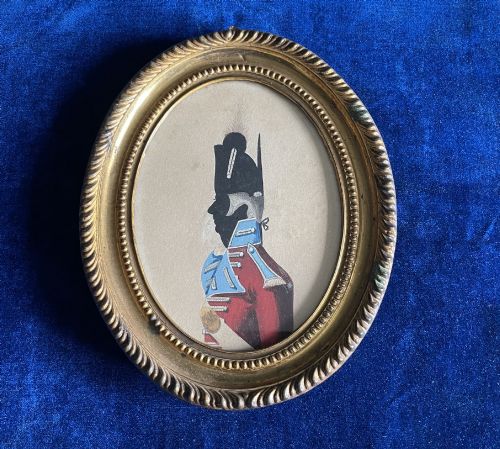
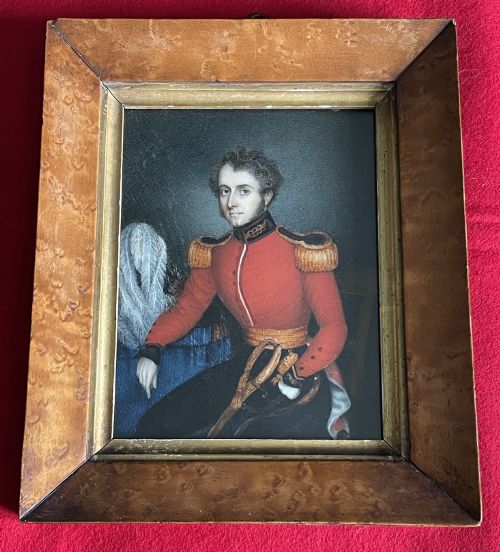
Military miniature painting captures the likenesses of officers and regiments in delicate watercolours, oils, and carved wood.
Military Miniature Painting
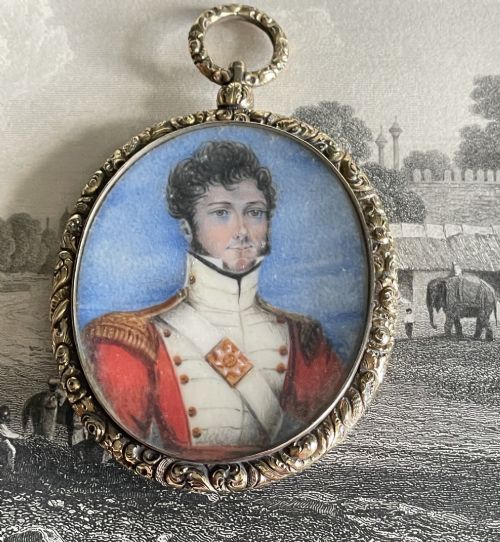
Military miniature painting encompasses delicate portraits and hand-painted models that record officers, generals, and soldiers from past centuries. When seeking a military miniature painting, buyers encounter framed watercolours, oils on agate, and carved wooden figures representing figures from the Georgian, Regency, and Victorian eras.
The selections span British School works, Anglo-Indian commissions, and Napoleonic subjects. These small-scale works document specific regiments, naval officers, and commanders like Sir William Barnard and Napoleon Bonaparte.
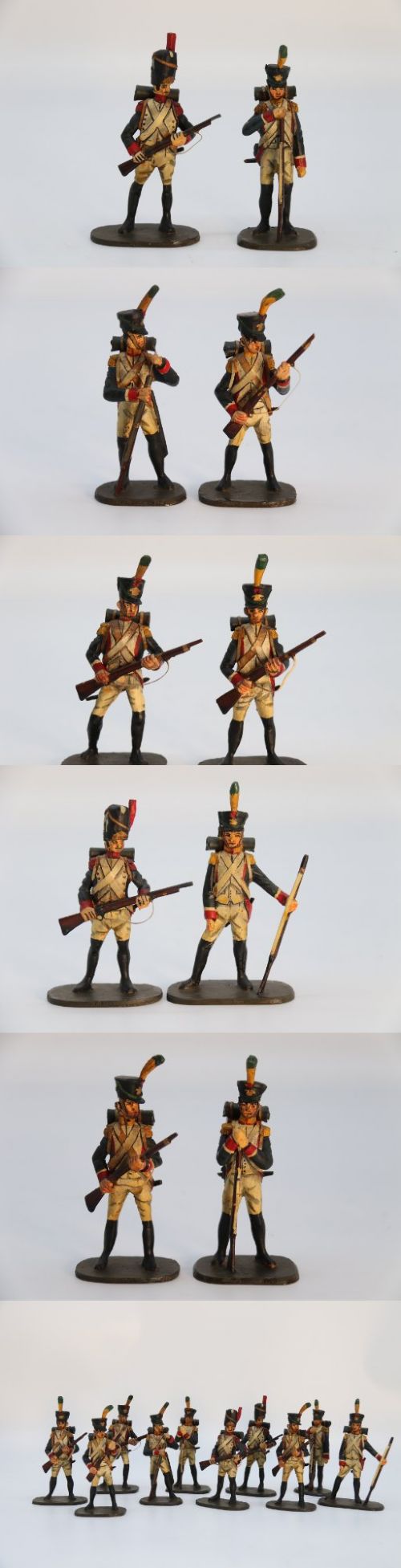
Portrait miniatures predominate, supplemented by painted metal models and wooden soldier figures. Pieces originate primarily from the eighteenth and nineteenth centuries, offering detailed studies of military dress and rank.
Materials and construction methods
Three-dimensional pieces utilise carved wood, brass, and tinplate, combining hand-carved elements with painted decoration to render regimental drums and soldier figures. Metal components and wooden models employ period manufacturing techniques suited to small-scale display.
Quality variations in the range
Execution and precision of brushwork distinguish finer portrait miniatures from standard works, particularly in the rendering of facial expressions and uniform insignia. The skill of named artists like Edward Pugh or Gerrit Schipper elevates a piece above anonymous works.
The surrounding frame contributes significantly to the object, with precious metals like eighteen-karat and nine-karat gold, alongside pearl settings, marking superior craftsmanship compared to plain wood or glass surrounds.
Edward Pugh·Gerrit Schipper·Sir William John Newton·Leslie Moore
The Military Miniature Painting Glossary
- Watercolour
- A paint consisting of a pigment suspended in a water-based solution, frequently applied to paper or ivory for portrait miniatures. It requires steady handling to achieve fine detail on a small scale.
- Agate panel
- A polished slice of chalcedony used as a rigid painting surface for oils, providing a smooth ground with natural variation. Such panels offer durability and a luminous background for detailed military portraits.
- Tinplate
- Thin sheet iron coated with tin to prevent rusting, utilised in the construction of miniature models and regimental drums. This material allowed for precise shaping and painted decoration.
- Giltwood
- Wood carved and treated with gold leaf or gold paint to create an ornate frame. It provides a traditional decorative border for framed miniature paintings.
- Napoleonic Era
- The period spanning the late eighteenth and early nineteenth centuries, defining the uniforms and military subjects of numerous painted figures and portraits in this category.
Military Miniature Painting: Frequently Asked Questions
What subjects appear in these paintings?
Portraits depict named officers, generals, and naval commanders from British and foreign regiments. Figures include specific historical commanders and dragoons.
Subjects also extend to hand-carved wooden soldiers and painted brass models representing historical military personnel.
How were these miniature portraits displayed?
Framed works were designed to be hung on walls or carried as personal mementoes. Many feature delicate gold frames set with glass and pearls for protection.
Three-dimensional wooden and metal models served as decorative cabinet pieces or instructional displays.
How do I identify the period?
Uniform styles, wig designs, and framing materials offer clear indications of the eighteenth or nineteenth-century origins. Napoleonic and Georgian dress styles correspond directly with the sitter's active service years.
Signatures, inscriptions on the reverse, and documented artist dates provide further chronological placement.
Are all pieces painted on paper?
Artists utilised a variety of surfaces beyond paper, including ivory and agate panels for portrait miniatures. Three-dimensional objects employ carved wood, brass, and tinplate.
Each material dictates the specific handling and preservation required for the object.