

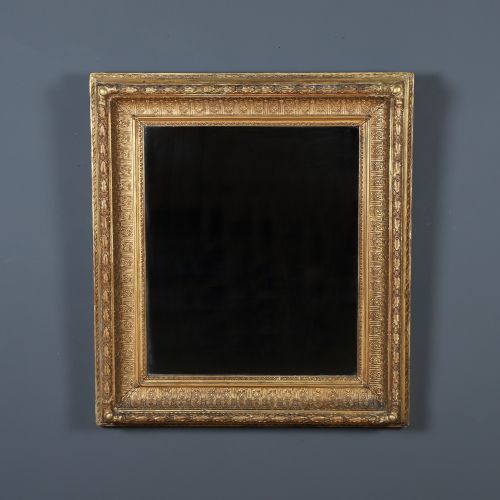


Mid Victorian Gilt Mirror
A mid victorian gilt mirror brings nineteenth-century presence to a room, offering reflective depth through carved giltwood and gesso.
Mid Victorian Gilt Mirror
A buyer searching for a mid victorian gilt mirror encounters nineteenth-century pieces spanning wall mirrors, overmantels, and dressing mirrors. These objects emerge from English and continental workshops, reflecting periods around eighteen-fifty to eighteen-seventy.
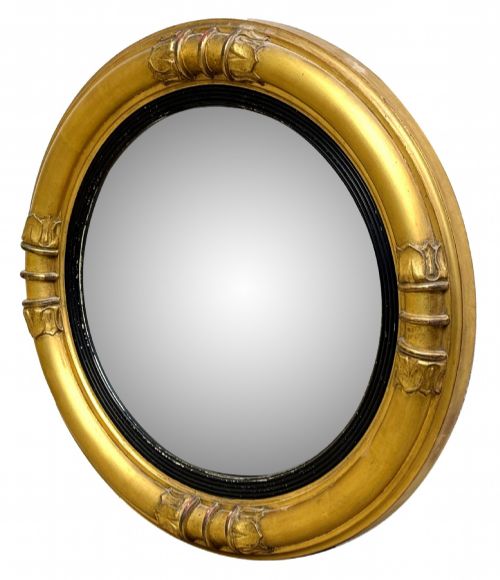
The overmantel mirror dominates the selection, designed specifically to hang above a fireplace opening. Alongside these large architectural pieces, circular convex mirrors and oval girandoles appear frequently in the evidence.
Stylistic influences range from George II style and Regency revivals to Italian rococo and baroque tastes. Most pieces on this page remain firmly within the Victorian era, utilising traditional timber and plaster constructions.
Materials and Techniques
Carved giltwood and moulded gesso form the primary structure of these mirrors, applied over timber frames. Artisans built up intricate ornament using composition and plaster applied to wood.
Gilding techniques involved the application of gold leaf over prepared grounds, sometimes paired with ebonised wood or burr-walnut and satinwood veneers for contrast. Ormolu mounts occasionally appear on associated cabinetry forms.
Mid Victorian Gilt Mirror Retail Price Guide 2026
Typical asking prices for mid victorian gilt mirror among the pieces listed under this phrase on Sellingantiques today, from the lower quarter to the upper quarter. They describe what is for sale here now, not the wider market.
Convex mirrors distort reality just enough to make every visitor look like they reside inside a curved nineteenth-century painting.
Judging Quality
Depth of carving and sharpness of detail separate standard production from superior work. Hand-carved wooden elements show crisp relief compared to softer moulded composition details.
The preservation of the original gilding and the clarity of the reflecting glass plate determine the visual impact of the piece. Segmented or cushion frames demonstrate greater complexity in glass-cutting and assembly.
The Mid Victorian Gilt Mirror Glossary
- Giltwood
- Timber that has been gilded with gold leaf. This material forms the primary aesthetic foundation of nineteenth-century decorative frames.
- Gesso
- A plaster-like mixture applied to wood frames to create a smooth surface for gilding. It accepts deep relief carving and moulding.
- Overmantel
- A large mirror designed to sit above a mantelpiece. These architectural pieces dominated nineteenth-century drawing rooms.
- Girandole
- A decorative wall mirror fitted with candle sconces attached to the frame. The reflective glass multiplies the candlelight.
- Convex mirror
- A round mirror with a bulging spherical glass surface. This form provides a wide-angle reflection of the entire room.
Mid Victorian Gilt Mirror: Frequently Asked Questions
Where should I hang an overmantel mirror?
An overmantel mirror traditionally sits directly above a fireplace mantel in a principal reception room. Its generous proportions reflect light across the space and balance the hearth below.
Ensure the wall fixings engage securely with structural studs or masonry to support the considerable weight of timber and glass.
How do I clean nineteenth-century gilt surfaces?
Dust giltwood and gesso surfaces gently with a soft dry brush, avoiding moisture or chemical cleaners that lift delicate gold leaf. Preservation requires gentle maintenance rather than aggressive polishing.
Glass plates tolerate standard glass cleaner applied sparingly to a cloth rather than sprayed directly toward the frame.
What is the difference between gesso and carved wood?
Carved wood involves shaping the timber frame directly with gouges and chisels before gilding. Gesso and composition rely on moulded plaster applied over a simpler wooden carcase to achieve ornate relief.
Close inspection reveals the crisp tool marks of woodcarving versus the uniform repetition of moulded plaster ornament.
Are these mirrors suitable for hallways?
Smaller wall mirrors and pier mirrors suit narrow hallways and entrance spaces effectively. They bounce natural light into dim corridors and provide a practical reflection point near doors.
Select a scale appropriate to the wall space between architectural openings or furniture.