


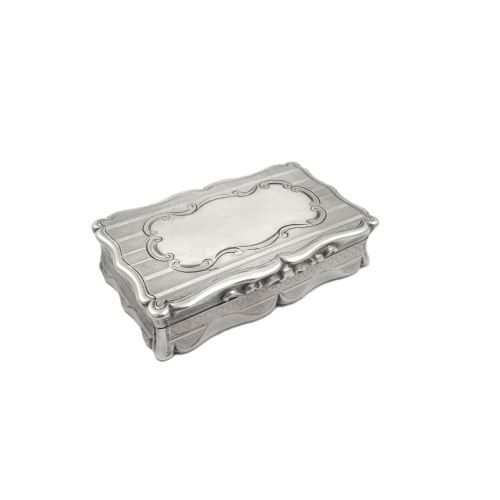

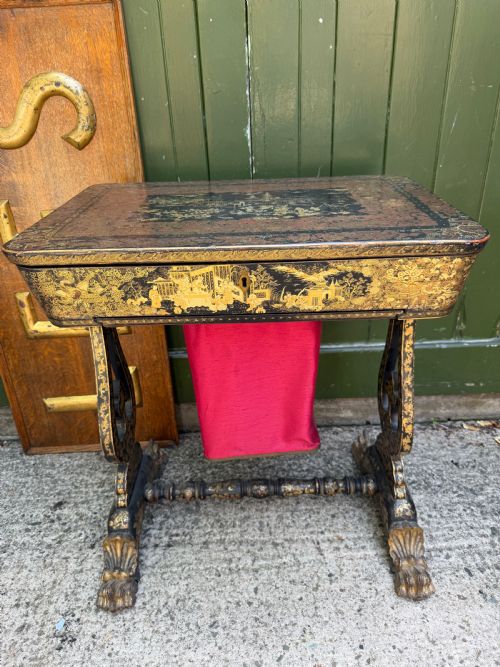
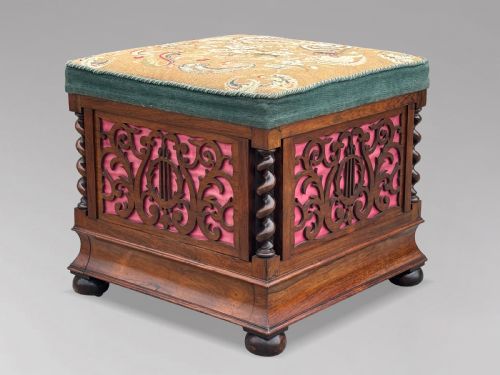
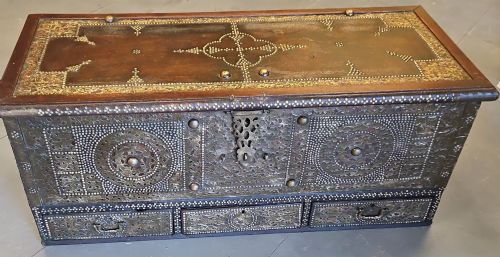


Mid Victorian Box
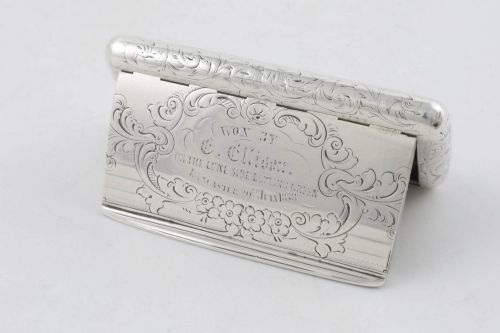
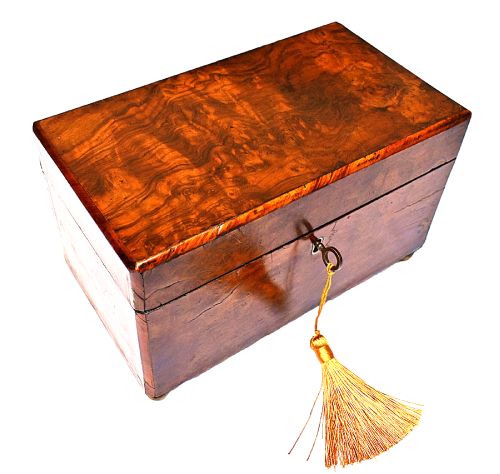
When you handle a mid victorian box, you touch a functional piece of nineteenth-century craftsmanship designed to organise letters, jewels, or writing materials.
Mid Victorian Box
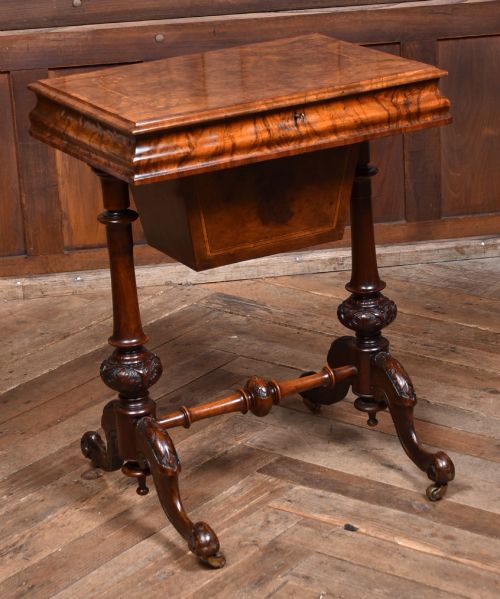
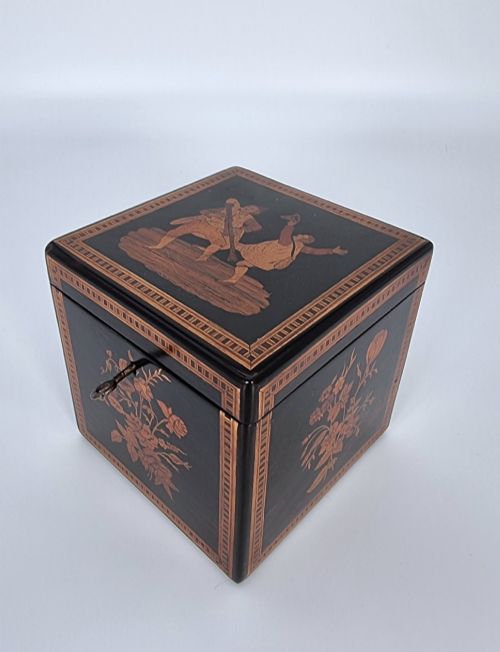
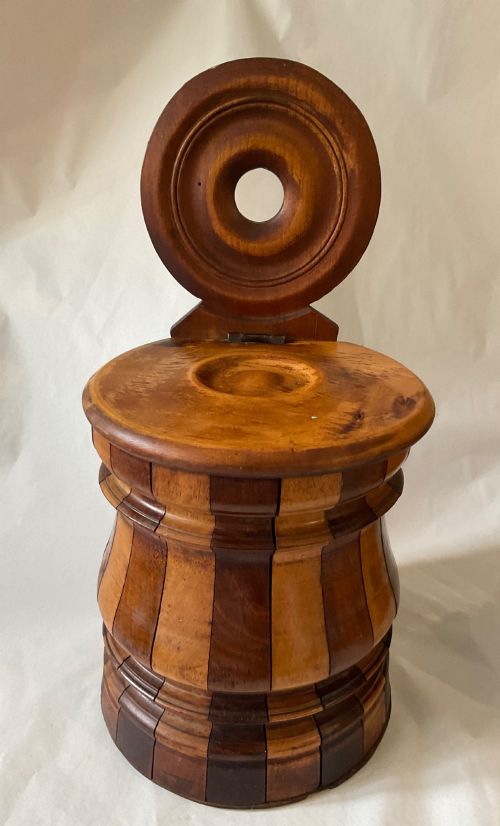
The materials selected by makers of this era range from dense exotic hardwoods like burr walnut, rosewood, and coromandel to utilitarian oak and mahogany. Many pieces incorporate brass banding, mother-of-pearl inlay, or painted panels to suit the formal aesthetic of nineteenth-century interiors.
Examples often display regional or stylistic influences, connecting British cabinet-making traditions with continental European revivals and colonial campaign designs. Buyers encounter everything from brass-bound campaign desks built for officers to delicate marquetry workboxes intended for the drawing room.
How they were made
Cabinet-makers relied on solid foundations of mahogany, oak, or pine veneered with highly figured timbers such as burr walnut, amboyna, and rosewood. These precious veneers were selected for their natural grain patterns and applied to carcass structures using animal glues.
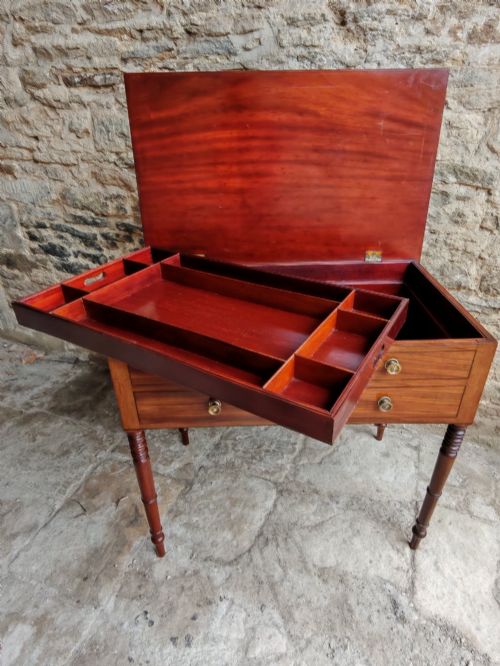
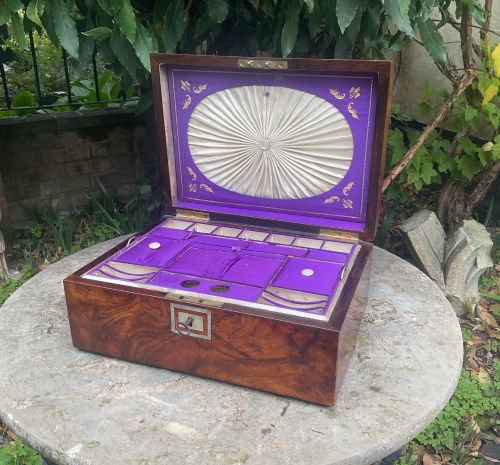
Metal fittings such as brass hinges, escutcheons, and campaign corners were cast and hand-fitted into recessed channels within the timber. Interiors frequently featured velvet, silk, or leather linings alongside fitted compartments for inkwells, nibs, or sewing implements.
Mid Victorian Box Retail Price Guide 2026
Typical asking prices for mid victorian box among the pieces listed under this phrase on Sellingantiques today, from the lower quarter to the upper quarter. They describe what is for sale here now, not the wider market.
Some nineteenth-century gentlemen kept miniature tortoiseshell boxes expressly for carrying fragrant peppermint pills.
What varies in quality
The choice of exterior veneer sets the baseline for visual distinction, with tightly figured burr walnut and exotic coromandel commanding greater attention than plain mahogany or oak. Grain matching across the lid and sides demonstrates the skill of the original artisan.
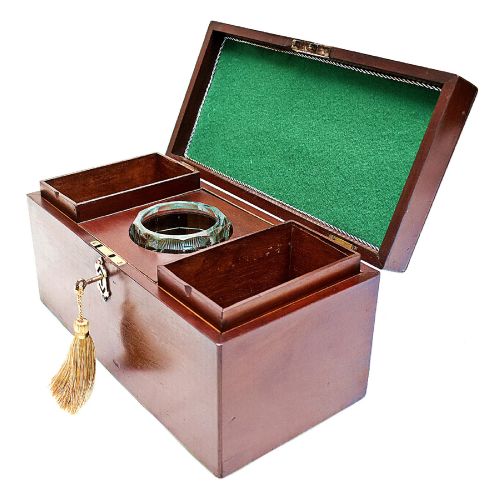
Interior organisation and the completeness of fitted components determine the utility of the surviving piece. Original velvet or leather linings, intact glass inkwells, and working brass locks with functional keys elevate the overall integrity of the object.
Jennens and Bettridge·Hawkes and Co·AW Faber
The Mid Victorian Box Glossary
- Writing slope
- A portable desk featuring an angled, hinged writing surface that typically folds flat to enclose compartments for paper and ink.
- Campaign
- Describing furniture or boxes constructed with recessed brass mounts and folding elements for military transport.
- Marquetry
- The art of applying decorative veneer pieces in wood, shell, or metal to form geometric or pictorial patterns on a carcass.
- Escutcheon
- A protective metal plate surrounding a keyhole, often cast in brass and shaped to complement the style of the box.
- Carcass
- The primary structural framework of a box or piece of furniture before the application of exterior veneers or hardware.
Mid Victorian Box: Frequently Asked Questions
What was a mid victorian box used for?
These containers served specific domestic and administrative functions in the nineteenth century, holding personal correspondence, jewellery, stationery, or sewing implements.
Many were designed for travel, such as brass-bound writing slopes used by officers or gentlemen on the move.
How do I identify a mid victorian box?
Look for characteristic nineteenth-century timber choices like rosewood, burr walnut, and coromandel combined with traditional brass hardware and dovetail joints.
Cabinet construction methods and the presence of period textiles or fitted interior trays help confirm the era of manufacture.
Are original keys usually included?
Original working keys are uncommon because locks were frequently secured and keys misplaced during decades of domestic use.
Many pieces retain their decorative brass escutcheons even if the original mechanism requires a replacement key to operate.
How should I care for a wooden box?
Keep wooden surfaces away from direct sunlight and sudden temperature shifts to prevent the dry veneers from lifting.
Apply occasional traditional wax polish with a soft cloth to nourish the historic timber and maintain the natural lustre.