



Mid Century Wood Chest
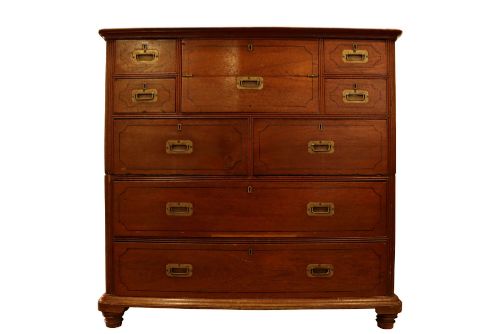
These pieces span centuries of timber craftsmanship, offering practical storage through a mid century wood chest or its period counterparts.
Mid Century Wood Chest
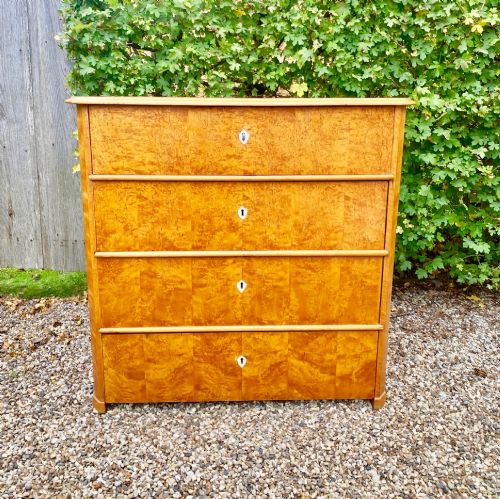
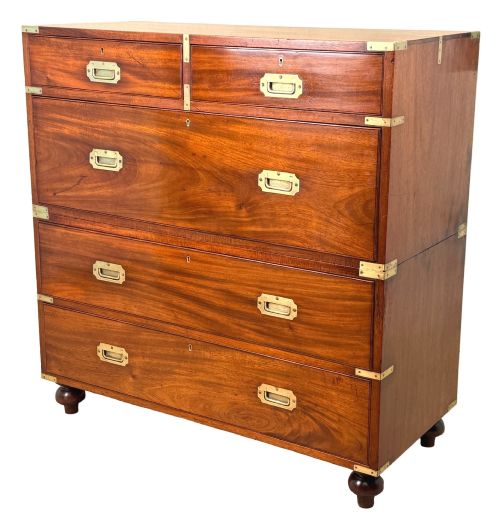
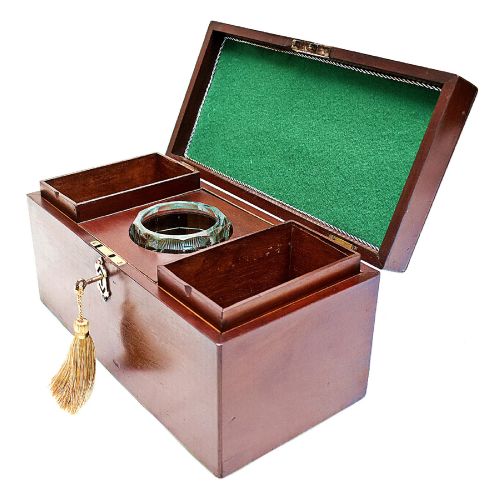
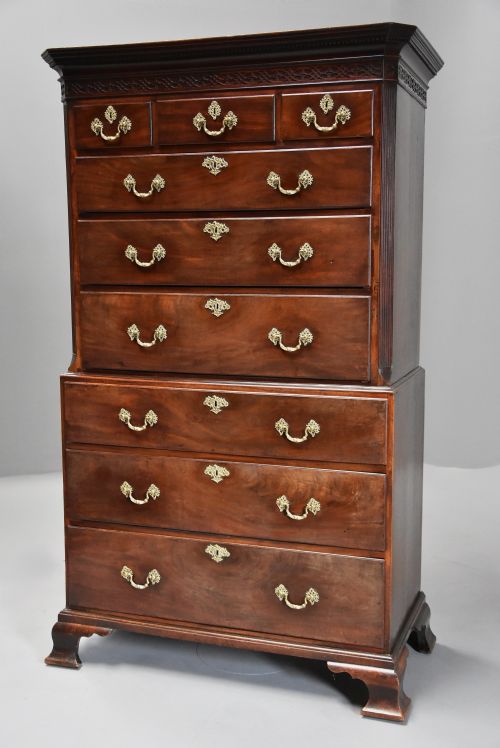
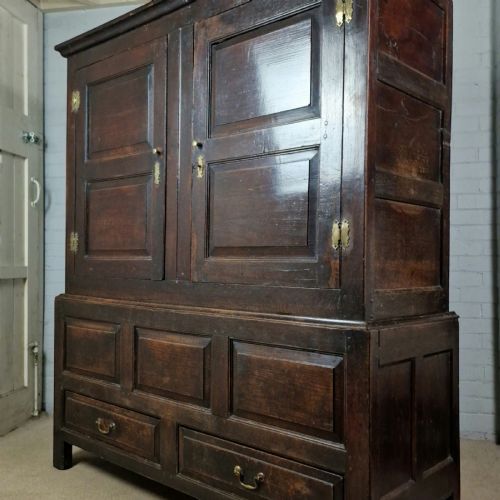
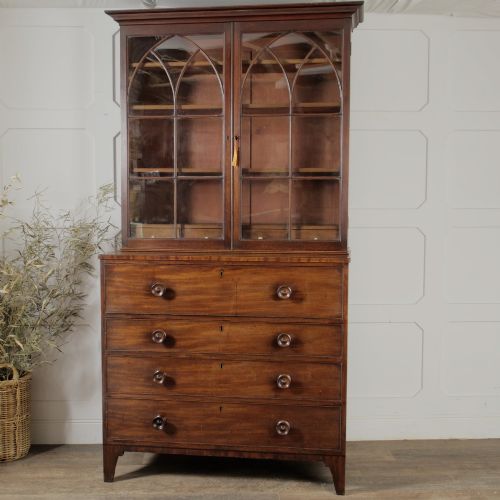
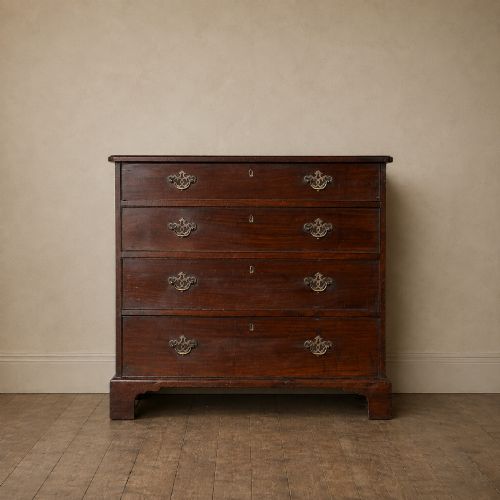
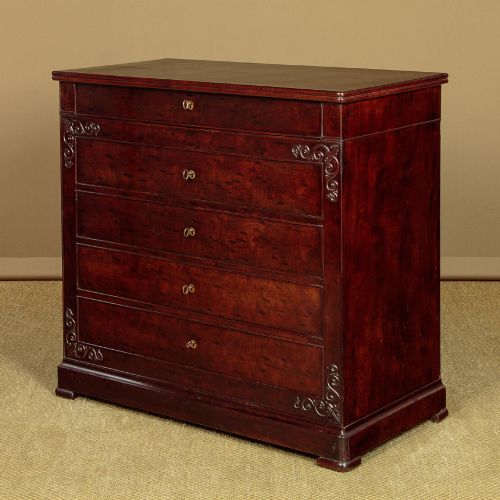
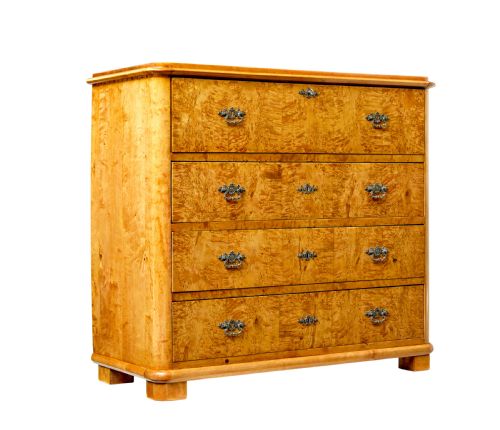
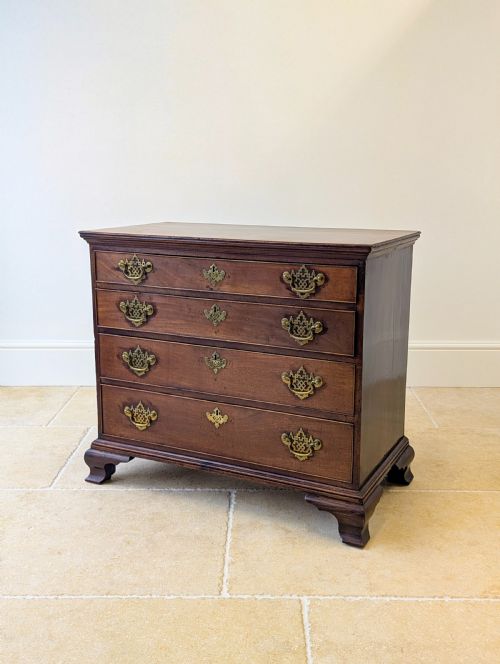
Buyers seeking a mid century wood chest encounter varied forms, from eighteenth-century mahogany chests of drawers and tallboys to nineteenth-century Swedish painted pine strong boxes. The selection includes Georgian walnut writing cabinets, Victorian tea caddies, and camphor wood trunks.
The material palette ranges from dense mahogany and padouk to native pine, birch, and olive-wood, reflecting diverse regional workshops across England, Sweden, Italy, and the colonies.
Most items serve domestic storage needs, encompassing miniature bow-front chests, secretaire bookcases, and practical commodes alongside decorative maritime strong boxes.
Materials and Technique
Cabinetmakers utilised solid timbers such as mahogany, walnut, and birch, often selecting burr veneers and fruit-woods for decorative surfaces on drawer fronts and lids.
Construction methods involved dovetail joints for drawer construction, brass studding for maritime chests, and hand-painted finishes applied over pine and strong box structures.
Mid Century Wood Chest Retail Price Guide 2026
Typical asking prices for mid century wood chest among the pieces listed under this phrase on Sellingantiques today, from the lower quarter to the upper quarter. They describe what is for sale here now, not the wider market.
One Swedish pine chest hides a labyrinth painted within its timber, offering a puzzle for whoever opens the lid.
Craftsmanship and Surface
Distinctions in quality rest upon the selection of timber figures, such as burr birch or red walnut, and the integrity of the original surface patina developed over time.
Refinement shows in timber selection, proportion, and the retention of original brass hardware, locks, and decorative hand-painted motifs.
The Mid Century Wood Chest Glossary
- Patina
- The surface sheen and colour acquired by timber through age, handling, and wax polishing. This quality indicates minimal intervention and authentic age.
- Chest on chest
- A tall storage unit comprising one chest stacked directly upon another, often called a tallboy. These pieces maximise vertical storage capacity while maintaining a compact footprint.
- Secretaire
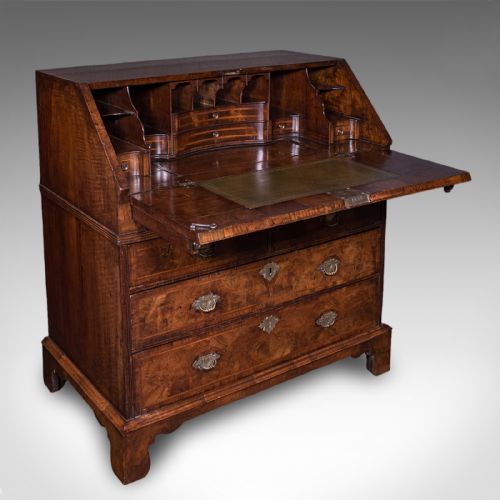
- A cabinet or chest incorporating a fitted writing drawer with a drop-front or fall-front desk surface. It combines workspace with traditional drawer storage.
- Padouk
- A heavy, durable tropical hardwood with a reddish hue used in fine cabinet making and decorative boxes. Eighteenth-century makers valued it for its rich colour and stability.
Mid Century Wood Chest: Frequently Asked Questions
How do I date a wooden chest?
Dating relies on timber choices, construction methods like hand-cut dovetails, and hardware styles. Examination of the drawer linings and backboards reveals regional manufacturing traits.
Comparing handles, locks, and foot designs against documented historical periods provides further chronological context.
Where were painted pine chests made?
Many painted pine chests and strong boxes originate from Scandinavian workshops, particularly in Sweden. Local artisans decorated these functional pieces with hand-painted motifs.
These items served domestic storage in rural households and reflect distinct regional folk art traditions.
What is a Zanzibar traders chest?
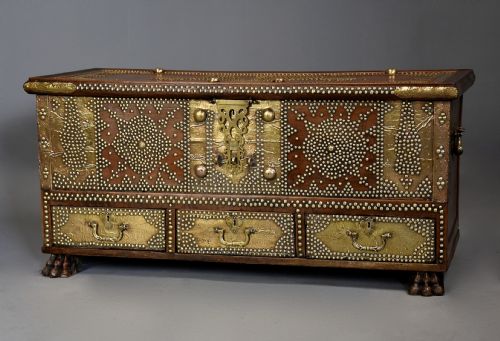
A Zanzibar traders chest is a heavily decorated storage trunk featuring brass studwork and strapwork. These pieces reflect maritime trade routes and colonial craftsmanship.
Traders and merchants utilised them to secure valuables during long sea voyages.
How should I care for antique timber?
Preserving antique wood involves maintaining stable room temperatures and avoiding direct sunlight. Regular application of traditional beeswax helps nourish the grain.
Using soft cloths for cleaning prevents surface scratching on polished mahogany and walnut surfaces.