






Mid Century Trunk
These mid century trunk examples combine practical storage with centuries of regional craftsmanship, offering sturdy timber and iron construction for everyday interiors.
Mid Century Trunk
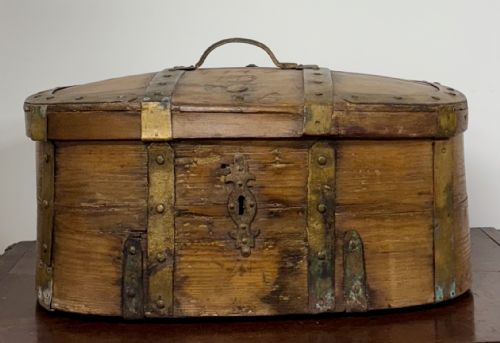
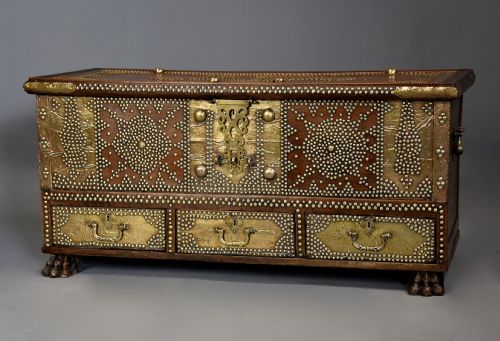
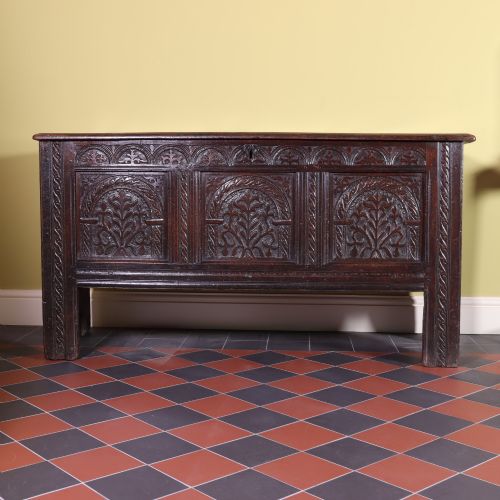
A mid century trunk search reveals a diverse collection of heavy storage pieces, ranging from sturdy Swedish pine strong boxes to intricately decorated Zanzibar traders chests. Buyers often encounter pieces spanning several centuries, despite the search term, with significant representation from the nineteenth century alongside earlier oak coffers and camphor wood chests.
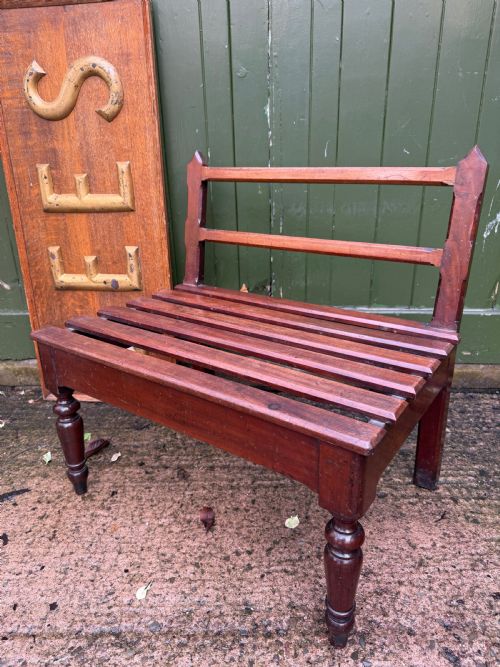
The objects take many forms, including dome top coffers, painted pine storage boxes, brass-bound cedar trunks, and carved mahogany luggage stands. Scandinavian folk art examples feature prominently alongside continental walnut and Oriental designs.
Most items serve a dual purpose as both functional storage containers and decorative focal points for a room. The selection balances utilitarian strong boxes with highly ornamented colonial and revival pieces.
Determining quality in storage pieces
The standard of a piece depends heavily on the integrity of its primary timber and the original state of any applied surface decoration, such as hand-painted folk art or lacquer. Trunks retaining their authentic metal hardware, locks, and structural bindings command greater appreciation.
Execution of decorative details, including brass studwork, intricate carving, and dovetail joinery, separates standard utilitarian strong boxes from high-status merchant chests and regional folk art pieces.
Mid Century Trunk Retail Price Guide 2026
Typical asking prices for mid century trunk among the pieces listed under this phrase on Sellingantiques today, from the lower quarter to the upper quarter. They describe what is for sale here now, not the wider market.
One eighteenth-century Swedish pine chest comes decorated with a mysterious labyrinth.
The Mid Century Trunk Glossary
- Coffer
- A heavy wooden chest traditionally used for storing valuables, linens, or documents. These pieces often feature solid panelled construction and hinged lids.
- Strong box
- A reinforced metal-bound or iron-strapped storage box designed for security. They frequently include heavy locks and durable wooden carcasses.
- Dome top
- A curved lid construction that allows water to run off efficiently and provides extra interior vertical space. This shape is common on Scandinavian and continental travel chests.
- Luggage stand
- A raised support frame designed to hold trunks or suitcases off the floor. Examples often feature deep proportions and raised rear upstands.
- Zanzibar chest
- An ornate merchant chest characterised by heavy brass stud decoration and specialised strapwork. These pieces reflect trade routes and diverse cultural influences.
Mid Century Trunk: Frequently Asked Questions
What were these trunks originally used for?
These pieces served multiple practical functions, from transporting personal belongings on long journeys to storing valuable household linens, silver, and documents in domestic settings. Traders utilised specialised strong boxes and chests to safeguard goods during transit.
Over time, many of these utilitarian containers transitioned into permanent furniture within country houses and merchant homes, acting as both security vaults and decorative tables.
How do I distinguish regional folk art styles?
Regional identification relies heavily on the specific paint colours, surface patterns, and timber choices typical of particular areas. Scandinavian pieces frequently display hand-painted folk motifs or distinct labyrinth designs on pine.
In contrast, Oriental and colonial examples often employ camphor wood, intricate surface carvings, or specific lacquer techniques that reflect their geographic origins.
How can I incorporate a heavy chest into a modern interior?
These substantial pieces function exceptionally well as coffee tables in living spaces, offering concealed storage for blankets and books while anchoring the room's design. Their sturdy construction allows them to endure daily use.
Placing a trunk at the foot of a bed provides practical bedroom storage for seasonal textiles while displaying the natural grain or painted folk art finish.
What is the difference between a coffer and a trunk?
A coffer traditionally refers to a heavy, rigid storage box built with panelled timber construction and often associated with domestic or ecclesiastical settings. Trunks typically incorporate materials and hardware intended for travel and transport.
In practice, historical overlap between the terms is common, and many listings use the designations interchangeably based on the object's form.