





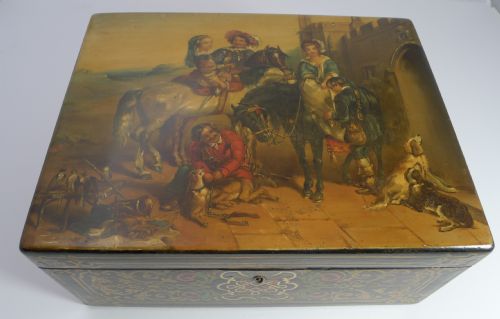
Mid Century Trinket Box
A mid century trinket box is a small, portable receptacle for keepsakes, offering a glimpse into mid-twentieth-century design and craftsmanship.
Mid Century Trinket Box
A mid century trinket box encompasses everything from streamlined Danish silver vessels to vibrant Italian enamel pieces produced around the middle of the twentieth century. These objects served functional roles on dressing tables and desks while reflecting the dominant aesthetic movements of their decades.
The selection ranges from minimalist Scandinavian works to more ornate European designs utilising traditional materials in modern forms. Buyers frequently encounter pieces that merge mid-century modern sensibilities with older decorative traditions, such as tortoiseshell or marquetry.
While the phrase points directly to the nineteen-fifties and sixties, the broader category includes related small containers from earlier periods that share a similar purpose. The primary focus remains on desktop and dressing table accessories designed to hold small valuables.
Materials and construction
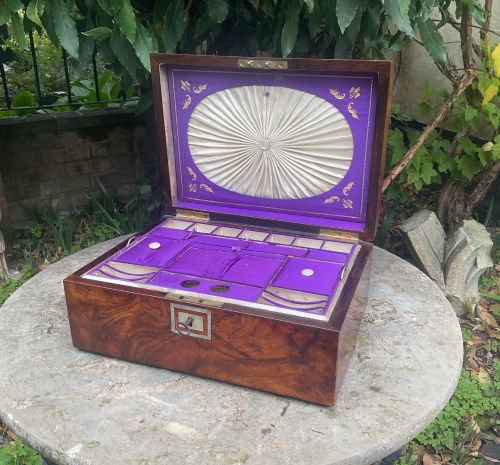
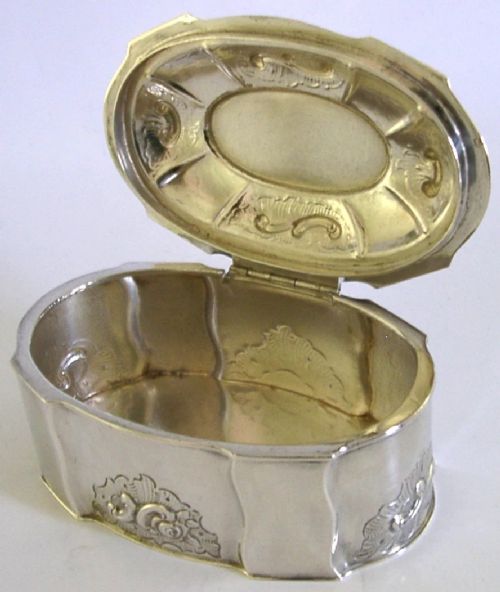
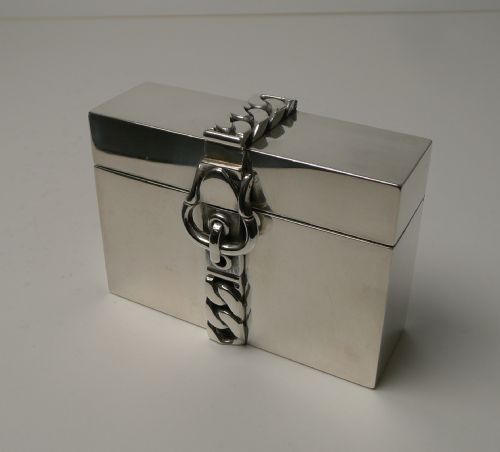
Metals form the backbone of these pieces, utilising solid sterling silver, 800 silver, and gilt brass alongside structural elements of wood and mahogany. Craftsmen frequently combined these with decorative finishes like black lacquer and vitreous enamel.
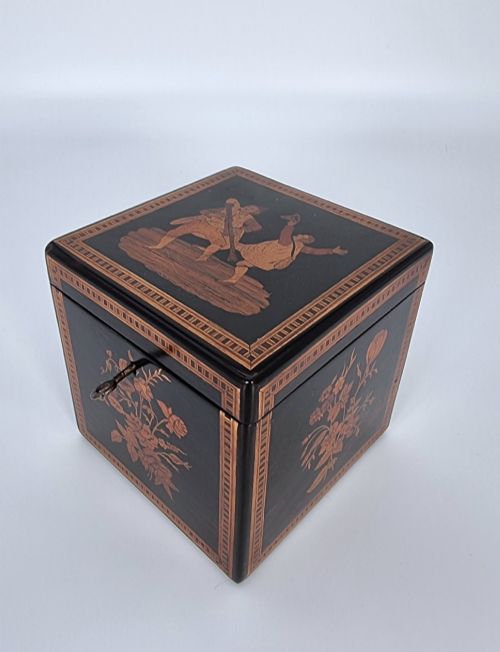
Surface ornamentation involved specialist techniques including hand-painting, silver inlay upon bronze, and the application of semi-precious stones such as lapis lazuli and agate cabochons. Woodworking traditions appear in marquetry surfaces and miniature furniture forms.
Construction methods range from heavy cast silver bodies to precision-joined wooden caddies and boxes lined with functional interiors. Each material requires distinct bench skills, whether hammering metal, firing enamel, or slicing delicate wood veneers.
Mid Century Trinket Box Retail Price Guide 2026
Typical asking prices for mid century trinket box among the pieces listed under this phrase on Sellingantiques today, from the lower quarter to the upper quarter. They describe what is for sale here now, not the wider market.
Geographic origins range widely across the selection, featuring workshops from Denmark, Italy, Germany, Spain, and England.
Factors that define quality
Quality rests upon the weight and purity of the metal used, alongside the precision of the joinery and hinges. Superior pieces display crisp casting marks and tight lid alignments that speak to skilled workshop production.
The artistry of the surface decoration separates standard containers from exceptional examples. Fine enamel work, complex marquetry patterns, and the careful selection of inset stones elevate a simple box into a work of decorative art.
Cartier London·Jennens and Bettridge·Gucci Italy·Hermes
The Mid Century Trinket Box Glossary
- Agate cabochon
- A polished, convex-cut stone without facets, often mounted onto nineteenth-century desk sets and boxes for colour and texture. These stones provide a smooth, tactile focal point on metal lids.
- Marquetry
- The art of applying thin veneers of wood to a structural surface to form decorative patterns. Sorrento examples showcase intricate geometric or pictorial scenes made from contrasting timbers.
- Sterling silver
- An alloy consisting of ninety-two point five percent silver by mass, with the remainder usually copper. This standard ensures durability while maintaining a bright, reflective finish on dressing table boxes.
- Vitrous enamel
- A material made by fusing powdered glass to a metallic substrate by firing at high temperatures. It creates a glossy, coloured surface resistant to wear and fading.
- Tortoiseshell
- The mottled shell of certain marine turtles, historically utilised for its warm, translucent brown and amber patterns. Skilled makers prized it for small luxury items like snuff and trinket boxes.
Mid Century Trinket Box: Frequently Asked Questions
What is a mid century trinket box?
A mid century trinket box is a small receptacle designed for storing jewellery, stamps, or keepsakes during the middle decades of the twentieth century. These items were manufactured in materials ranging from sterling silver to enamel and wood.
They sit easily on dressing tables, desks, or mantelpieces as both functional storage and decorative accents.
How were these boxes used originally?
Original owners used these containers to keep small valuable items safe and organised on dressing tables or writing desks. Some specific formats were tailored for playing cards, stamps, or snuff.
Over time, their primary role shifted from utilitarian desk accessories to decorative objects collected for their craftsmanship.
How do I care for silver and enamel boxes?
Silver components require occasional gentle cleaning with a soft cloth to manage natural tarnishing without stripping fine details. Enamel surfaces should be kept away from harsh chemicals and direct sunlight to preserve their colour.
Storing them in stable humidity conditions protects any internal wooden linings or delicate stone insets.
How can I tell the period of a box?
Dating relies on maker marks, hallmarks, stylistic cues, and the specific materials favoured in different decades. Mid-century modern pieces often feature clean lines and minimalist forms, whereas nineteenth-century examples lean towards revival styles.
Examining the hinges, interior linings, and construction techniques offers further clues to the manufacturing era.