

Mid Century Storage
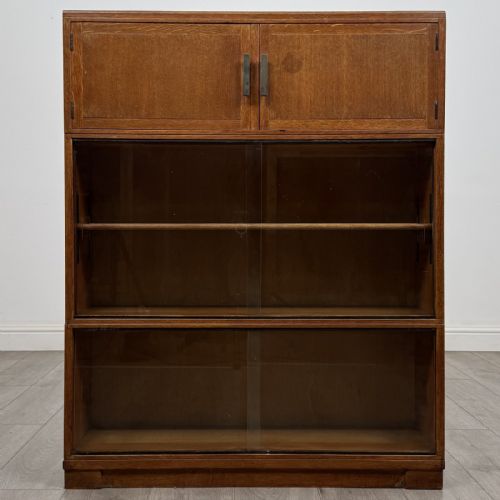
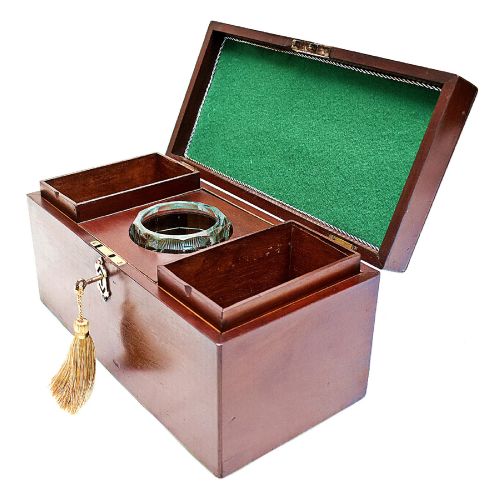
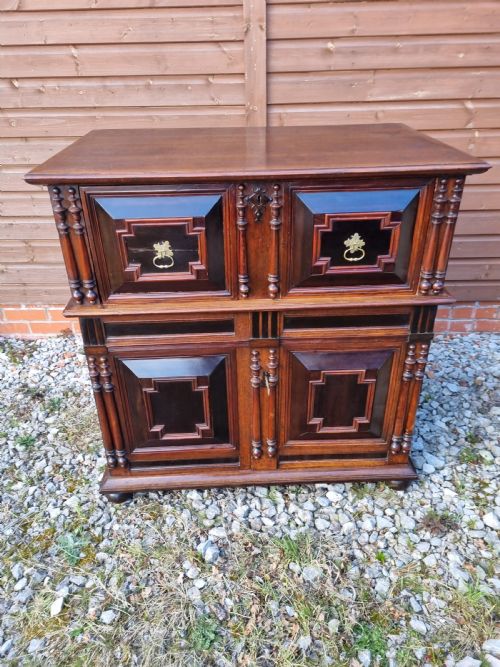
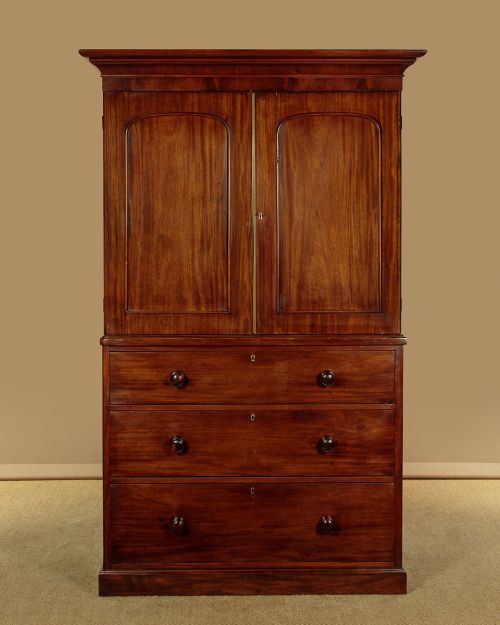
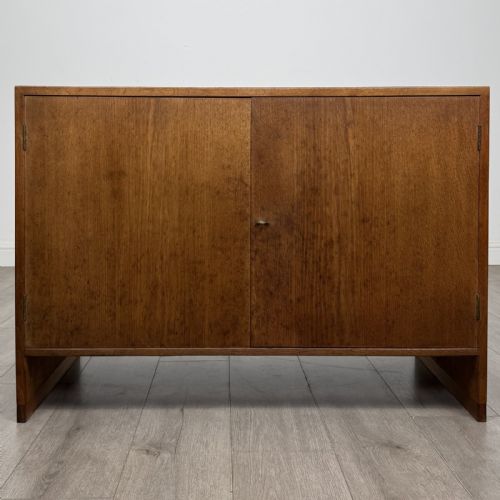
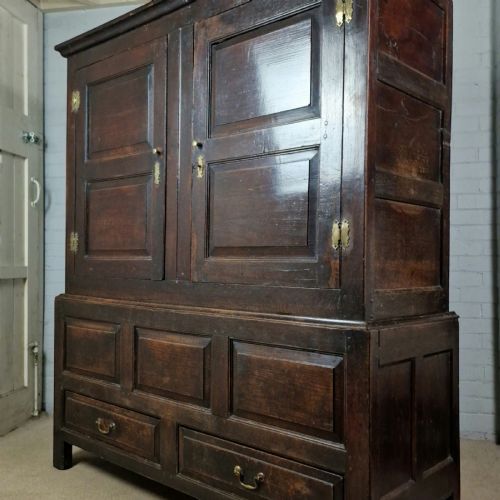
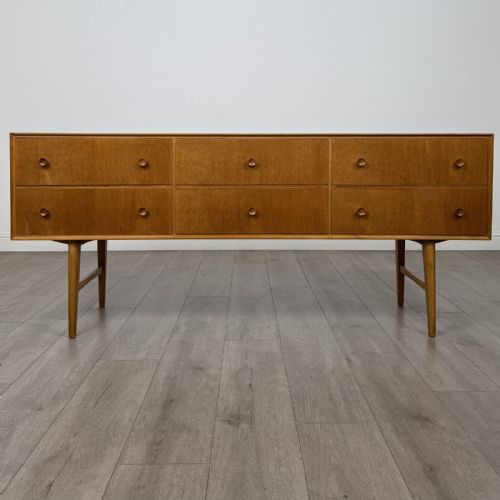
Mid century storage brings together oak cupboards, mahogany cabinets and industrial filing units designed to keep domestic spaces ordered with distinct character.
Mid Century Storage
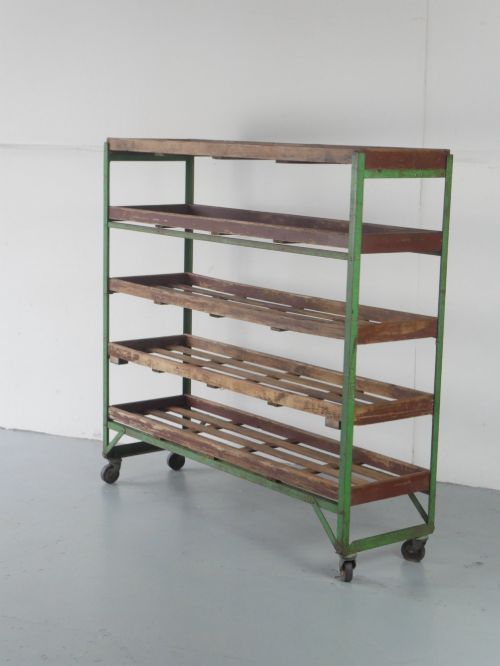
Mid century storage encompasses utilitarian filing cabinets, sideboards, chests of drawers and display cases originating from various periods and stylistic traditions. When searching for mid century storage, buyers encounter everything from 1920s industrial shelving racks and oak cupboards to 1940s tambour front filing units and teak bedside cabinets.
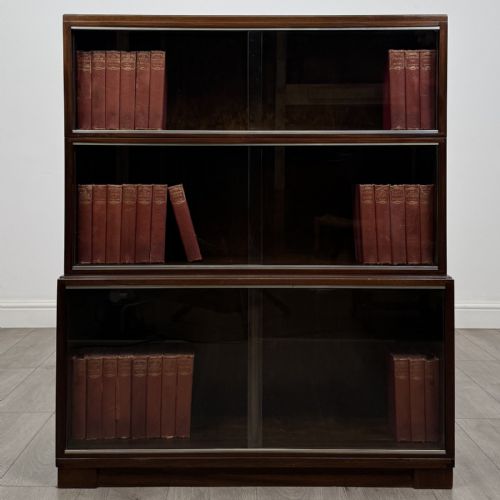
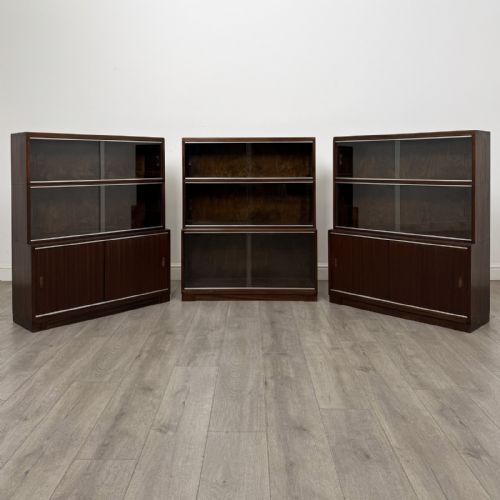
The selection ranges across forms like plan chests, haberdashery cabinets and dressers, reflecting domestic and commercial utility. Oak, mahogany, and pine form the backbone of these functional containers, often featuring sliding glass doors or fitted interiors.
Origin points span British, French, Scandinavian, and industrial workshops, providing diverse aesthetic interpretations of storage. Pieces bridge functional necessity and period craftsmanship, utilising durable timbers and practical compartments.
How they were made
Construction relies heavily on solid oak, mahogany, and pine, frequently complemented by brass hardware, glass panels, and iron brackets. Cabinet makers utilised traditional joinery alongside industrial metal framing to build robust frames capable of sustaining heavy everyday use.
Surfaces exhibit natural wood grains enhanced by polishing, liming, or original paint finishes, whilst specialised mechanisms like tambour doors and sliding glass panels operate on precise tracks. Brass studs, inlaid rosewood, and maple veneers provide decorative contrast on select pieces.
Mid Century Storage Retail Price Guide 2026
Typical asking prices for mid century storage among the pieces listed under this phrase on Sellingantiques today, from the lower quarter to the upper quarter. They describe what is for sale here now, not the wider market.
A gym shoe bench reminds us that utilitarian school changing rooms once demanded dedicated wooden seating for footwear storage.
What varies in quality
Quality rests upon the selection of timber, the integrity of the joinery, and the preservation of original operational elements like drawers, tambour tracks, and locking doors. Pieces exhibiting finer wood figures, such as burr birch or figured mahogany, demonstrate superior material selection by the maker.
Construction details distinguish utilitarian workshop pieces from refined domestic furniture, notably in the thickness of drawer linings, the snugness of joints, and the retention of original wooden or brass handles.
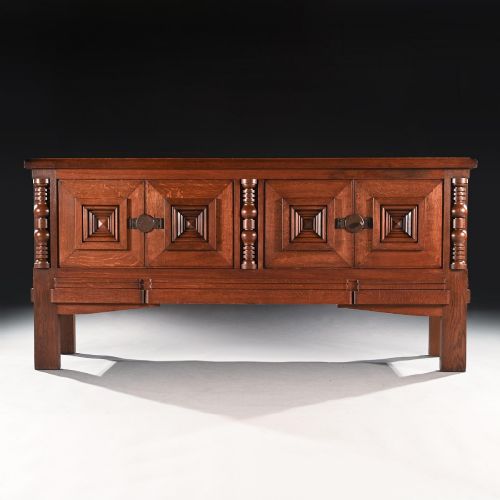
Charles Dudouyt·Crown Furniture
The Mid Century Storage Glossary
- Tambour door
- A flexible door constructed from narrow vertical strips of wood glued to a canvas backing, allowing it to slide smoothly around a curved track.
- Haberdashery cabinet
- A shop display unit featuring numerous shallow glass-fronted drawers originally utilised for storing small dry goods and textiles.
- Plan chest
- A large, flat piece of furniture comprising multiple very shallow drawers designed specifically for storing architectural plans, maps, and large sheets of paper.
- Campaign chest
- A portable set of drawers split into sections with recessed brass handles and corner brackets, built for military officers on the move.
- Compactum wardrobe
- A large fitted wardrobe combining hanging space, shelves, and internal drawers within a single unified case structure.
Mid Century Storage: Frequently Asked Questions
What defines mid century storage furniture?
Mid century storage encompasses practical furniture pieces designed to organise belongings, ranging from filing cabinets and sideboards to chests of drawers.
These items utilise durable timbers like oak and mahogany, often featuring functional innovations such as tambour doors or modular shelving.
How were tambour doors constructed?
Tambour doors are built from narrow vertical slats of wood fixed to a flexible fabric backing.
This construction allows the door to slide smoothly along a curved track, concealing interior shelves without requiring clearance space for swinging doors.
Where were haberdashery cabinets used?
Haberdashery cabinets originated in retail shops as counters for displaying and storing small sewing items, ribbons, and buttons.
Their shallow glass-fronted drawers allowed shopkeepers to present stock clearly while keeping items protected.
How do plan chests differ from standard chests of drawers?
Plan chests are built much wider and shallower than standard bedroom chests of drawers to accommodate large, flat paper documents.
They typically comprise numerous stacked shallow drawers rather than deep compartments.