
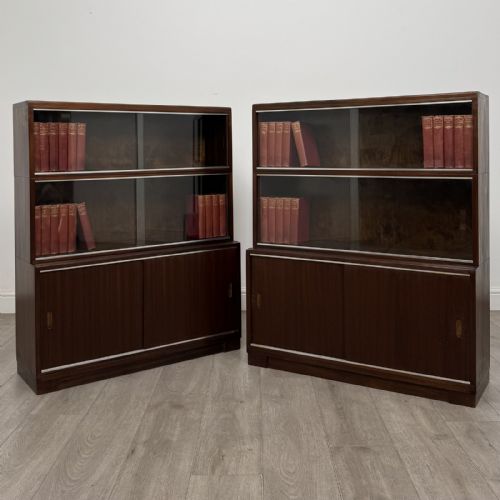
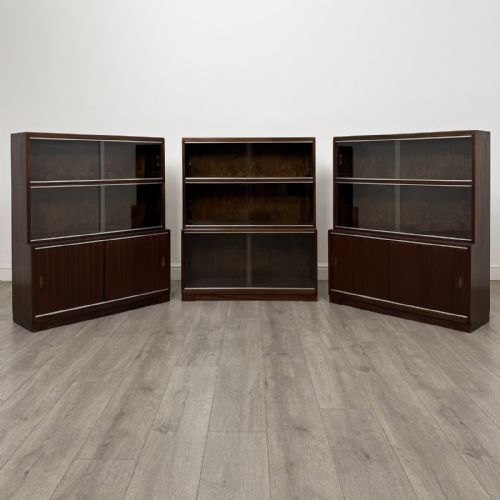
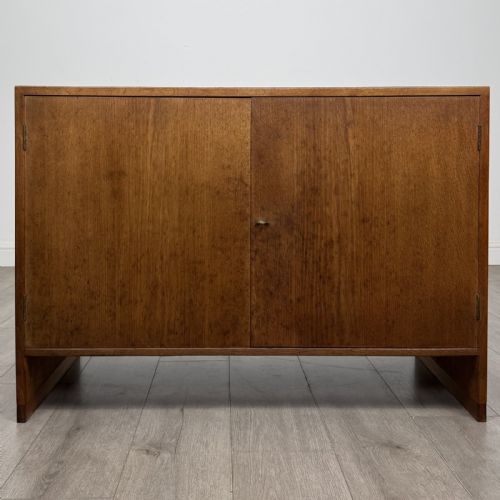
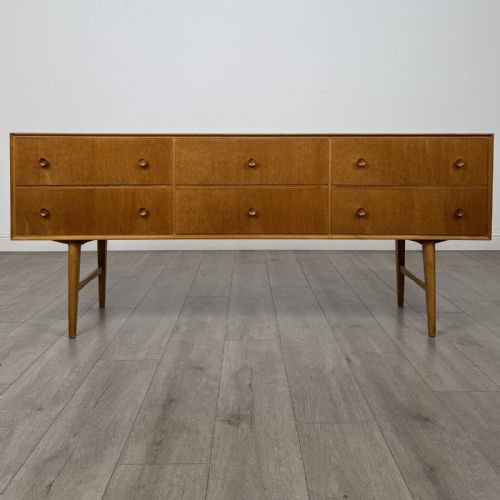
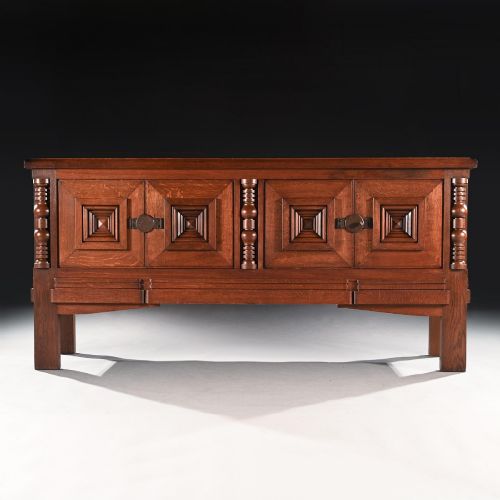
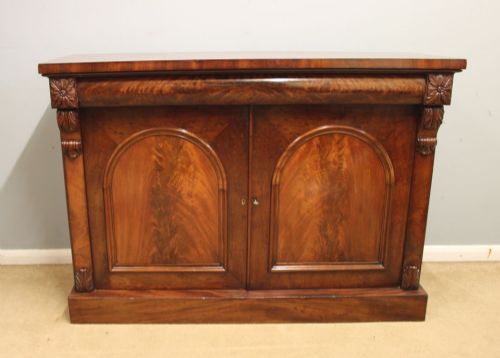
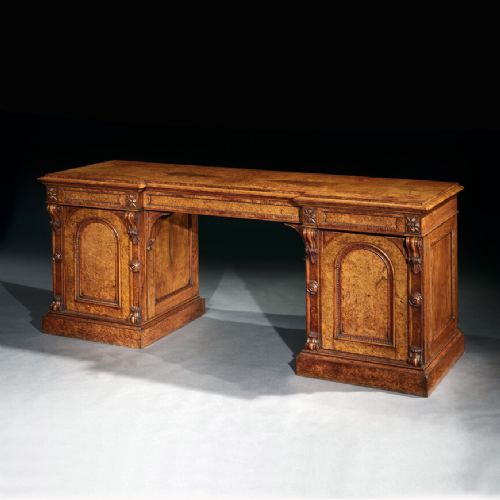
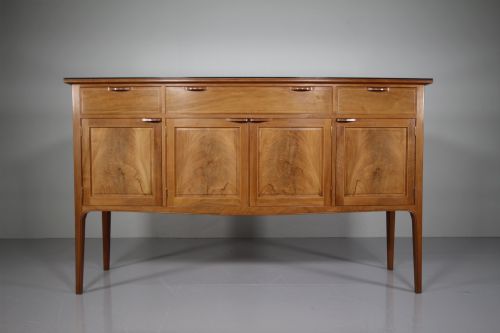
Mid Century Sideboard
A mid century sideboard provides essential storage while anchoring a room with clean lines and warm timber tones.
Mid Century Sideboard
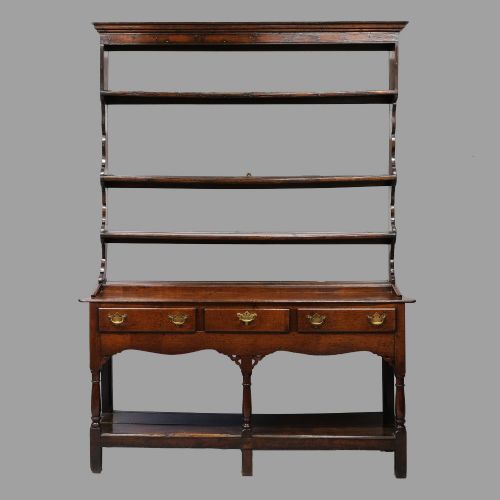
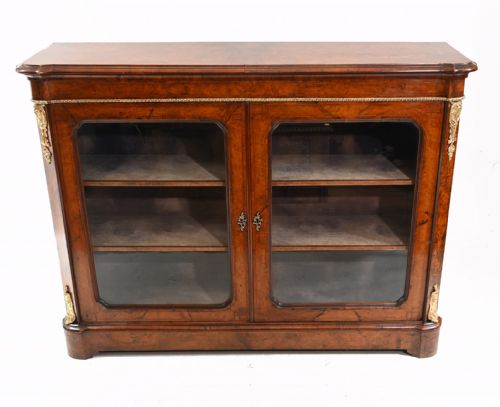
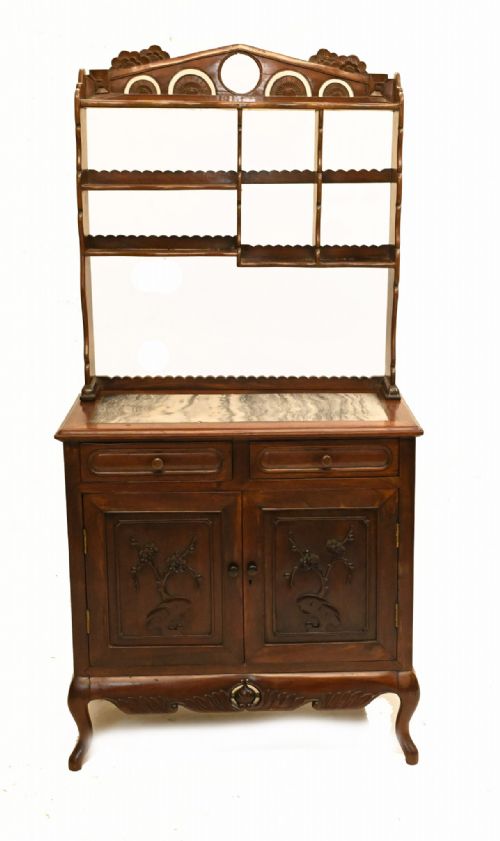
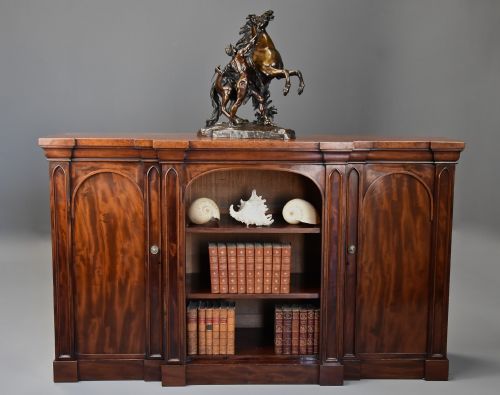
A mid century sideboard gathers low storage cabinets, credenzas, and serving tables designed to hold dining ware and display objects in a domestic interior.
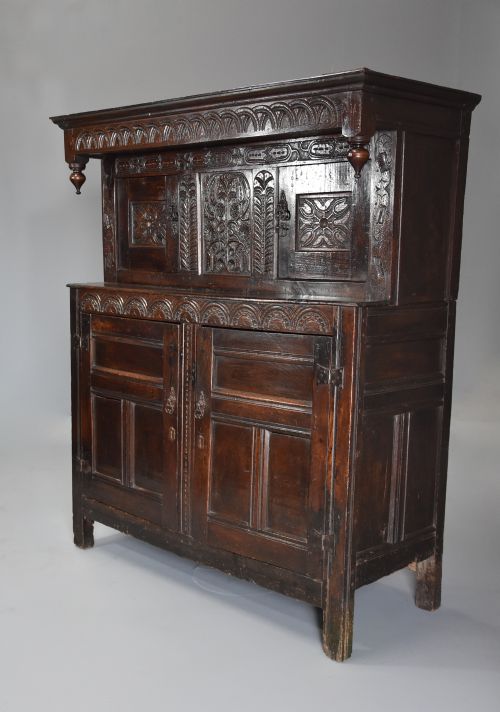
The pieces appearing under this search phrase span from early twentieth-century oak and walnut cupboards to French Art Deco designs and Scandinavian modernist cabinetry.
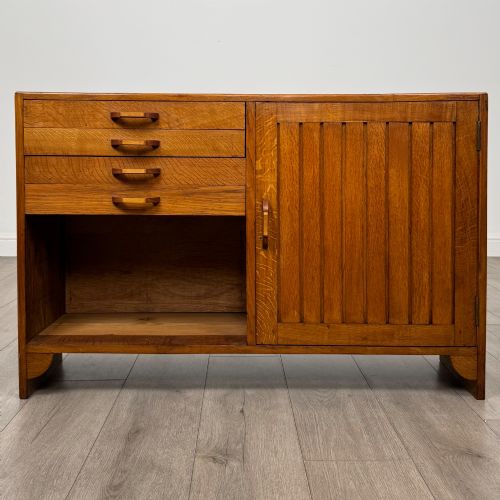
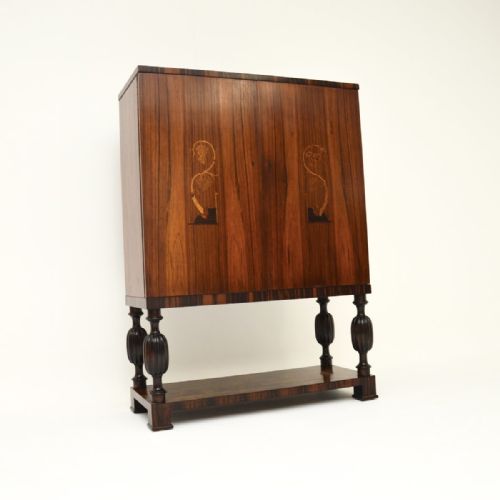
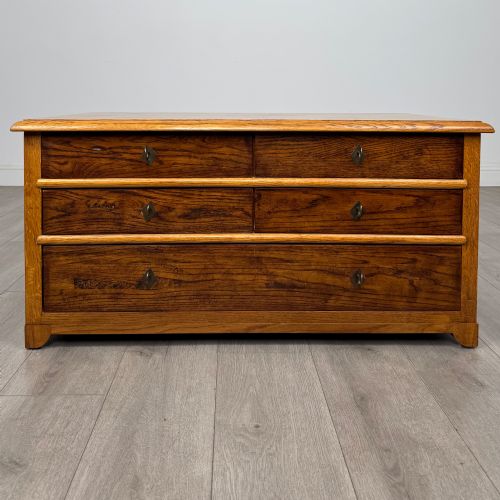
Buyers meet variations ranging from plain tambour-door cupboards to intricate inlaid rosewood cabinets and low chests of drawers intended for living and dining spaces.
How mid century sideboard items were constructed
Cabinet makers utilised solid oak, walnut, rosewood, and mahogany, often applying figured veneers over secondary timbers to achieve striking grain patterns on the main surfaces.
Joinery techniques combined traditional drawer construction with sliding doors, tambour mechanisms, and occasionally brass or ormolu mounts to secure decorative elements.
Some nineteenth-century sideboards feature hidden secretaire drawers that slide out to reveal private writing compartments.
What varies in quality for a mid century sideboard
The standard of timber selection and the precision of the veneer matching across the cabinet doors determine the visual balance of the piece.
The integrity of the internal shelving, the smoothness of drawer movement, and the presence of original maker stamps or attribution indicate the level of workshop care.
Charles Dudouyt·Edward Barnsley·Étienne Kohlmann·Arthur Reynolds
The Mid Century Sideboard Glossary
- Tambour door
- A flexible door made of narrow vertical slats of wood glued to canvas, allowing it to slide smoothly around a curved cabinet corner.
- Credenza
- A low dining room cabinet or sideboard, frequently featuring glass doors or decorative marquetry, designed for serving and display.
- Chiffonier
- A compact sideboard or cabinet popular in the nineteenth century, typically fitted with enclosed shelving and a raised back gallery.
- Potboard
- An open lower shelf on a traditional dresser base, originally utilised for storing pots and heavy kitchen utensils.
- Serpentine
- A curved cabinet front or drawer section shaped with a convex centre flanked by concave curves.
Mid Century Sideboard: Frequently Asked Questions
How do I choose the right mid century sideboard?
Consider the available wall space and the primary storage function required, whether for dining room crockery or living room media equipment. Measure both height and depth carefully to ensure the piece maintains proper proportion within the room.
Look closely at the timber tones and finish to ensure they complement existing furniture. Pieces with tambour doors or sliding panels offer practical advantages in tighter spaces where traditional swing doors might obstruct movement.
Where should a mid century sideboard be placed?
These cabinets traditionally sit against dining room walls to serve food and store tableware, though they function equally well in hallways or living spaces. Placing them away from direct heat sources protects the timber and veneer from drying out.
Ensure the surface height allows for comfortable serving or the display of lamps and decorative objects. Positioning the piece where natural light highlights the grain enhances the visual impact of the wood.
How do I care for a wooden mid century sideboard?
Dust the surfaces regularly with a soft, dry cloth to prevent the accumulation of grit that can scratch delicate finishes. Apply occasional coats of appropriate furniture wax to nourish the timber and maintain a soft sheen.
Avoid using silicone-based polishes or placing damp items directly onto the unsealed wood. Protect the top surface with mats or coasters when placing glassware or ceramics.
What defines the style of a mid century sideboard?
The style relies on functional minimalism, clean geometric lines, and a celebration of natural wood grain rather than heavy carved ornamentation. Designers prioritised practical storage solutions packaged within streamlined silhouettes.
Subtle details such as recessed handles, tapered legs, and contrasting timber inlays frequently distinguish these pieces from earlier Victorian and Georgian cabinetry.