
Mid Century Portrait Painting
Mid century portrait painting captures individual character through direct brushwork and modernist vitality, offering any room immediate historical depth and arresting human presence.
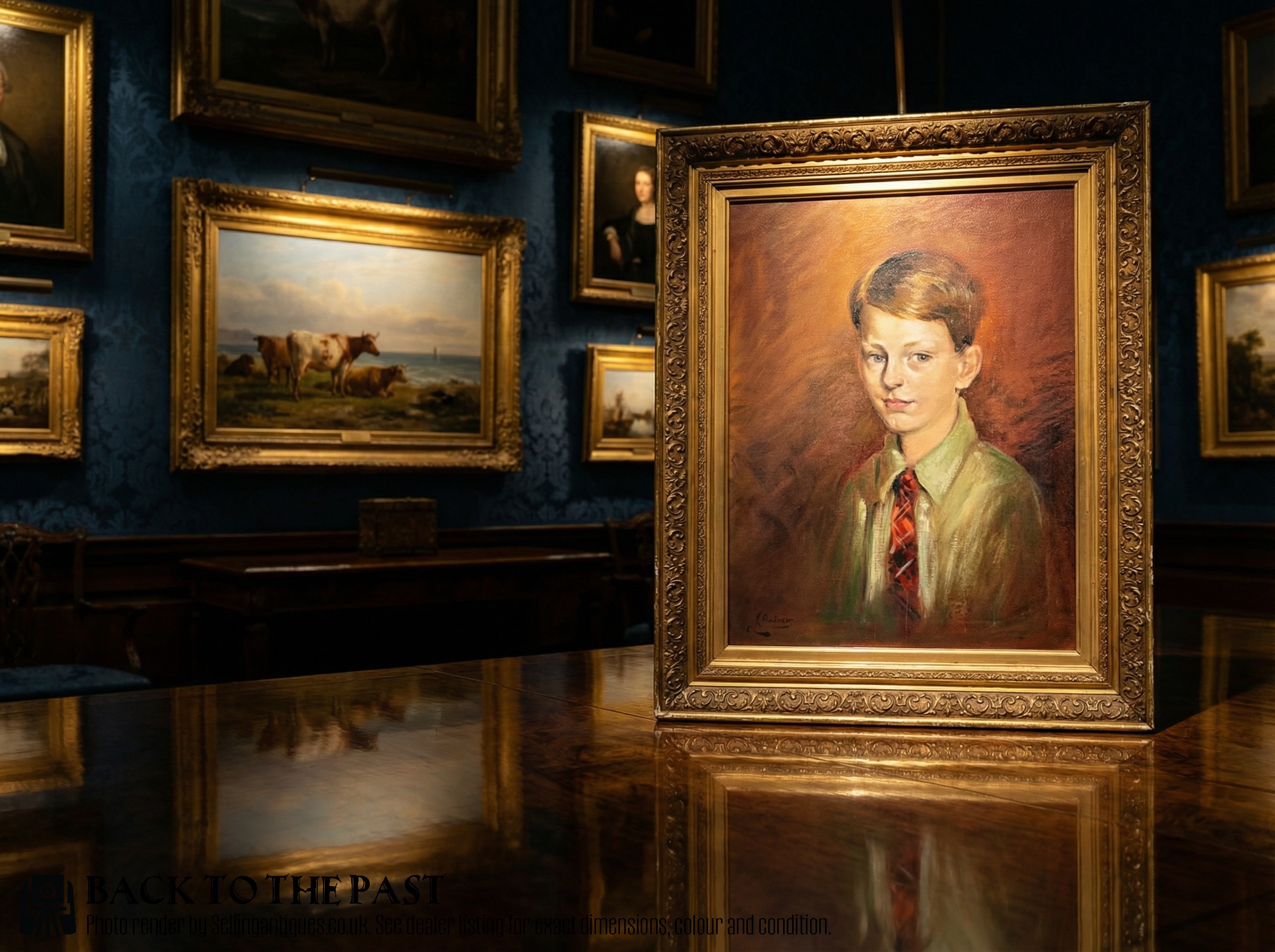
Mid Century Portrait Painting
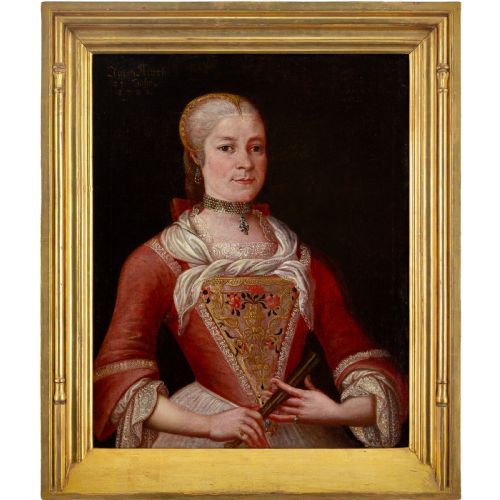
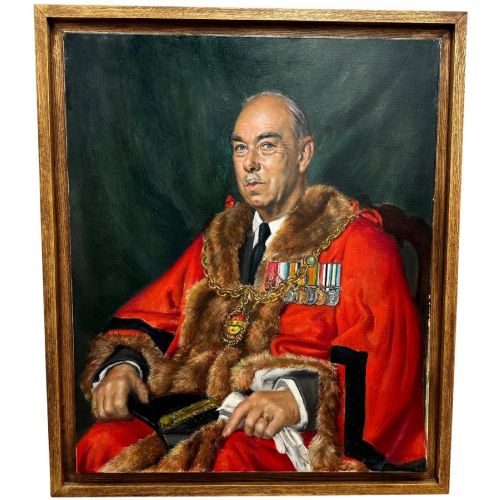
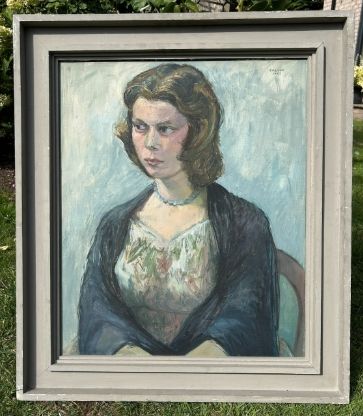
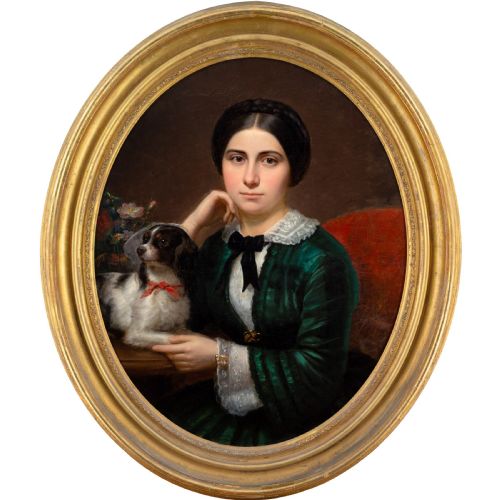
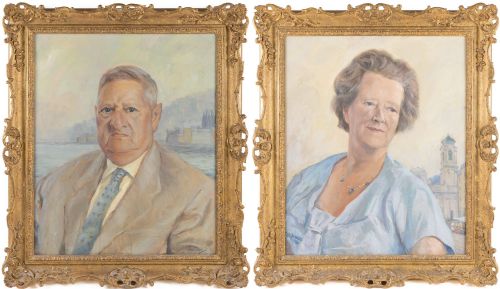
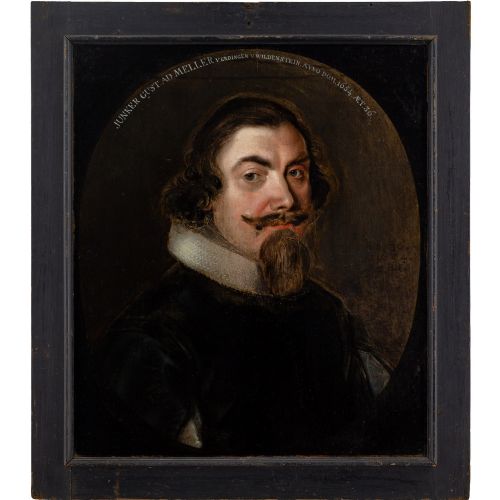
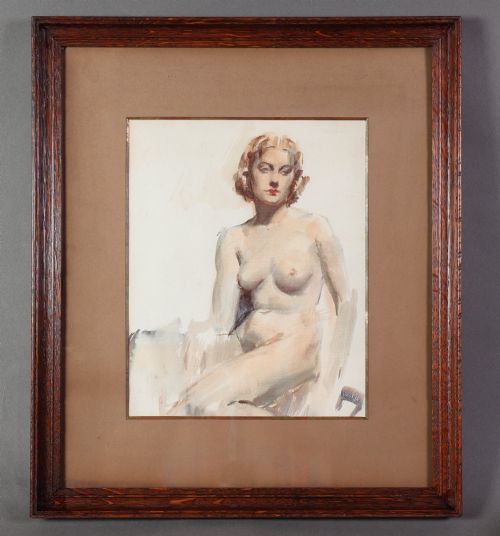
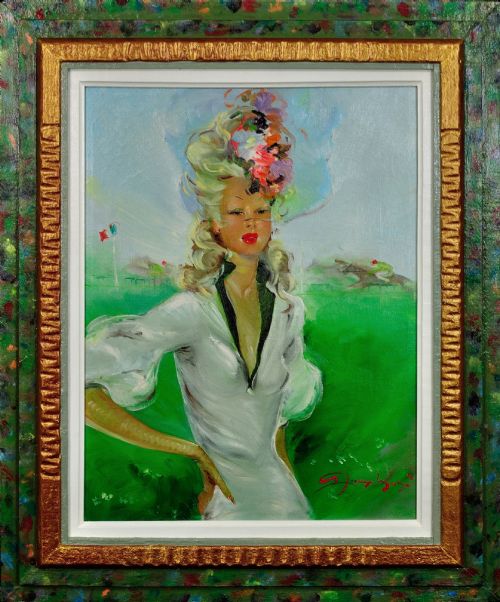
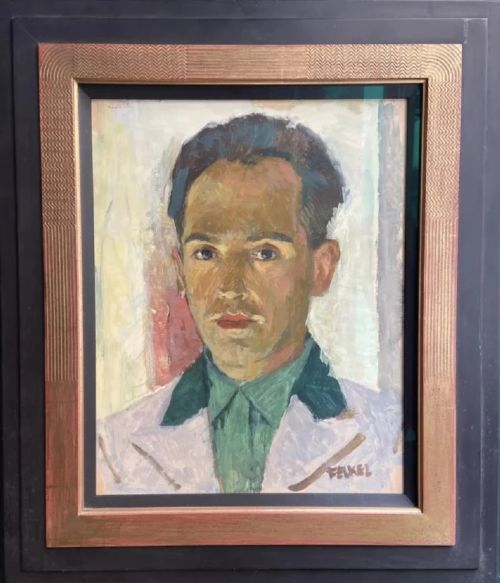
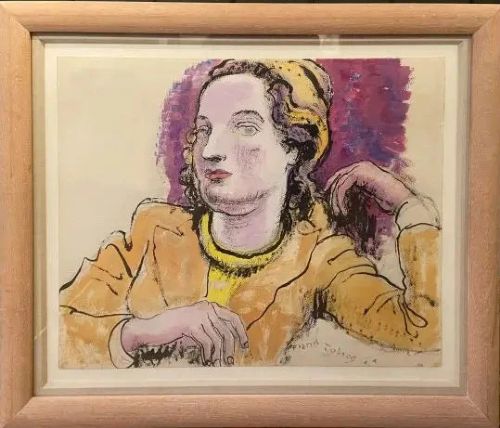
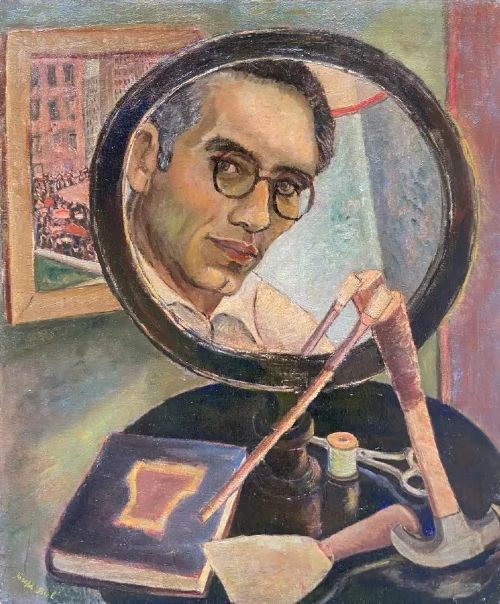
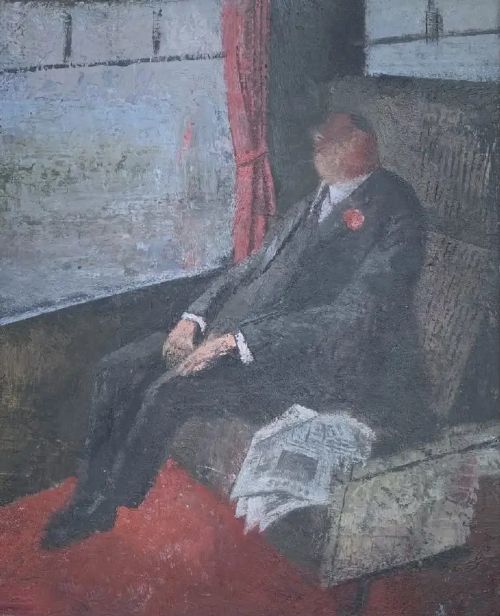
A mid century portrait painting focuses on human subjects rendered through the lens of twentieth-century realism, modern British idioms, or impressionist brushwork. These works range from intimate artist self-portraits and studies of everyday figures to formal depictions of mayors, officers, and society ladies.
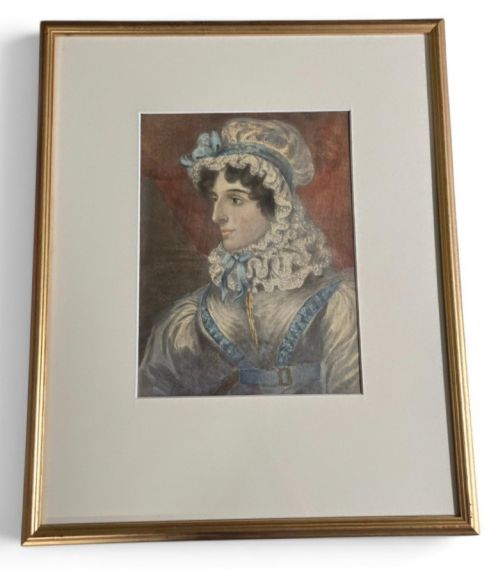
Buyers will encounter oil on canvas, oil on board, and delicate watercolours reflecting the varied stylistic shifts of the 1930s, 1940s, and 1950s. The selection balances traditional likeness with the looser, expressive handling typical of mid-century studio practice.
How They Were Made
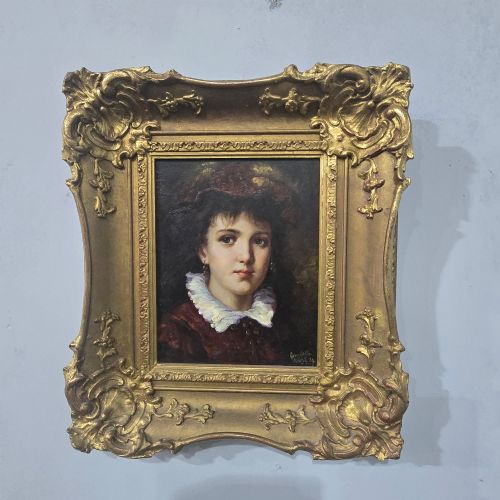
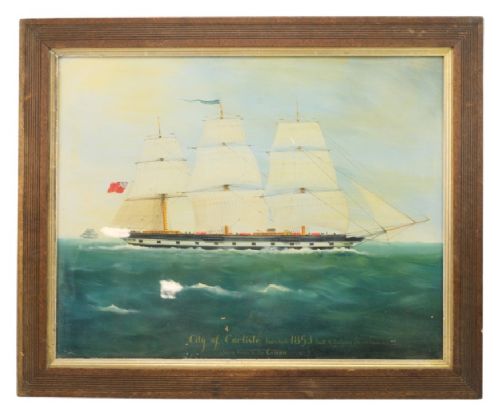
Finished works found houses in traditional wooden mouldings, swept gilt frames, or ebonised surrounds that protect the painted surface while framing the subject for domestic display.
Mid Century Portrait Painting Retail Price Guide 2026
Typical asking prices for mid century portrait painting among the pieces listed under this phrase on Sellingantiques today, from the lower quarter to the upper quarter. They describe what is for sale here now, not the wider market.
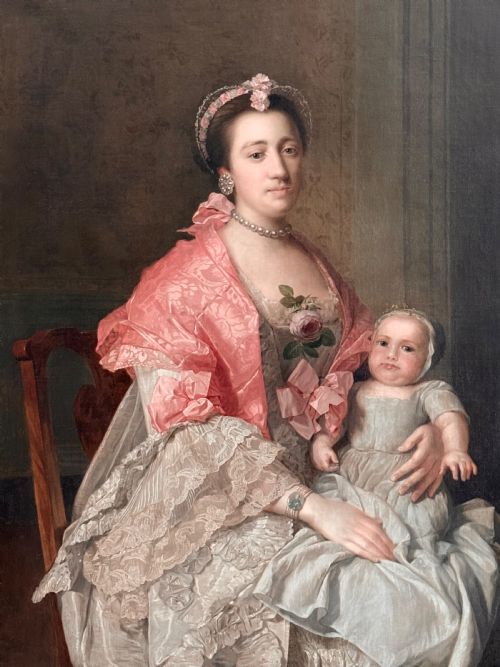
Listings feature works spanning from the 17th century through to the 1960s, executed in oil, watercolour, pastel, and gouache.
What Varies in Quality
Quality rests upon the artist's ability to command anatomy, light, and psychological weight within the subject's expression. Superior examples display confident, deliberate brushwork that captures a living presence rather than a rigid likeness.
The integration of the subject with its surrounding space and the preservation of the original framing elements further distinguish finer gallery-standard pieces from routine decorative studies.
Bernard Hailstone·Frank Dobson·Samuel Rabin·Philip Naviasky·Ronald Ossory Dunlop
The Mid Century Portrait Painting Glossary
- Impasto
- Paint applied thickly to a canvas or board, standing out in relief from the surface so that the marks of the brush or palette knife remain visible. This technique introduces tactile dimension and dynamic light play to clothing and hair.
- Gouache
- An opaque water-based paint mixed with a fine white pigment, yielding a heavier, more solid matte finish than watercolour. Painters often used it on paper for rapid studies and finished portraits alike.
- Modern British
- A broad stylistic umbrella covering art produced in Britain during the mid-twentieth century that absorbed continental modernist movements while retaining native figurative traditions. These works prioritize structural form and muted tonal harmonies.
- Self-portrait
- A representation of the artist drawn, painted, or sketched by their own hand, typically executed while gazing into a mirror. These pieces offer unique psychological insight into the creator's private working methods.
Mid Century Portrait Painting: Frequently Asked Questions
How should I hang a mid century portrait painting?
Hang the painting at eye level on a neutral wall away from direct sunlight to protect vulnerable pigments on canvas or paper. Pair the artwork with simple lighting to accentuate the original texture of the brushwork.
Ensure the wall fixings match the weight of the piece, particularly if the artwork retains a heavy gilded or ornate wooden frame.
Were these portraits painted from life?
Most formal and informal portraits from this period were created through direct sitting sessions in the artist's studio. Painters also utilised preparatory sketches and watercolours to capture transient expressions before committing them to canvas.
Self-portraits specifically relied on mirrors placed beside the easel, recording the artist's intense self-examination.
How do I distinguish mid-century works from older portraits?
Mid-century pieces typically exhibit looser brush handling, modernist colour palettes, and less rigid adherence to classical academic proportions than 18th or early 19th-century counterparts. The subject matter often reflects twentieth-century clothing, modern professions, or relaxed domestic settings.
Examining the stretcher bars, backing boards, and framing materials provides additional chronological clues.
What is the best way to clean an oil portrait?
Dust the surface gently with a soft, dry artist's brush to remove loose particles without disturbing the aged paint layer. Avoid using water, household cleaners, or chemical solvents on the canvas or the gilt frame.
Professional conservation is recommended for deeper cleaning or addressing stable craquelure in older oils.