
Mid Century Oil Portrait
When choosing a mid century oil portrait, you are investing in character-filled painted studies that bring historical presence directly into modern interiors.
Mid Century Oil Portrait
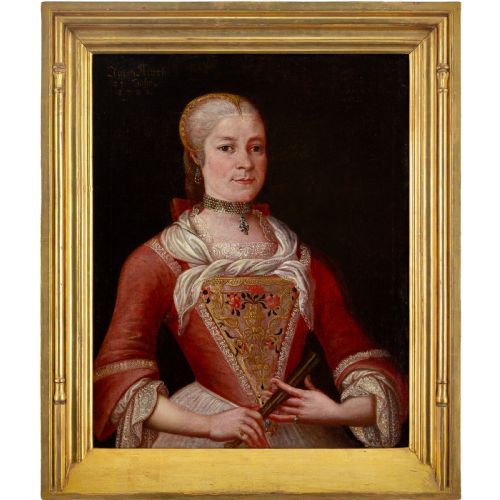
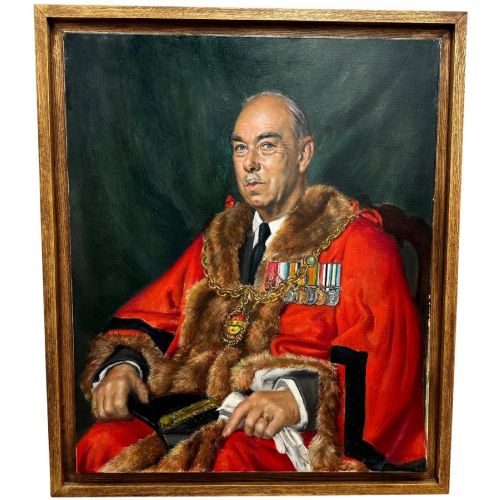
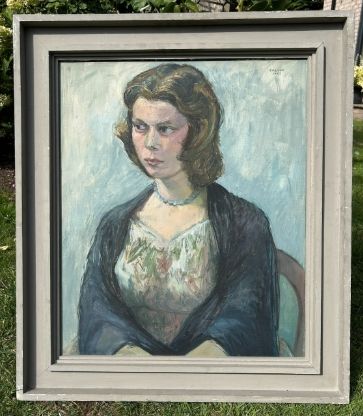
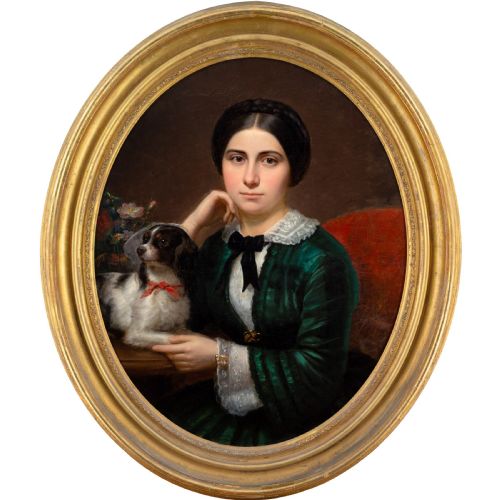
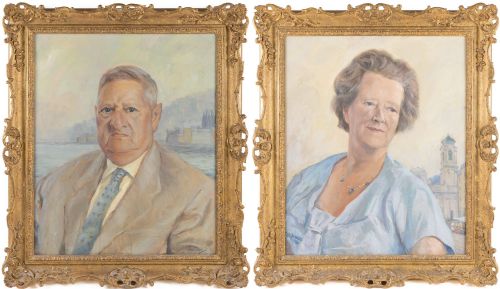
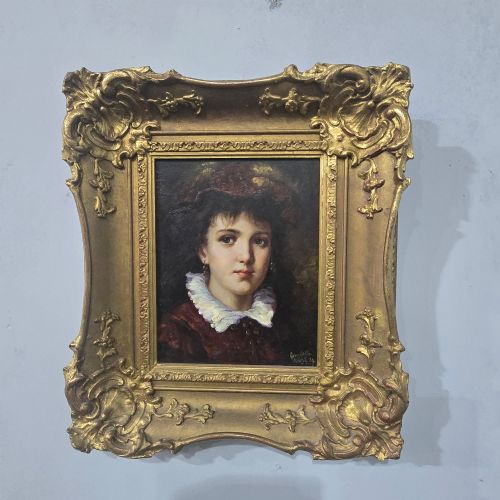
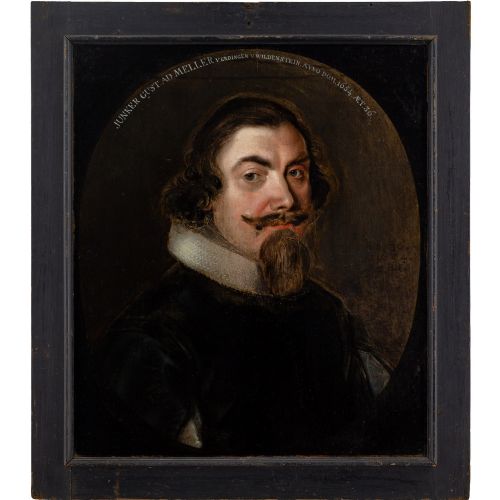
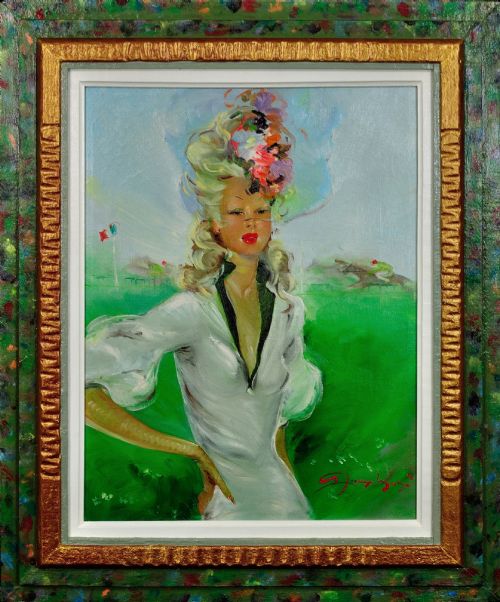
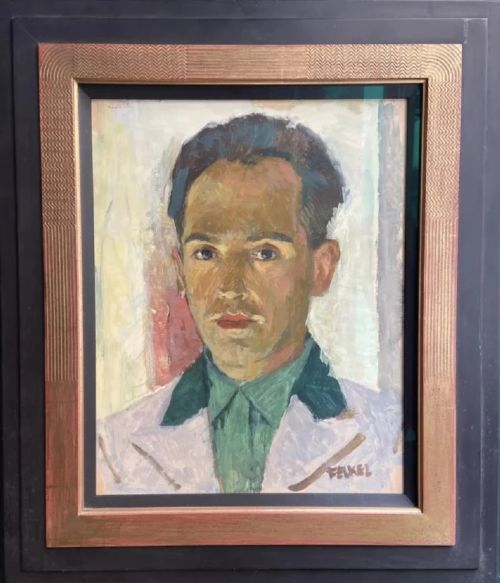
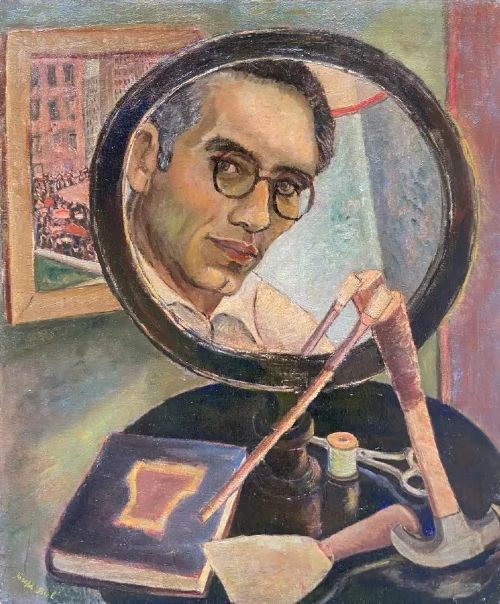
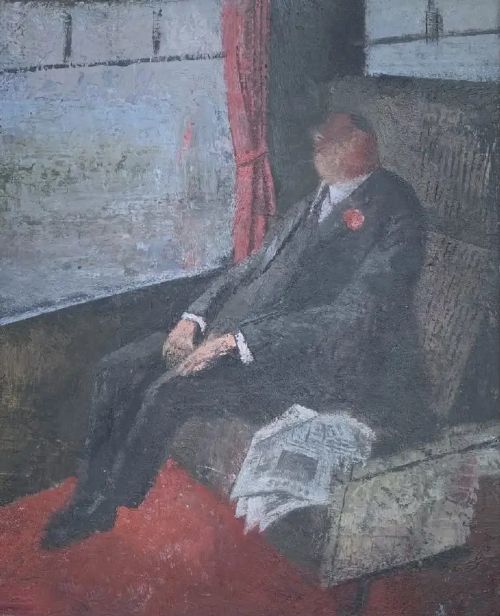
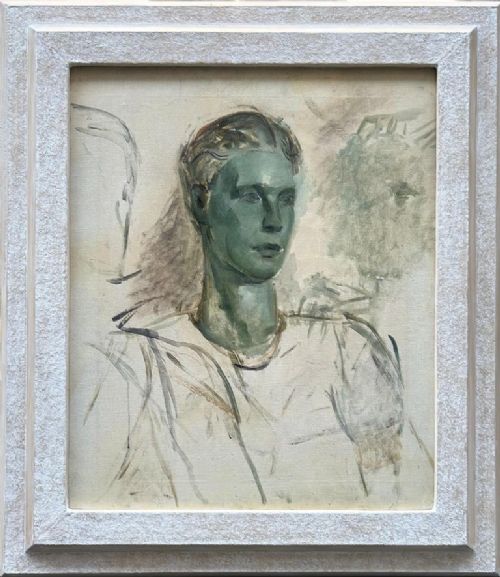
A mid century oil portrait captures human likenesses and character studies produced primarily during the 1950s and 1960s, alongside earlier historical works. These paintings range from formal depictions of civic figures like mayors to intimate sketches of models, artists, and family members.
Buyers will encounter various formats on this page, including framed canvases, boards, and works executed in styles spanning mid-century realism, modern British art, and continental European traditions.
How They Were Made
These works rely on traditional oil paint applied to stretched canvas or artist board, capturing depth and tone through layered brushwork. Many pieces utilise rich impasto techniques to build surface texture, while others feature smooth, classical blending.
Surviving pieces are frequently housed in their original surrounds, including swept gilt frames, ornate moulded wood frames, or simpler period housings that complement the painted canvas.
Mid Century Oil Portrait Retail Price Guide 2026
Typical asking prices for mid century oil portrait among the pieces listed under this phrase on Sellingantiques today, from the lower quarter to the upper quarter. They describe what is for sale here now, not the wider market.
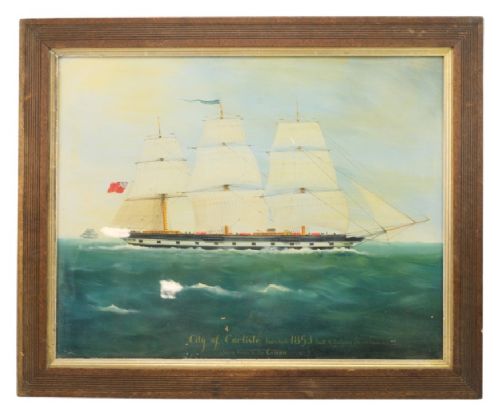
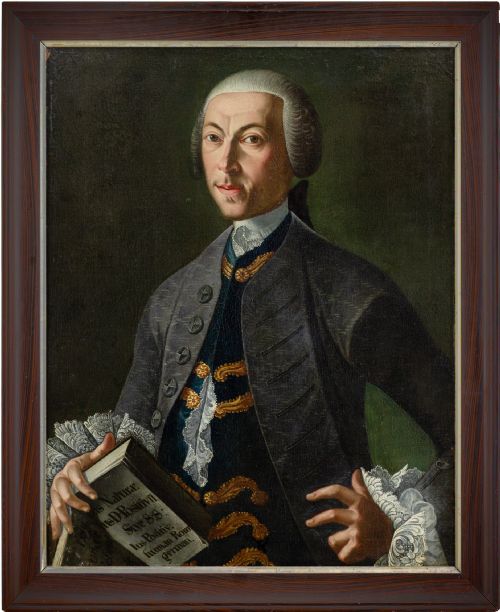
Listings feature works spanning from the seventeenth century through to the 1960s, executed in oil on canvas, board, and wood.
What Varies in Quality
The preservation of the original paint surface and the harmony between the artwork and its period frame also influence the overall standing of the piece.
Bernard Hailstone·Kenneth Cozens·Jonny Gaston·Carl Felkel·Joseph Biel·Oilver Messel·Samuel Rabin·Lena Gurr·Winifred Rymer·Christine Nesbit·Henry Pickering·Philippe de Rougemont·Charles James McCall·Ernest Payne·Philip Naviasky·Ronald Ossory Dunlop·Thomas Hicks·David Pelbam·Howard Barron·Tony Giles·Gaetan Dumas·Attilio Toro·Septimus Scott·Jacob Huysmans·Frank C Harlow
The Mid Century Oil Portrait Glossary
- Impasto
- Paint applied thickly to a canvas or board, standing out in relief from the surface so that the marks of the brush or palette knife remain clearly visible.
- Oil on Canvas
- Pigments mixed with a drying oil, typically linseed, applied to a woven fabric surface stretched across a wooden frame.
- Board
- A rigid flat substrate used as a base for painting in place of stretched fabric.
- Gilt
- A thin layer of gold leaf or gold paint applied to decorate the wooden moulding of a picture frame.
- School
- A designation used to group artists sharing a common style, region, or period, often without a known individual master.
Mid Century Oil Portrait: Frequently Asked Questions
How do I hang a heavy framed oil portrait?
Heavy framed oil paintings require secure wall fixings suited to the weight of both the canvas and its substantial wooden surround. Utilising appropriate wall anchors or fixing directly into wall studs ensures the piece remains stable.
Position the portrait at eye level so the subject's gaze engages naturally with the room. Avoid placing the painting in direct sunlight to protect the oil pigments and canvas over time.
How do I tell a mid-century portrait from an 18th-century one?
Mid-century portraits often feature looser brushwork, modernist influences, and sitters dressed in twentieth-century attire or casual clothing. The colour palettes and framing styles also reflect post-war artistic movements.
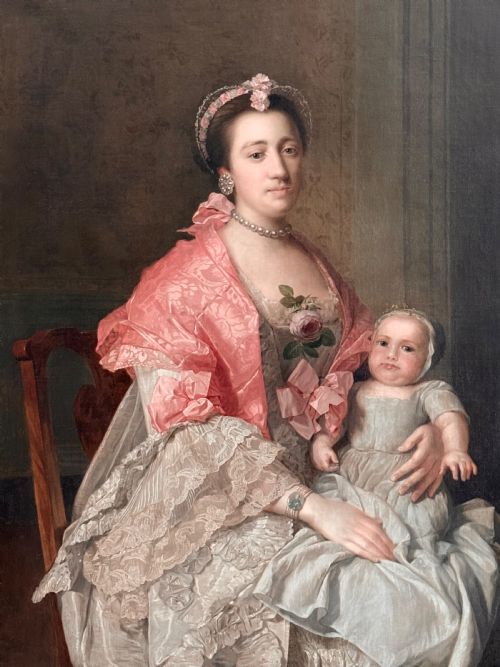
Earlier portraits from the eighteenth century typically display formal neoclassical or baroque compositions, traditional attire such as cravats and silk gowns, and aged craquelure across the varnish.
Can I reframe a mid-century portrait?
Many mid-century oil portraits remain in their original frames, which often share the aesthetic of the painting period. Preserving the original pairing maintains the historic context and visual balance intended by the maker.
If a frame is structurally compromised, select a replacement that respects the era of the artwork. Simple wooden profiles or period-appropriate gilt mouldings work best with mid-century canvases.