


Mid Century Occasional Table
A mid century occasional table brings compact surface utility and period craftsmanship to a room, offering a versatile piece for daily placement beside chairs or sofas.
Mid Century Occasional Table
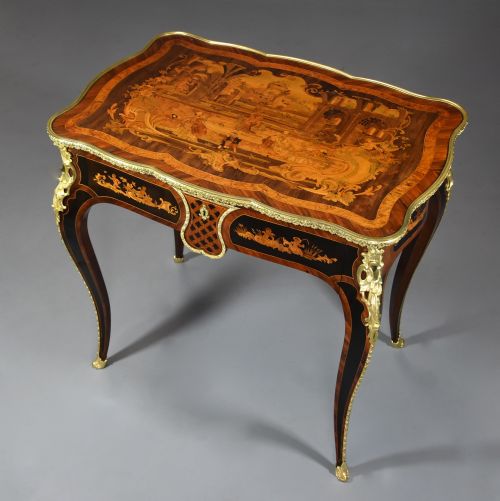
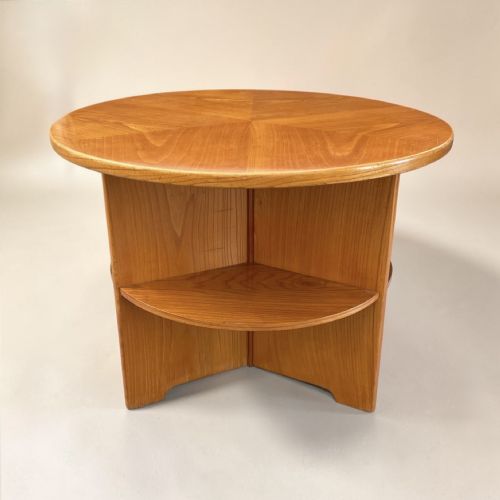
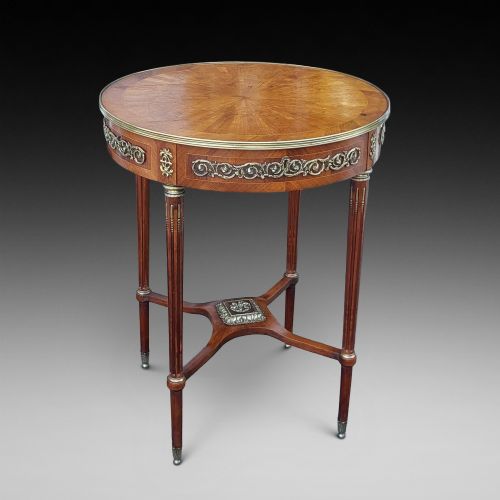
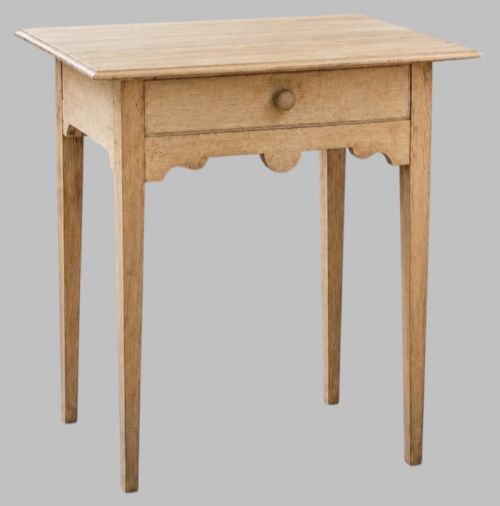
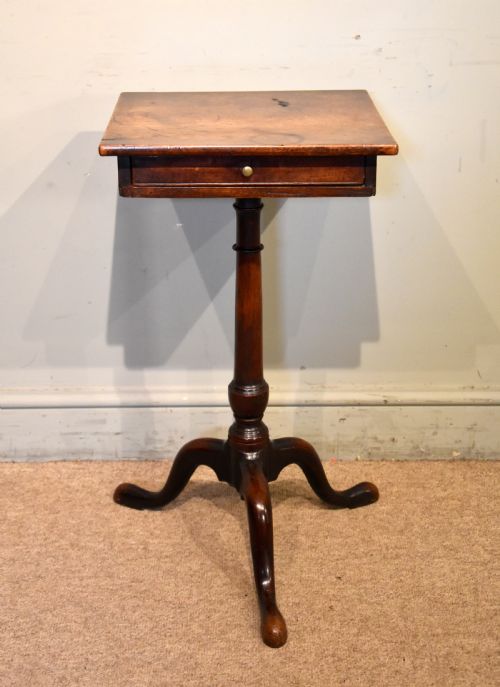
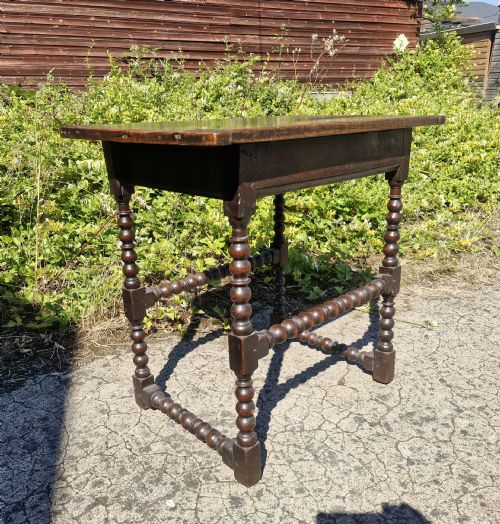
A search for a mid century occasional table encompasses small standalone tables designed for flexible placement, alongside related forms such as side tables, centre tables, coffee tables, lowboys, and wine tables. The pieces span multiple eras, drawing heavily from the 18th century, the Georgian period, and the 19th century up to the Victorian age, alongside mid-20th-century examples.
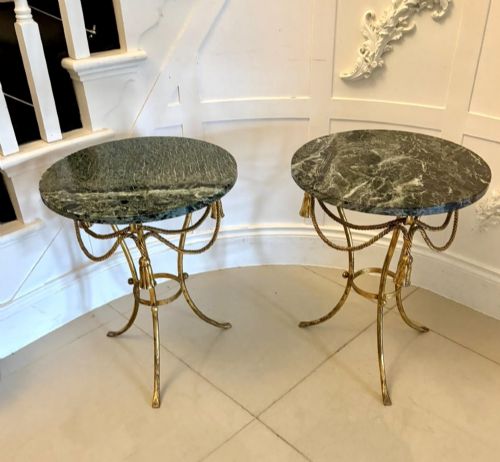
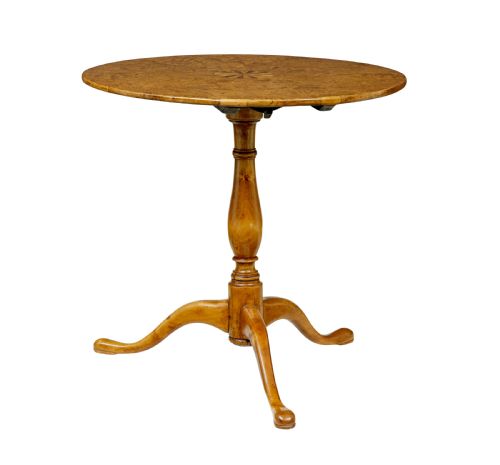
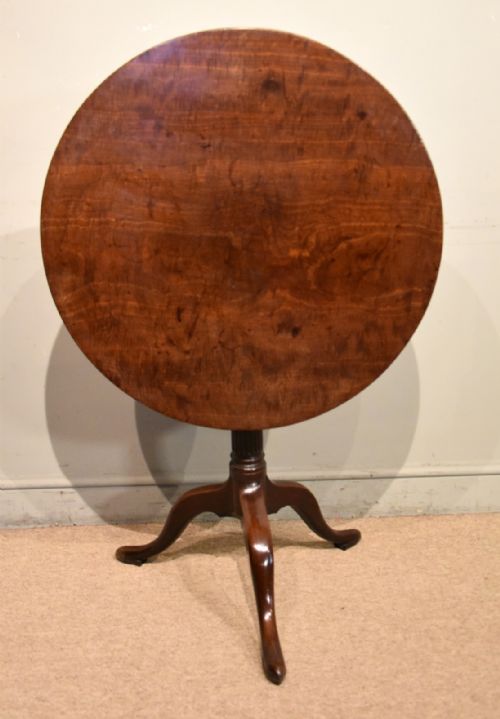
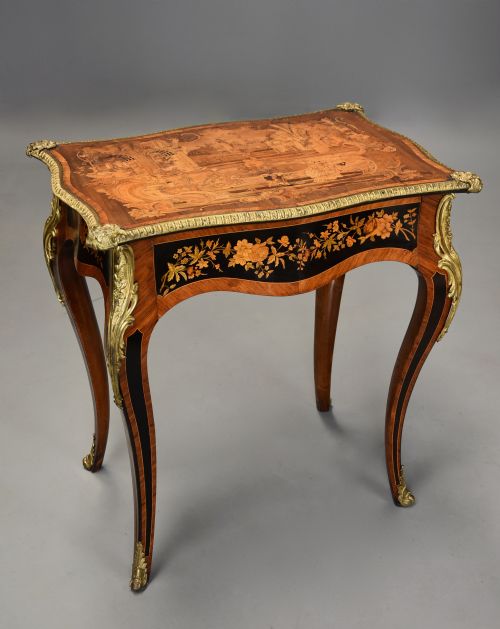
The materials and aesthetic influences found across the inventory range from plain oak and mahogany to elaborate French Empire, Louis XV Revival, Hollywood Regency, and Swedish Biedermeier styles. Buyers encounter everything from simple tripod wine tables and tilt-top designs to intricate marquetry centre tables and inlaid specimen wood surfaces.
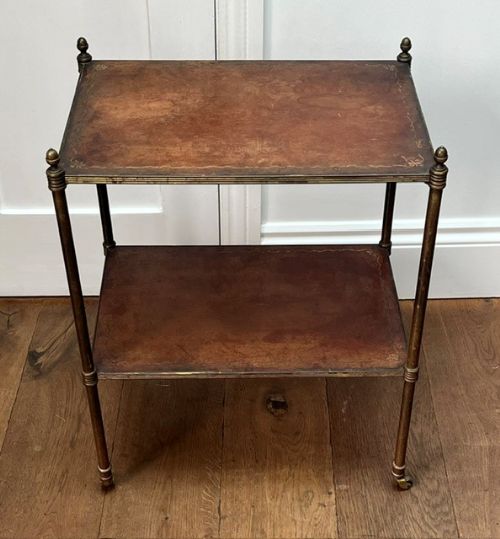
Forms vary from miniature tables and lowboys to occasional pieces with birdcage mounts, chess tops, or tiered shelving, reflecting diverse domestic uses throughout history. Many examples display regional characteristics, including Anglo-Indian padouk constructions or Scandinavian birch and alder root timbers.
Materials and Construction
Cabinetmakers utilised a rich variety of solid timbers and veneers, predominantly mahogany, walnut, burr walnut, oak, and rosewood, often enhanced by kingwood, satinwood, birch, and alder root. Surface decoration frequently involved marquetry, brass inlay, lacquer, and tooled leather, paired with structural elements in brass, gilt metal, or cast bronze.
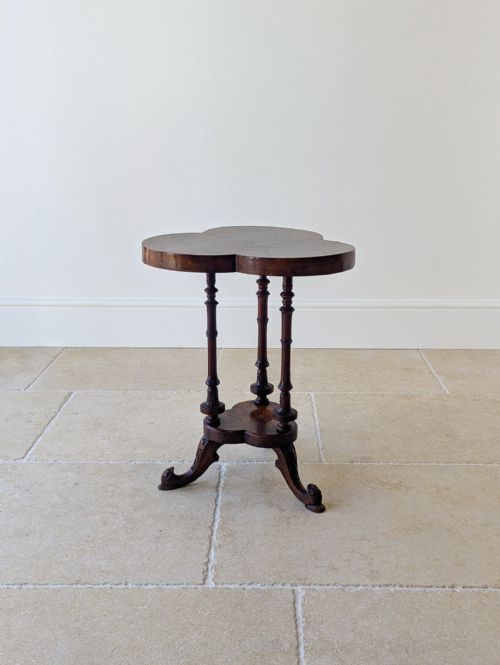
Joinery techniques matched the functional demands of each form, incorporating tilt-top mechanisms, birdcage mounts, drop-leaf gateleg actions, and tripod pedestals. Tables were constructed to balance portability with stability, utilising turned pillars, carved legs, and pad feet to support frequently moved surfaces.
Materials span traditional hardwoods like oak and mahogany alongside exotic veneers including kingwood, padouk, and satinwood.
Assessing Quality and Execution
The standard of a piece depends heavily on the precision of its timber selection, where figured veneers like burr walnut or matched specimen woods demonstrate superior cabinetmaking ambition. Finer examples display meticulous control in marquetry and inlay work, ensuring that decorative elements integrate seamlessly with the structural carcass.
Construction integrity defines the upper tier, visible in the smooth operation of tilt-top mechanisms, the stability of tripod pedestals, and the crispness of hand-carved details. Balance, proportion, and the preservation of original patination separate utilitarian workshop output from exhibition-quality pieces.
Peter Ghyczy
The Mid Century Occasional Table Glossary
- Tilt-top table
- A table with a hinged top that pivots vertically to allow compact storage against a wall when not in use. This mechanism typically relies on a birdcage mount or a dedicated catch.
- Lowboy
- A small low table with drawers, originating in the 18th century and commonly used as a dressing table or side table. These pieces often feature cabriole legs ending in pad feet.
- Marquetry
- The art of applying decorative pieces of veneer to a structure to form intricate geometrical patterns or pictorial designs. Cabinetmakers select contrasting woods to achieve tonal depth.
- Birdcage mount
- A pivoting wooden construction beneath a table top that allows the surface to both rotate and tilt. It represents a marker of sophisticated 18th-century furniture engineering.
- Pad foot
- A rounded foot shape used on cabriole legs during the Georgian period, resting flat on the floor without a separate caster or shoe.
Mid Century Occasional Table: Frequently Asked Questions
What is a mid century occasional table used for?
These tables provide convenient movable surfaces for lamps, drinks, or decorative objects within a living space.
Historically, specific variants such as wine tables, lamp tables, and work tables served specialised domestic tasks in parlours and drawing rooms.
How do I identify an 18th-century table?
Examination of the timber species, joinery methods, and structural proportions reveals the manufacturing period.
Pieces from the Georgian era frequently employ solid mahogany or oak, featuring traditional hand-cut joints and understated structural carving.
Are tilt-top tables stable?
A well-constructed tilt-top table remains stable through a tight-fitting catch and a balanced central pedestal.
The mechanism is designed to lock securely when the surface is placed horizontally for daily use.
How do I care for antique wood surfaces?
Routine maintenance involves dusting with a soft, dry cloth and avoiding placement near direct heat sources or strong sunlight.
Occasional application of appropriate wax preserves the historic finish and protects the underlying grain.