





Mid Century Oak Chairs
Mid century oak chairs bring robust timber frames and centuries of vernacular design straight into the modern room.
Mid Century Oak Chairs
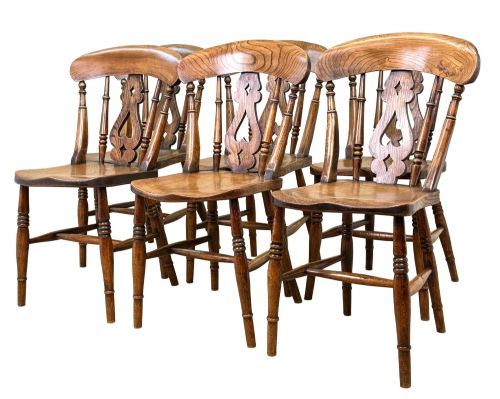
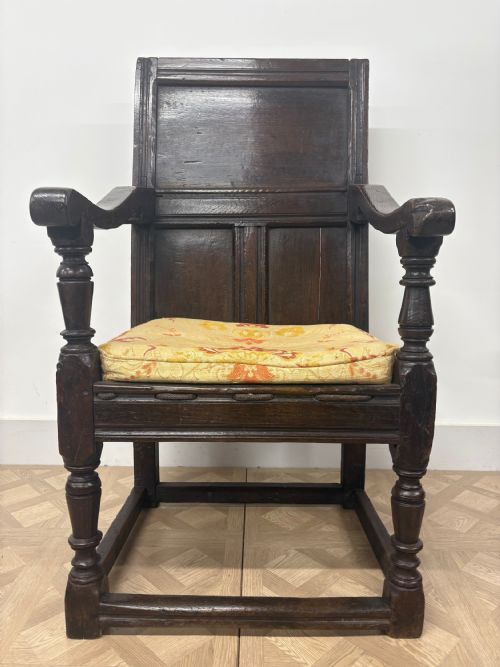
Mid century oak chairs encompass a diverse collection of wooden seating spanning centuries of traditional craftsmanship. Buyers exploring these options encounter robust forms that range from early wainscot armchairs to utilitarian farmhouse windsors and upholstered library seating.
The material foundation rests primarily on solid oak, frequently paired with elm, beech, or ash, creating substantial frames designed for enduring utility. These pieces bridge formal dining sets and practical workspace seating through historical styles such as Victorian country, Jacobean, and Art Deco.
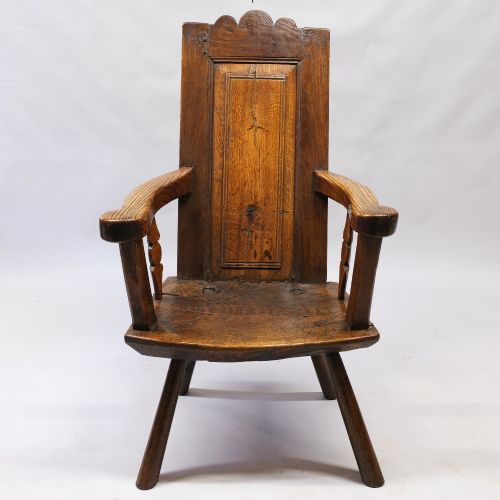
The selection on this page demonstrates remarkable variety in object types, featuring sets of dining chairs alongside individual armchairs, hall chairs, and desk chairs. Each iteration reflects the prevailing domestic or institutional requirements of its respective period.
How they were made
Construction relies heavily on solid oak timbers, often combined with secondary woods like elm and fruitwood for seats or structural components. Joinery techniques prioritize stability, utilising traditional framing methods alongside turned elements and panel construction.
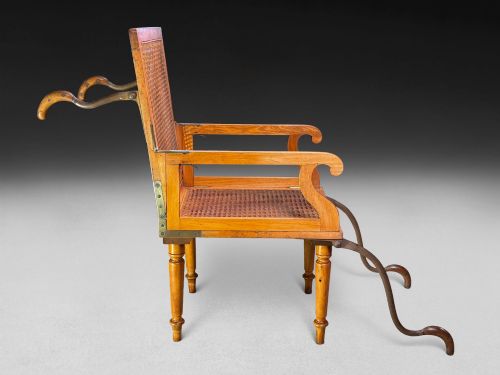
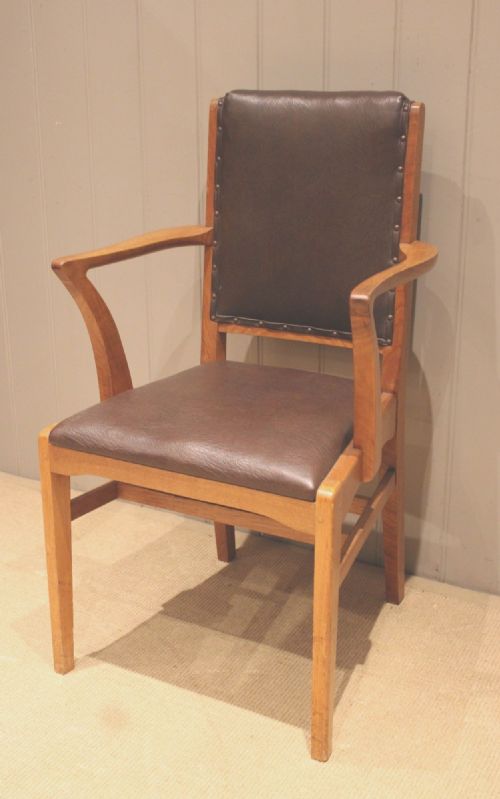
Surface details frequently incorporate leather or fabric upholstery, cane seating, and carved panel backs. These finishing choices depend heavily on whether the intended function is domestic dining, library study, or formal hall presentation.
Object types vary from formal throne chairs and library armchairs to practical Windsor dining chairs and hall seating.
What varies in quality
Quality separates through the integrity of the timber framing and the coherence of the period style. Pieces demonstrating substantial solid oak construction and original structural joinery sit clearly apart from examples with heavily altered components.
The refinement of carved details and the authenticity of period upholstery materials further distinguish finer examples. Coordinated sets command attention through uniform timber ageing and consistent design execution across every chair in the group.
The Mid Century Oak Chairs Glossary
- Wainscot armchair
- A heavy wooden chair with a panelled back and solid seat, typical of earlier centuries. These pieces often feature substantial armrests and turned supports.
- Smokers bow
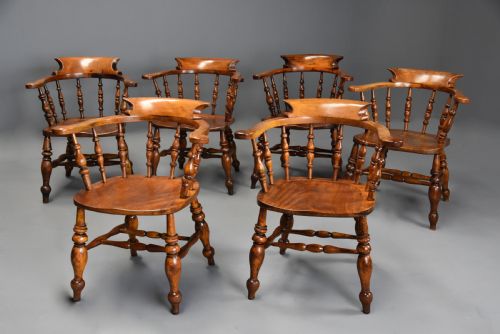
- A low-backed Windsor chair with a curved rail, frequently used in nineteenth-century settings. They offer a comfortable, sturdy seat with spindle backs.
- Hall chair
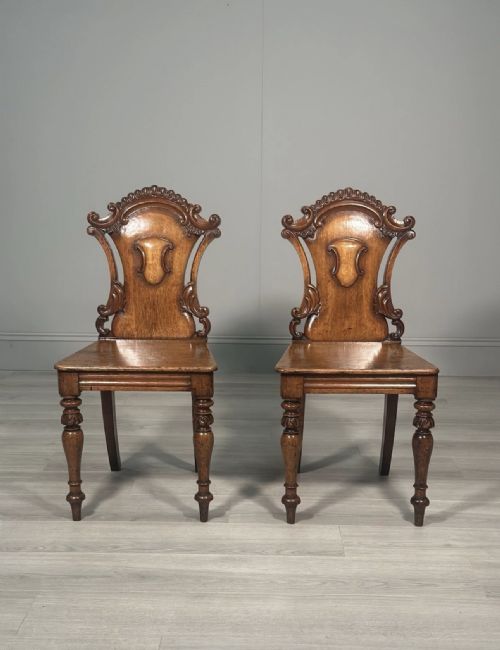
- A rigid, upright wooden chair designed for placement in an entrance hall or passage. They commonly display carved crests or plain solid backs rather than upholstered comfort.
- Corner chair
- A chair constructed with a diagonal orientation to fit neatly into room angles. The design typically incorporates a curved top rail supported by multiple turned posts.
- Bridge chair
- A compact armchair originally designed for card games or general parlour use. These chairs often feature upholstered seats and supportive frames for extended sitting.
Mid Century Oak Chairs: Frequently Asked Questions
How do I identify a true wainscot chair?
A genuine wainscot chair is defined by its solid panelled wooden back and heavy frame construction, often utilising pegged joints. These characteristics distinguish early seating from later revival pieces.
Examine the timber grain and the method of assembly to understand the age and origin of the framework. Period examples display natural wear patterns consistent with centuries of utility.
What is the difference between a Windsor and a captain's chair?
Windsor chairs typically feature turned spindles inserted into a solid wooden seat, whereas captain's chairs incorporate a continuous curved rail sweeping around the upper back.
Both forms prioritize robust construction utilising woods like oak, elm, or ash. Their practical designs evolved to serve various domestic and institutional functions over generations.
How should I care for vintage oak furniture?
Protect wooden surfaces from direct sunlight and sudden temperature shifts to prevent timber splitting. Regular gentle dusting preserves the natural finish without damaging the patina.
Avoid harsh chemical cleaning agents on leather or fabric upholstery. Professional conservation advice helps maintain vulnerable textile or cane elements safely.
Can I mix different periods of oak chairs at a dining table?
Combining different periods is a traditional approach to furnishing that creates visual depth within a room. Matching timber tones or shared vernacular forms helps unify mismatched seating.
Consider scale and seat height to ensure comfortable alignment around your dining table. Gradual collection allows you to build a cohesive seating arrangement over time.