
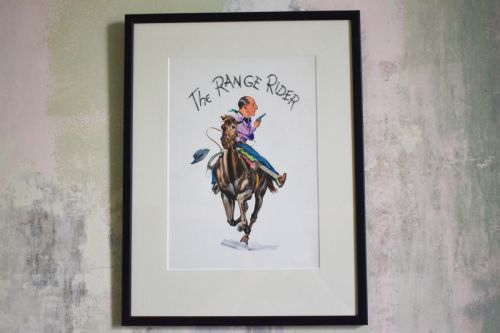
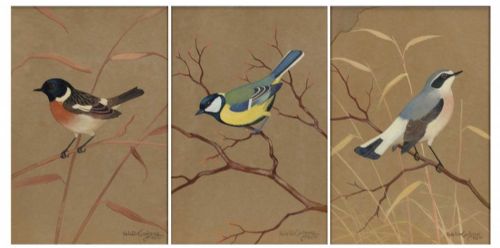


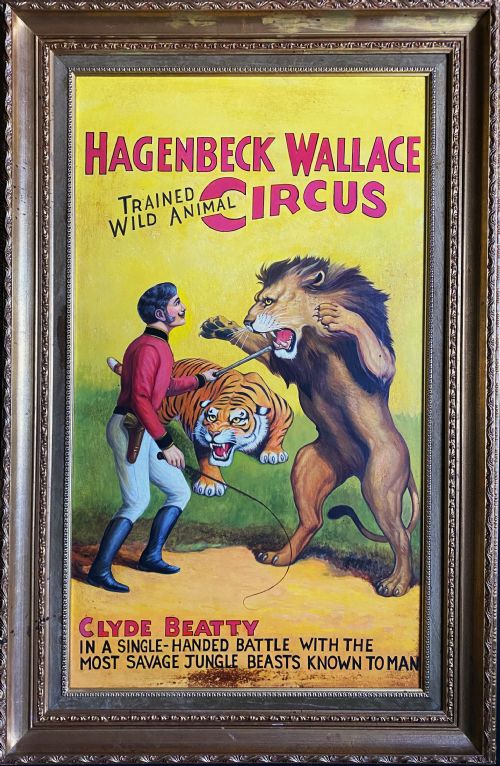


Mid Century Illustration Painting
These mid century illustration painting works capture the graphic energy and illustrative charm of the mid twentieth century across paper and canvas.
Mid Century Illustration Painting
When you search for mid century illustration painting, you encounter original works that bridge the gap between fine art and commercial illustration. These pieces span the decades from the nineteen thirties to the nineteen sixties, reflecting changing visual tastes across Britain and Europe.
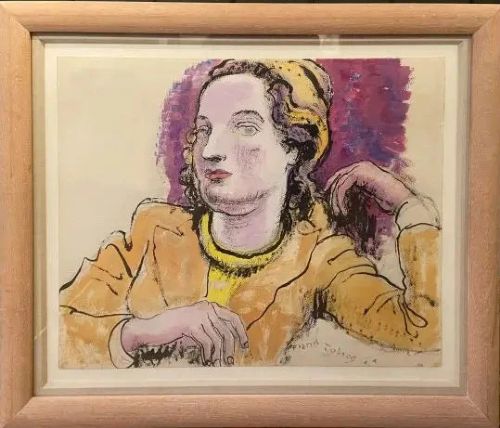
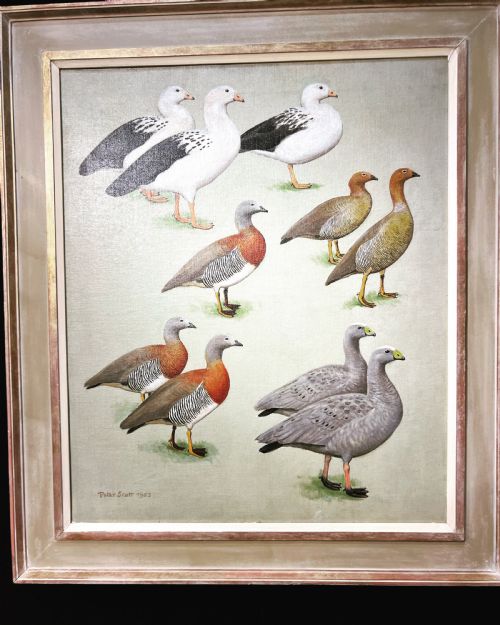
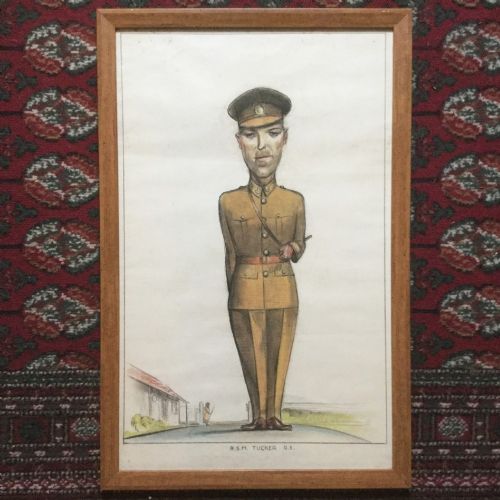
The selections on this page appear on paper, canvas, and board, utilising media such as gouache, watercolour, ink, pastel, and oil. You find bird studies, portraits, theatrical scenes, and architectural drawings alongside whimsical animal subjects and wartime sketches.
Most examples originate from British and French artists working in mid century modern and naturalistic styles. They range from modest preparatory sketches to large, finished gouache paintings and framed works ready for display.
Materials and techniques
Artists working in this field relied heavily on water-based media like gouache and watercolour applied to paper or card. These quick-drying paints allowed for crisp lines and flat areas of vibrant colour well-suited to reproduction and illustrative work.
Pencil, ink, and pastel frequently provide the underlying structure or surface texture for mixed media compositions. When artists worked on canvas or board, they employed oil or acrylic to achieve greater depth and tonal richness in portraits and figurative scenes.
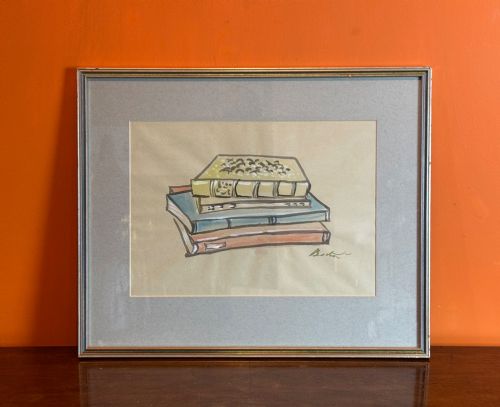
The selection includes animal studies, botanical still lifes, theatrical portraits, and architectural scenes spanning four decades.
What separates the best from the rest
Quality rests upon the sureness of the hand and the confidence of the mark-making. A superior piece demonstrates purposeful brushwork and a clear compositional balance, whereas lesser examples can appear tentative or over-worked.
The significance of the subject matter and the reputation of the artist elevate certain works above standard decorative pieces. Provenance and clear attribution to a named painter or illustrator add considerable weight to a painting.
Frank Dobson·Sir Peter Markham Scott·Charles F. Tunnicliffe·Raoul Millais·Donald Watson
The Mid Century Illustration Painting Glossary
- Gouache
- An opaque water-based paint that dries to a matte finish, frequently utilised by mid century illustrators for its dense, flat colour blocks. It differs from watercolour through its chalky opacity.
- Wartime illustration
- Works produced during the nineteen forties, often reflecting military life, civilian duties, or wartime conditions. These pieces carry historical context alongside their artistic merit.
- Mixed media
- An artwork employing more than one medium on the same support, such as watercolour combined with coloured pencil and ink. This approach allows for varied surface textures.
- Botanical study
- A detailed artistic rendering of plants, flowers, or natural specimens. Mid century examples combine scientific observation with decorative flair.
- Naturalism
- An artistic style focused on the realistic depiction of the natural world, particularly birds, animals, and landscapes. It avoids excessive stylisation in favour of close observation.
Mid Century Illustration Painting: Frequently Asked Questions
What distinguishes an illustration painting from a fine art painting?
Illustration paintings were often created with reproduction, publication, or specific commercial briefs in mind, utilising media like gouache and ink on paper for speed and graphic clarity.
Despite their commercial origins, many of these pieces demonstrate exceptional technical skill and artistic vision, making them highly collectible as standalone works of art.
How should I frame and display works on paper?
Works on paper, including watercolours and gouache paintings, require mounting behind glass to protect the delicate pigments from dust and physical damage. Utilising acid-free mounts prevents yellowing and preserves the integrity of the paper over time.
Keep framed pieces away from direct sunlight to avoid fading the sensitive water-based pigments and inks commonly found in mid century works.
What periods do these paintings cover?
The listings span from the nineteen thirties through to the nineteen sixties, capturing the shift from traditional realism into mid century modernism. Wartime works from the nineteen forties sit alongside jazzy, vibrant compositions from the nineteen fifties.
This broad timeframe illustrates how artistic styles evolved across Britain and Europe during a period of rapid social and cultural change.
How do I identify the artist if the signature is unclear?
Examine the style, subject matter, and any accompanying inscriptions, dates, or gallery labels on the reverse of the frame or backing board. Comparing the brushwork and handling of media to known examples by period artists often provides a strong attribution.
Many mid century illustrators worked for publishers or exhibited with regional art societies, leaving a paper trail through exhibition catalogues and archives.