



Mid Century Glass Lighting
Mid century glass lighting brings together functional illumination and sculptural glasswork, offering character that modern reproductions simply lack.
Mid Century Glass Lighting
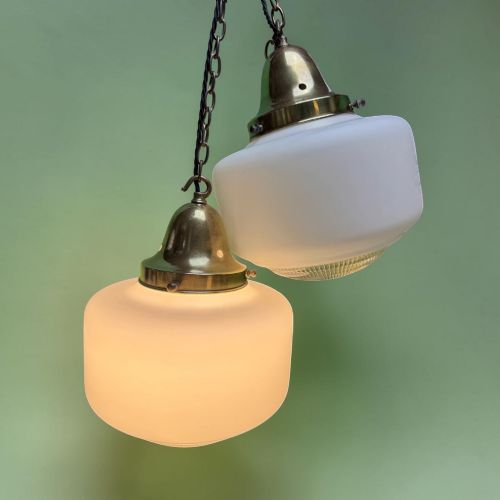
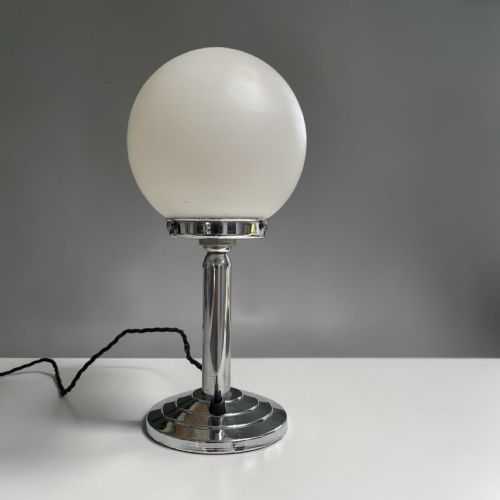
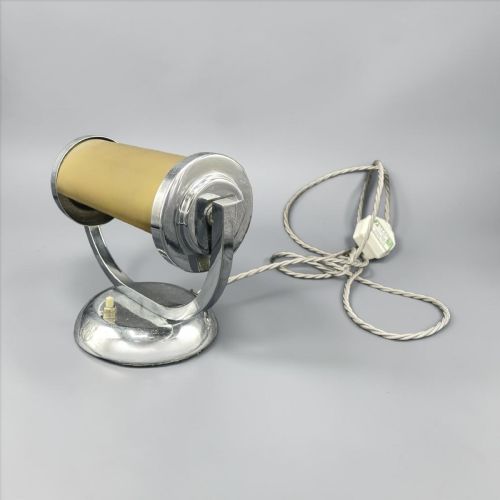
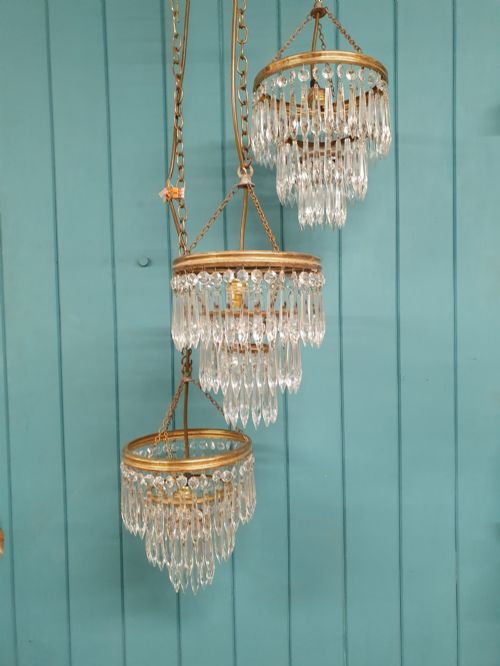
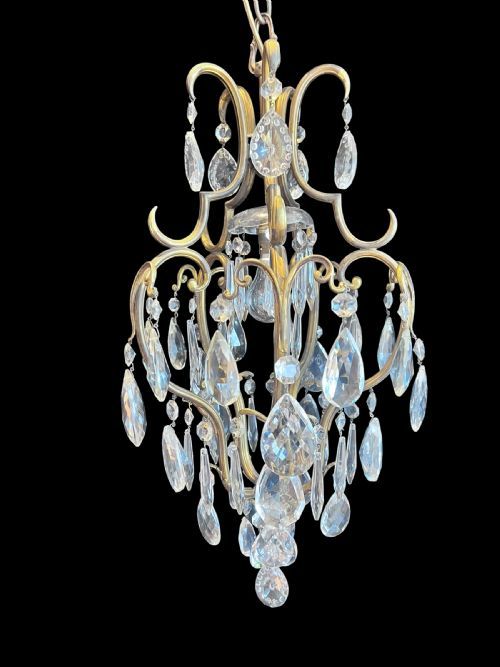
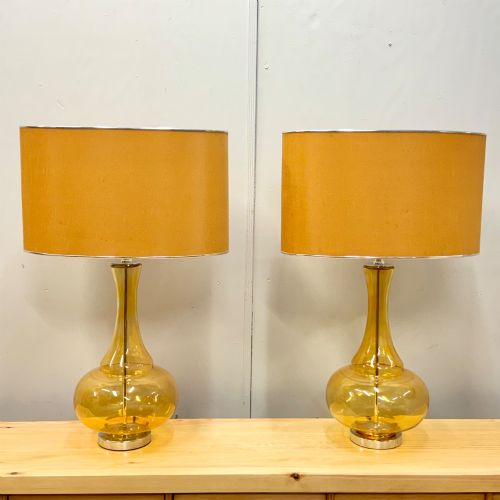
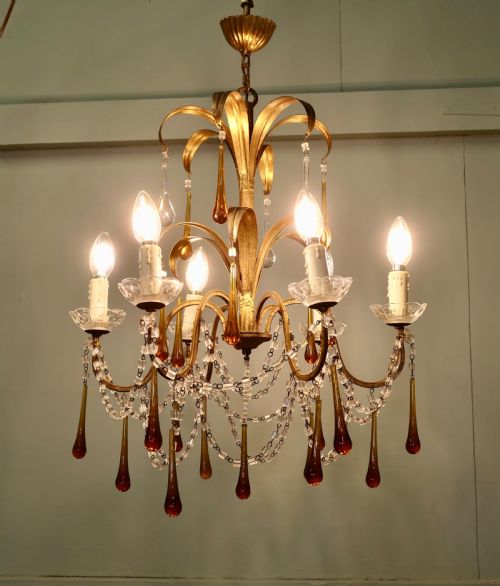
Mid century glass lighting covers a diverse selection of pendants, wall sconces, chandeliers, and table lamps sourced from various eras.
While the phrase directs attention to the middle decades of the twentieth century, the selection includes earlier nineteenth century designs alongside Edwardian and Art Deco examples.
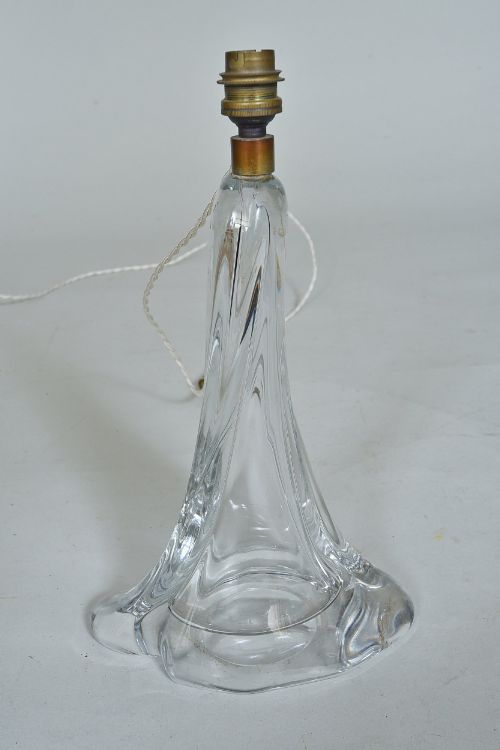
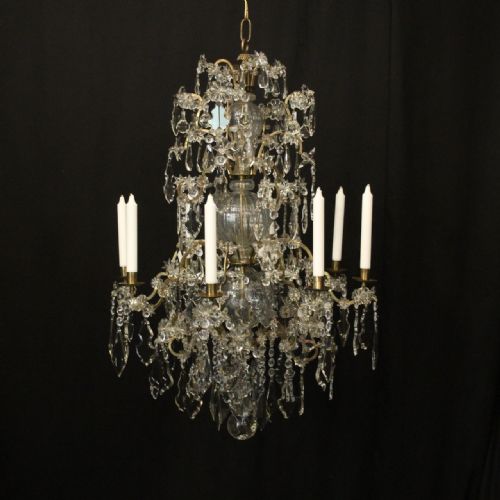
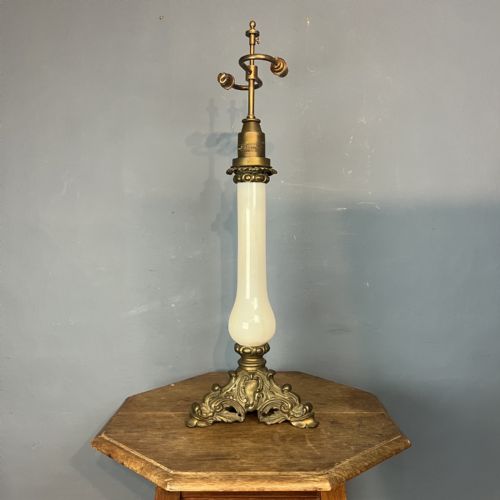
The primary forms take shape as glass pendants, ornate chandeliers hung with crystal, and desk or table lamps combining glass bodies with metal fittings.
What varies in quality
Quality rests upon the weight and clarity of the glass, whether opaline, cut, or coloured, alongside the refinement of the metal mounts in brass or gilt bronze.
Superior pieces display careful integration between the glass body and the structural metalwork, maintaining proportion and balance across chandeliers and lamps.
Mid Century Glass Lighting Retail Price Guide 2026
Typical asking prices for mid century glass lighting among the pieces listed under this phrase on Sellingantiques today, from the lower quarter to the upper quarter. They describe what is for sale here now, not the wider market.
An Italian glass fruit lamp featuring an alabaster campana urn base sits alongside a Victorian purple glass caged pendant.
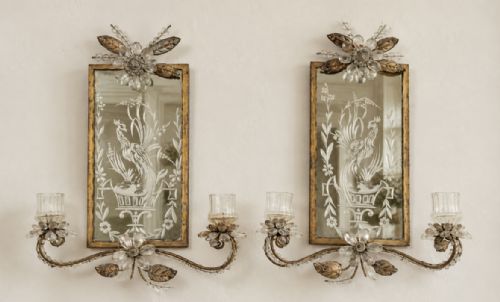
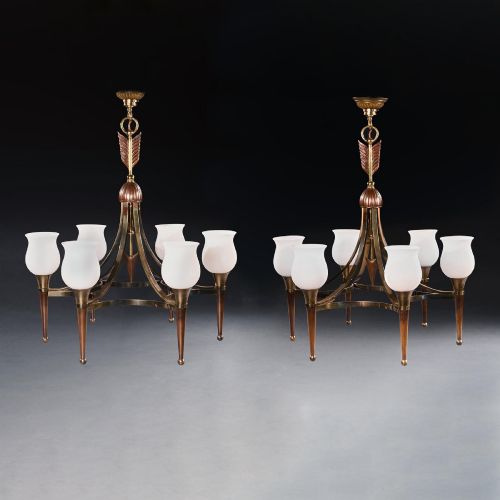
Maison Bagues·Maison Jansen·Andre Arbus
The Mid Century Glass Lighting Glossary
- Opaline glass
- Opaque or translucent glass often utilised for mid century lighting shades to diffuse light evenly. It provides a soft, milky glow.
- Chandelier
- A branched ceiling fixture designed to hold multiple lights. These often incorporate glass drops, crystals, or arms.
- Sconce
- A wall-mounted light fixture. Examples frequently pair metal backplates with glass shades or crystal droplets.
- Pendant light
- A solitary light fixture suspended from the ceiling by a cord, chain, or metal rod. These often feature enclosed glass cages or reeded shades.
- Cut glass
- Glass decorated by grinding facets or patterns into the surface. This technique enhances the refraction of light.
Mid Century Glass Lighting: Frequently Asked Questions
How do I choose the right size chandelier?
Consider the proportions of the room and the height of the ceiling where the fixture will hang. Large multi-light chandeliers suit expansive spaces, while smaller single-light pendants fit more compact areas.
Ensure there is adequate clearance beneath the fixture for foot traffic or furniture placement.
Can these vintage lights be rewired for modern use?
Most antique and vintage light fixtures require rewiring to meet current electrical standards and safety codes. A qualified electrician can easily adapt historical fittings to accept modern bulbs.
Retaining the original metalwork and glass components ensures the aesthetic remains undisturbed during the rewiring process.
How should I clean opaline and cut glass shades?
Use a soft, damp cloth with mild soapy water to remove dust and grime from glass surfaces without scratching them. Avoid harsh chemical cleaners that might damage antique gilt metal or brass components.
Dry the glass thoroughly with a lint-free cloth to restore its clarity and shine.
How do I date a glass table lamp?
Examine the materials, switches, and wiring style, alongside the characteristics of the glass and base. Pieces from the nineteenth century often feature heavy brass or opaline components, while 1930s and 1950s designs lean toward modernist or streamlined profiles.
Maker stamps or patent marks provide definitive clues to the exact period of manufacture.