



Mid Century Game
Mid century game pieces bring historic leisure into modern rooms, combining functional tables with decorative sporting art.
Mid Century Game
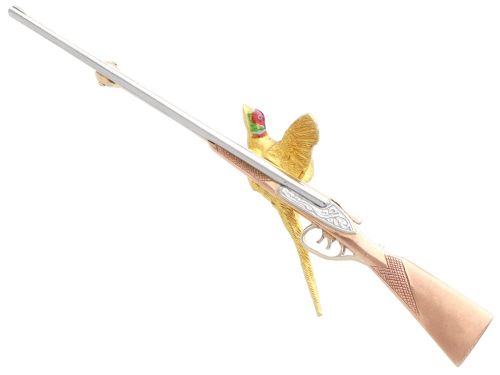
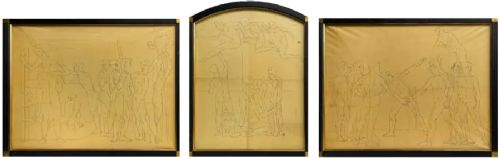
Mid century game selections span foundational card and gaming tables alongside paintings, watercolours, and brooches depicting sporting subjects. Buyers encounter items ranging from Georgian and Victorian fold-over tables to mid-twentieth-century watercolours and still life oil paintings.
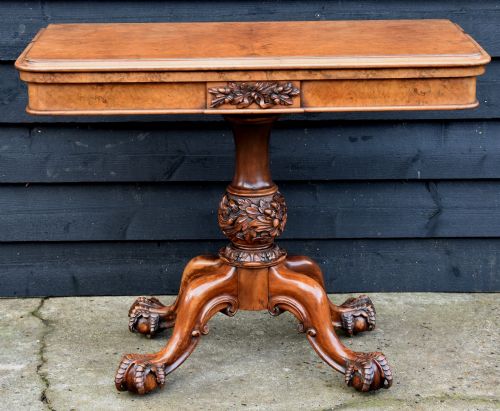
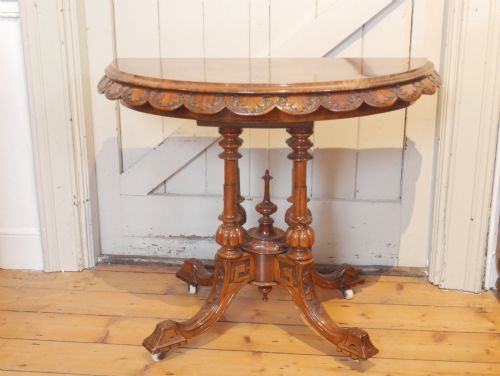
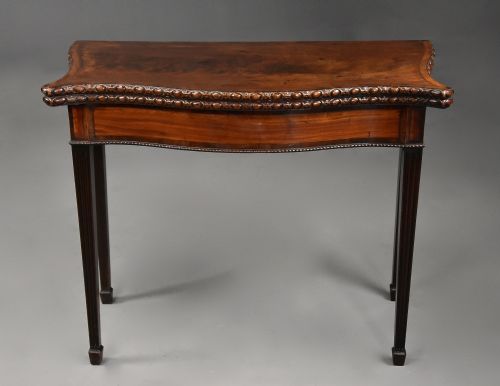
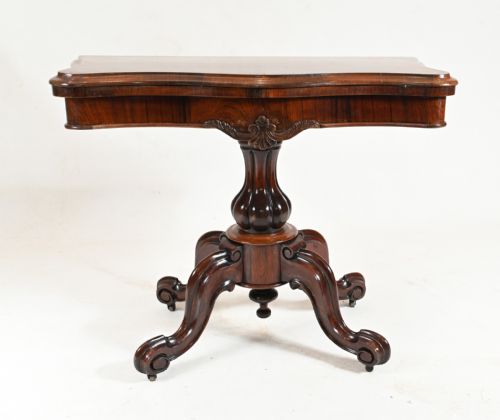
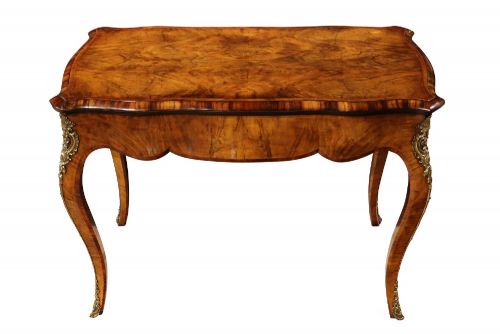
The objects most frequently met on this page are mahogany and burr walnut card tables dating from the eighteenth and nineteenth centuries, alongside twentieth-century artworks featuring game subjects.
Materials and construction
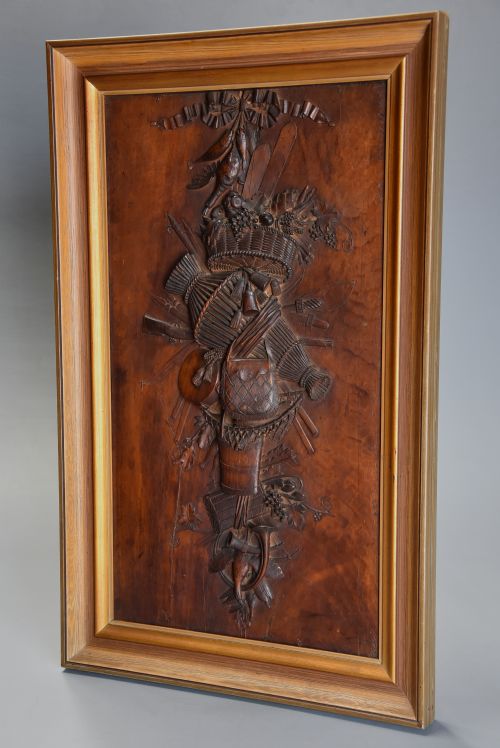
Cabinet makers utilised dense timbers like mahogany, walnut, and burr walnut for folding tables, often incorporating intricate fruitwood carvings or brass fittings. Surfaces reveal traditional joinery designed to support fold-over tops and rotating leaves.
Artworks employ oil paint and watercolour on canvas and paper, while smaller decorative items utilise enamel, silver, and gold alongside carved wood.
Mid Century Game Retail Price Guide 2026
Typical asking prices for mid century game among the pieces listed under this phrase on Sellingantiques today, from the lower quarter to the upper quarter. They describe what is for sale here now, not the wider market.
Listings incorporate items spanning the eighteenth, nineteenth, and twentieth centuries, utilising mahogany, walnut, brass, oil paint, and enamel.
Evaluating quality and execution
Quality rests upon the selection of timber figures, such as burr walnut veneers and solid mahogany grains, coupled with the crispness of carved details. Tables demonstrate superior craftsmanship through balanced hinges, stable folding mechanisms, and preserved original patination.
In paintings and brooches, finesse of brushwork, clarity of enamelling, and precision of metalwork distinguish finer examples from standard decorative items.
James Stroudley·Commander Eric Tufnell·Henri Joseph Pauwels
The Mid Century Game Glossary
- Card Table
- A folding table designed specifically for playing cards, featuring a hinged top that opens to reveal a baize-lined or polished playing surface. These pieces formed an essential part of period entertaining.
- Burr Walnut
- A veneer taken from the burl growth of a walnut tree, prized for its swirling, highly figured grain patterns. Cabinet makers applied it to prominent surfaces like table tops.
- Fold-Over Top
- A hinged tabletop design where the upper leaf swings open and rests upon a pivoting leg or gateleg frame to create a larger surface. This mechanism is standard on eighteenth and nineteenth-century gaming tables.
- Still Life
- A painting or drawing depicting inanimate subject matter, such as game animals or household objects. These works capture texture and form through careful oil or watercolour application.
Mid Century Game: Frequently Asked Questions
How do I use a card table today?
These tables function well as console tables against a wall, opening out when extra surface area is required for dining or board games.
Their folding mechanisms allow them to adapt easily to contemporary rooms without taking up permanent floor space.
Are these tables sturdy enough for regular card games?
Period tables with gateleg supports or pivoting tops remain stable when opened carefully, though older joints benefit from gentle handling.
Avoid placing excessive weight on the folded leaf edges to protect the original hinges.
How do I distinguish between Georgian and Victorian tables?
Georgian tables from the eighteenth century typically exhibit restrained mahogany frames, straight legs, and understated mouldings.
Victorian pieces often display heavier burr walnut veneers, elaborate curves, and more ornate carving styles.
How should I care for timber gaming tables?
Keep wooden surfaces away from direct sunlight and radiators to prevent the timber and veneers from drying out or splitting.
Dust regularly with a dry cloth and apply occasional appropriate wax to maintain the finish.