


Mid Century French Desk
A mid century french desk brings practical elegance to a room, offering refined writing surfaces shaped by decades of continental craftsmanship.
Mid Century French Desk
A mid century french desk encompasses a variety of writing surfaces, writing tables, and secretaires originating from France across multiple centuries. Buyers searching this phrase encounter nineteenth-century revival pieces alongside twentieth-century iterations.
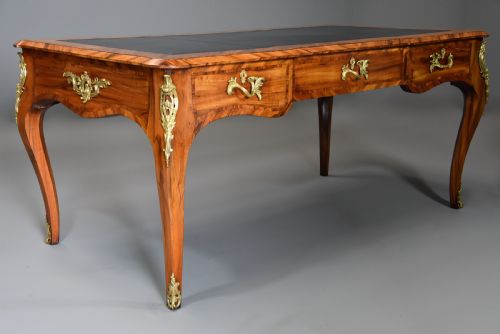
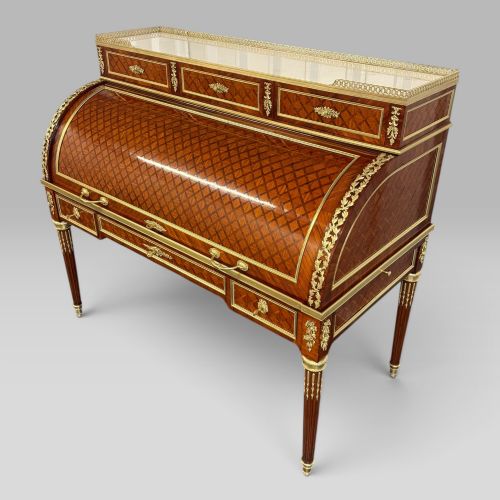
The selection ranges from elaborate cylinder desks with parquetry to simpler writing tables in walnut, kingwood, and oak. Bureau plat forms and smaller writing surfaces dominate the configurations available.
Origins stretch from eighteenth-century designs through mid-century modern interpretations, incorporating styles such as Louis XV, Louis XVI, and Art Deco. Each piece reflects the functional writing needs of its specific decade.
Materials and Construction
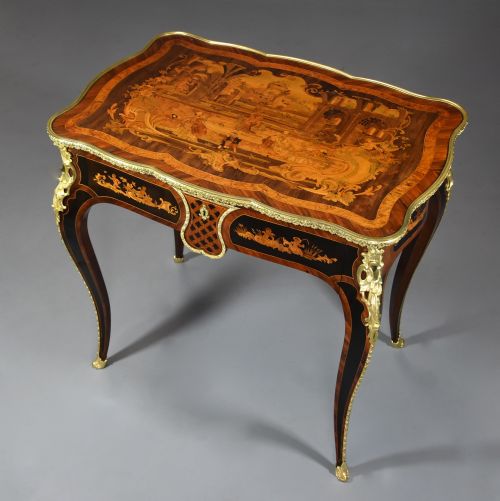
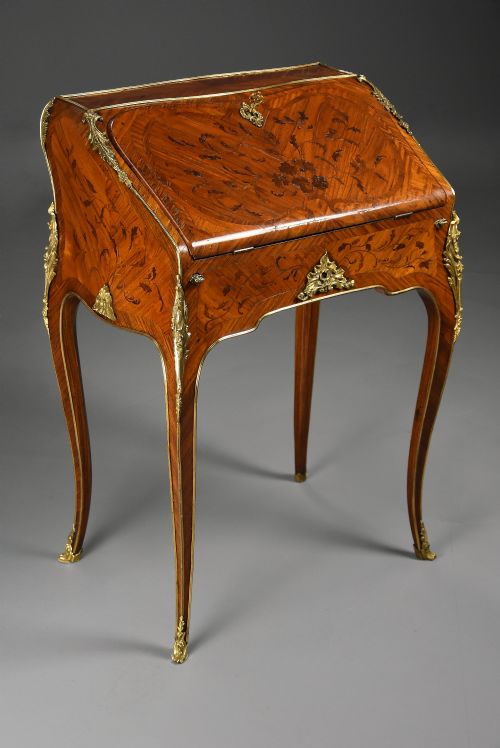
Construction relies heavily on hardwoods like kingwood, walnut, satinwood, and oak, often finished with intricate marquetry and parquetry patterns. Ormolu mounts and gilt bronze details frequently embellish the primary timber structures.
Inlaid brass and leather inserts appear on writing surfaces, complemented by cast bronze and silver-plated accessories where applicable. Joinery utilises traditional techniques suited to the respective nineteenth and twentieth-century periods.
Listings feature pieces spanning the 18th, 19th, and 20th centuries, utilising materials like kingwood, ormolu, walnut, and leather.
Markers of Quality
Quality reveals itself in the precision of the timber inlay, the crispness of the ormolu casting, and the selection of figured veneers such as burr walnut. Superior examples demonstrate harmonious proportions and careful attention to secondary timbers.
The integration of functional elements, including smooth-running drawers and well-fitted leather writing inserts, distinguishes finer workshops from standard production pieces. Original mounts and unified patination further elevate a desk's standing.
Christophe Fratin·Antoine Louis Barye·Étienne Kohlmann·Isidore Jules Bonheur·Maria Pergay
The Mid Century French Desk Glossary
- Bureau plat
- A freestanding writing table with drawers, typically finished on all sides so it can sit in the centre of a room. It originated in France.
- Ormolu
- Gilt bronze mounts used extensively as decorative ornamentation on French furniture during the eighteenth and nineteenth centuries. The technique involves applying a mercury and gold amalgam to cast bronze.
- Parquetry
- Geometric wood inlay patterns assembled from small veneer pieces to form decorative surfaces on tabletops and desk cylinders. It creates textured visual interest through contrasting wood tones.
- Secretaire en pente
- A sloping-lid desk that conceals interior compartments and small drawers when opened. This form gained popularity during the mid-eighteenth century.
- Marquetry
- The art of applying pieces of veneer to a structure to form decorative designs depicting pictorial scenes or floral motifs. It requires precise cutting of various coloured woods.
Mid Century French Desk: Frequently Asked Questions
How do I identify the period of a French desk?
Period identification relies on examining the combination of structural woods, veneer types, and metal mounts. Stylistic markers such as cabriole legs or straight tapered legs align with specific revival eras.
Hardware construction and dovetailing techniques offer additional clues regarding whether a piece dates to the nineteenth century or a mid-century twentieth revival.
What is a bureau plat?
A bureau plat is a rectangular writing table featuring one or more rows of drawers beneath the top. Unlike wall-facing desks, these are finished on all sides for placement in open spaces.
They serve as functional centre tables within studies and living rooms.
Where should I place a mid-century French desk?
These desks suit studies, home offices, and living rooms where a decorative yet functional writing surface is required. Freestanding models look best positioned away from walls to showcase all finished sides.
Pairing them with appropriate seating maintains the historical aesthetic of the room.
How do I care for leather desk inserts?
Leather writing surfaces require gentle dusting with a dry cloth and protection from direct sunlight to prevent fading and drying. Specialised leather balms help maintain suppleness over time.
Avoid using harsh chemical cleaners or excess moisture on both the leather and surrounding wood veneers.