
Mid Century Fine Art
Mid century fine art spans modernist canvases and traditional portraits anchored by twentieth-century brushwork.
Mid Century Fine Art
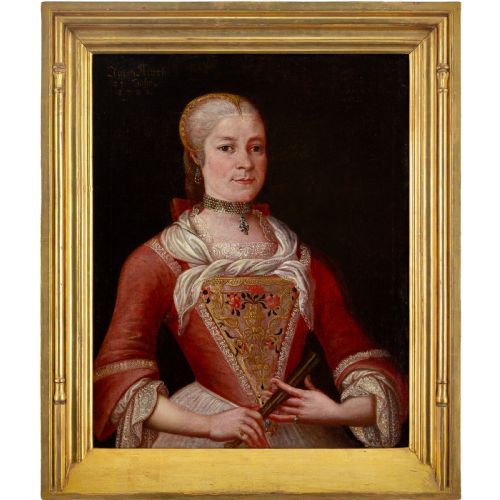
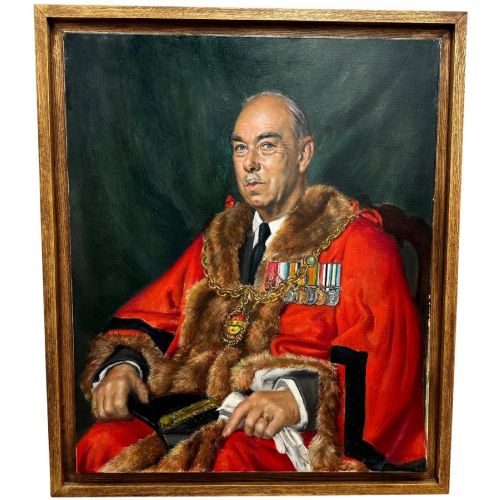
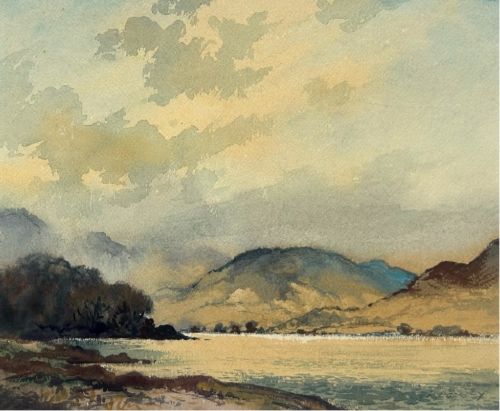
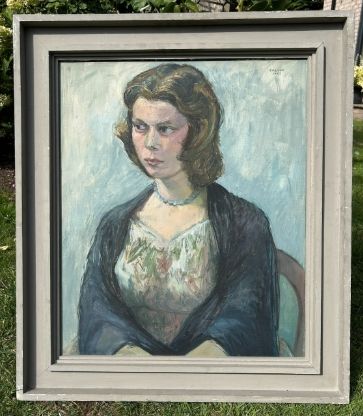
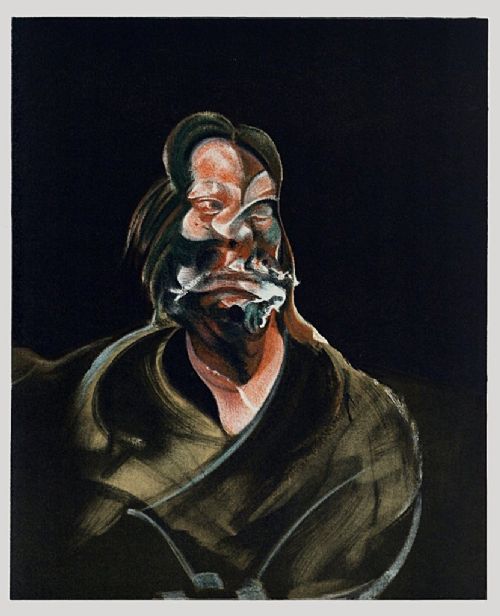
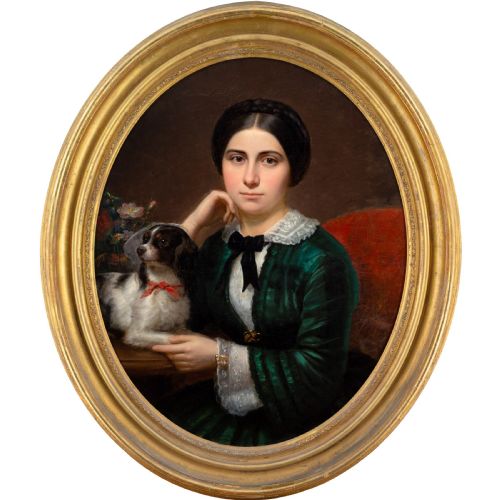
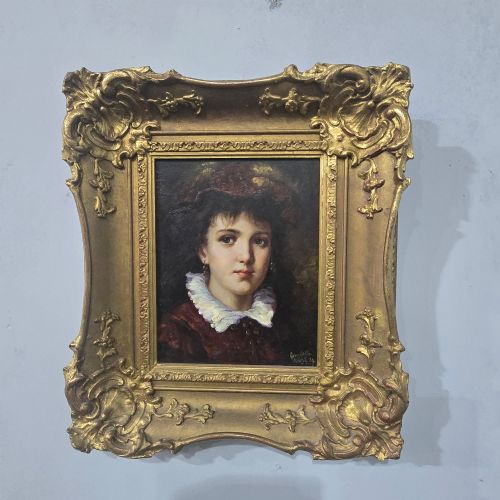
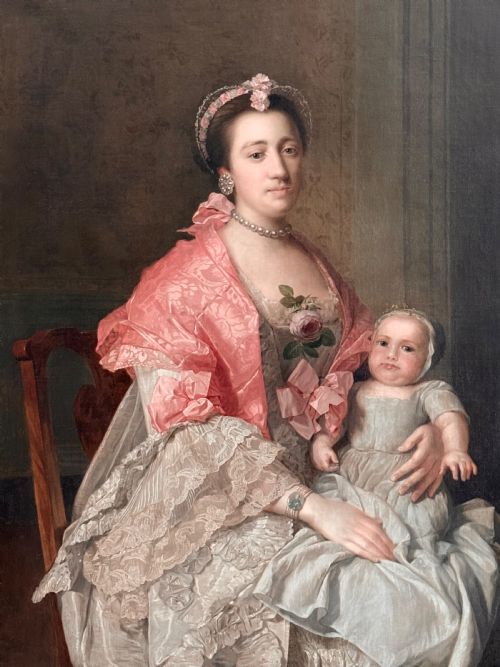
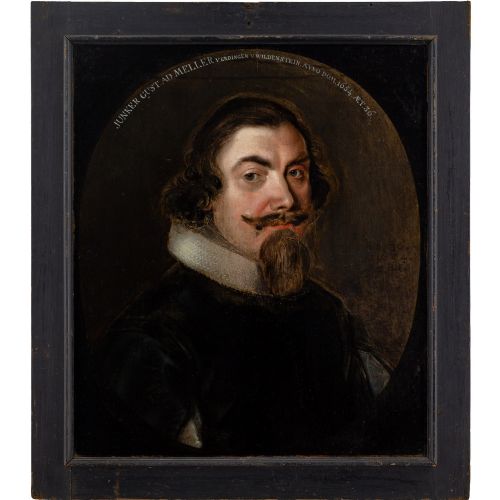
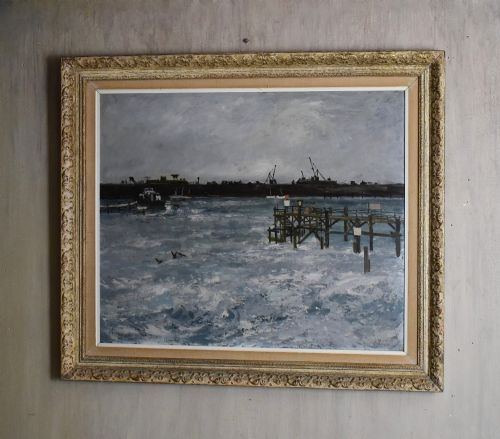
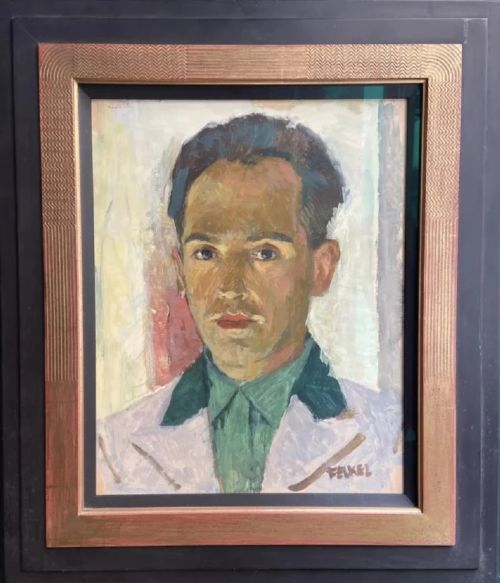
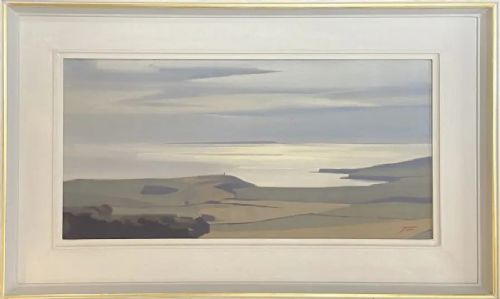
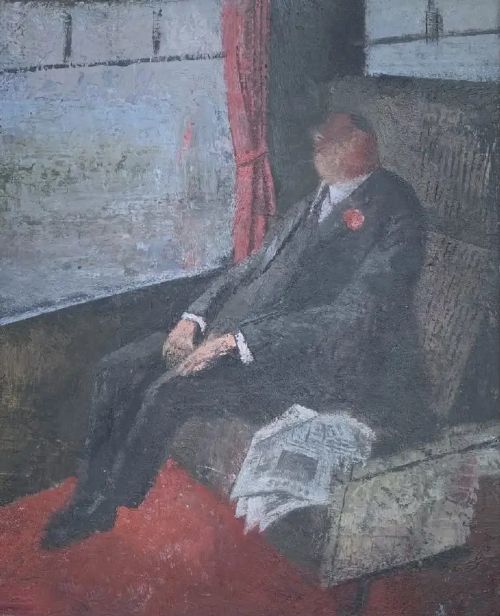
When you search for mid century fine art, you encounter oil paintings, watercolours, and limited edition prints originating primarily from the 1930s through the 1960s. These works range from modernist landscapes and still lifes to traditional figurative studies and portraits created by British and continental painters.
The dominant forms on this page are framed oil paintings on canvas or board, alongside works on paper. Many pieces reflect regional British art movements, including the St Ives school and modern British modernism, alongside European schools from the same decades.
How They Were Made
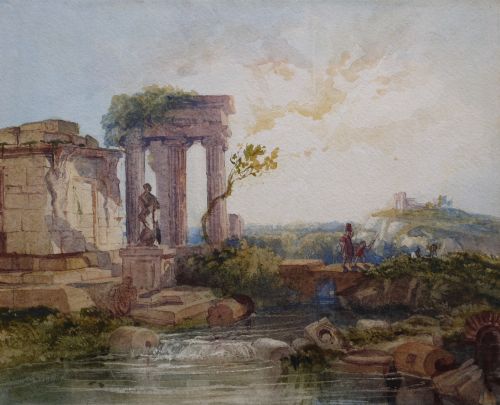
Artists of this period utilised oil paint applied to stretched canvas or wooden boards, frequently housed within wood frames. Watercolour on paper forms another primary medium, capturing fluid compositions with transparent washes.
Printmakers employed lithography and pochoir techniques to produce limited editions on paper, often working closely with contemporary publishers.
Mid Century Fine Art Retail Price Guide 2026
Typical asking prices for mid century fine art among the pieces listed under this phrase on Sellingantiques today, from the lower quarter to the upper quarter. They describe what is for sale here now, not the wider market.
The listings span several centuries, with a strong concentration of pieces dated to the 1950s and 1960s rendered in oil and watercolour.
What Varies in Quality
The distinction between standard works and superior pieces rests upon the surety of the artist's brushwork and the clarity of the composition. Stronger examples display confident handling of medium and light, whereas lesser works reveal hesitant execution.
Provenance and documentation also separate the range, as pieces with established exhibition histories or firm attribution to listed artists command greater attention from collectors.
Bernard Hailstone·Richard Principal Leitch·John R Prentice·Robert Leslie Howey·Kenneth Cozens·Francis Bacon·Peter Brannan·Carl Felkel·James Fry·James Stroudley·Henry Pickering·Philippe de Rougemont·Charles James McCall·Pablo Picasso·Philip Naviasky·Lilian Colbourn·Ronald Ossory Dunlop·Joan Gillchrest·Howard Barron·Denis Mitchell·Barbara Hepworth·Harry Freckleton·Gabriel Dauchot·Philippa Maynard Romer·John Merrifield
The Mid Century Fine Art Glossary
- Oil on canvas
- Pigments bound in drying oil applied to a woven fabric support stretched across a wooden frame. This method allows for rich texture and depth of colour.
- Watercolour
- A painting method in which the paints are made of pigments suspended in a water-based solution. Paper serves as the standard support for these translucent washes.
- Lithography
- A printing process based on the repulsion of oil and water, utilising a flat stone or metal plate. Artists use this technique to create multiple original impressions.
- Pochoir
- A stencil-based printing method used to apply vibrant hand-coloured details to prints. It produces crisp edges and saturated hues common in mid-century portfolios.
- Board
- A rigid wooden or fibrous panel utilised as a painting support instead of stretched canvas. Artists often preferred boards for smaller plein air studies.
Mid Century Fine Art: Frequently Asked Questions
How do I identify a mid century oil painting?
Examine the materials and the stretcher frames on the reverse of the canvas. Mid-century works typically utilise specific canvas weights and framing styles characteristic of the 1930s to 1960s.
Look also at the stylistic cues within the brushwork, which often reflects modernist or regional British art movements of the era rather than strict academic realism.
What is the St Ives school?
The St Ives school refers to a group of artists based in Cornwall who developed significant modernist painting and sculpture practices. Their work often draws inspiration from the rugged coastal landscape.
Pieces associated with this circle frequently combine abstract forms with observed elements of sea and light.
How should I frame vintage art?
Select frames that complement the period of the artwork without overpowering the composition. Simple wooden mouldings often suit mid-century canvases best.
Ensure the framing materials are acid-free, particularly when mounting watercolours or prints on paper, to protect the work from degradation over time.
Are watercolours as durable as oils?
Works on paper require careful protection from direct sunlight and moisture to prevent fading and paper discolouration. Framing behind UV-resistant glass is standard practice.
Oils on canvas or board offer a more robust surface, though they still benefit from stable indoor humidity and gentle handling.