

Mid Century Expressionist Artwork
Mid century expressionist artwork captures the raw emotion and bold brushwork of the mid-twentieth century, offering collectors powerful figurative pieces and dynamic landscapes.
Mid Century Expressionist Artwork
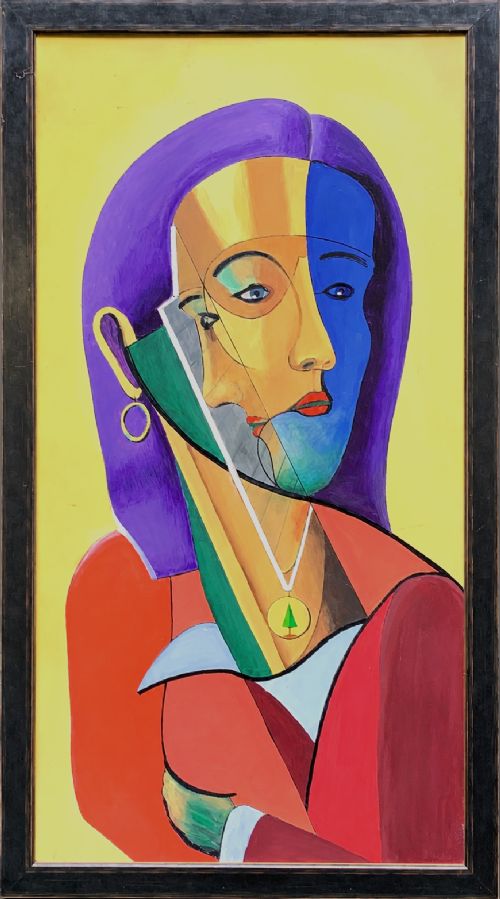
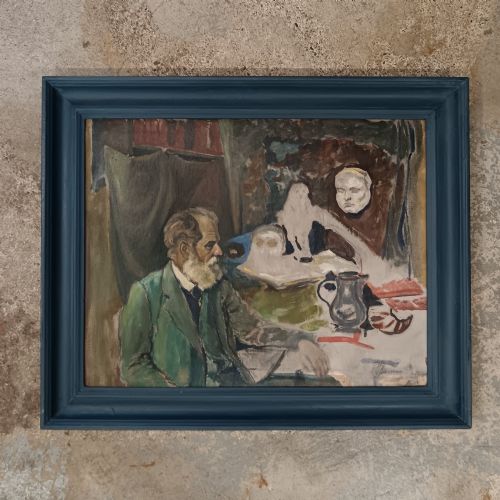
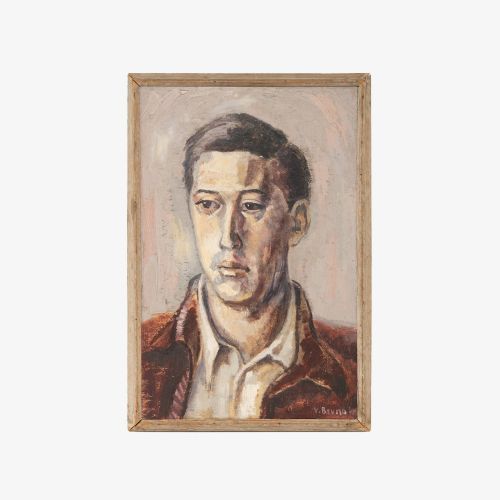
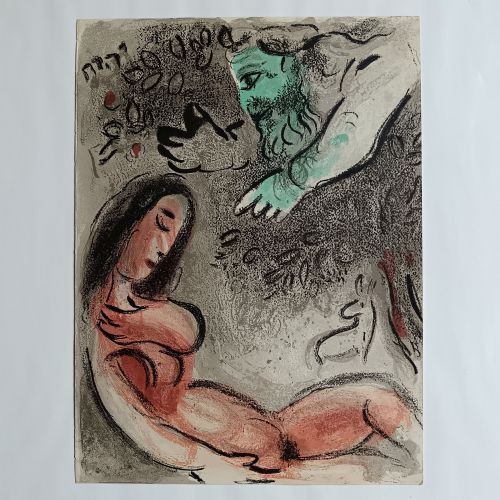
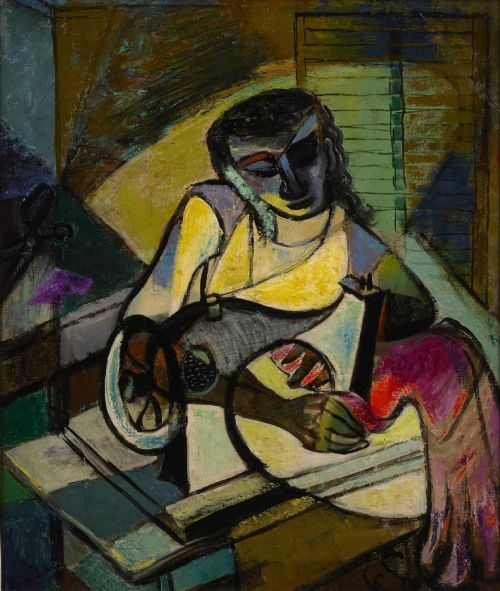
Mid century expressionist artwork encompasses paintings, drawings, and prints created primarily between the nineteen-twenties and nineteen-sixties. These pieces rely on distorted forms and energetic mark-making to convey internal feelings rather than literal visual reality.
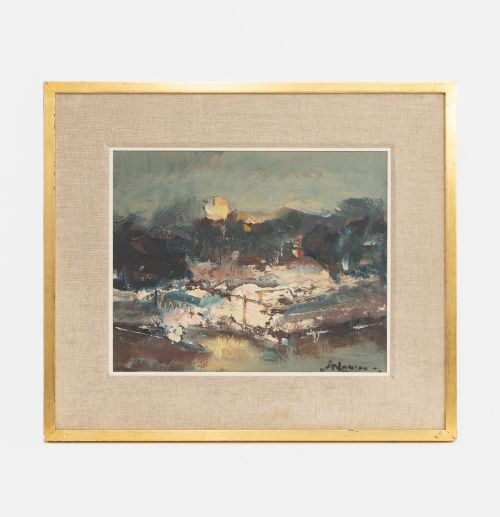
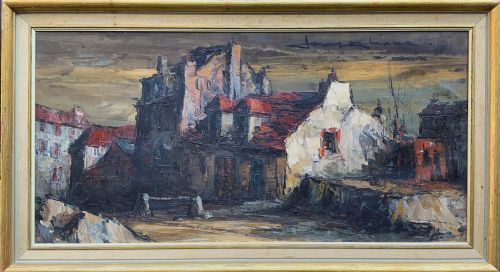
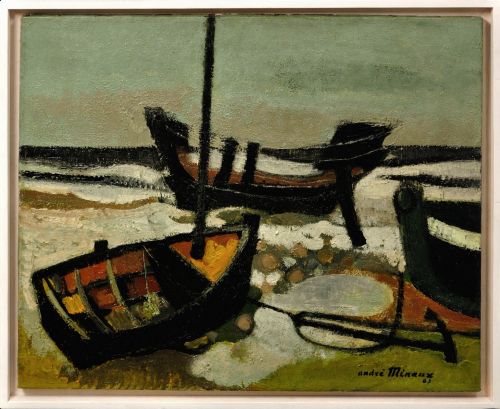
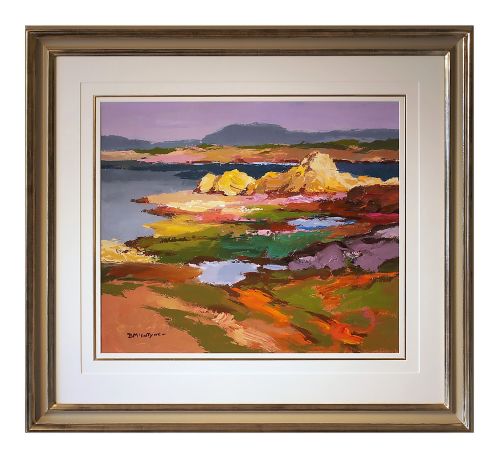
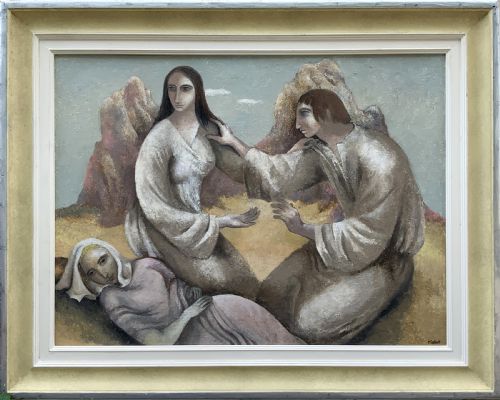
On this page, buyers regularly encounter oil paintings on canvas and board alongside works on paper. Subjects range from expressive portraits and abstracted cityscapes to coastal scenes and intimate figural studies.
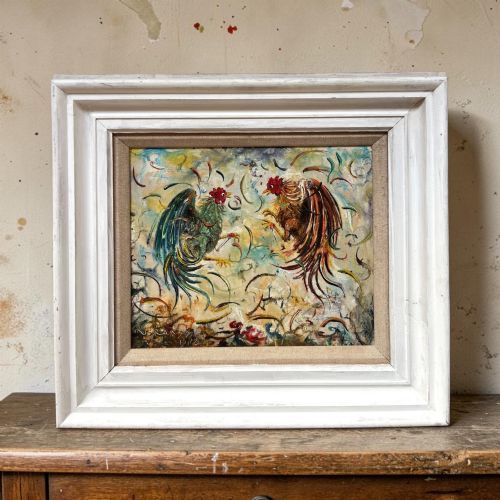
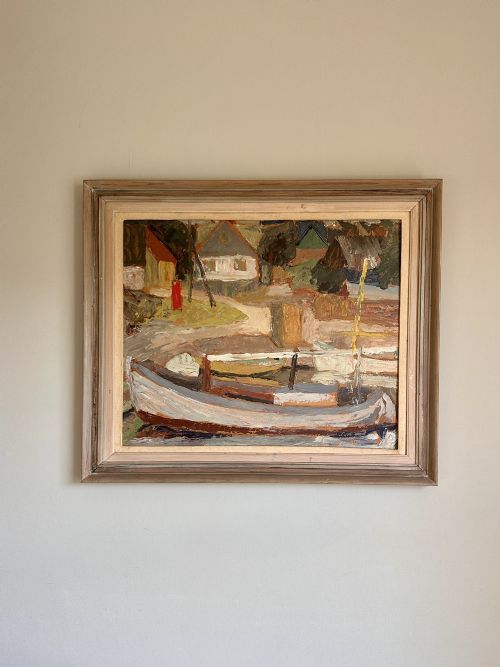
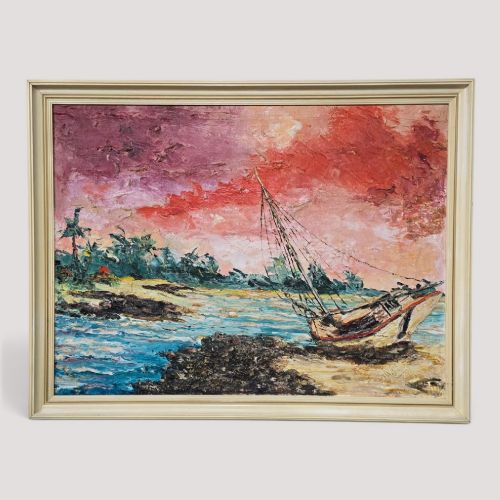
The selection bridges several movements, including French expressionism, modern British art, and mid-century modernism. Many examples utilise thick impasto application to build texture and presence upon the surface.
Materials and technique
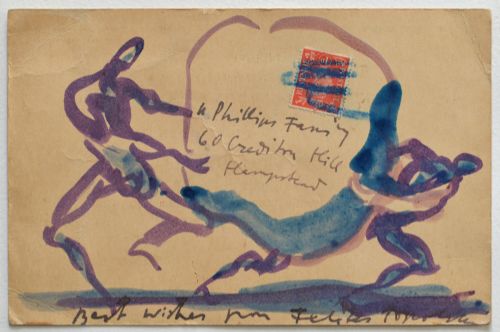
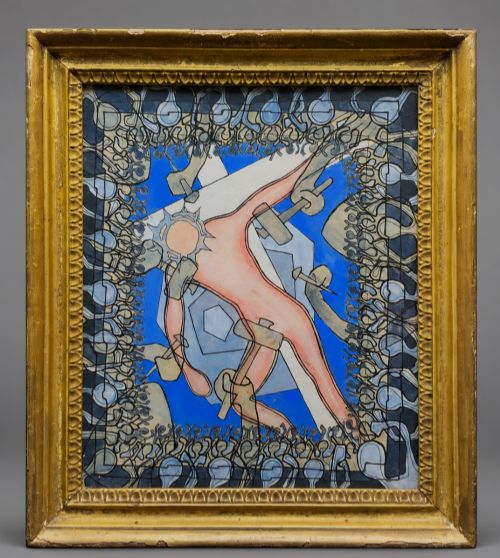
Artists working within this sphere favored oil paint applied to canvas, board, or card, often building heavy impasto ridges with brushes or palette knives. Ink and watercolor on paper also appear frequently for rapid, gestural studies and drawings.
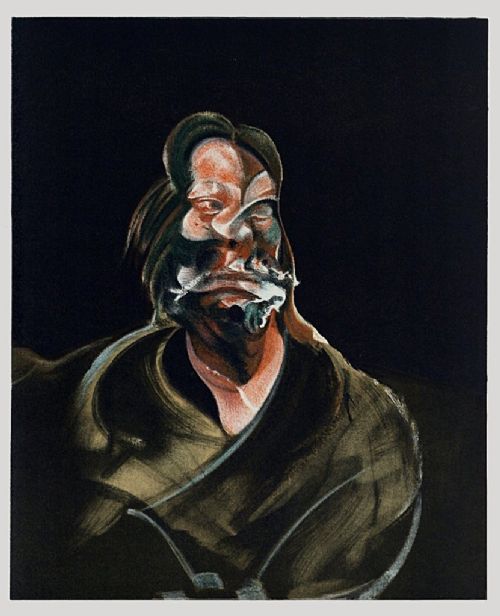
Support materials reflect the working methods of the mid-twentieth century, utilising readily available commercial boards alongside traditional stretched canvases. Lithographs and prints from the era captured painterly qualities through direct graphic translation.
Mid Century Expressionist Artwork Retail Price Guide 2026
Typical asking prices for mid century expressionist artwork among the pieces listed under this phrase on Sellingantiques today, from the lower quarter to the upper quarter. They describe what is for sale here now, not the wider market.
Portraits, townscapes, horse racing scenes, and coastal harbours form the primary subject matters recorded across the selection.
Understanding quality
Quality in these works rests upon the confidence of the mark-making and the emotional resonance of the composition. Stronger pieces demonstrate a purposeful handling of medium where every brushstroke contributes to the structural tension of the image.
The relationship between colour, light, and form distinguishes accomplished works from routine examples. Provenance and exhibition history further elevate pieces by established artists from the period.
Misran D S·Felix Topolski·André Minaux·Jean Corbeau·Joseph Biel·Lena Gurr·Christine Nesbit·Donald McIntyre·Lilian Colbourn·Joan Gillchrest·Tony Giles·Elisabeth Frink·Hazel M Barnett·Gaetan Dumas·Gabriel Dauchot·Baruch Shalom Oskotsky·Hein Hoppmann·Leon Kossoff·Derek Latimer Sayer
The Mid Century Expressionist Artwork Glossary
- Impasto
- Paint applied thickly to a canvas or board, standing out in relief from the plane. This technique adds tactile depth and catches light across the surface.
- Lithograph
- A print made from a flat stone or metal plate on which an image is applied with a greasy substance. Artists utilised this medium for bold, graphic multiple editions.
- Fauve
- A style characterised by strong painterly qualities and vibrant colours over representational values. These landscapes and figures prioritize emotional intensity through hue.
- Provenance
- The chronology of the ownership of a work of art. Documented exhibition history and past collections secure the historical record of a piece.
Mid Century Expressionist Artwork: Frequently Asked Questions
What defines a mid-century expressionist painting?
These works focus on emotional expression through distorted forms, visible brushstrokes, and intense colour choices rather than strict realism.
Artists of this era prioritized internal psychological states over literal representation in their portraits and landscapes.
How should I care for oil paintings on board?
Keep paintings away from direct sunlight and areas subject to extreme humidity or temperature fluctuations to protect the wooden or card support.
Display them in stable indoor environments without pressing against the painted surface.
Are works on paper as durable as canvas?
Works on paper require protective framing behind glass with acid-free mounts to prevent deterioration from light and environmental pollutants.
When housed correctly, drawings and lithographs remain stable for generations.
How do I distinguish impressionism from expressionism here?
Impressionist works in the collection generally capture light and atmosphere through broken colour, while expressionist pieces bend reality to amplify emotional impact.
Brushwork in expressionism is typically heavier and more urgent.