





Mid Century Dressing Table
A mid century dressing table brings clean lines and functional design to a bedroom, offering a dedicated surface for daily grooming routines.
Mid Century Dressing Table
A mid century dressing table typically presents a compact footprint designed for personal grooming and storage, incorporating mirrors, drawers, and matching stools.
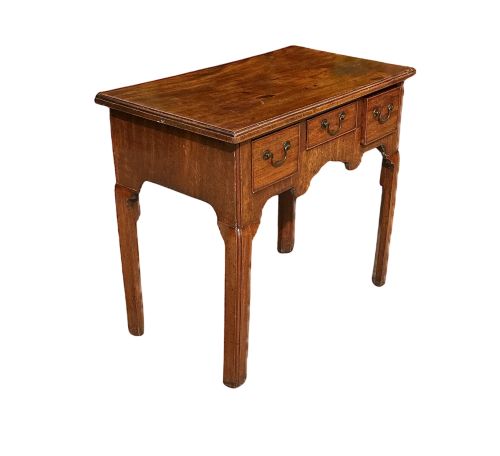
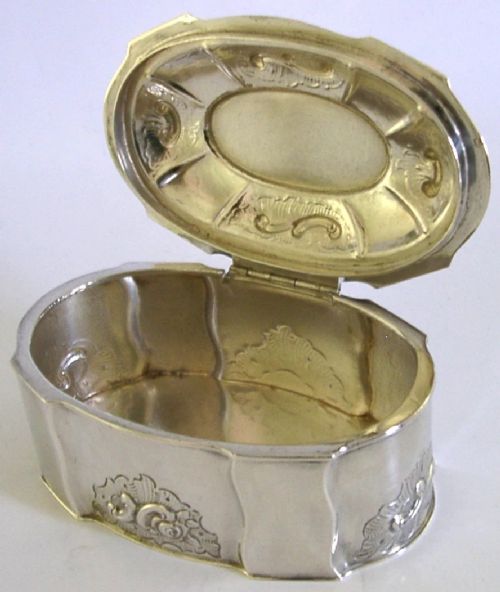
The selection ranges from Danish sterling silver dressing table boxes and Peruvian silver border mirrors to robust mahogany kneehole desks and walnut lowboys from earlier periods.
Buyers seeking this phrase encounter a mix of mid-twentieth-century designs alongside earlier Victorian, Georgian, and eighteenth-century forms that fulfil the same functional role in the bedroom.
How they were made
Construction relies heavily on traditional timber working, utilising solid and veneered mahogany, oak, walnut, and birch shaped into side tables, desks, and mirrors.
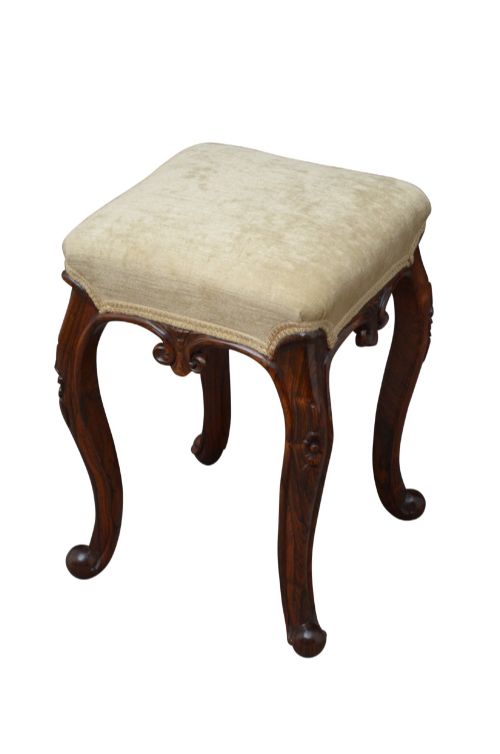
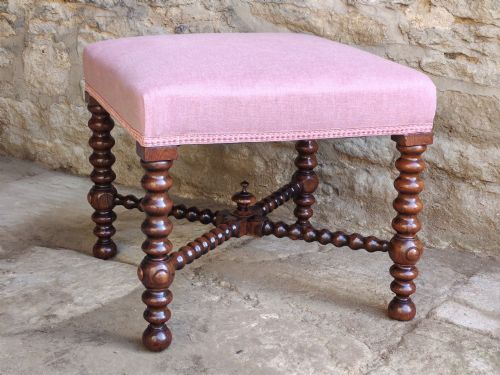
Metal and decorative elements incorporate brass hardware, sterling silver, glass, and fabric upholstery such as velvet and needlepoint for accompanying stools and boxes.
Mid Century Dressing Table Retail Price Guide 2026
Typical asking prices for mid century dressing table among the pieces listed under this phrase on Sellingantiques today, from the lower quarter to the upper quarter. They describe what is for sale here now, not the wider market.
Current listings include pieces spanning from the Georgian and Victorian eras through to mid-twentieth-century designs in oak, mahogany, walnut, and sterling silver.
What varies in quality
Quality rests on the selection of timber veneers and solid woods, where rich grain patterns in mahogany, walnut, and satinwood elevate the appearance of a piece.
Fine craftsmanship shows in the execution of joinery, inlay work, and the original condition of integrated mirrors, silver fittings, and hand-painted surface details.
Cartier London·Mappin & Webb·Jennens & Bettridge
The Mid Century Dressing Table Glossary
- Lowboy
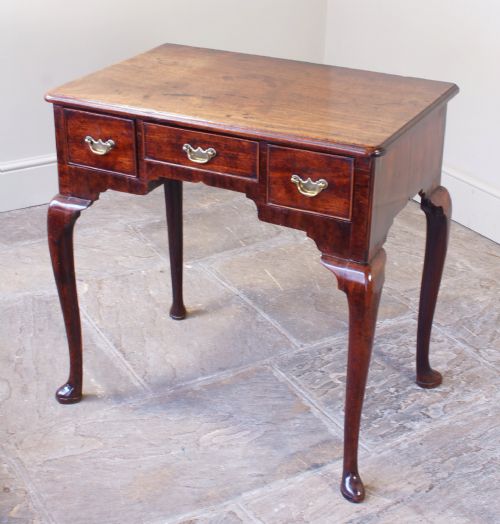
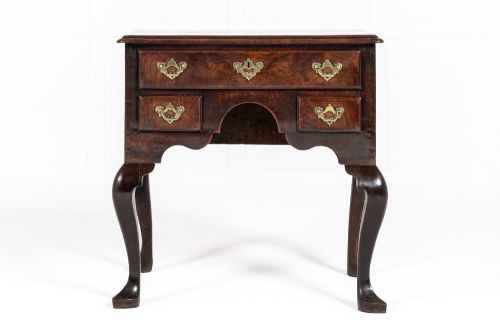
- A small dressing or side table with drawers, typically raised on four tall legs and originating in the eighteenth century.
- Kneehole desk
- A writing or dressing table featuring a central recess for the legs flanked by columns of small drawers.
- Dressing mirror
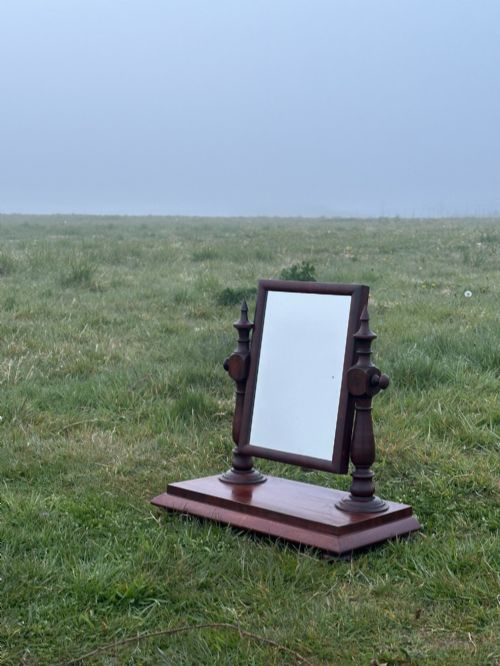
- A swivelling mirror mounted on a small frame or box base, designed to sit atop a chest of drawers or table.
- Guilloche enamel
- A decorative technique involving intricate geometric patterns engraved beneath a translucent enamel layer.
Mid Century Dressing Table: Frequently Asked Questions
What is a mid century dressing table?
A mid century dressing table is a functional bedroom furnishing designed for personal grooming, featuring a flat surface, drawers for storage, and often an attached or matching mirror.
These pieces reflect the minimalist and practical design ethos of their era, often pairing streamlined wooden frames with compact proportions.
How do I use one in a modern bedroom?
A dressing table serves well as a dedicated vanity space for cosmetics and jewellery, or doubles as a compact writing desk in a guest room.
Pair the table with a low stool or chair that fits neatly underneath to save floor space while maintaining a clean aesthetic.
How do I tell different periods apart?
Earlier eighteenth-century pieces often feature cabriole legs, pad feet, and walnut or mahogany veneers, while mid-nineteenth-century examples lean towards robust proportions and heavy turning.
Mid-twentieth-century designs discard ornate carving in favour of sleek, unadorned surfaces and lighter construction materials.
What materials should I look for?
Common materials include hardwoods such as mahogany, oak, and walnut, frequently accented with brass handles, glass trays, and fabric-upholstered stools.
Specialist items may incorporate sterling silver mountings, guilloche enamel, or delicate marquetry inlay work.