
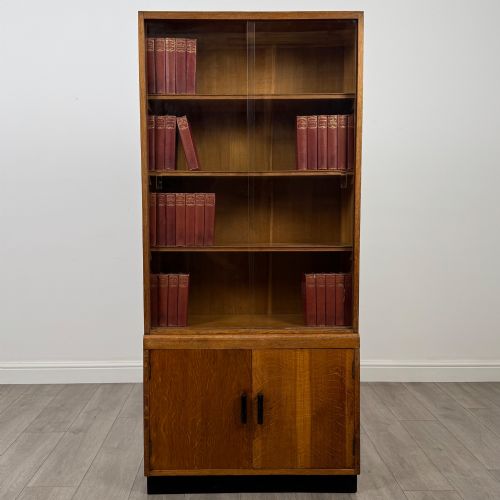
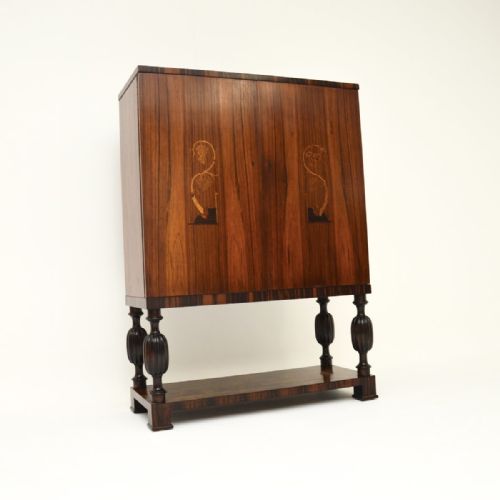
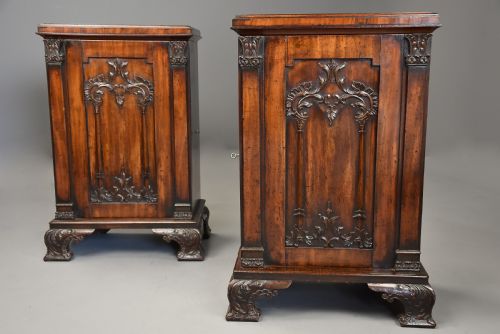
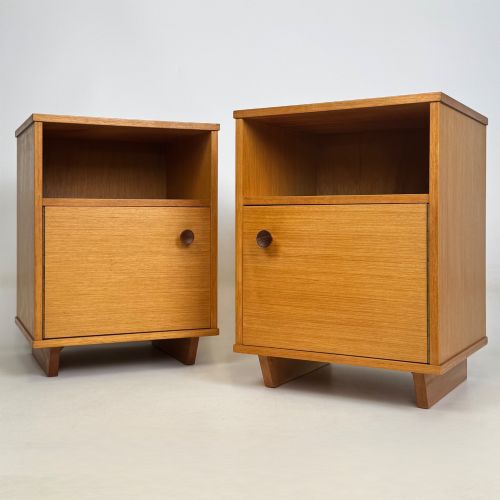
Mid Century Cupboard
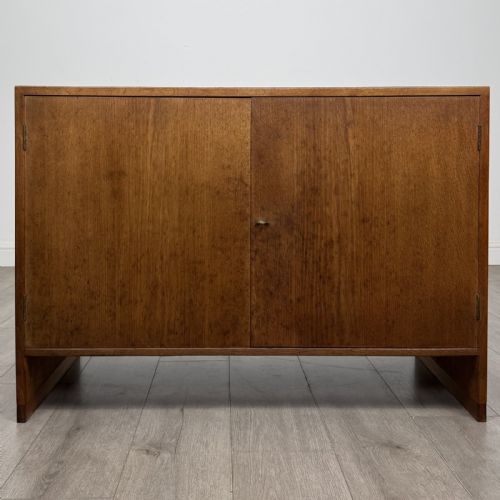
A mid century cupboard brings functional storage into a room through solid timber construction and honest joinery.
Mid Century Cupboard
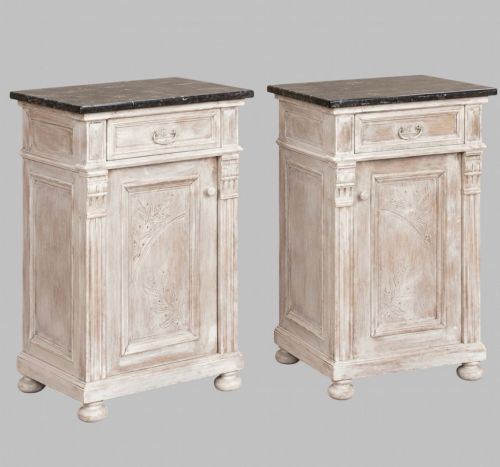
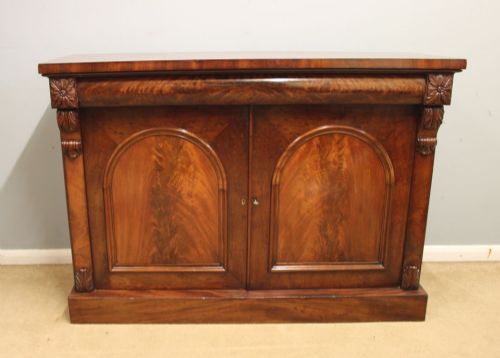
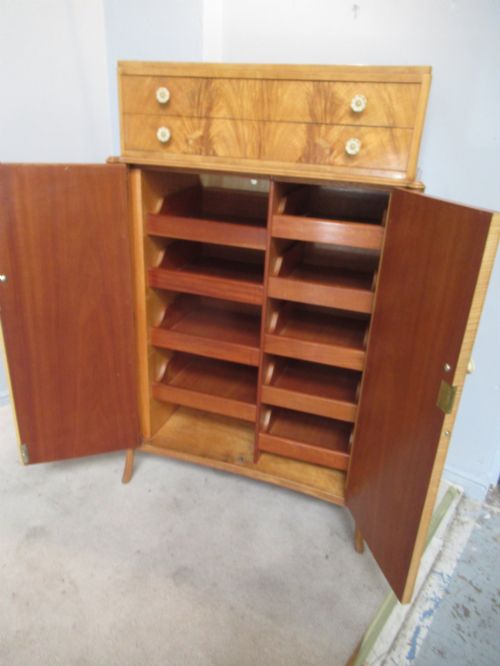
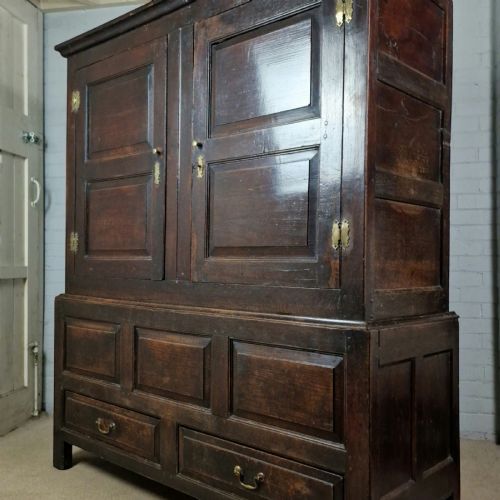
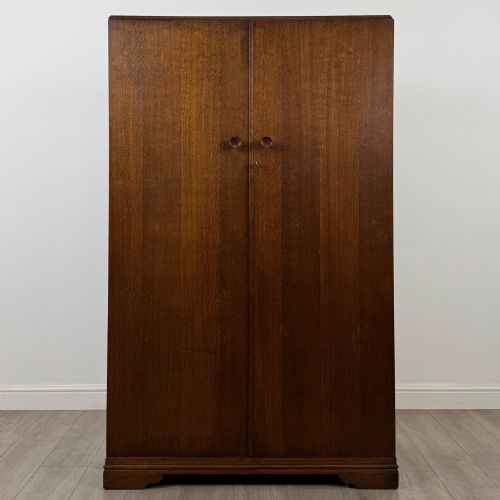
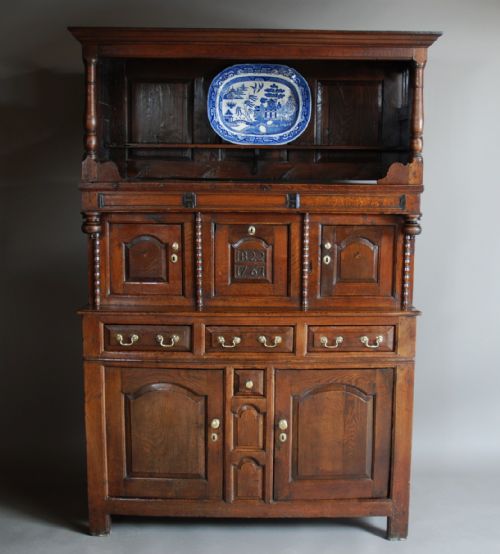
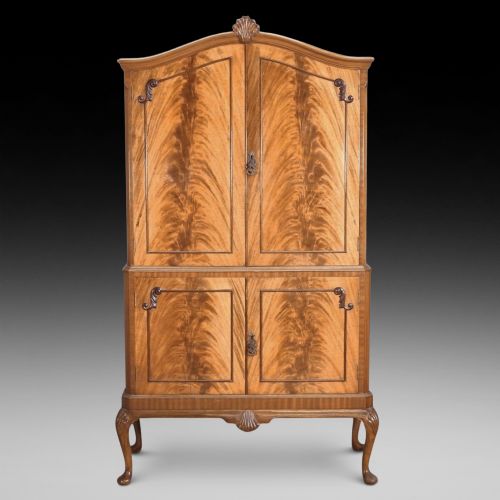
A mid century cupboard encompasses various storage furniture forms from different periods, including Georgian oak spice cupboards, Edwardian oak fitted wardrobes, and 1930s rosewood cabinets. Buyers searching for a mid century cupboard will encounter pieces ranging from tall oak press cupboards to compact bedside cabinets and sideboards.
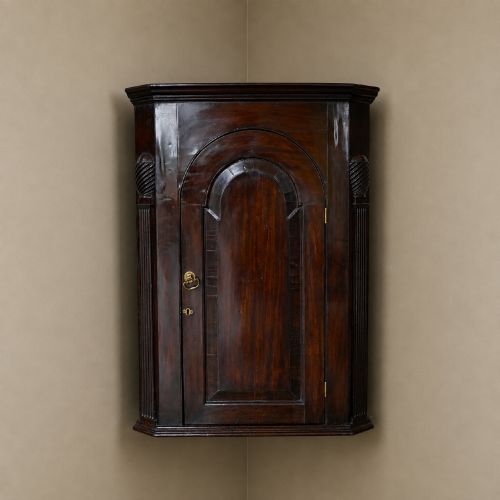
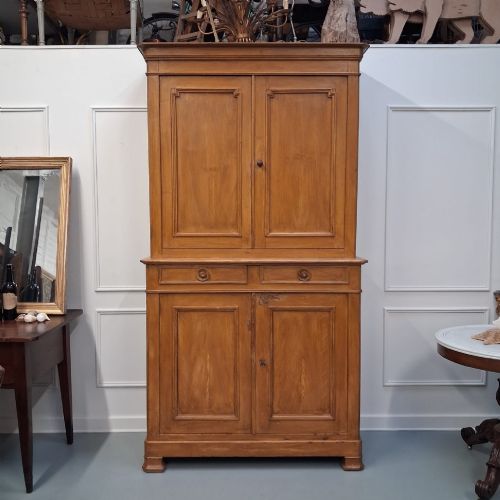
The selection reflects diverse origins and materials, spanning from 18th-century mahogany hanging corner cupboards to French painted housekeepers cupboards and Swedish birch buffets. These items serve practical domestic storage roles while displaying the distinct proportions and construction methods of their respective eras.
How they were made
Cabinet makers utilised dense hardwoods like mahogany, oak, walnut, and rosewood, often pairing them with secondary softwoods such as pine. Surfaces frequently display natural grain patterns or painted finishes, occasionally enhanced with brass hardware or inlaid details.
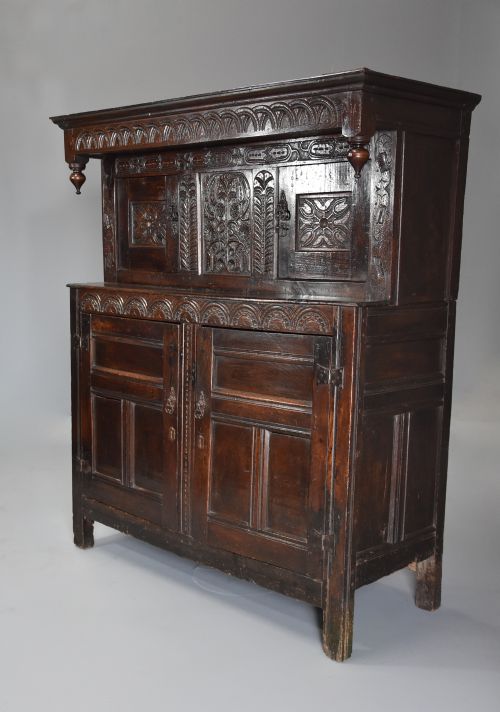
Construction relies on traditional joinery methods suited to each period, from hand-carved 17th-century oak framing to later veneering techniques on bureau and cabinet bodies. Tambour fronts, glazed doors, and panelled construction demonstrate the mechanical dexterity applied to these storage pieces.
What varies in quality
Quality rests upon the selection of timber and the preservation of original surfaces, such as untouched patinas on 18th-century oak or neatly matched flame mahogany veneers. Pieces displaying careful timber selection and harmonious proportions show superior craftsmanship.
The integrity of the construction and the subtlety of decorative details, whether carved oak panels or fine brass mounts, distinguish finer examples from standard utility pieces.
Crown Furniture·Japy Frères·Druce & Co
The Mid Century Cupboard Glossary
- Press cupboard
- A large storage furniture piece used primarily for linen and clothing, typically featuring upper and lower sections enclosed by doors.
- Chiffonier
- A low sideboard or cabinet developed in the 19th century, frequently equipped with shelves or a raised back gallery.
- Tambour
- A flexible shutter formed of narrow strips of wood glued to canvas, allowing doors to slide smoothly around curved cabinet corners.
- Garniture
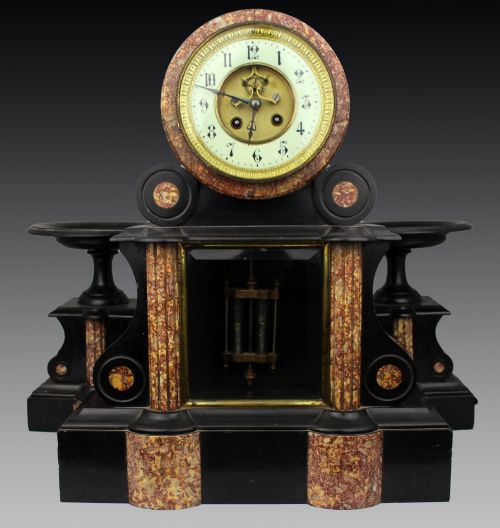
- A set of ornamental objects designed to be displayed together on a mantelpiece or cabinet top, often comprising clocks and urns.
- Pedestal cabinet
- A compact, single-door cupboard supported by a plinth base, commonly positioned beside a bed or desk.
Mid Century Cupboard: Frequently Asked Questions
What is a mid century cupboard?
A mid century cupboard is a storage piece originating from various historical eras, encompassing everything from 18th-century Georgian oak spice cupboards to 1930s rosewood cabinets. These items provide enclosed shelving or hanging space while reflecting the design aesthetics of their period of manufacture.
Buyers select these cabinets for domestic utility and traditional craftsmanship, finding forms that range from corner wall units to large housekeeping cupboards.
How were these cupboards used?
These pieces served practical storage functions in domestic interiors, holding items such as textiles, tableware, spices, and clothing. Larger furniture pieces managed household stores, whereas smaller bedside cabinets kept personal items close at hand.
Over time, many of these functional storage items transitioned into decorative display furniture within living spaces and dining rooms.
How do I live with a wooden cabinet?
Integrating an antique cupboard into a modern interior involves placing the piece away from direct heat sources and strong sunlight to protect timber and veneers. Maintaining stable indoor humidity prevents wood from drying out or splitting.
Regular dusting with a dry cloth keeps the surface clean while preserving the natural finish and patina developed over centuries.
How do I tell different periods apart?
Distinguishing periods relies on observing construction techniques, wood choices, and decorative motifs. Earlier 17th and 18th-century pieces often feature solid oak with hand-carved details, while 19th-century examples frequently showcase mahogany, rosewood, and walnut veneers.
Proportions, hardware styles, and joinery methods also guide identification between Georgian, Victorian, and later 20th-century items.