

Mid Century Centre Table
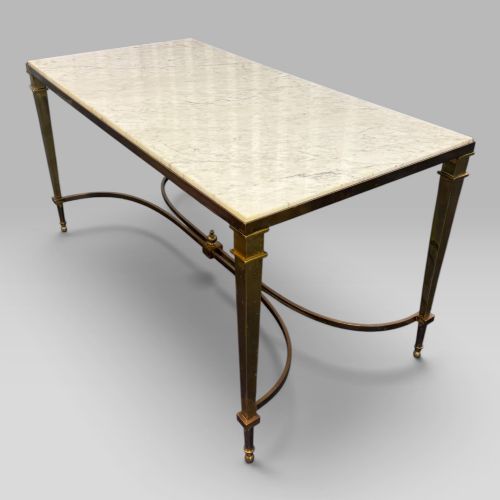
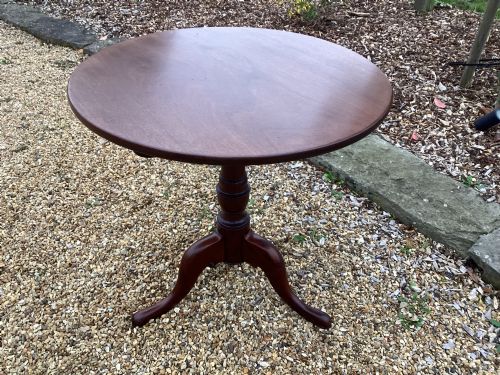
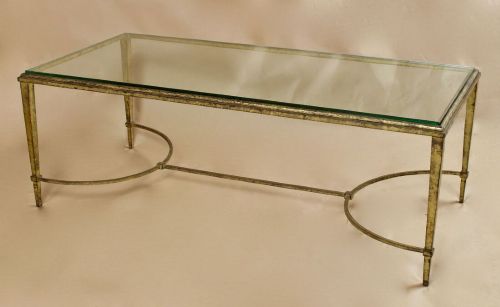
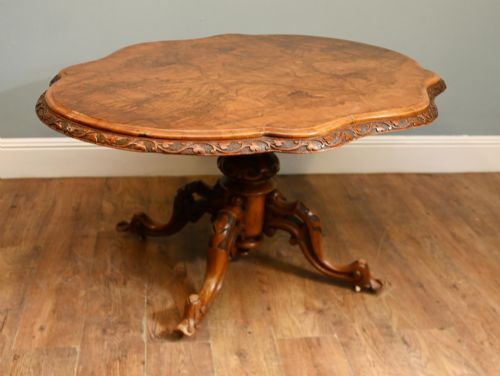
Mid century centre table designs offer freestanding versatility, bringing character to the middle of a room through rich timbers and detailed marquetry.
Mid Century Centre Table
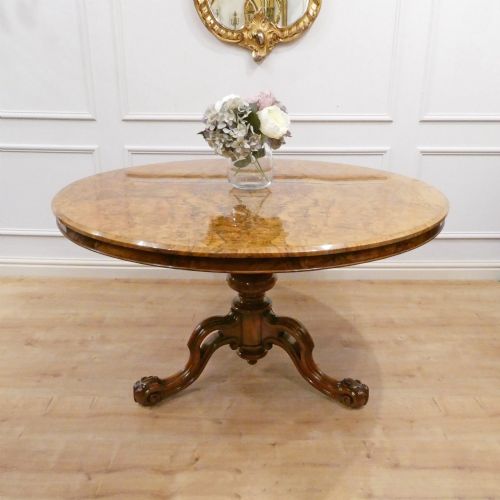
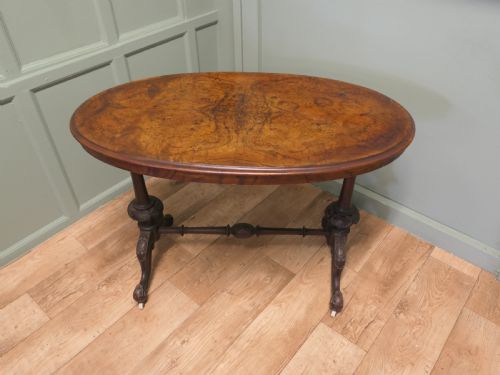
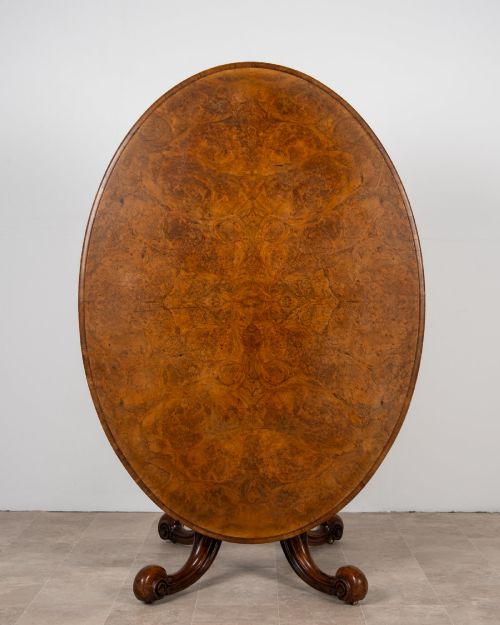
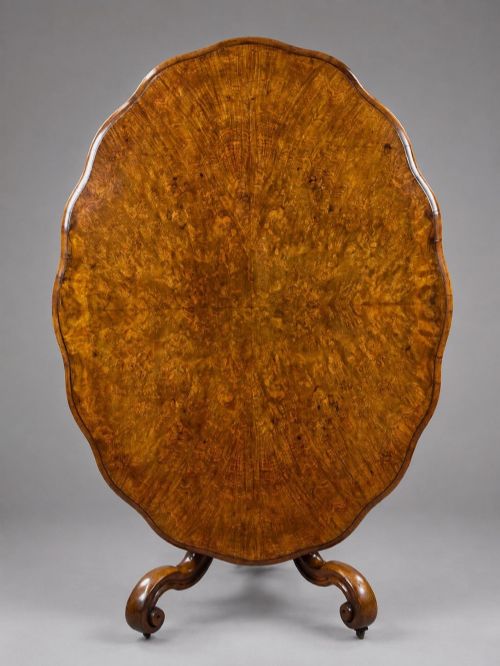
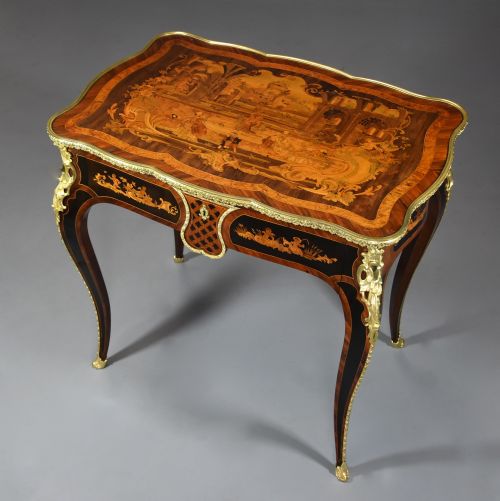
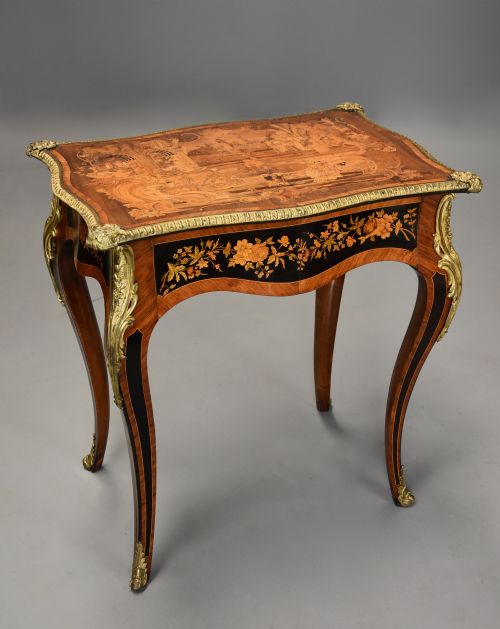
A mid century centre table serves as a freestanding focal point designed to sit centrally within a room rather than against a wall. The pieces found here span robust Victorian burr walnut loo tables, intricately inlaid French kingwood occasional tables, and later oak coffee tables from the nineteen forties.
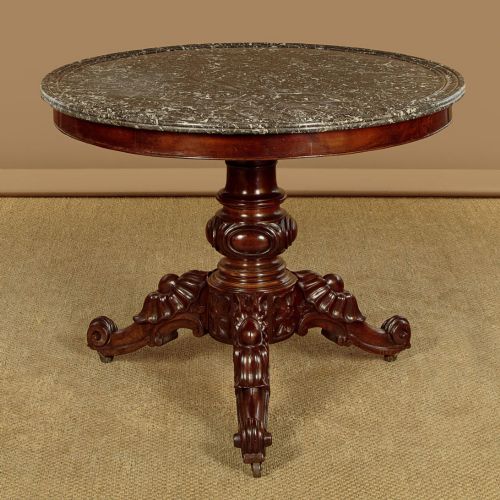
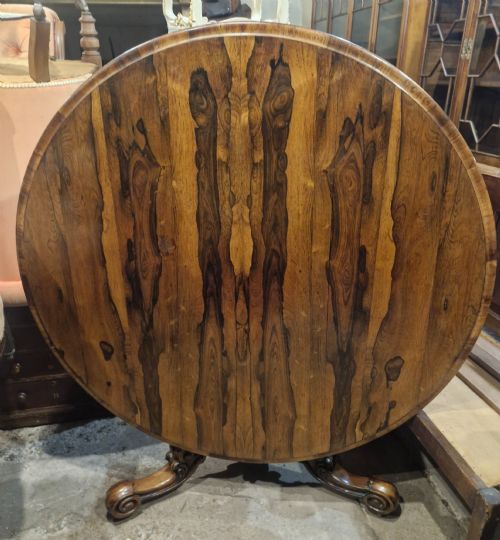
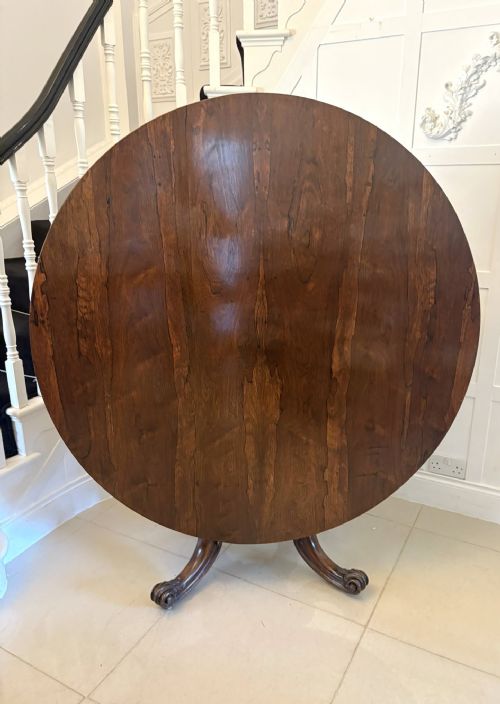
Buyers seeking a mid century centre table will frequently encounter nineteenth-century walnut and rosewood iterations alongside marble top examples and occasional tables equipped with writing slopes. These forms reflect a heritage of craftsmanship that prioritized both decorative presence and practical utility in the principal rooms of a house.
How they were made
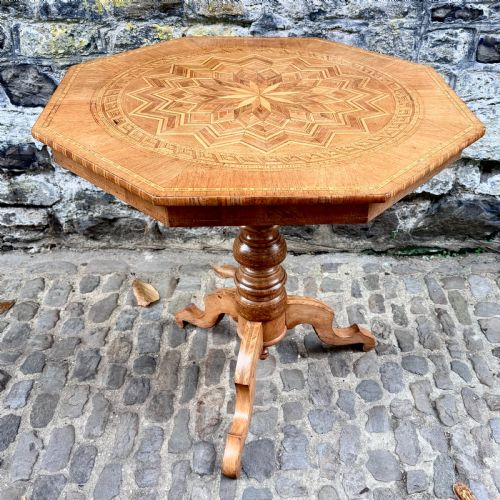
Cabinet makers utilised dense hardwoods such as mahogany, rosewood, and walnut, frequently applying burr veneers to achieve highly figured, decorative surfaces on the tops. Marquetry inlay, brass mounts, and giltwood details were integrated by workshops to elevate the visual refinement of the piece.
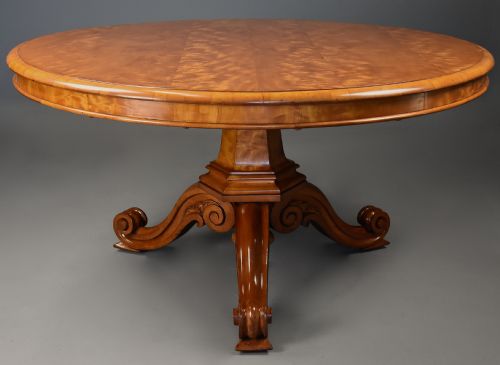
Construction techniques balanced structural stability with aesthetic ambition, employing tilt-top mechanisms on breakfast tables and robust central pedestals or carved wrought iron frames to support substantial timber and marble surfaces.
Mid Century Centre Table Retail Price Guide 2026
Typical asking prices for mid century centre table among the pieces listed under this phrase on Sellingantiques today, from the lower quarter to the upper quarter. They describe what is for sale here now, not the wider market.
Some nineteenth-century tables tilt entirely vertical, proving our ancestors appreciated clever folding furniture long before modern micro-apartments existed.
What varies in quality
The distinction between standard examples and exhibition quality pieces lies in the precision of the marquetry, the complexity of the timber figuring, and the crispness of any carved ornamentation. Superior pieces demonstrate exceptional control in their veneering and joinery, whereas simpler items rely solely on the natural grain of the wood.
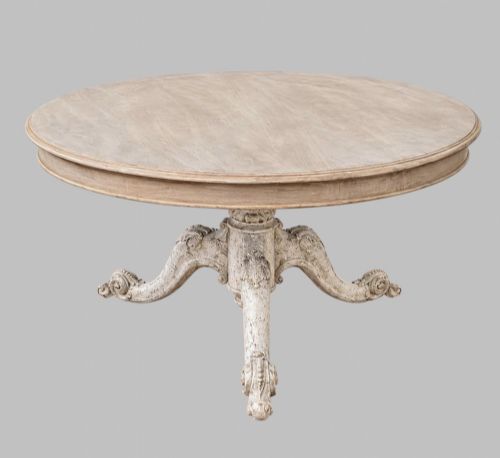
Proportion and material selection further divide the range, with finer works incorporating scarce timbers like kingwood, satinwood, and amboyna paired with marble or finely cast brass mounts rather than simpler painted oak or wrought iron.
James Winter & Sons·Jackson & Graham·Maison Ramsay
The Mid Century Centre Table Glossary
- Loo table
- A large nineteenth-century round or oval table, often featuring a tilt-top mechanism, originally used for the card game loo. These pieces typically rest on a central pillar supported by carved tripod feet.
- Marquetry
- The art of applying decorative pieces of veneer to a structure to form intricate pictorial or geometric designs. Craftsmen utilised various coloured woods to create contrast without paint.
- Kingwood
- A dense, richly figured timber native to Brazil, prized for its dark violet-brown colouring and golden streaks. It was frequently utilised in high-status French-style occasional tables.
- Burr walnut
- Timber taken from the abnormal growth of a walnut tree, yielding swirling, highly decorative grain patterns. Cabinet makers prized this wood for tabletops where visual impact was paramount.
Mid Century Centre Table: Frequently Asked Questions
What is a centre table used for?
A centre table stands away from walls to provide a decorative and practical surface in the middle of a room, functioning variously for dining, writing, or displaying objects.
Historically, these tables held lamps, books, or flowers, anchoring large reception rooms and drawing spaces by breaking up open floor plans.
How do I identify a Victorian centre table?
Victorian examples typically feature dark timbers like walnut, rosewood, or mahogany, often built with substantial pedestals and oval or circular tops.
Many incorporate tilt-top mechanisms or intricate burr veneer patterns, reflecting the formal entertaining habits of the nineteenth century.
Where should I place a centre table?
These pieces require adequate surrounding space to allow movement and visibility from all angles, making them ideal for entrance halls or spacious living rooms.
Because they are finished on all sides, they look best when positioned where natural light highlights the wood grain and marquetry.
What is the difference between a loo table and a centre table?
A loo table is a specific type of centre table featuring a tilting mechanism designed to save space when not in use during card games.
While all loo tables function as centre tables, many centre tables have fixed tops and serve general display or writing purposes.