
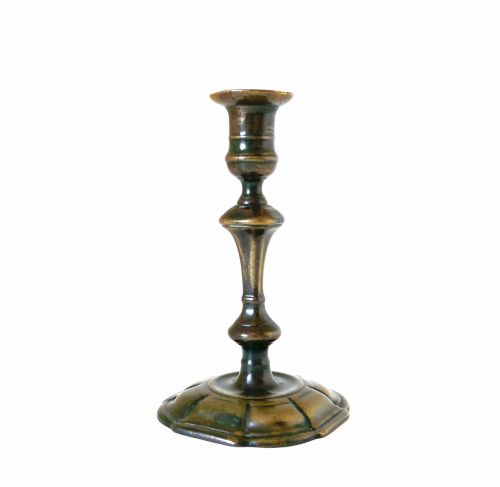


Mid Century Candlesticks
These mid century candlesticks range from utilitarian brass lighting to modernist silver designs, offering functional forms that anchor a room.
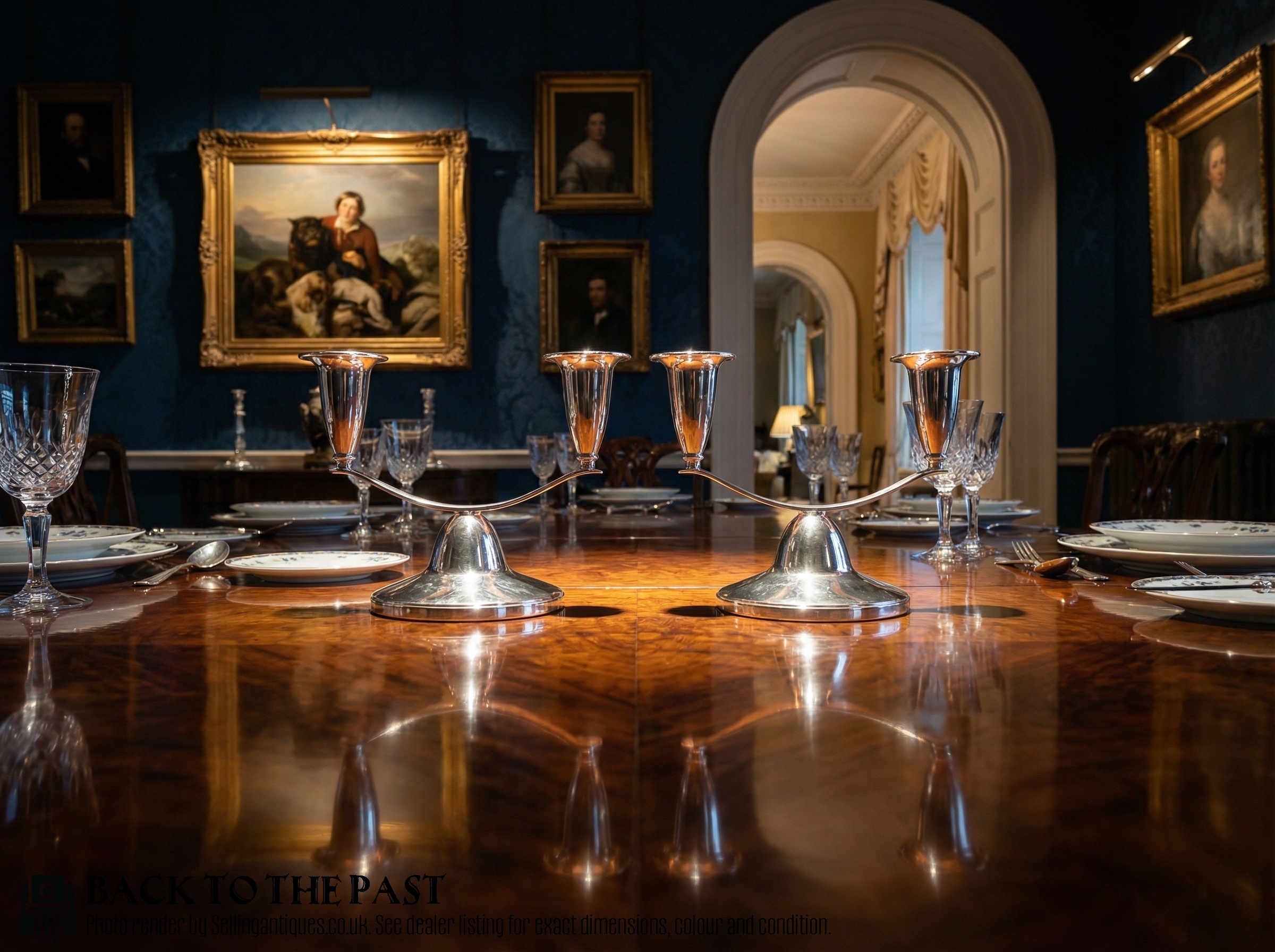
Mid Century Candlesticks
Mid century candlesticks encompass a broad span of lighting equipment, though shoppers will frequently encounter mid-twentieth-century silver and modernist pieces alongside earlier brass and bronze examples.
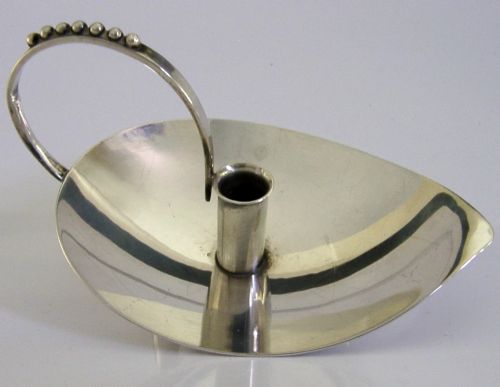
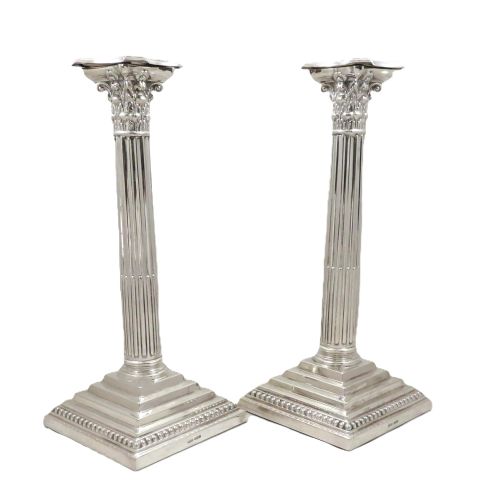
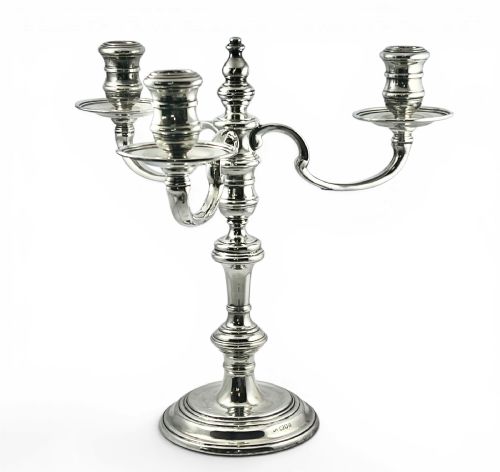
The selection includes tall church standards, chambersticks with handle pans, multi-branch candelabras, and pairs configured for dining tables or mantelpieces.
Origins stretch from English workshops and continental European foundries to Scandinavian studios, utilising materials that span solid metals to cut glass.
How they were made
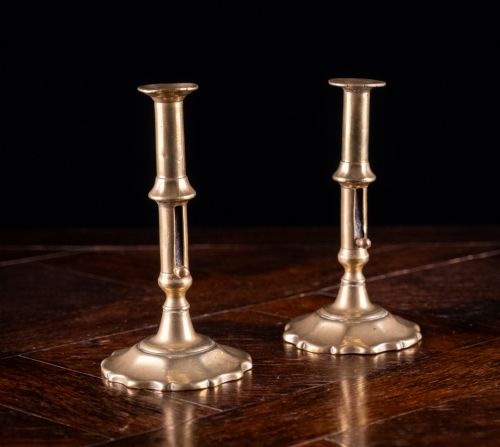
Metalworking dominates production, utilising cast brass, seamed sheet brass, forged iron, and heavy bronze shaped through turning and casting techniques.
Silversmiths constructed sterling pieces using traditional hammering, spinning, and soldering methods, often applying hallmarks to record assay offices and dates.
Gilding and patination treatments added surface colour, while glass examples relied on heavy cutting and polishing to refract light.
Stork candlesticks in bronze and ormolu bring avian architecture directly to the dining table.
What varies in quality
Construction weight and balance separate standard items from superior pieces, particularly in the thickness of cast metal stems and the stability of weighted bases.
Casting crispness dictates the definition in decorative motifs, where sharp foliate or neoclassical details outperform soft, worn surfaces.
Completeness of matching pairs and original components, such as detachable nozzles or coordinated sconces, elevates the piece.
GEOFFREY BELLAM·Liberty & Co.·ELKINGTON AND COMPANY
The Mid Century Candlesticks Glossary
- Chamberstick
- A low candlestick fitted with a pan and a side handle for carrying through a house. These portable items often include a small conical snuffer resting in the tray.
- Ejector
- A concealed internal mechanism found in brass candlesticks that pushes the spent candle stump upward for removal. This clever engineering aids cleaning.
- Paktong
- A copper-nickel-zinc alloy originating from China, valued for its bright silver-like appearance and used in eighteenth-century lighting. It mimics sterling silver without the weight.
- Sconce
- The socket at the top of a candlestick that holds the base of the candle. It supports the wax taper upright.
- Baluster
- A moulded column shape featuring a swollen lower section tapering toward the top. This profile appears frequently in eighteenth-century stems.
Mid Century Candlesticks: Frequently Asked Questions
How do I clean tarnished brass candlesticks?
Apply a mild, non-abrasive metal cleaner with a soft cloth to lift surface oxidation without scrubbing away the historic patina. Rinse with warm water and dry thoroughly to prevent spotting.
Avoid harsh dips or wire wool, which strip the aged character from eighteenth-century and nineteenth-century metalwork.
How can I tell seamed brass from cast brass?
Seamed brass candlesticks display vertical joint lines where sheet metal was rolled and soldered together during fabrication. Cast brass pieces show a seamless, heavier structure formed in a mould.
Both methods indicate distinct manufacturing eras and workshop traditions.
What is the purpose of the ring on a chamberstick?
The side ring serves as a handle for carrying the lit candle through dark corridors safely without dripping hot wax onto fingers. Many retain a small extinguisher cone nestled beside the socket.
This domestic form dates back centuries before household electric lighting.