



Mid Century Brass Stand
These mid century brass stand examples bring together utilitarian metalwork and decorative display across a span of centuries.
Mid Century Brass Stand
A mid century brass stand covers a diverse group of domestic furnishings designed to hold items, light rooms, or display decorative objects. When you search this phrase, you encounter everything from floor lamps and candlesticks to side tables, etageres, and magazine racks.
The objects listed span periods from the eighteenth century through to the mid-twentieth century, embracing styles such as Georgian, Victorian, Hollywood Regency, and Mid-Century Modern. Brass dominates the construction, frequently paired with glass, wood, porcelain, and marble.
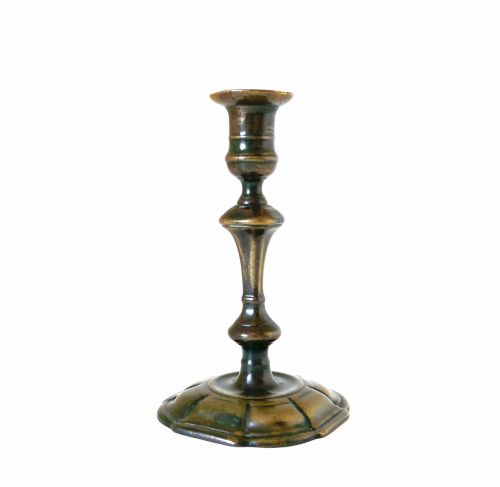
You are most likely to meet candlesticks, display stands, and floor lamps among the current selection, reflecting the practical domestic lighting and display needs of past interiors. Forms range from simple seamed brass candlesticks to multi-tiered glass and brass display pieces.
Evaluating Quality in Metal and Wood
Quality rests upon the crispness of casting, the integrity of joints in mixed-media pieces, and the retention of original surface patination. Heavier metal gauge and precise assembly separate standard utility pieces from finer decorative works.
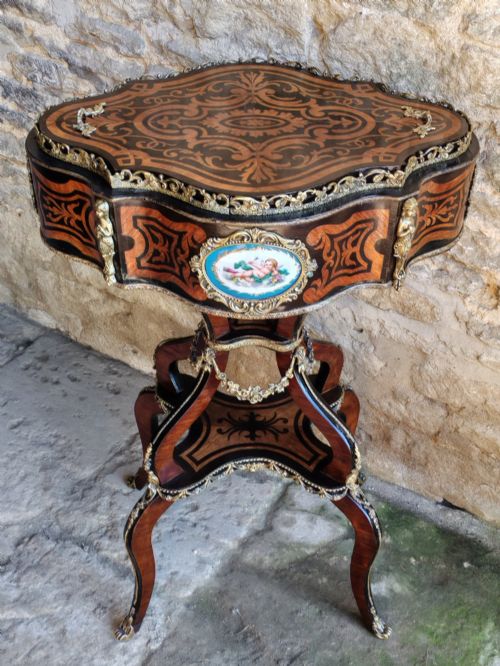
The integration of secondary materials like verde marble, Sevres style panels, and tortoiseshell dictates the refinement of the piece. Masterful proportions and restraint in ornamentation signal the upper tier of design within each historical style.
Materials range widely from humble paper mache and toleware to luxurious rosewood, ormolu, and verde marble.
Windmills and Wightman·Rene Mathieu·Maison Jansen
The Mid Century Brass Stand Glossary
- Ejetor candlestick
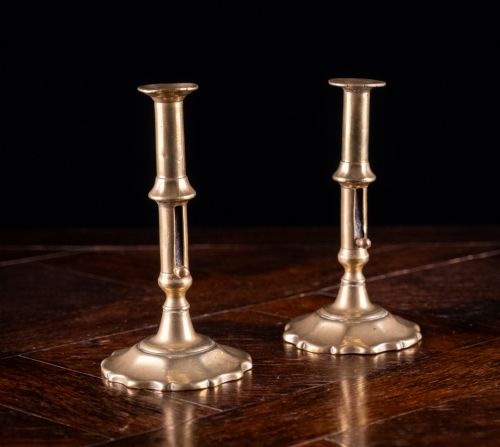
- A brass candlestick featuring an internal mechanism to push out the remaining stub of a candle. This clever device became common in the eighteenth century.
- Etagere
- A set of open shelves for displaying small objects or ornaments. These pieces often feature brass mounts and tiered glass or wooden platforms.
- Ormolu
- Gilt bronze ornamentation applied to furniture and clocks. The technique involves coating metal in a finely ground gold mercury amalgam.
- Jardiniere
- An ornamental pot or stand for holding plants or flowers. They appear frequently in brass, ceramic, or porcelain during the nineteenth century.
- Tassel
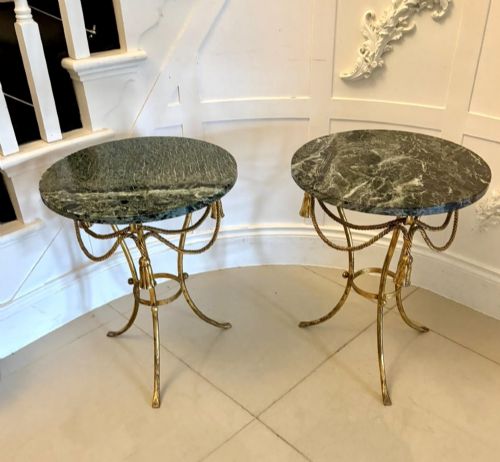
- A decorative tuft of threads suspended from a pendant cord. They adorn the gilt metal and marble side tables recorded in the evidence.
Mid Century Brass Stand: Frequently Asked Questions
How were these stands used historically?
These objects served practical daily functions in period homes, from holding tallow candles for illumination to supporting writing desks, clocks, and indoor plants. Floor lamps and standard lamps provided ambient light, while etageres and display tiers showcased porcelain and ornaments.
Magazine racks and umbrella stands kept communal spaces tidy, reflecting the specific organizational habits of Victorian and twentieth-century households.
How do I date a brass stand?
Dating relies on identifying manufacturing techniques, such as seamed construction on eighteenth-century candlesticks versus the extruded tubing or modern wiring of twentieth-century lamps. Stylistic clues like Georgian proportions, Victorian French revival mounts, or Mid-Century Modern simplicity provide further temporal markers.
Materials also offer evidence, as burr walnut, coromandel, and tortoiseshell align closely with specific nineteenth-century revival aesthetics.
Where should I place a brass stand?
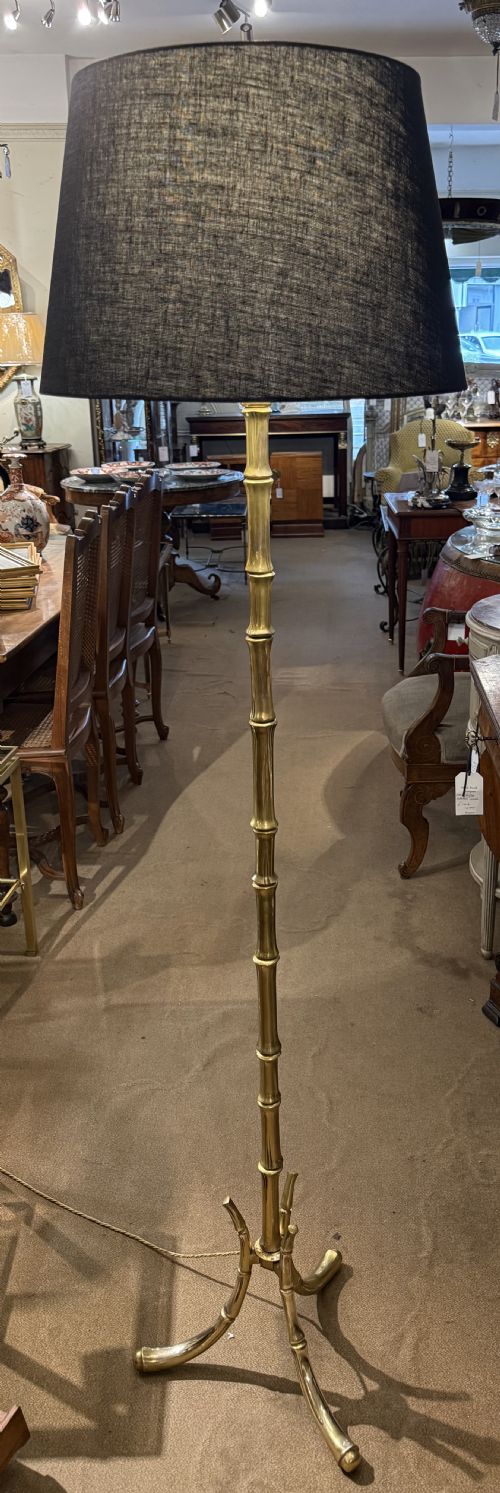
A brass stand fits well into both traditional and contemporary interiors, serving as a focal point or a functional accent piece. Floor lamps and torcheres provide vertical lighting in corners, while side tables and etageres hold books, drinks, or collections.
Smaller items like desk accessories and candlesticks suit mantelpieces, sideboards, or occasional tables where polished metal can catch the light.
How do I care for antique brass?
Preserving antique brass requires gentle dusting and minimal interference with the historical surface patination. Avoid harsh chemical polishes that strip away the aged character accumulated over decades or centuries.
If cleaning is necessary, use a soft, dry cloth or mild soapy water, ensuring the metal dries completely to prevent spotting or corrosion.