
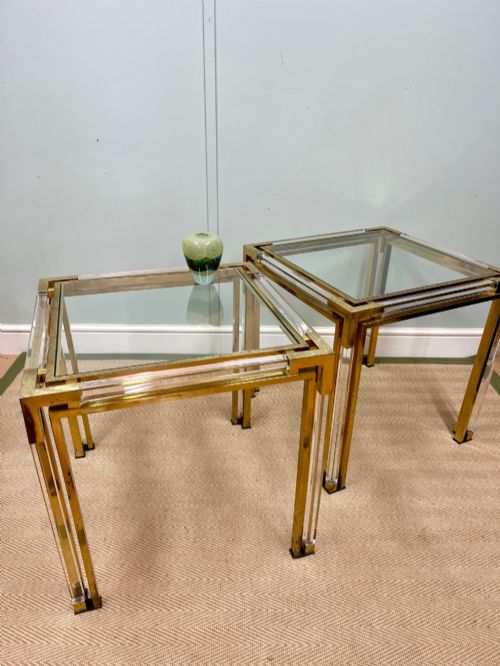


Mid Century Brass Lamps
Mid century brass lamps bring warmth and structural elegance to a room, offering both task illumination and sculptural presence.
Mid Century Brass Lamps
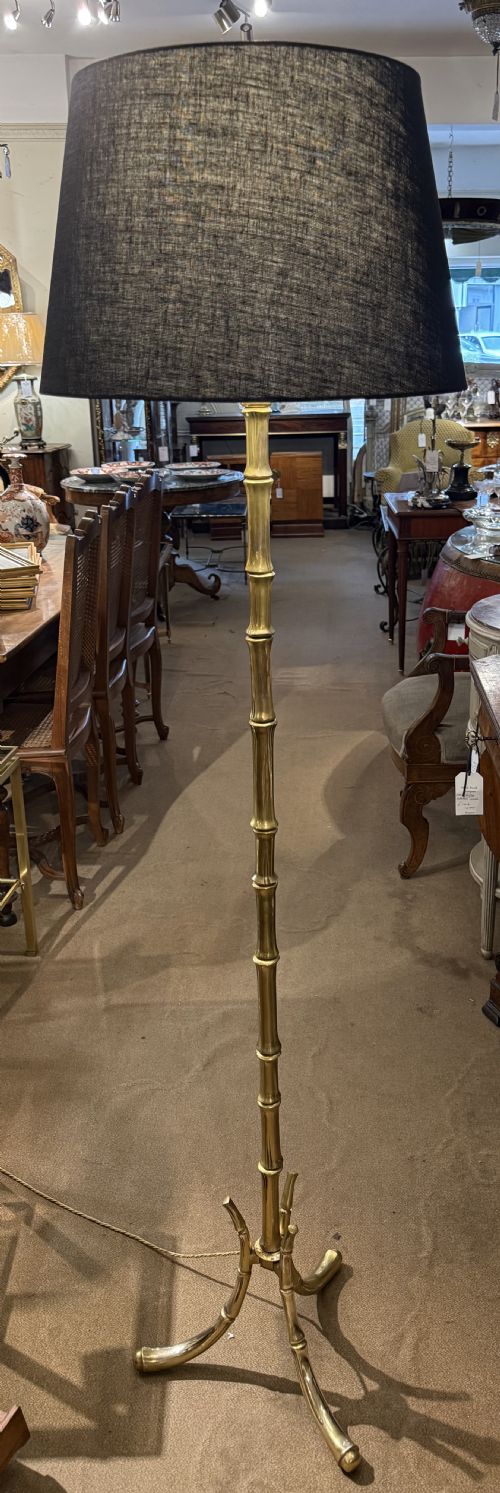
When you search for mid century brass lamps, you encounter a diverse selection of floor lamps, table lamps, and wall lights spanning multiple decades. The evidence shows pieces originating from the nineteenth century through to the mid-twentieth century, capturing varied aesthetics from industrial modern to Hollywood Regency.
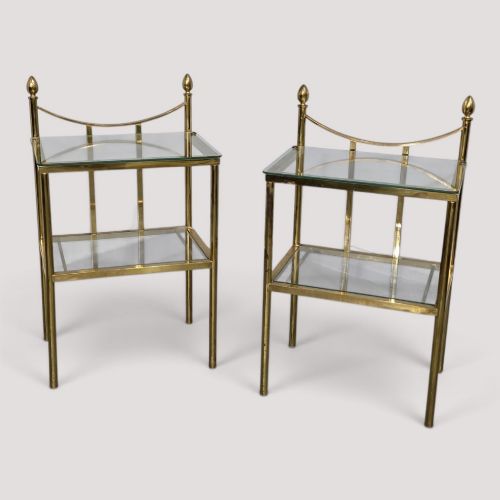
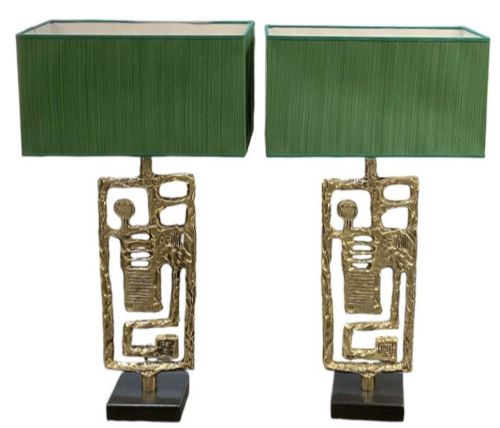
Floor lamps and table lamps dominate the selection alongside integrated lamp tables combining lighting with occasional furniture. These pieces utilise brass, gilt brass, and gilt metal, frequently paired with glass, crystal, opaline glass, or fabric elements.
Materials and construction
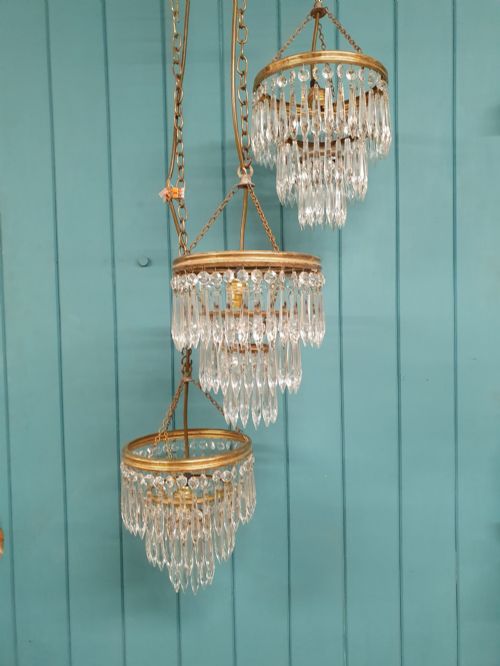
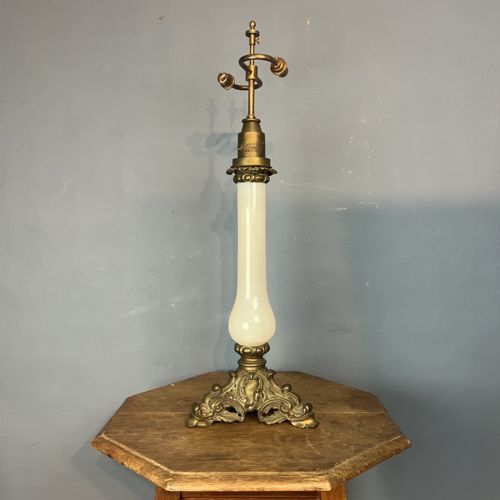
The construction relies primarily on brass and gilt metal, often cast, spun, or lacquered to achieve distinct surface textures. Makers combined these metallic elements with cut glass, opaline glass, and crystal stems to diffuse light and add weight.
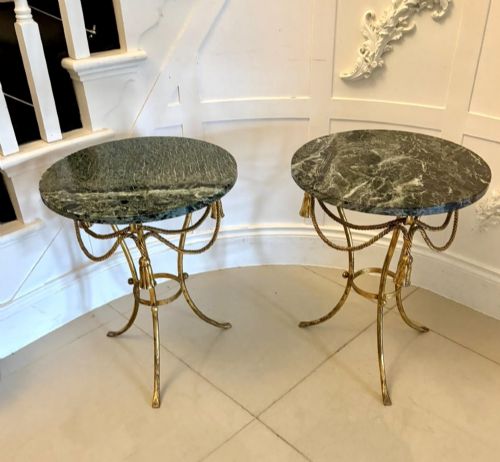
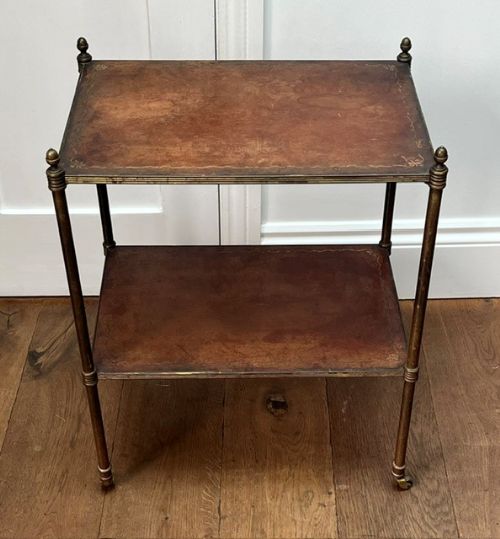
Secondary materials include marble, wood, and tooled leather, particularly in pieces that function simultaneously as side tables and lamp bases. Structural integrity depends on secure fittings, threaded brass components, and weighted bases designed to support tall stems.
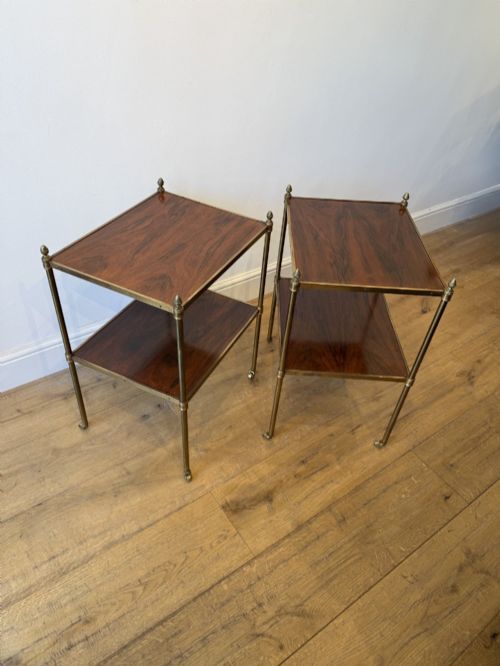
Object forms range from standard floor lamps and table lamps to multi-tiered etageres, wall lights, and lamp post clocks.
Evaluating quality and execution
Quality reveals itself in the weight of the cast brass, the precision of the joinery, and the clarity of any integrated glass or crystal components. Finer examples display crisp chasing, substantial gauge metal, and thoughtful integration of secondary materials such as verde marble or tooled leather.
The presence of maker signatures, stamps, or distinct attribution points elevates certain pieces above standard utilitarian lighting. Superior execution is further evident in the durability of lacquering, the stability of multi-tiered designs, and the original pairing of specialised glass shades.
Maison Bagues·Angelo Brotto·Rene Mathieu·Peter Ghyczy·Jaeger Le Coultre
The Mid Century Brass Lamps Glossary
- Gilt brass
- Brass treated with a thin layer of gold or gold-coloured finish to enhance brilliance and prevent tarnishing. This finish provides a bright metallic sheen seen across various decorative lighting fixtures.
- Opaline glass
- An opaque or translucent white glass developed during the nineteenth century to soften light output. It appears frequently in lamp bodies and shades to create an even, glowing illumination.
- Etagere
- A set of open shelves or tiered surfaces designed for display, occasionally adapted to incorporate lamp fixtures. These multi-tiered forms combine functional lighting with small side table surfaces.
- Verde marble
- A dark green decorative stone with lighter veining used frequently in the bases of twentieth-century tables and lamp stands. It adds substantial weight and a contrasting natural texture to polished metal.
- Cut glass
- Glass decorated by abrasive cutting wheels to produce geometric patterns that refract light. It forms the stems and bodies of taller decorative lamps from the mid-nineteenth century onwards.
Mid Century Brass Lamps: Frequently Asked Questions
How do I date an old brass lamp?
Dating relies on examining construction methods, switch types, wiring channels, and stylistic cues characteristic of specific periods like the nineteenth or mid-twentieth century.
Stamped manufacturer marks, patent numbers, and material combinations also help narrow down the exact decade of manufacture.
Can these vintage lamps be rewired safely?
Most vintage and antique lighting can be professionally rewired to meet modern electrical safety standards without altering the external aesthetic or damaging original components.
A qualified electrician should inspect old brass lamp sockets and internal channels before regular daily use.
What is the difference between brass and gilt metal?
Solid brass consists of a copper and zinc alloy that develops a natural patina over time and can be polished back to a bright finish.
Gilt metal typically uses a base metal like iron or bronze coated with a golden surface layer to simulate solid brass or bronze.
How do I clean and maintain antique brass?
Maintenance generally involves gentle dusting with a soft cloth and avoiding harsh chemical cleaners that strip away desirable historical patinas.
Unlacquered brass requires occasional careful polishing, while lacquered surfaces only need wiping with a damp cloth to preserve the protective coating.