





Mid Century Blanket
Mid century blanket pieces are sturdy wooden chests, trunks and coffers designed for domestic storage, offering both utility and historical character.
Mid Century Blanket
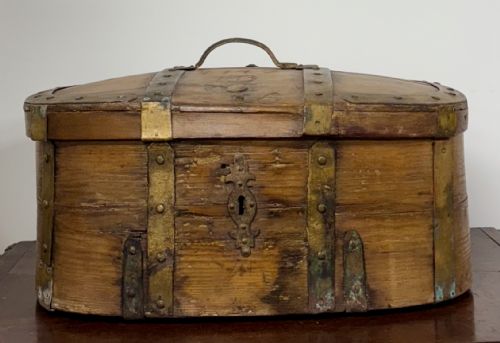
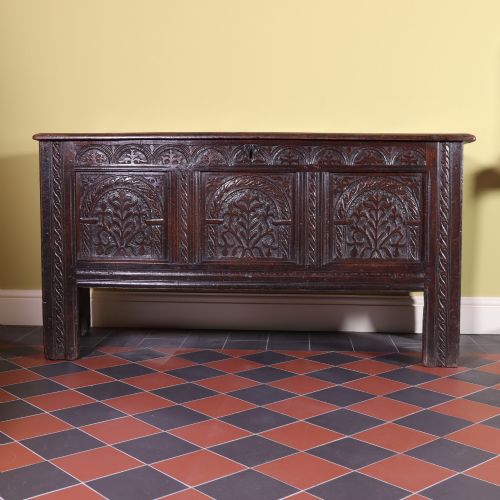
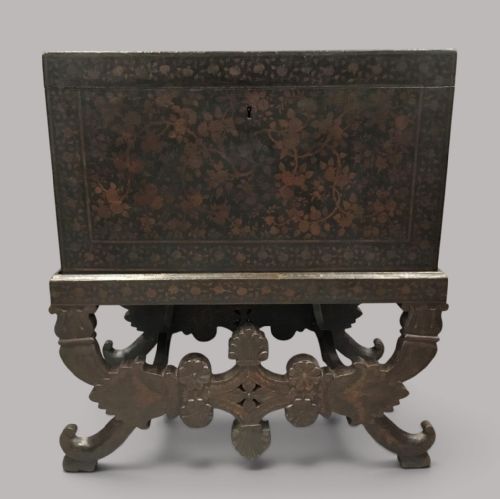
When buyers search for mid century blanket items, they encounter a diverse selection of storage chests, trunks, coffers and linen presses spanning multiple centuries. The selection on this page leans heavily towards nineteenth-century Scandinavian painted pine coffers, eighteenth-century trunks and seventeenth-century oak pieces alongside occasional colonial and oriental boxes.
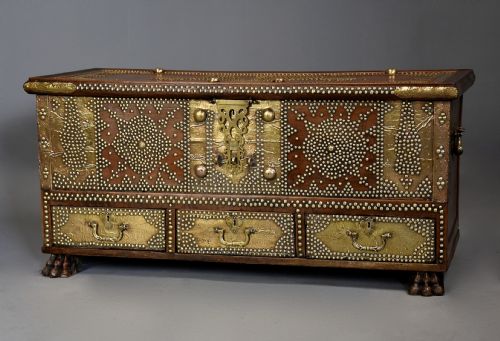
These items primarily function as deep storage vessels for textiles, household linens and personal belongings, taking the form of dome top chests, strong boxes and flat-topped coffers. Regional variations appear distinctly, from Swedish folk art painted pine to Zanzibar brass-studied designs and Italian cedarwood.
The assortment bridges utilitarian domestic objects and decorative furniture, where simple seventeenth-century panelled oak gives way to ornate nineteenth-century painted finishes and intricate inlay work.
Materials and construction methods
Carpenters and joiners utilised solid regional timbers such as oak, pine, mahogany, teak, cedarwood and walnut to build these robust storage containers. Construction techniques range from traditional seventeenth-century oak panelling to nineteenth-century dovetail joints and sturdy frame structures.
Surface treatment defines many pieces, incorporating hand-painted Scandinavian folk art finishes, intricate brass stud decoration, brass bindings, and lacquered Chinoiserie details. Iron and wrought iron hardware, including hinges, locks and carrying handles, provide functional reinforcement to the wooden bodies.
Mid Century Blanket Retail Price Guide 2026
Typical asking prices for mid century blanket among the pieces listed under this phrase on Sellingantiques today, from the lower quarter to the upper quarter. They describe what is for sale here now, not the wider market.
The listings on this page span several centuries of woodworking tradition, featuring regional timbers from Scandinavian pine to tropical camphor wood and mahogany.
Determinants of quality
Quality rests upon the integrity of the original timber and the survival of authentic surface finishes, such as hand-painted folk art motifs or early patinated wood. Superior examples retain their original ironwork, locks and keys without extensive modern timber replacement.
The finesse of secondary detailing separates standard utility pieces from exceptional items, seen in profuse walnut inlay, precise brass studwork, or complex carved camphor wood and lacquer work.
The Mid Century Blanket Glossary
- Coffer
- A traditional heavy wooden chest with a lid, used historically for storing valuables, documents or textiles. Early examples feature pegged oak joints while later versions display painted pine surfaces.
- Dome top
- A rounded lid construction designed to shed water or simply provide additional internal storage headroom. This profile appears frequently on nineteenth-century Scandinavian strong boxes and coffers.
- Strong box
- A heavily reinforced small chest, often fitted with robust iron bands and secure locking mechanisms. They served to protect precious household goods and currency.
- Linen press
- A tall storage cabinet specifically designed for pressing and storing household linens and garments. They combine upper shelving with lower drawers.
- Folk art
- Decorative painting and carving executed within a regional tradition by local craftspeople rather than academic artists. Swedish painted pine coffers display this vibrant aesthetic.
Mid Century Blanket: Frequently Asked Questions
What were mid century blanket chests used for originally?
These chests served primarily to store heavy wool blankets, household linens, garments and valuable family possessions securely away from dust and pests. In many households, they also doubled as seating benches or tables within living and sleeping quarters.
Larger trunk and coffer variants often travelled with owners on journeys, functioning as durable luggage before finding a permanent home against a bedroom or hallway wall.
How do I care for an antique painted pine coffer?
Keep painted wooden chests away from direct sunlight, severe temperature fluctuations and damp environments to protect the original pigments and timber. Dust gently with a dry, soft cloth and avoid chemical polishes that can degrade historic painted surfaces.
Maintain stable indoor humidity levels to prevent the pine from drying out, shrinking or splitting over time.
How can I tell a seventeenth-century oak coffer apart from later revivals?
Seventeenth-century pieces display hand-riven oak timbers, pegged mortise and tenon joints, and distinct tool marks left by early hand planes and adzes. The timber develops a deep, dry patina through centuries of handling and environmental exposure.
Revival pieces often show mechanical saw marks, uniform machine-cut elements, and assembly methods inconsistent with seventeenth-century joinery practices.
Where should I place a trunk or coffer in a modern home?
These versatile storage boxes function effectively at the foot of a bed for holding spare bedding, or as a coffee table in a living room. Their deep interiors provide practical hidden storage for bulky items while adding architectural character to a room.
Entryways and hallways also suit these chests well, offering a convenient surface to drop bags and a place to sit when pulling on shoes.