


Mid Century Art Studies
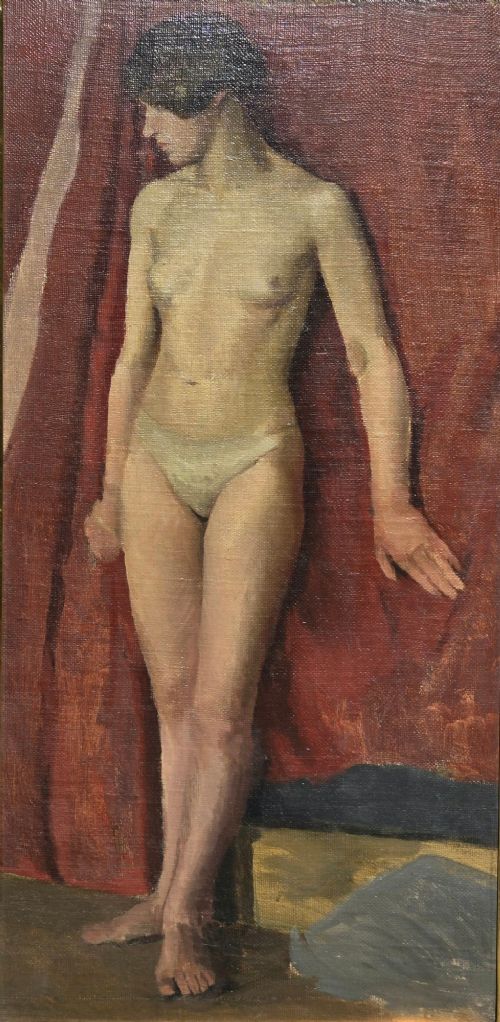
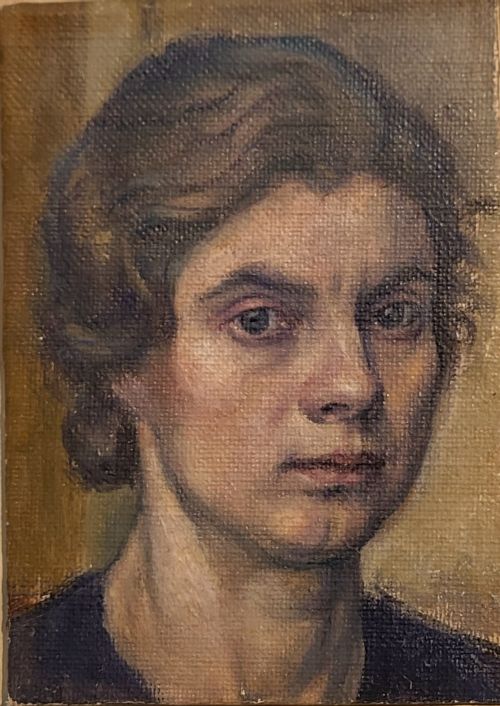
These mid century art studies capture the direct observations, working drawings and experimental pieces that great artists produced behind closed doors.
Mid Century Art Studies
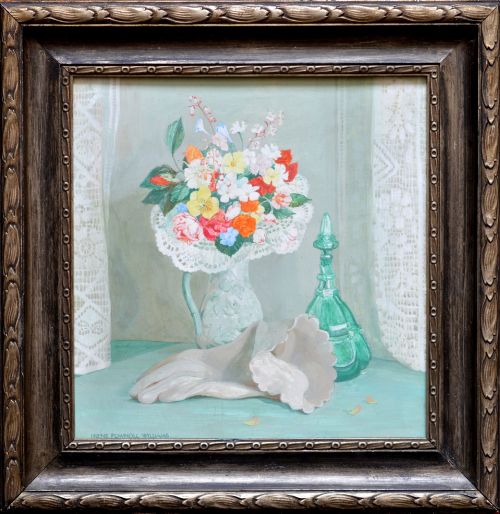
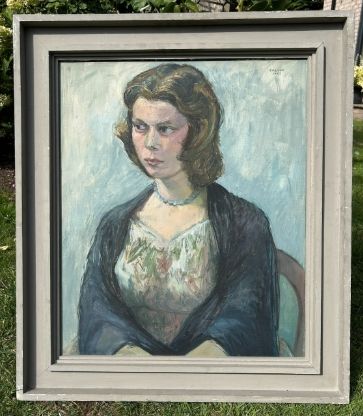
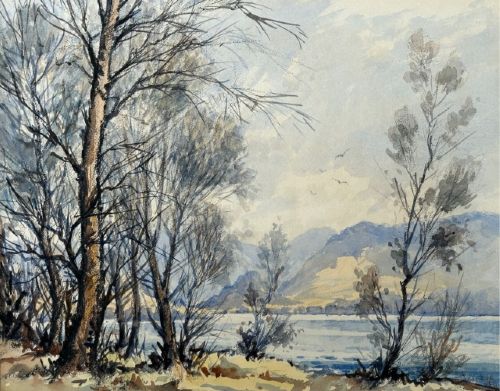
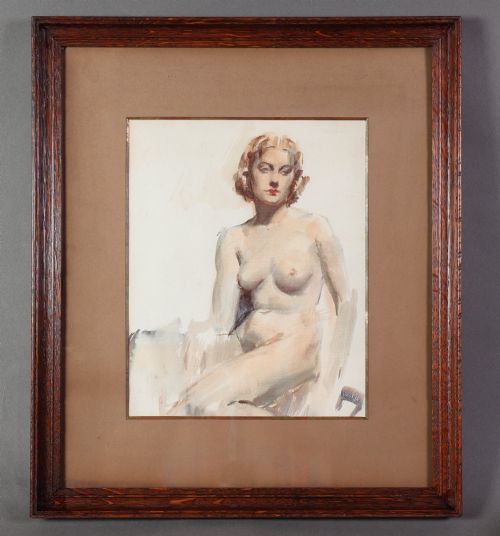
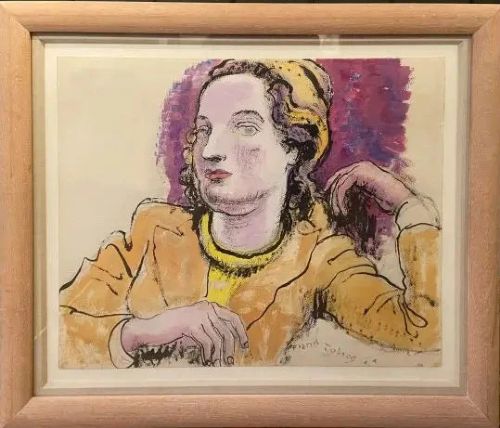
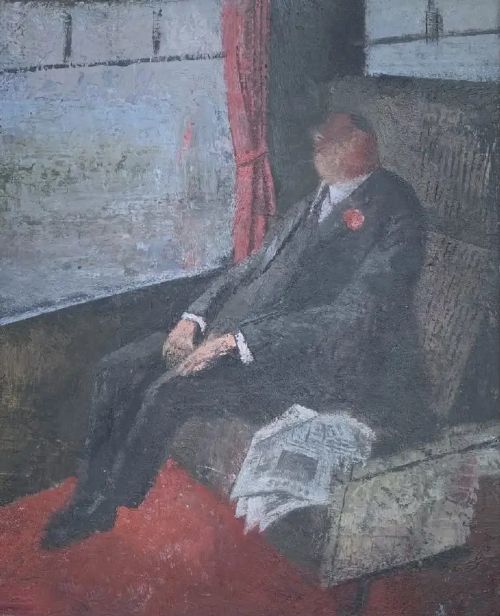
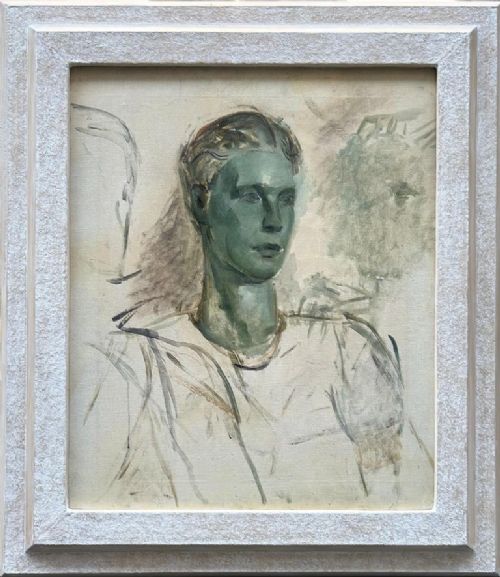
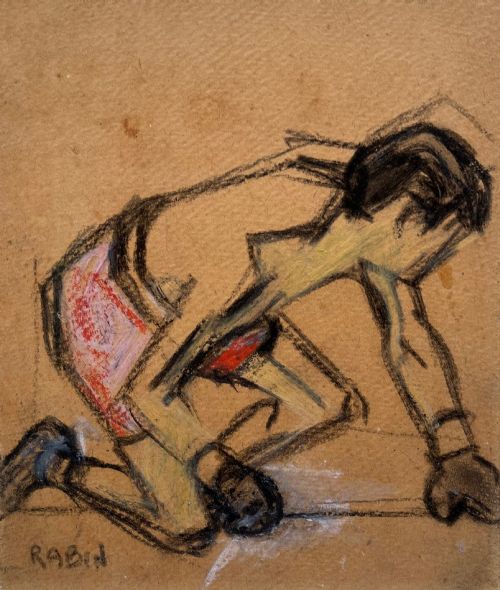
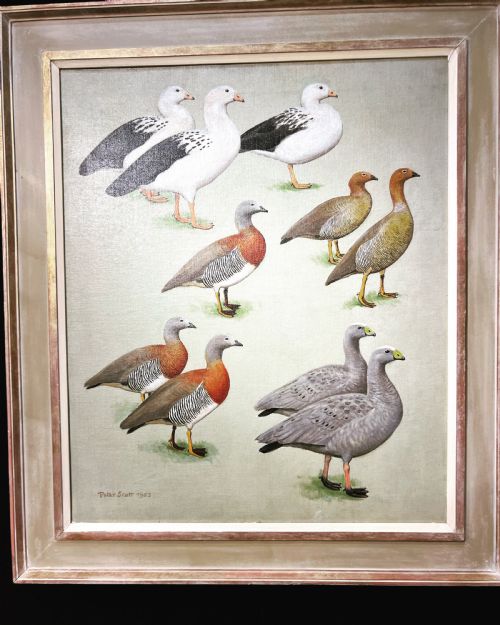
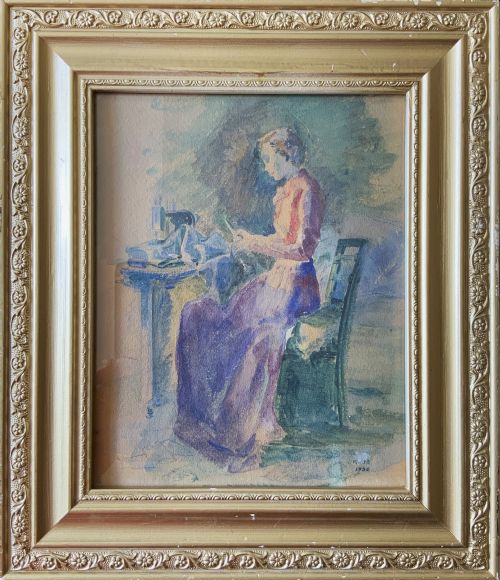
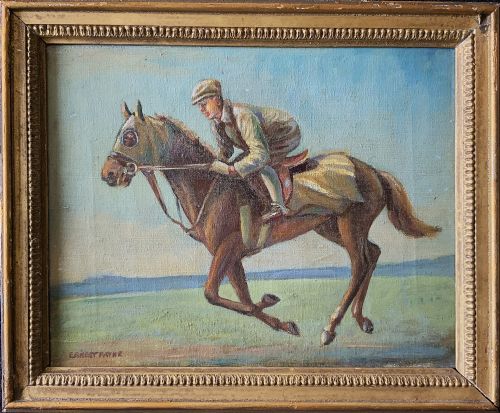
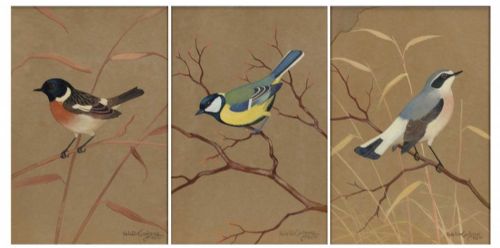
Mid century art studies encompass a diverse array of working drawings, experimental compositions and preparatory sketches produced primarily during the middle decades of the twentieth century. When exploring mid century art studies, collectors frequently encounter framed watercolours, oil paintings on canvas or panel, and intimate portrait or figure studies.
The selection ranges from rapid academic life drawings in graphite and charcoal to finished oil paintings on canvas capturing landscapes, figures, and still life arrangements. Works span various modernist movements including Mid-Century Modern, Academic Realism, and Expressionism alongside traditional nineteenth-century precursors.
Materials and Techniques
Artists executed these works using traditional mediums such as oil paint on canvas or wooden panel, watercolour on paper, and ink or charcoal for linear precision. Support materials frequently include canvas, heavy artist paper, and wooden panels.
Techniques vary from loose, expressive brushwork characteristic of mid-century expressionism to meticulous academic hatching in pencil and ink for anatomical studies.
Listings feature works spanning from the nineteenth century through the 1960s, utilising oil paint, watercolour, graphite, and oak supports.
Distinctions in Quality
The degree of anatomical command, sureness of line, and compositional confidence differentiate standard classroom exercises from accomplished pieces by established practitioners. Works displaying deliberate handling of tone and immediate energy stand apart from routine academic exercises.
Attribution and provenance heavily influence significance, particularly when a study carries clear signatures or connects directly to a recognised member of Royal academies or prominent modernist schools.
Irene Christobelle Pownoll Williams·Kenneth Cozens·Robert Leslie Howey·Frank Dobson·Samuel Rabin·Winifred Rymer·Sir Peter Markham Scott·Ernest Payne·Ralston Gudgeon·Dame Elisabeth Frink·Septimus Scott·Anne Dorrien Smith·Étienne Kohlmann·Raoul Millais·Sir Matthew Smith·Stratton·Peter Jackson·Arthur Todd·Adrian Heath·Denis William Reed·Lucien Freud·David Cox
The Mid Century Art Studies Glossary
- Tempera
- A permanent, fast-drying painting medium consisting of coloured pigment mixed with a water-soluble binder entity, often egg yolk. This technique creates a matte surface finish visible on early panel paintings.
- Academic Realism
- A style of painting and sculpture produced under the influence of European academies of art. It emphasises traditional drawing standards and precise anatomical accuracy.
- Mixed Media
- An artwork in which more than one medium or material has been employed. Artists combine watercolour, ink, chalk and pastel within a single composition.
- Provenance
- The chronology of the ownership or location of a historical object. Documented exhibitions and artist signatures establish clear historical context.
- Panel
- A rigid flat piece of wood or other material used as a support for a painting. Panels provide a stable alternative to stretched canvas.
Mid Century Art Studies: Frequently Asked Questions
What is an art study?
An art study is a preparatory drawing, painting or sketch made by an artist to explore composition, lighting, or anatomy before executing a larger finished work.
These pieces often reveal the direct, unedited thought process and technical skill of the creator without the formality of a final gallery exhibition piece.
How do I date a mid-century study?
Dating relies on stylistic markers such as modernist abstraction trends, framing materials, artist signatures, and any accompanying biographical documentation.
Comparison with dated works by the same school or academy provides a reliable window into the period of creation.
Where should I hang these works?
These works suit studies, home offices, and living spaces where their intimate scale can be appreciated up close.
Framed drawings and watercolours require placement away from direct sunlight to preserve delicate paper supports and pigments.