

Mid Century Accent Chair
When you search for a mid century accent chair, you are looking at diverse seating that spans centuries from walnut frames to Art Deco forms.
Mid Century Accent Chair
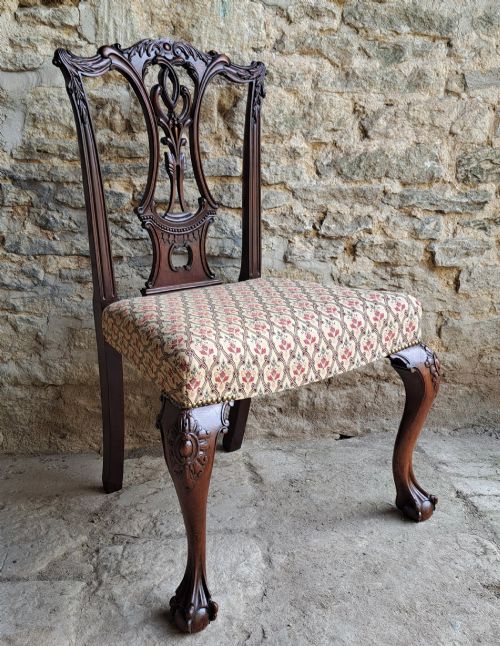
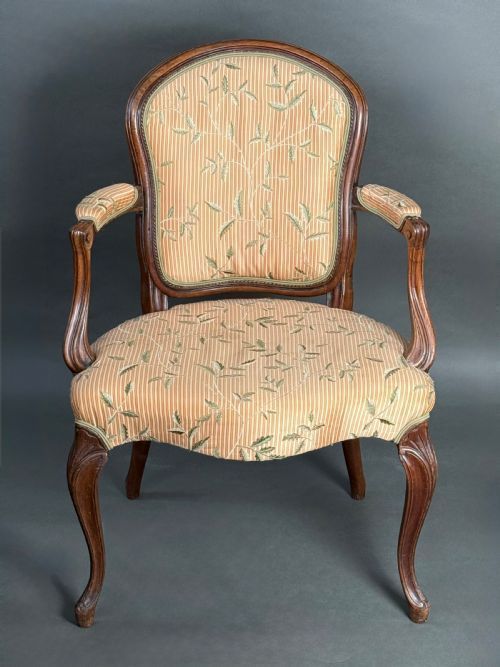
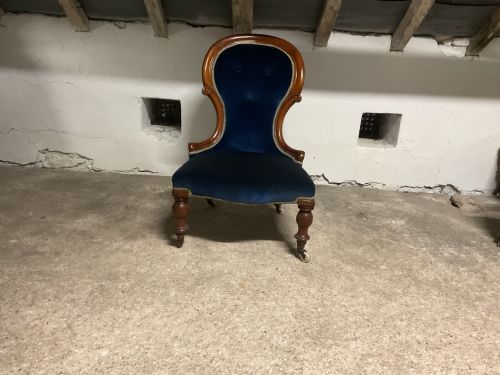
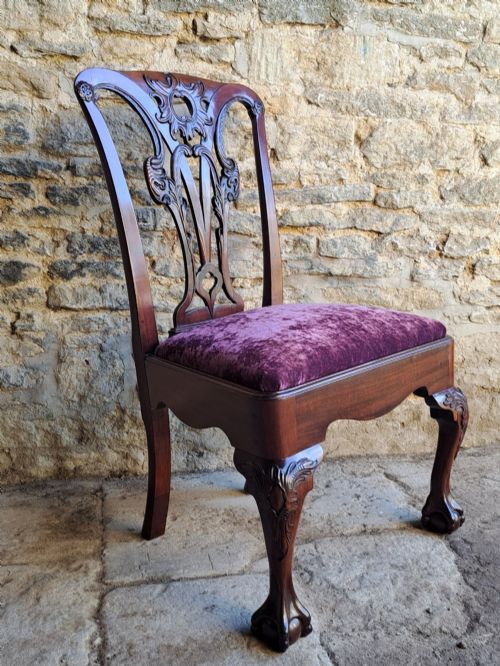
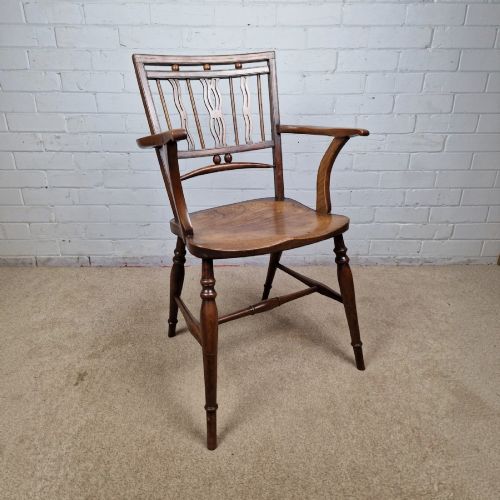
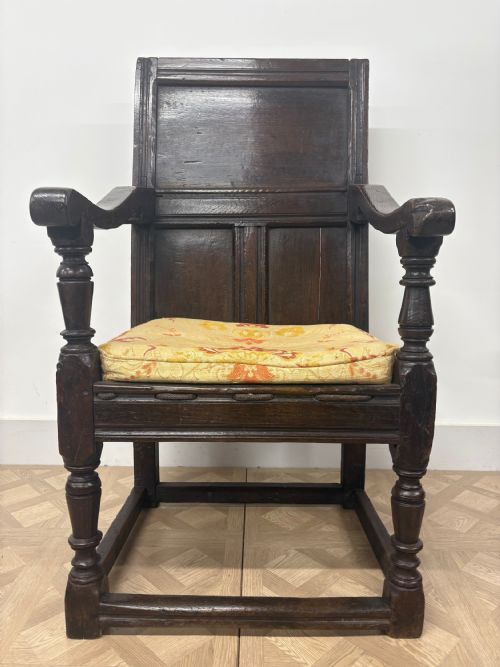
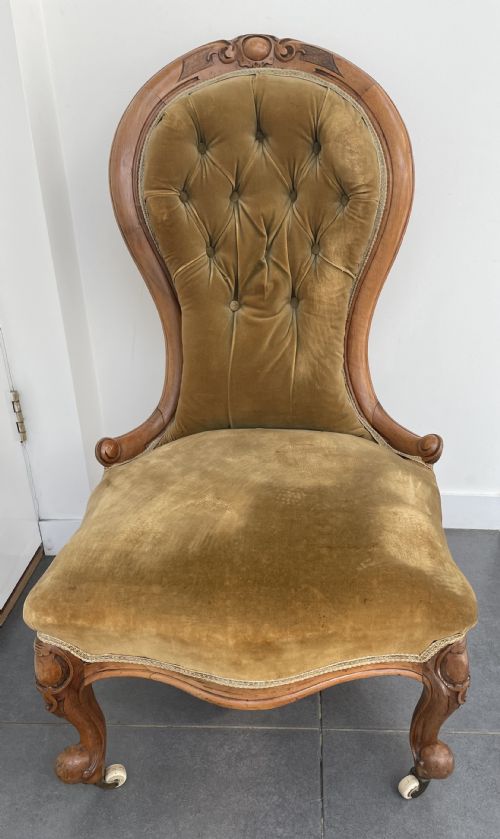
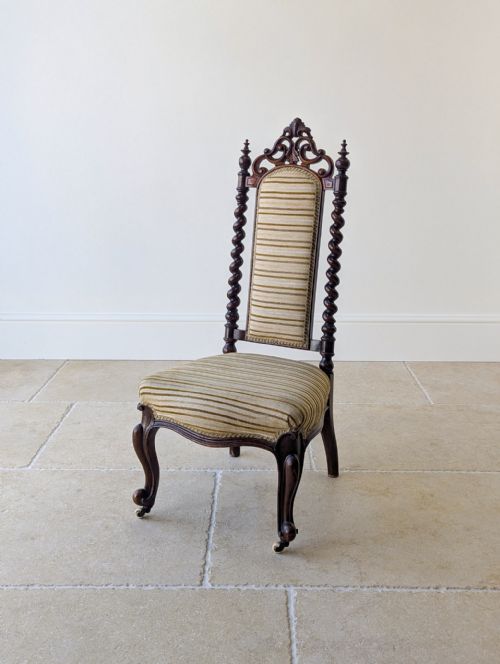
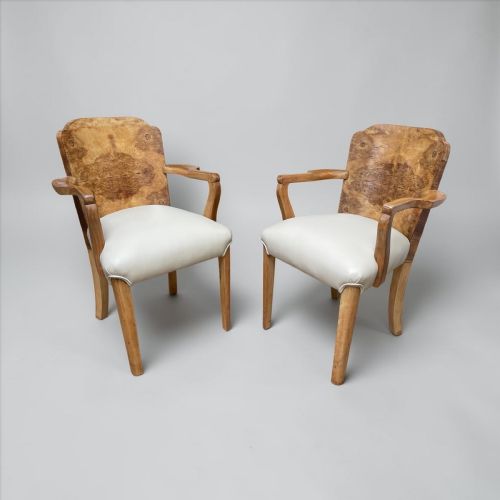
When hunting for a mid century accent chair, buyers encounter an eclectic mix spanning centuries rather than a single twentieth-century design. The evidence shows forms ranging from 17th-century oak wainscot armchairs and 18th-century walnut side chairs to Victorian nursing chairs and 1930s Art Deco seating. Rather than strict modernism, the selection includes Chippendale style mahogany, French boudoir chairs, and Windsor armchairs.
How they were made
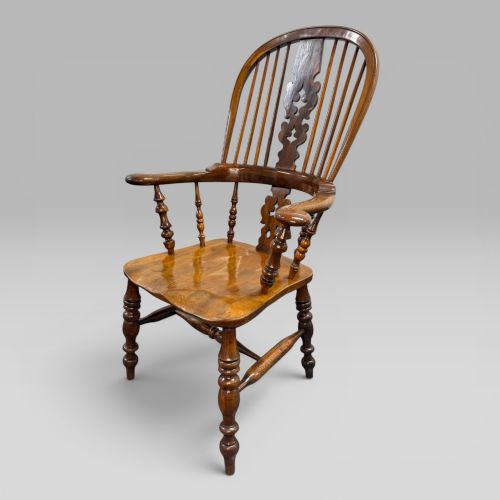
Makers utilised solid timbers including mahogany, walnut, oak, rosewood, ash, and elm to construct sturdy chair frames. Skilled joinery methods such as mortise and tenon joints secure structural integrity in wainscot and Windsor armchairs.
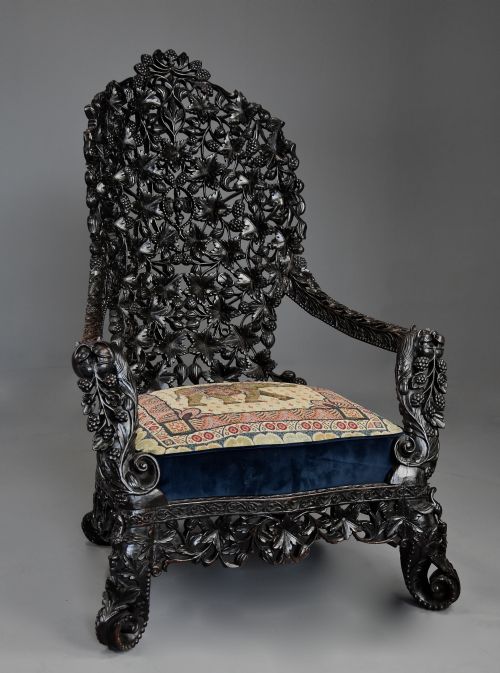
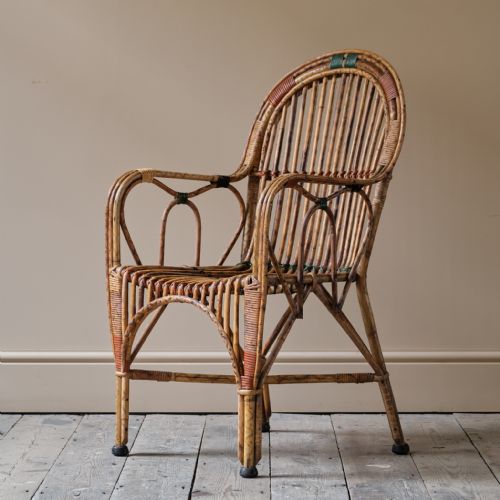
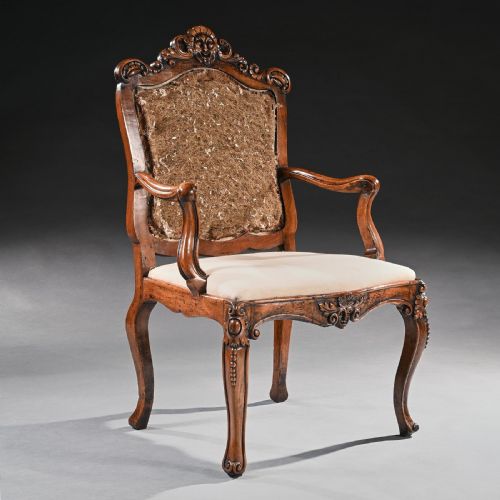
Upholstered examples integrate traditional stuffing and springs covered in fabric, leather, velvet, silk, cane, and rattan. Carved ornamentation appears directly on wood elements, seen in Indian blackwood, ebony, and Italian Rococo walnut frames.
Listings span multiple centuries, incorporating Victorian, Georgian, Art Deco, and seventeenth-century periods.
What varies in quality
Quality rests upon the crispness of hand-carved details and the selection of figured timbers like rosewood and walnut. Examples with intricate pierced splats or carved head rails demonstrate superior craftsmanship compared to plain utility seating.
The integrity of the original timber frame and the standard of upholstery materials, such as silk or specialist leather, distinguish finer pieces. Provenance to notable makers like Gillows or Hille further elevates the standing of individual chairs.
Gillows·Hille
The Mid Century Accent Chair Glossary
- Wainscot armchair
- A heavy wooden chair from the seventeenth century constructed primarily of solid oak with panelled backs.
- Slipper chair
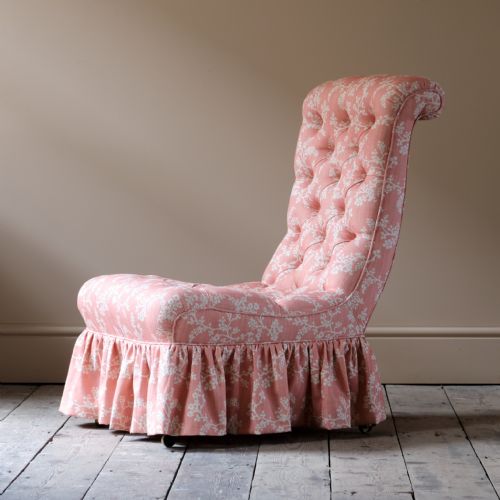
- A low-seated upholstered chair traditionally utilised in a bedroom for putting on shoes.
- Splat
- The central vertical slat of wood running from the seat to the top rail in an open chair back.
- Windsor chair
- A traditional wooden chair featuring timber seats into which separate legs and spindled backs are directly inserted.
- Occasional chair
- A movable accent seating piece designed to be used intermittently in various rooms of a house.
Mid Century Accent Chair: Frequently Asked Questions
How do I use an accent chair?
These chairs function as flexible seating in living rooms, bedrooms, and hallways. They provide a focal point while remaining easy to move.
Pair an occasional or slipper chair with side tables to create a dedicated reading corner or a quiet seating area.
How do I tell periods apart?
Distinguishing periods relies on observing timber choices, joinery methods, and decorative motifs. Seventeenth-century pieces typically feature heavy carved oak, whilst eighteenth-century chairs often display mahogany with pierced splats.
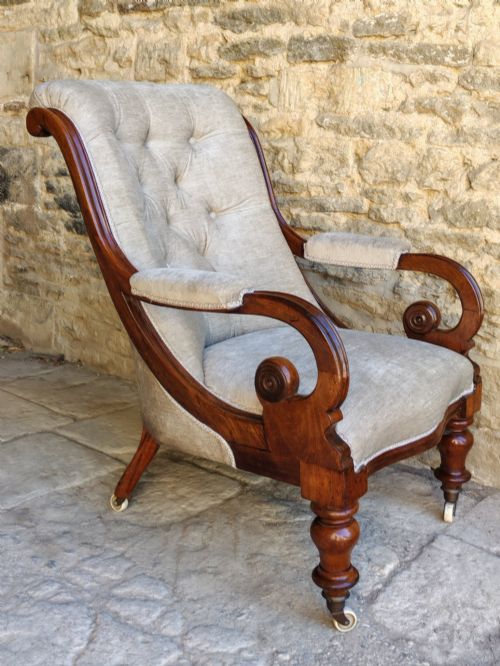
Victorian and later Art Deco items introduce button-backed upholstery, rosewood, and streamlined geometric shapes typical of the 1930s.
Are these chairs comfortable for daily use?
Comfort varies significantly depending on the original purpose and style of the chair. Upholstered Victorian slipper chairs and Art Deco lounge seating offer softer padding for relaxing.
Wooden side chairs, hall chairs, and wainscot armchairs provide firmer, more upright support intended for occasional sitting.
Can I mix different chair styles?
Mixing diverse periods and styles creates a layered, collected interior rather than a uniform set. Pairing a walnut Art Deco occasional chair with a Georgian mahogany armchair adds visual depth.
Keep a cohesive colour palette or shared timber tone across the room to unify contrasting historical designs.