
Mid 19th Century
Mid 19th century antiques encompass furniture, paintings, and decorative objects shaped by Victorian, Regency, and Revival tastes that bring period character to modern interiors.
Mid 19th Century
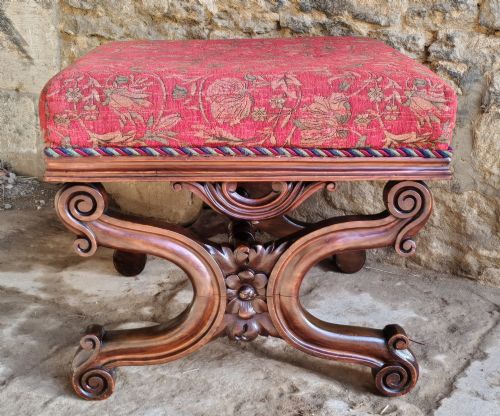
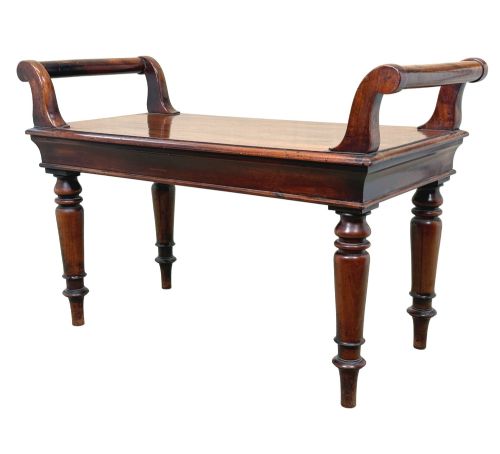
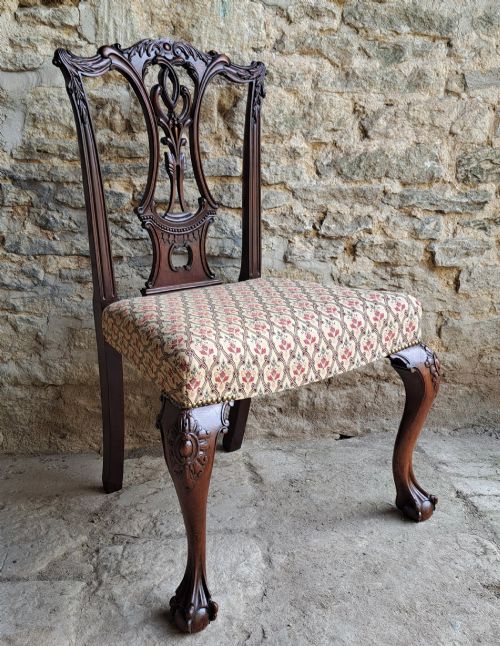
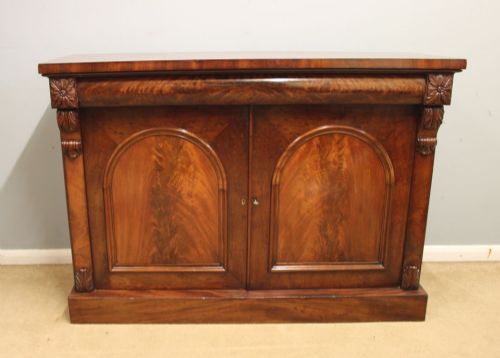
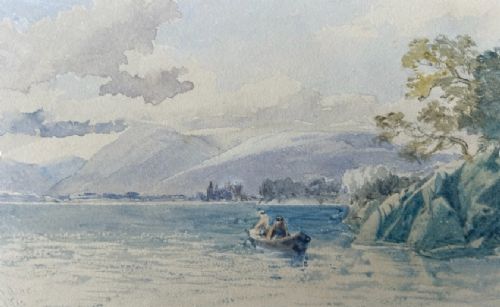
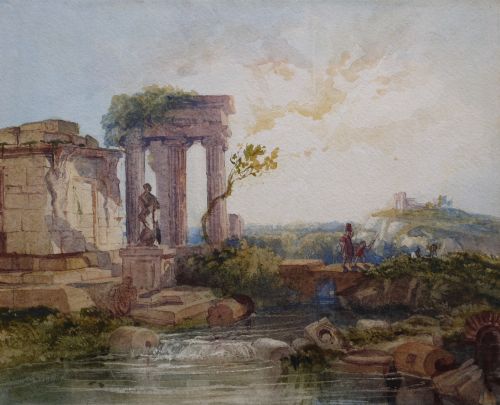
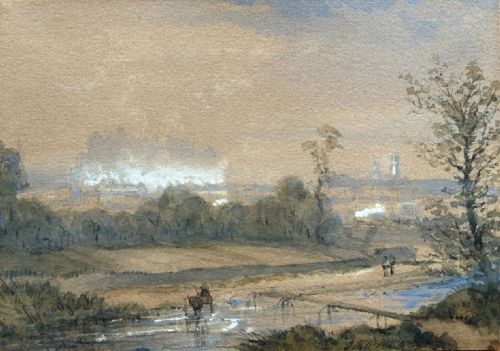
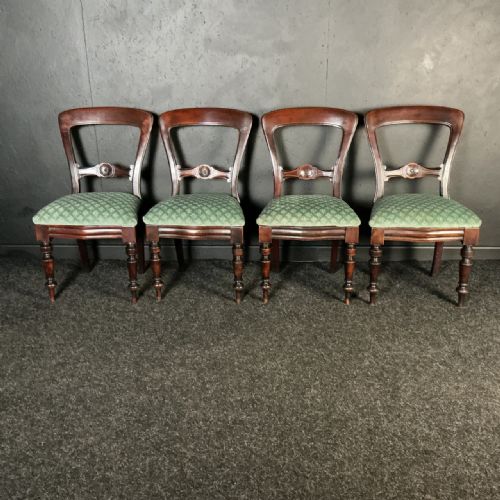
Mid 19th century items include seating, case furniture, and works on paper or canvas spanning the Victorian and Regency eras. Buyers encounter everything from walnut dining chairs and mahogany chiffoniers to Swedish trestle tables and framed watercolours.
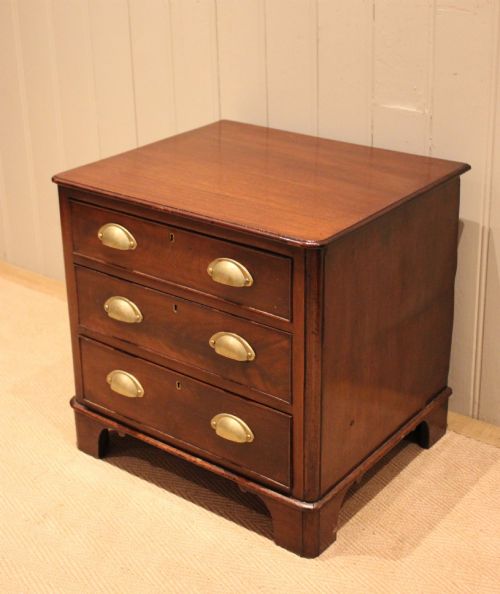
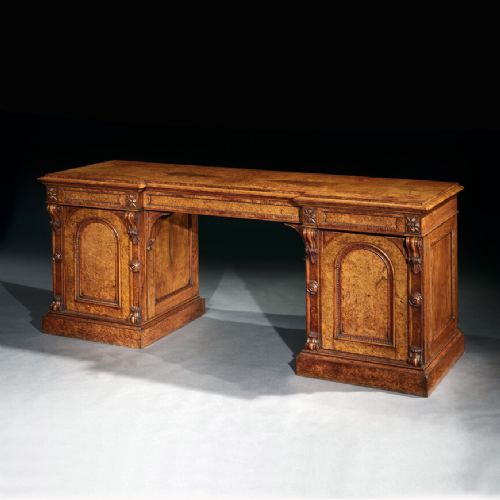
Practical domestic furnishings dominate the selection, ranging from small chests of drawers and desks to bookcases and sideboards. Alongside these functional pieces, decorative works such as bronzes, porcelain tankards, and oil paintings appear frequently.
How they were made
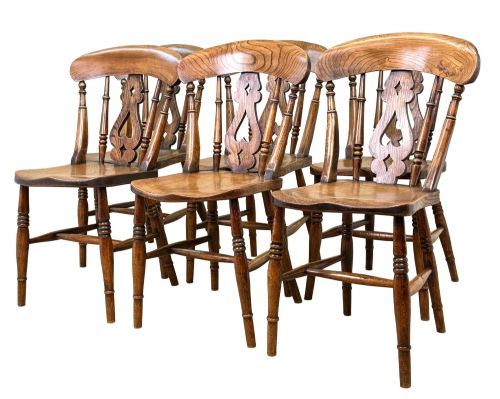
Cabinetmakers relied heavily on native and imported timbers, utilising mahogany, walnut, rosewood, and pollard oak for structural stability and rich grain figures. Secondary woods like pine and elm appear in vernacular furniture such as Windsor chairs and country benches.
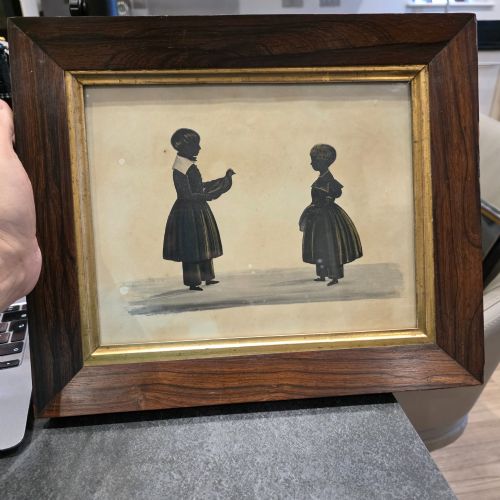
Decorative surfaces often incorporate brass mounts, gold leaf, inlay, and ormolu, while seating frames feature traditional upholstery methods. Fine details such as carved Gothic motifs and hand-painted watercolours reflect the skilled handwork characteristic of the period.
The inventory encompasses armchairs, dining chairs, bookcases, wall art, chests of drawers, sideboards, and paintings.
What varies in quality
The degree of refinement in carving, timber selection, and overall proportion distinguishes exceptional examples from standard utilitarian wares. Master cabinetmakers utilised finely figured veneers and robust framing that maintained structural integrity over generations.
Attribution to documented makers or specific regional styles elevates certain items above anonymous production pieces. The subtlety of patination on exposed wood surfaces and the crispness of applied ornament likewise separate superior works from simpler ones.
Japy Frères·Miles and Edwards·Howard and Sons·Holland and Sons·Antoine Louis Barye
The Mid 19th Century Glossary
- Canterbury
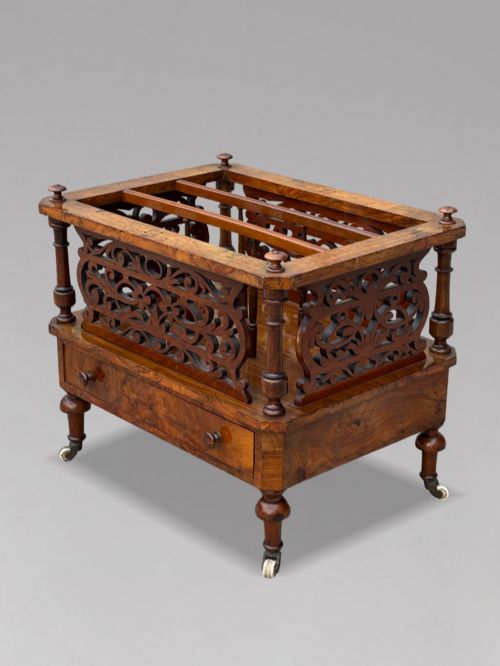
- A low, freestanding stand with slatted divisions designed for holding sheet music or periodicals. It typically includes a small drawer at the base and rests on castors.
- Chiffonier
- A compact sideboard or cabinet featuring a combination of lower cupboards and upper shelving. This form evolved during the nineteenth century to serve dining rooms and drawing rooms alike.
- Ormolu
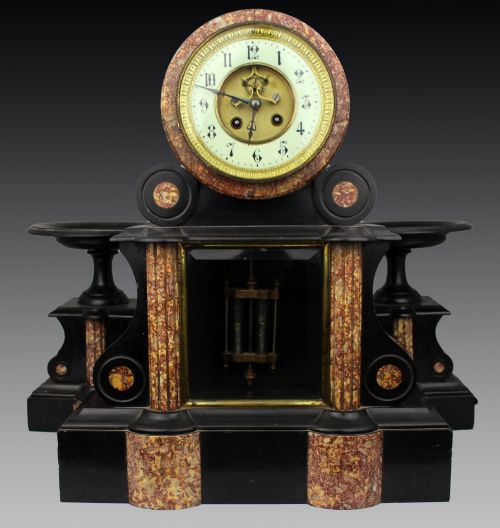
- Gilt bronze ornamentation applied to furniture, clocks, and decorative objects. The technique involves fusing a mercury and gold amalgam to a bronze base.
- Treen
- Small handmade wooden domestic objects produced in domestic and vernacular settings. Examples include lidded urns, salt boxes, and small turned vessels.
- Balloon back
- A dining chair design featuring a curved, closed-loop backrest resembling the silhouette of a balloon. This style gained widespread popularity during the Victorian era.
Mid 19th Century: Frequently Asked Questions
How do I identify a mid 19th century piece?
Examine the timber choices, construction methods, and stylistic cues such as Victorian balloon backs or Regency revival lines. Makers' stamps, labels, and traditional joinery techniques also provide clear chronological markers.
Compare the overall proportions and decorative motifs against documented examples from the same decade. Regional variations in vernacular pieces can offer further clues to a specific origin.
Where were these items originally used?
These furnishings and decorative objects populated townhouses, country estates, and modest homes across Britain and continental Europe. Many served practical domestic functions in dining rooms, libraries, and bedrooms.
Larger case furniture and seating suited formal reception rooms, while smaller items like writing desks and work tables accommodated private studies and drawing rooms.
Are these pieces suitable for daily use?
Sturdy construction in dense hardwoods like mahogany, oak, and walnut makes most surviving items robust enough for contemporary living. Simple maintenance helps preserve the aged timber surfaces over time.
Upholstered seating and desks function well in modern interiors when paired with compatible period or transitional decor.
What styles dominate this period?
Victorian and Regency aesthetics heavily influence the design vocabulary, alongside revivals of Louis XV, Louis XVI, and Gothic styles. Makers frequently adapted historical idioms to suit contemporary tastes.
Country vernacular items sit alongside highly ornate pieces featuring parquetry, ormolu, and fine inlay work.