




Mid 18th Century Furniture
Mid 18th century furniture brings substantial character to a room through genuine period timber and practical domestic forms.
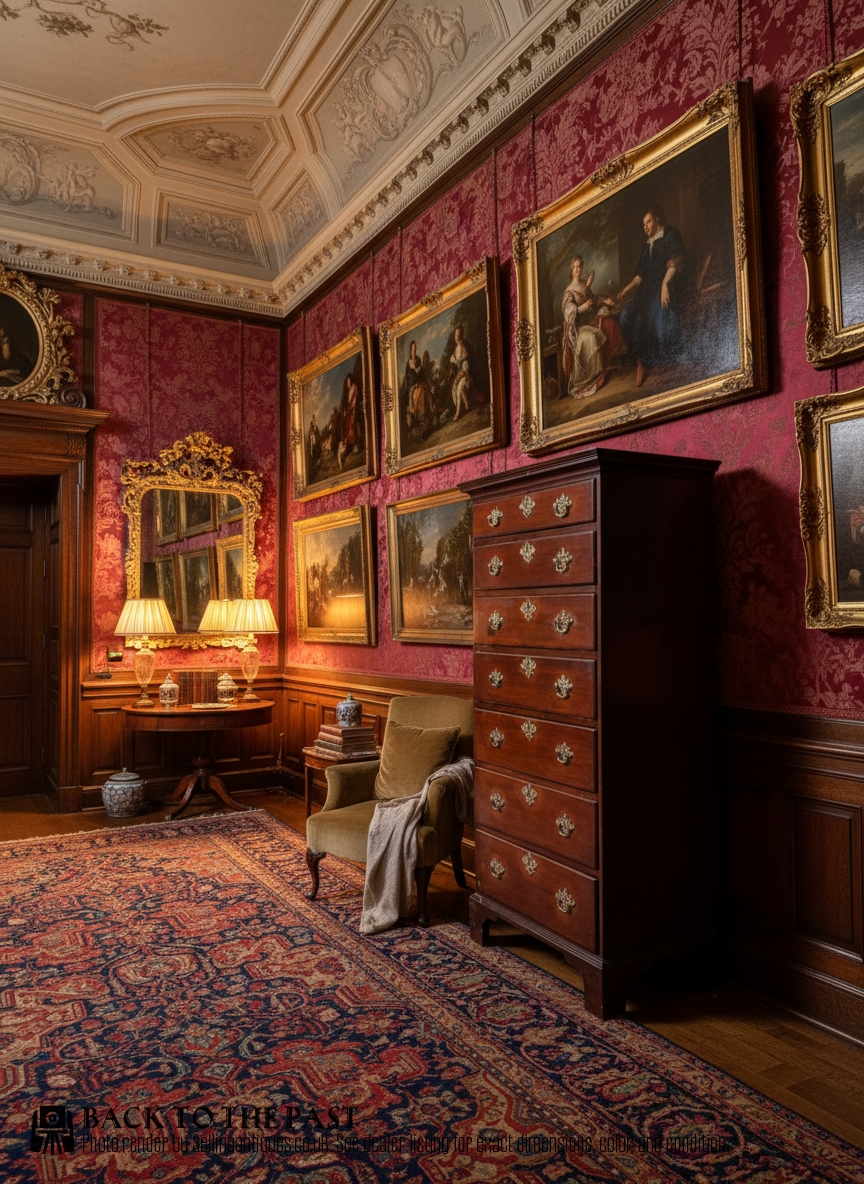
Mid 18th Century Furniture
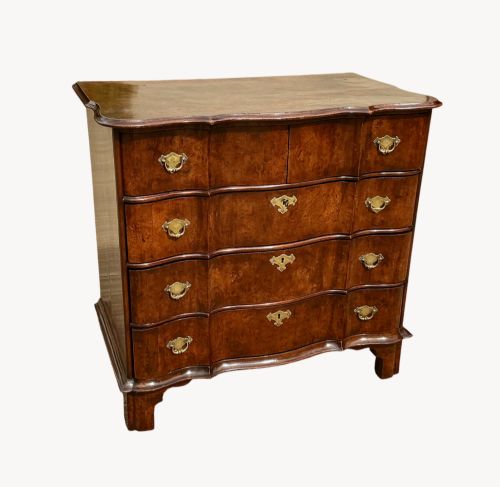
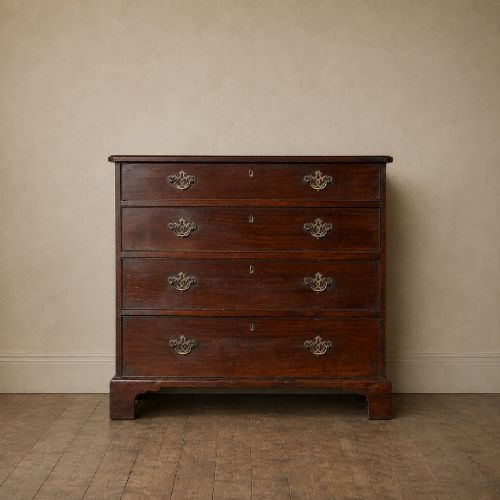
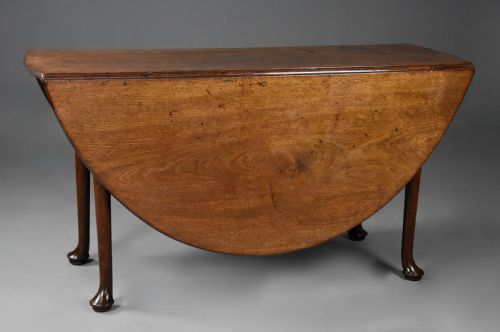
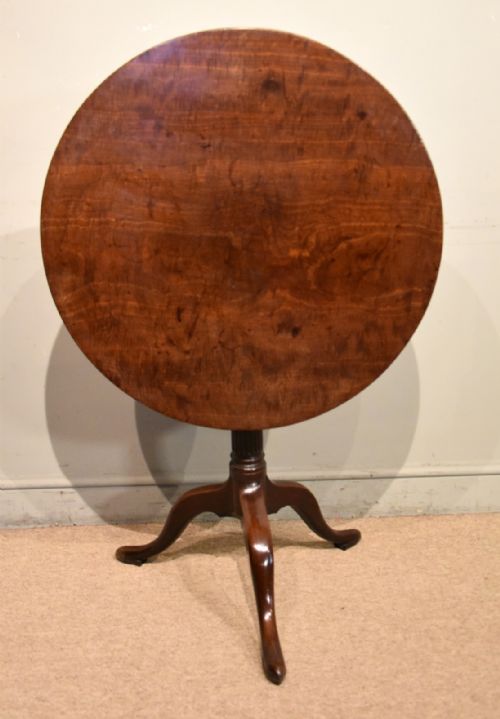
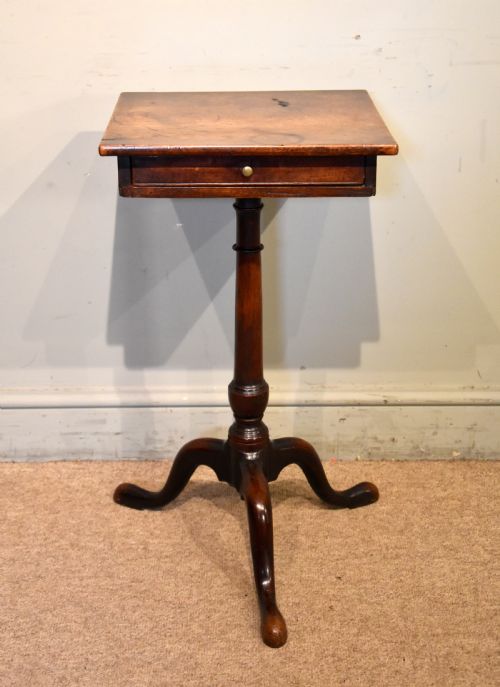
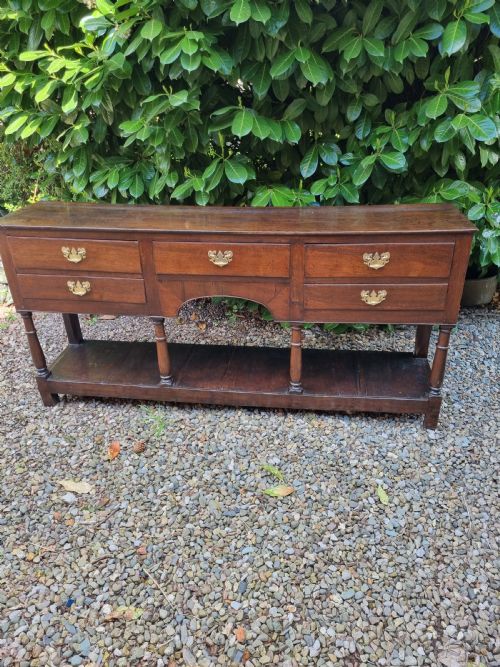
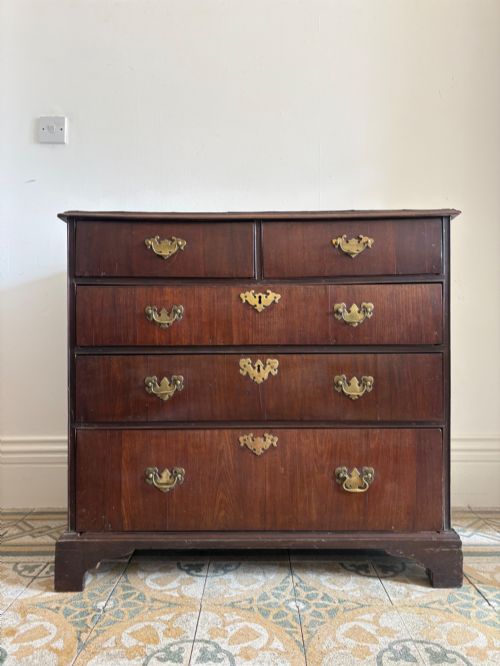
Mid 18th century furniture encompasses a diverse selection of domestic items designed during the Georgian era and continental equivalents spanning the mid-1700s. Buyers searching for mid 18th century furniture typically encounter robust oak dressers, heavy mahogany chests of drawers, and various occasional tables produced across Britain and Europe.
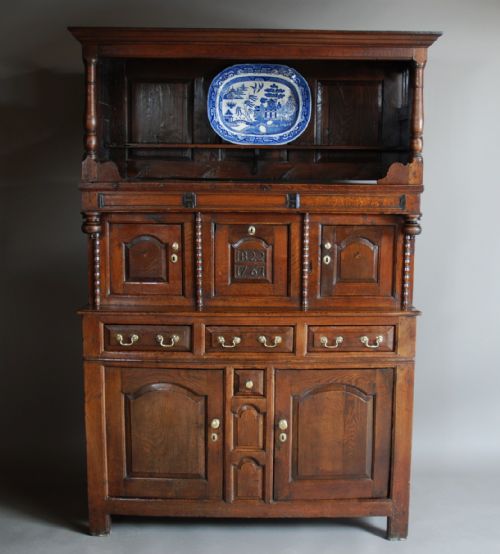
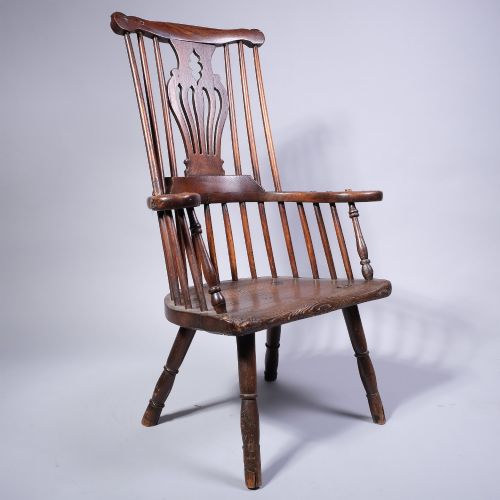
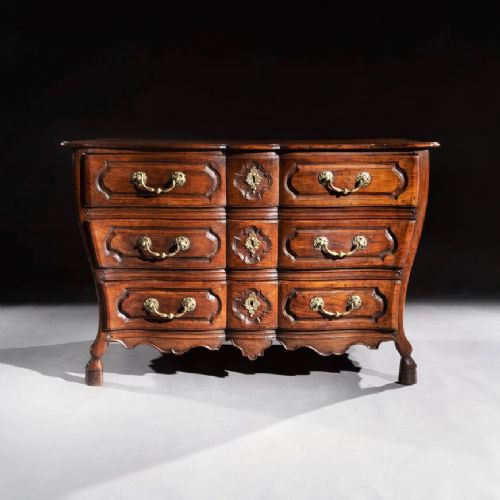
The selection frequently includes specialised seating such as comb-back Windsor chairs, lowboys, and corner chairs alongside grander case pieces like tallboys and commodes. These items reflect the domestic requirements of their period, combining utility with distinct regional styling from Wales, Ireland, England, and continental workshops.
How they were made
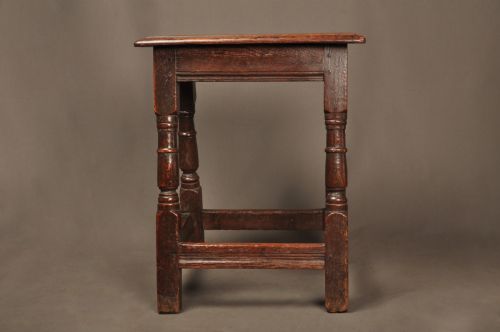
Construction relies heavily on native and imported timbers, predominantly employing dense mahogany, figured walnut, and sturdy oak, often augmented with secondary woods like fruitwood, ash, and elm. Cabinetmakers utilised traditional joinery techniques, combining solid boards with hand-cut dovetails for drawer construction and pegged joints for structural stability in vernacular pieces.
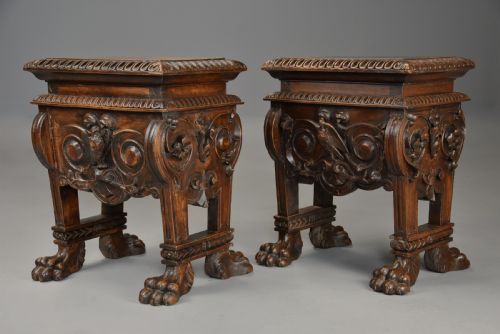
Surface treatments and decorative elements involve marquetry inlay, hand-carving, and applied brass handles or keyplates that punctuate the dark timber grains. Drop-leaf tables, commodes, and chests display careful timber selection, utilising burr veneers and book-matched walnut to create patterned surfaces.
Mid 18th Century Furniture Retail Price Guide 2026
Typical asking prices for mid 18th century furniture among the pieces listed under this phrase on Sellingantiques today, from the lower quarter to the upper quarter. They describe what is for sale here now, not the wider market.
Comb-back Windsor chairs bring a surprisingly ergonomic seating posture straight from eighteen-century farmhouses.
What varies in quality
Quality differences stem from the grade of timber selected, the crispness of hand-carved details, and the preservation of original patination on the wood surfaces. Pieces utilising figured burr walnut, rich mahogany, or olive-wood command attention through their natural grain depth rather than applied finishes.
Structural integrity and the survival of original brass hardware or period feet distinguish superior examples from heavily altered items. Regional vernacular pieces, such as Welsh oak dressers, achieve high standing through honest construction and regional regional character.
The Mid 18th Century Furniture Glossary
- Lowboy
- A small dressing table or side table featuring one or more rows of drawers supported on slender legs. These functional pieces commonly appeared in walnut or mahogany during the Georgian period.
- Tallboy
- A tall chest of drawers constructed in two stacked sections, often termed a chest on chest. This form maximises vertical storage capacity while maintaining a compact footprint.
- Cwpwrdd tridarn
- A traditional Welsh three-tier oak cupboard originating from rural regions like Snowdonia. It serves as a striking example of vernacular furniture design.
- Commode
- A decorative low cabinet or chest of drawers of continental origin, frequently displaying serpentine outlines and marquetry. French and Italian examples often utilise fruitwood and walnut.
- Patina
- The surface sheen and colour developed by timber over centuries of handling, exposure, and polishing. Good patination reveals the depth of the wood grain.
Mid 18th Century Furniture: Frequently Asked Questions
What defines mid 18th century furniture?
This category includes items made around the middle decades of the seventeen-fifties, encompassing George II styles and continental baroque designs. The grouping spans formal mahogany case pieces and robust regional oak vernacular items.
Craftsmanship from this era emphasises solid timber construction, hand-cut joinery, and practical domestic utility that suits modern traditional interiors.
Where was this furniture made?
Production occurred across English urban workshops, Welsh rural districts, Irish estates, and continental European centres. Each region imparted distinct regional characteristics through local timber choices and decorative detailing.
English makers favoured mahogany and walnut, whilst Welsh and provincial makers utilised local oak, ash, and fruitwood for domestic utility items.
How do I care for antique timber?
Maintain stable humidity levels and protect surfaces from direct sunlight to prevent timber warping and fading. Regular dusting with a soft cloth preserves the historic surface finish without stripping the natural patina.
Avoid modern silicone polishes, opting instead for traditional beeswax applications sparingly applied to nourish the dry hardwood.
How are periods identified?
Dating relies on construction methods, timber species, hardware styles, and stylistic traits associated with specific reigns such as George II. Hand-dovetailed drawer linings and original brass fixings offer reliable chronological indicators.
Comparison with documented regional forms helps pinpoint the likely origin and approximate decade of manufacture.