




Mid 18th Century Art
Mid 18th century art brings together European portraiture, painted trunks, and carton pierre mirrors created during a period of refined craftsmanship.
Mid 18th Century Art
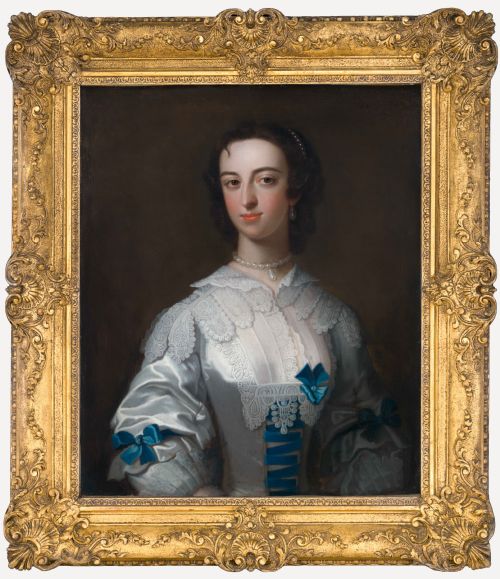
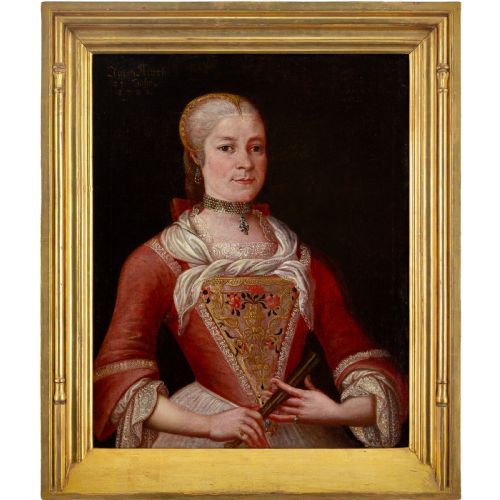
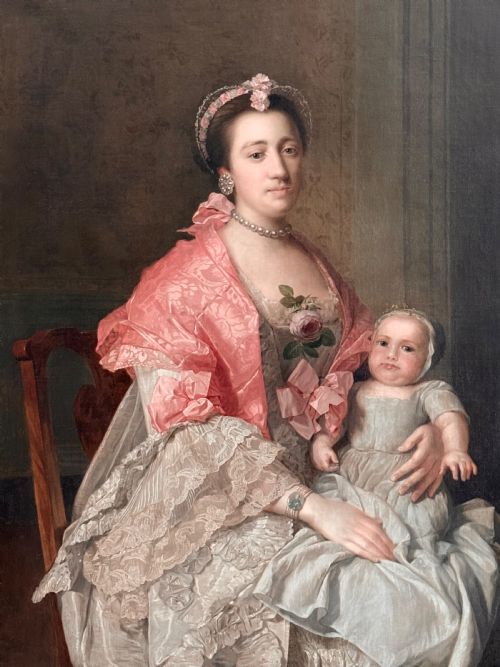
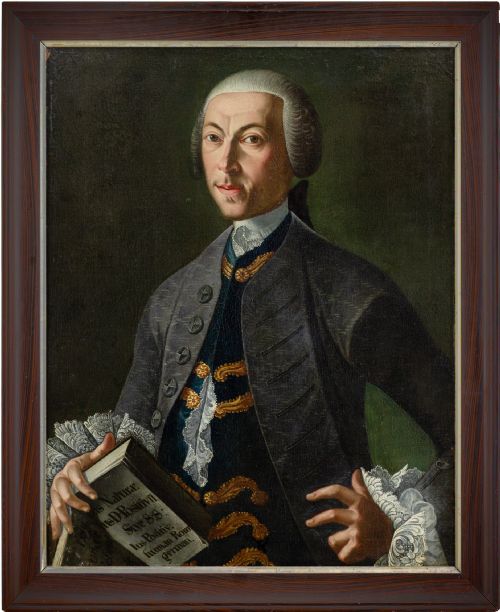
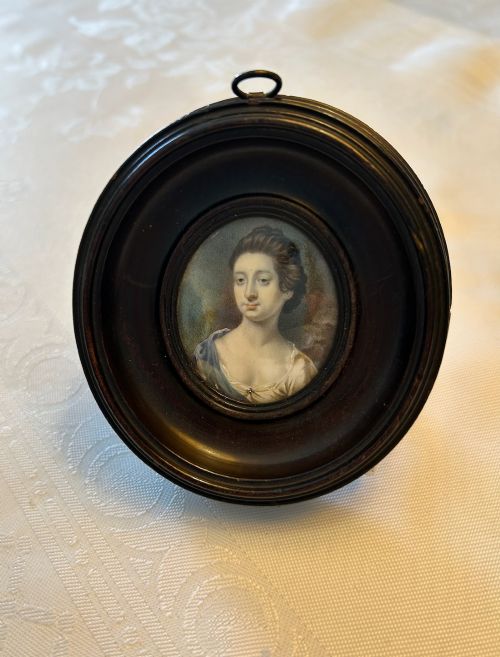
Mid 18th century art encompasses oil paintings, portrait miniatures, maps, and decorative storage pieces created primarily during the 18th century. Buyers searching for mid 18th century art encounter a strong selection of regional schools, including Bavarian, Scandinavian, French, English, and German works.
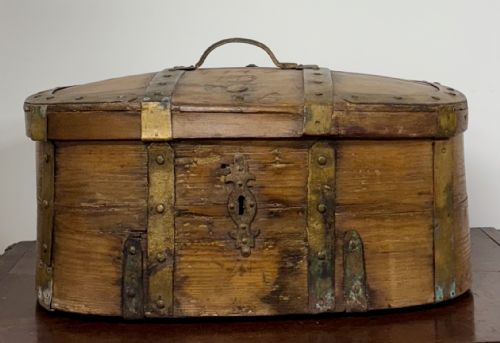
The dominant forms in this category are oil on canvas portraits depicting ladies, gentlemen, and aristocrats. Alongside paintings, functional items such as pine chests, decorated boxes, and gilt mirrors reflect the domestic material culture of the era.
Origins span across Britain, Sweden, Denmark, Germany, France, Italy, and Spain, demonstrating varied European aesthetics from Rococo lightness to Spanish Baroque intensity. Pieces range from grand master studies to provincial folk items.
Materials and construction
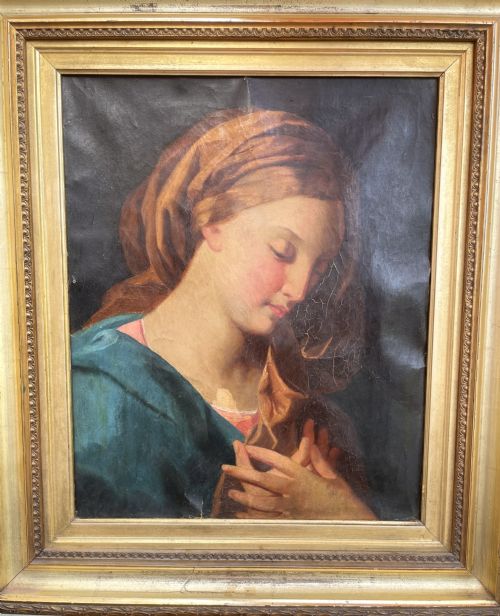
Paintings in this group utilise oil on canvas, often housed within wood frames or ebonised surrounds under glass. Canvas and pine provide the primary structural support for both framed artworks and storage chests.
Decorative elements incorporate giltwood, wrought iron hardware, and carton pierre mouldings for mirrors. Tin glazing appears on smaller earthen ware vessels from the same period.
Portraits range from British school works to Italian old master studies dated around seventeen fifty.
Factors influencing quality
The preservation of original frames, whether giltwood, wood, or ebonised, contributes significantly to a piece's integrity. Materials like pine and wrought iron show distinction through the crispness of applied surface decoration and metalwork bindings.
Sir Allan Ramsay·Henry Pickering·Eman Bowen·George Knapton·Andrea Soldi·Thomas Hudson·John Linnell·Johan Horner
The Mid 18th Century Art Glossary
- Oil on Canvas
- Pigment mixed with drying oil applied to stretched fabric. This medium allowed artists to achieve rich colour saturation and subtle tonal gradations.
- Carton Pierre
- A moulded composite material made from paper pulp, chalk, and glue. It was used to create ornate, lightweight frames and architectural ornaments.
- Portrait Miniature
- A small, intimate painting executed on a delicate scale. These works were often framed for personal display or pocket transport.
- Giltwood
- Timber coated with a thin layer of gold leaf over a prepared base. It provided reflective brilliance for mirrors and picture frames.
- Tin Glazed Earthenware
- Pottery covered with an opaque white glaze containing tin oxide. This surface served as a ground for painted decoration.
Mid 18th Century Art: Frequently Asked Questions
What subjects appear in mid 18th century art?
Portraits of aristocracy, gentlemen, ladies, and children dominate the painted works in this category. Biblical scenes and maps also occur alongside utilitarian decorated storage chests.
Subjects often reflect the status and interests of European patrons during the 1740s and 1750s.
How do I date mid 18th century art?
Dating relies on stylistic clues, sitters' clothing fashions, costume details, and artist biographical dates. Hairdos, lace jabots, and silk gown cuts help narrow down the decade.
Painted dates, signatures, or associated archival records provide precise confirmation where available.
Where were these pieces made?
Origin locations span Britain, Sweden, Denmark, Germany, France, Italy, and Spain. Regional schools such as the Bavarian and Scandinavian traditions produced distinct local variations.
Materials and construction methods often reflect the geographic origins of the workshops.
How should I live with oil paintings?
Oil paintings require stable indoor environments away from direct sunlight and dramatic temperature swings. Proper wall mounting ensures canvas tension remains uniform over time.
Dusting should be done gently with a soft brush, avoiding chemical cleaners on the paint surface.