

Georgian Male Portrait Painting
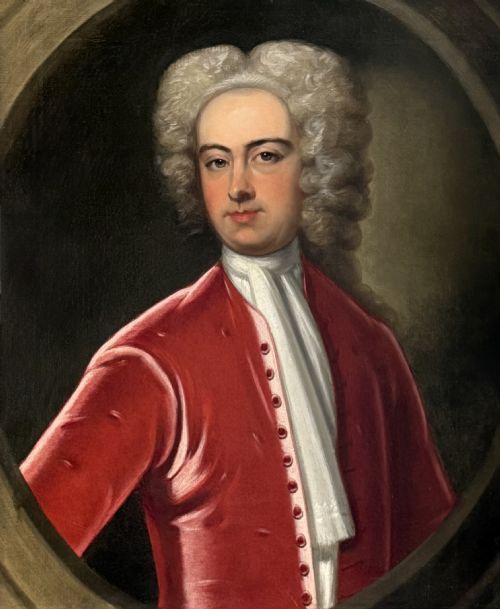
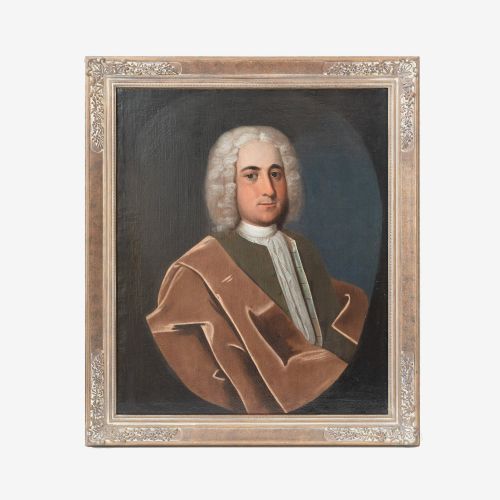
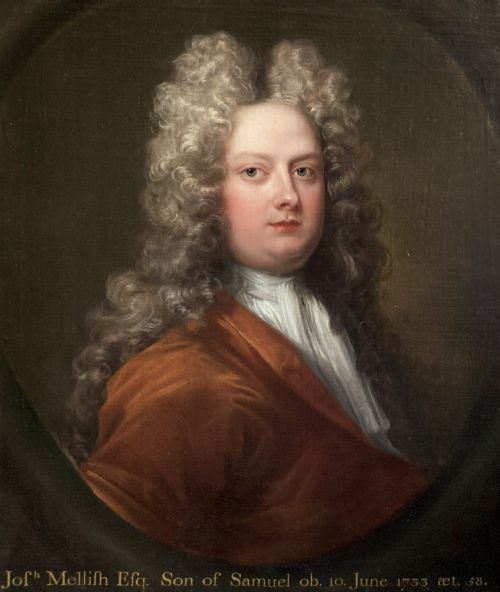
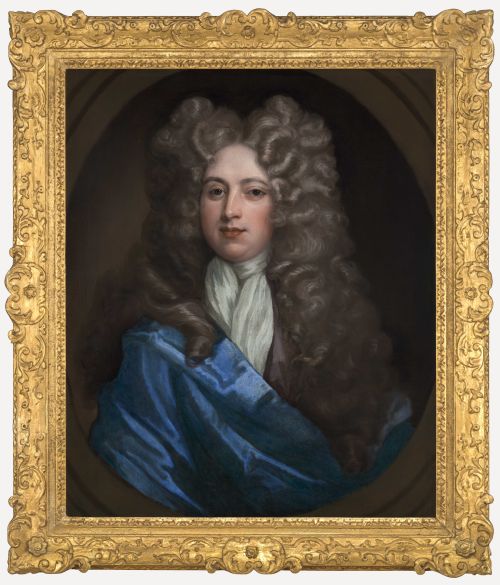
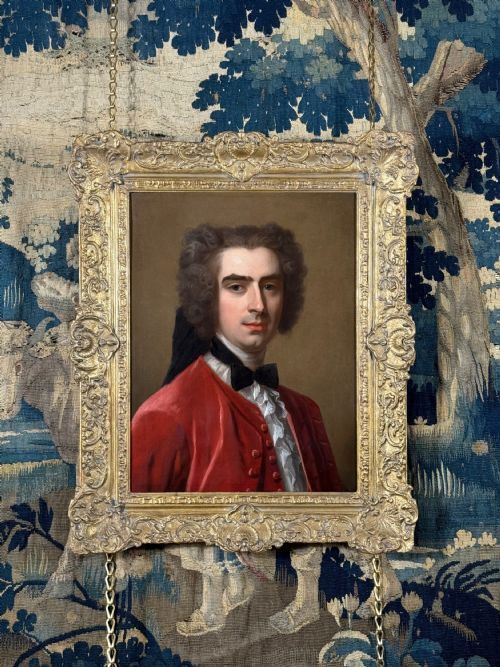
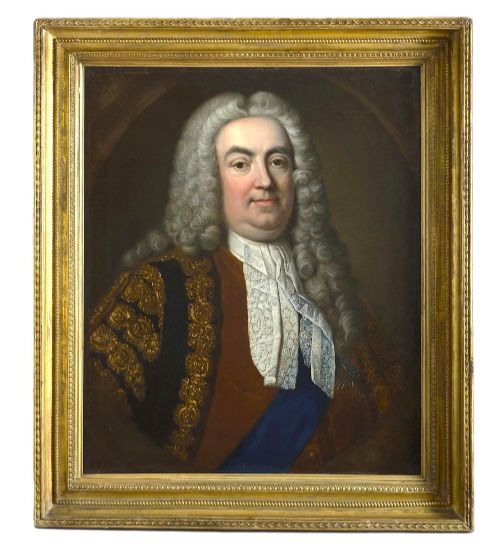
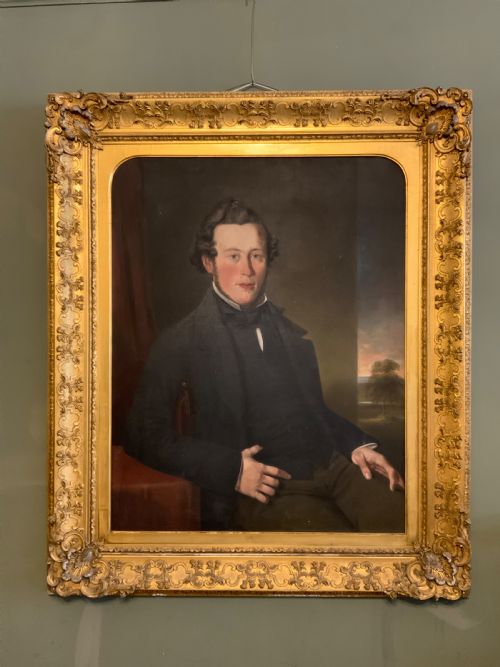
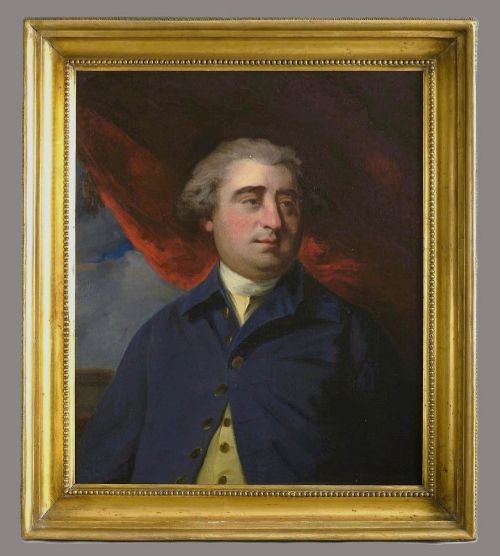
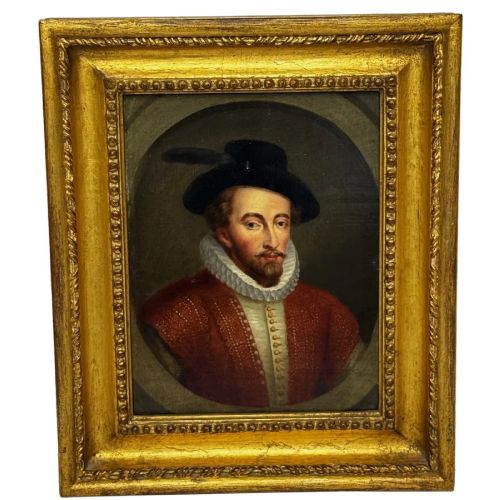
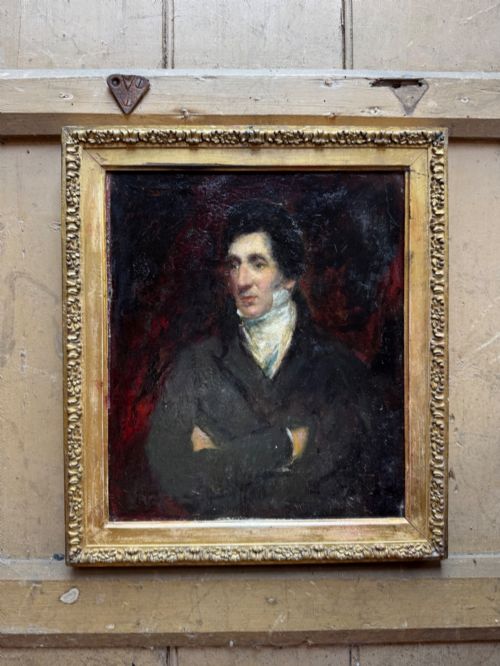
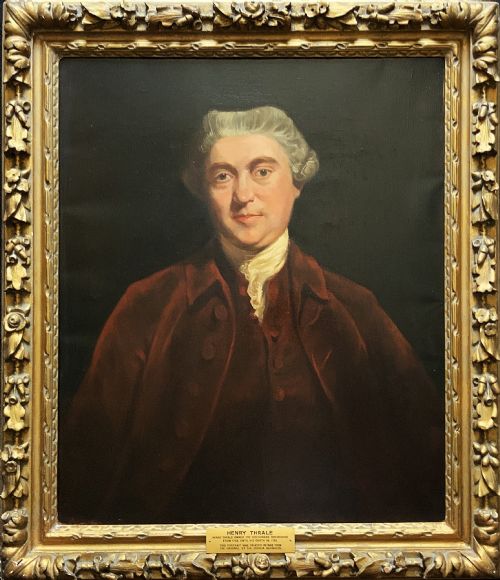
A georgian male portrait painting captures elite subjects in oil on canvas, offering a direct window into the distinguished faces of past centuries.
Georgian Male Portrait Painting
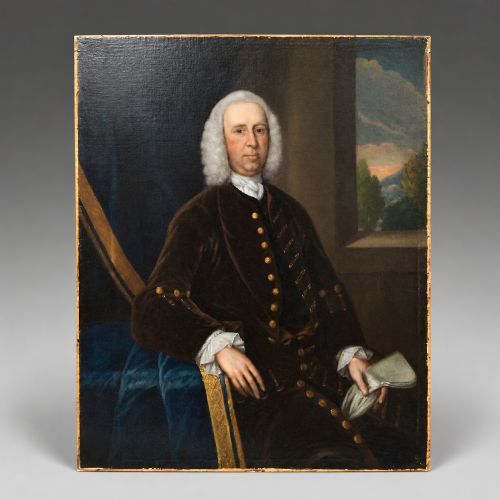
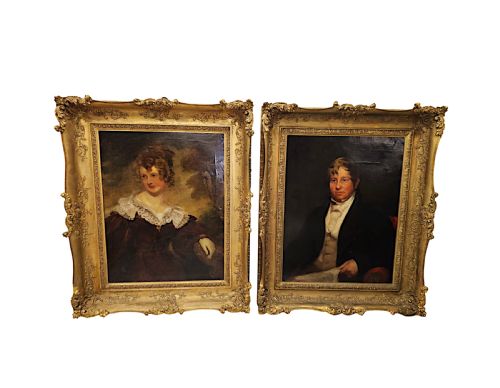
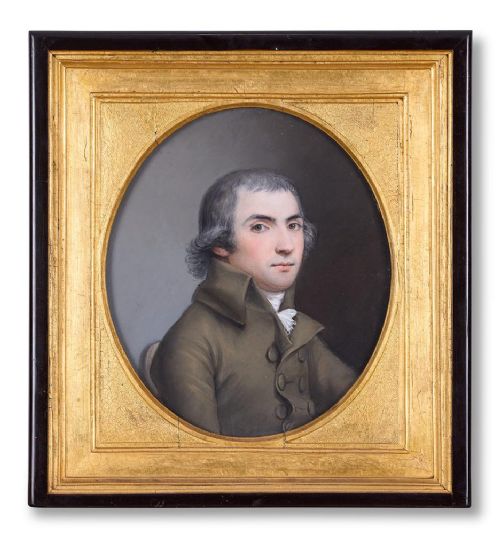
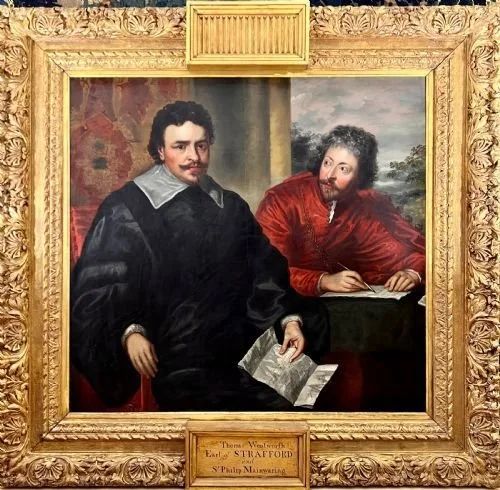
When searching for a georgian male portrait painting, collectors encounter formal depictions of seated gentlemen, physicians, politicians, and aristocrats rendered in oils. These works span the eighteenth century and the Regency era, depicting subjects with varied social standing from prominent statesmen to regional doctors.
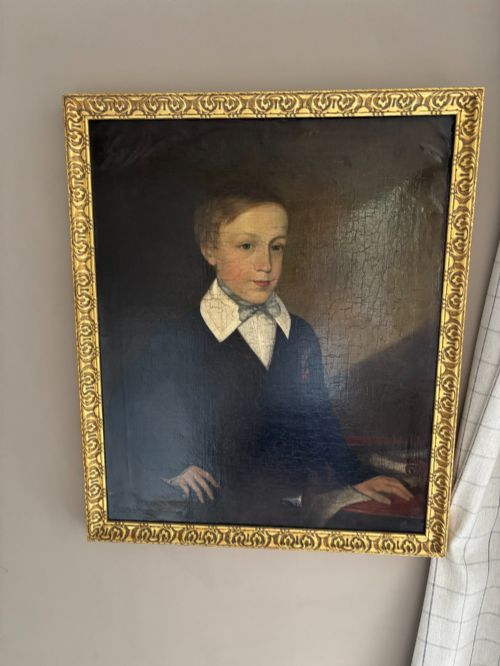
The majority of these canvases originate from British and Scottish schools, occasionally extending to French portraiture and later interpretations. Forms range from life-sized oils housed in original giltwood frames to smaller domestic portrayals reflecting distinct personal commissions.
Subjects often bear attributes of their profession or status, holding letters, books, or scientific instruments such as skulls. This category bridges formal artistic skill with historical documentation, preserving the likeness and attire of historical men.
Distinctions in Quality
Quality in a georgian male portrait painting rests upon the anatomical precision of the subject and the psychological depth captured in the facial expression. Studio works by established painters demonstrate superior brushwork in the rendering of lace jabots, velvet garments, and hands compared to simpler provincial or naive school examples.
The preservation of the original oil surface and the presence of period giltwood framing significantly influence the standing of a piece. Works retaining documented provenance or attribution to recognised circles of major portraitists hold distinct scholarly and aesthetic value.
Georgian Male Portrait Painting Retail Price Guide 2026
Typical asking prices for georgian male portrait painting among the pieces listed under this phrase on Sellingantiques today, from the lower quarter to the upper quarter. They describe what is for sale here now, not the wider market.
The inventory records formal depictions of medical doctors, aristocrats, and politicians framed in period wood and gold leaf.
Sir William Beechey·Charles Jervas·Jean-Baptiste Van Loo·Sir Joshua Reynolds·Francis Hayman·George Watson·Michael Dahl·Thomas Hudson
The Georgian Male Portrait Painting Glossary
- Oil on Canvas
- Pigment mixed with drying oil applied to a woven fabric support. This combination allowed artists to blend tones smoothly and build rich textures.
- Giltwood
- Wood carved and treated with a thin layer of gold leaf. Frames executed in this material provided formal borders for elite portraiture.
- Circle of
- A designation indicating an artist worked closely within the immediate sphere of a master. It denotes strong stylistic proximity without direct attribution.
- Regency
- The period in British history spanning the early nineteenth century, noted for refined neoclassical aesthetics. Portraits from this era display specific shifts in male fashion and hair styling.
- Jabot
- A decorative lace or linen ruffle attached to the front of a shirt. Its detailed rendering often indicates the skill level of the portrait painter.
Georgian Male Portrait Painting: Frequently Asked Questions
How do I identify a Georgian portrait?
Look for the distinctive clothing styles of the eighteenth century, including powdered wigs, velvet coats, and cravats. Examining the preparation of the canvas and the framing materials also helps establish the correct period.
Signatures or inscriptions on the reverse of the canvas often provide direct clues regarding the subject and the date of execution.
Where were these paintings displayed originally?
These portraits hung in the panelled libraries, drawing rooms, and halls of country houses and urban townhouses. They served to display lineage, professional success, and social standing to visiting guests.
Many remained in private family collections for generations before entering the art market.
How should I care for an oil painting?
Keep the canvas away from direct sunlight and steady fluctuations in room temperature and humidity. Avoid using chemical cleaners on the painted surface and consult a professional conservator for cleaning.
Ensure the hanging wire and wall fixings remain secure to support the weight of the wooden frame.
What is the difference between studio work and master work?
A master work is painted entirely by the named artist's hand, while studio or circle works are produced under supervision or by close associates. Both carry historical value, but direct master execution commands greater art historical significance.
Stylistic comparison with documented pieces helps clarify the level of workshop participation.