




Metal Wine Stand
A metal wine stand holds bottles securely while adding functional charm to a dining room or cellar.
Metal Wine Stand
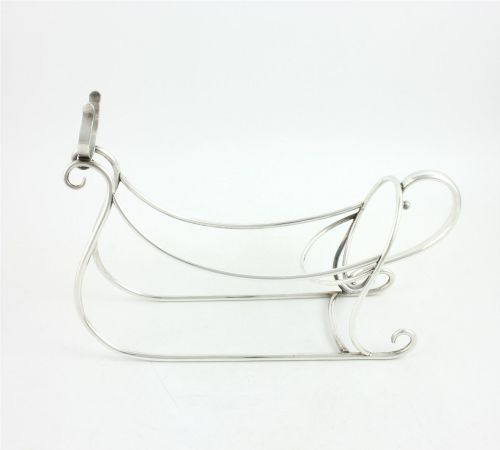
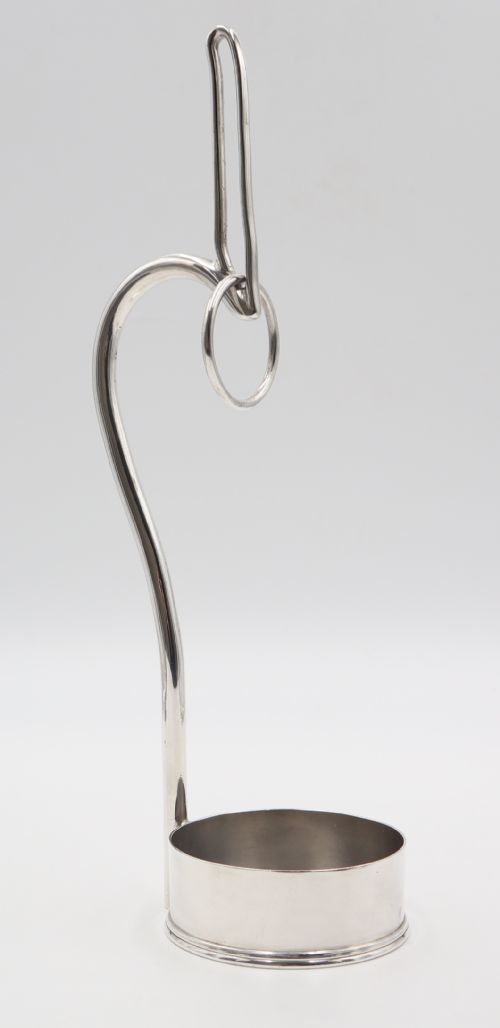
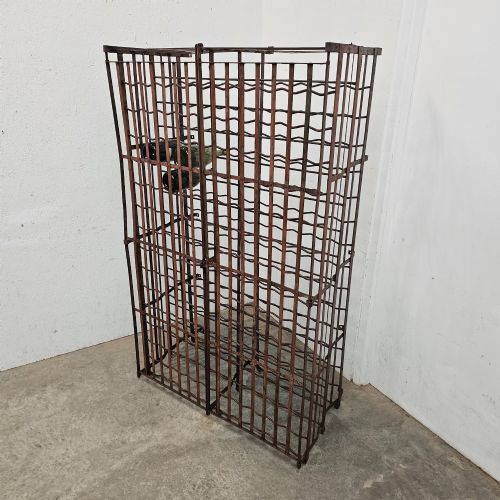
A metal wine stand serves as a sturdy holder for bottles, ranging from small silver-plated table coasters to large French steel racks holding hundreds of bottles. When searching for a metal wine stand, buyers encounter various forms including bottle holders, wine coolers, and side tables fitted for drinks.
The pieces span multiple eras, with nineteenth-century examples and early twentieth-century designs appearing frequently alongside Victorian and Edwardian items. Materials shift between brass, silver plate, iron, and wrought iron, often combined with wood or glass.
Many items originate from French workshops or British country houses, reflecting utilitarian agricultural roots like grape hods alongside refined dining accessories. The selection balances practical storage with decorative display pieces for domestic interiors.
How they were made
Construction relies heavily on durable metals such as brass, steel, and iron, shaped through casting, forging, and plate work. Silver plating is common on tabletop items, providing a bright finish over base metals.
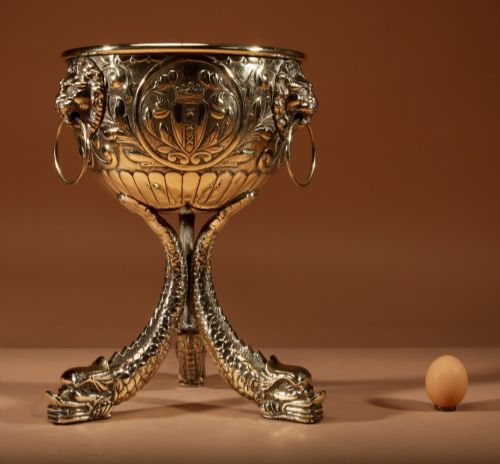
Makers integrated supporting materials like mahogany, walnut, glass, and toleware into the metal frames. Techniques include piercing, embossing, and engraving, particularly visible on Art Nouveau and dinanderie pieces.
Metal Wine Stand Retail Price Guide 2026
Typical asking prices for metal wine stand among the pieces listed under this phrase on Sellingantiques today, from the lower quarter to the upper quarter. They describe what is for sale here now, not the wider market.
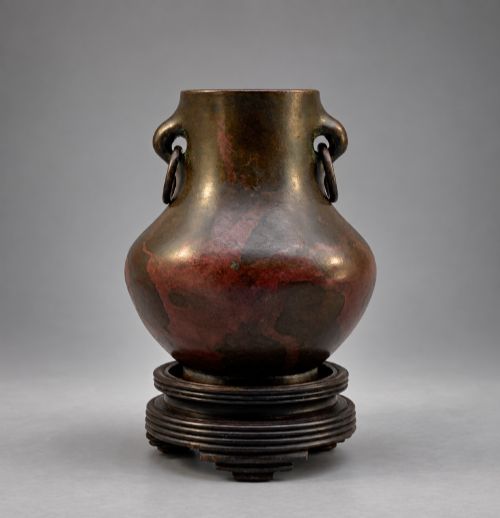
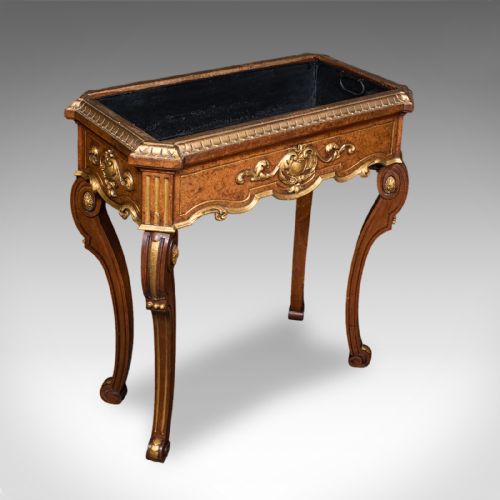
The object types span large French steel wine racks holding hundreds of bottles to petite toleware wine tables and Chinese bronze vessels.
What varies in quality
Quality rests on the precision of the metalwork and the integrity of the combined materials. Finely pierced silver plate or deeply embossed brass demonstrates superior craftsmanship compared to simpler utilitarian frames.
The balance between structural utility and decorative flourish defines the better examples, whether in a large architectural wine rack or an intricate tabletop bottle holder.
Mappin & Webb
The Metal Wine Stand Glossary
- Silver plate
- A thin layer of silver fused to a base metal such as copper or brass. This technique offered the appearance of solid silver at a lower cost for nineteenth-century dining wares.
- Wrought iron
- Iron heated and hammered into shape by hand. This material provides strong, flexible support in large wine racks and stands.
- Dinanderie
- The traditional craft of beaten and engraved brass, bronze, or copper items. Originating in the Belgian town of Dinant, it covers various decorative vessels and stands.
- Toleware
- Lacquered or enamelled sheet metal items, often painted. It appears on nineteenth-century trays, hoppers, and small stands.
- Archaistic
- A style that consciously imitates ancient art forms. Chinese bronze vessels from later dynasties often adopted this aesthetic.
Metal Wine Stand: Frequently Asked Questions
How were metal wine stands used?
These pieces served practical roles in dining rooms, cellars, and country houses for holding, cooling, or pouring wine. Tabletop holders kept bottles steady during meals, while large steel racks stored bulk supplies.
Agricultural versions, such as grape hods, were used during harvests before finding second lives as rustic holders. Over time, their function shifted from pure utility to include decorative display in domestic settings.
How do I clean a silver plated bottle holder?
Silver plate requires gentle cleaning with a soft cloth and a specialised silver polish that does not strip the thin metallic coating. Avoid harsh abrasives that can expose the base metal underneath.
Regular, light dusting keeps tarnish at bay without wearing down the engraved or pierced details characteristic of Edwardian and Victorian pieces.
What is the difference between iron and brass stands?
Iron and wrought iron provide heavy, industrial strength suited for large bottle capacities and robust cellar furniture. Brass offers a warmer, golden tone frequently utilised in decorative side tables, jardiniere stands, and smaller tabletop holders.
While iron prioritizes structural endurance, brass often emphasises decorative surface techniques like embossing and engraving.
Are French wine racks different from British ones?
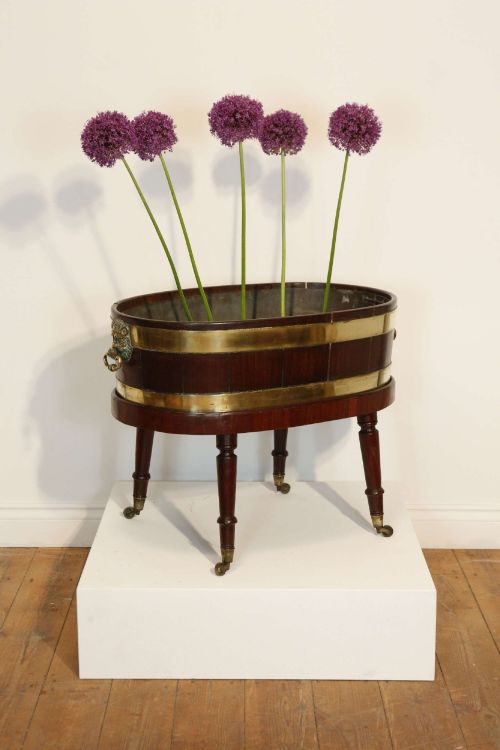
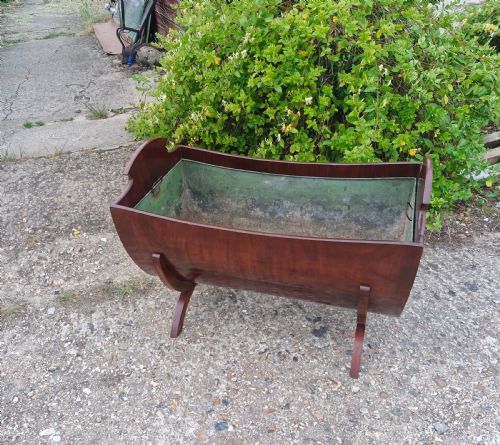
French examples often reflect regional winemaking traditions, incorporating items like steel bottle cages or grape picking hods. British pieces tend to align with formal country house dining, featuring mahogany frames with brass rims or silver-plated bottle holders.
Both traditions utilise durable metals, but the French items frequently lean towards industrial or agricultural aesthetics.