

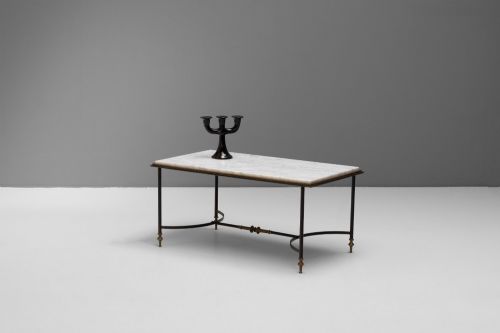
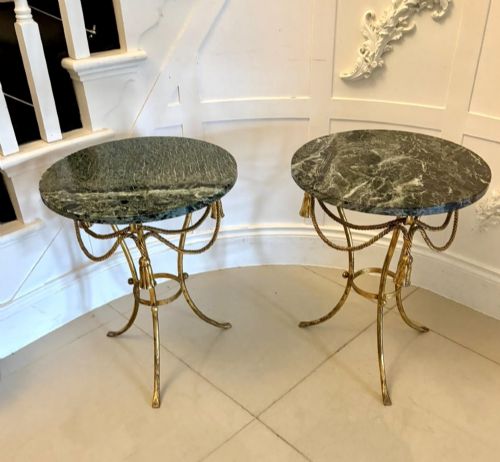

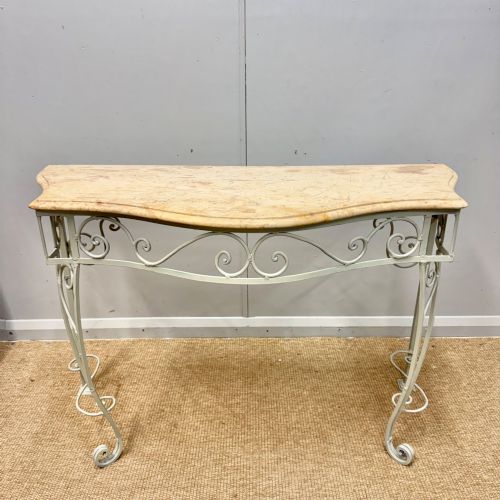
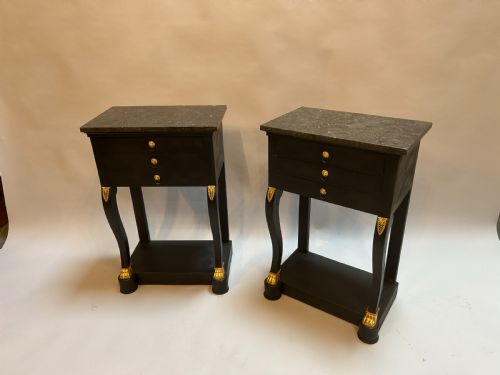

Metal Topped Table
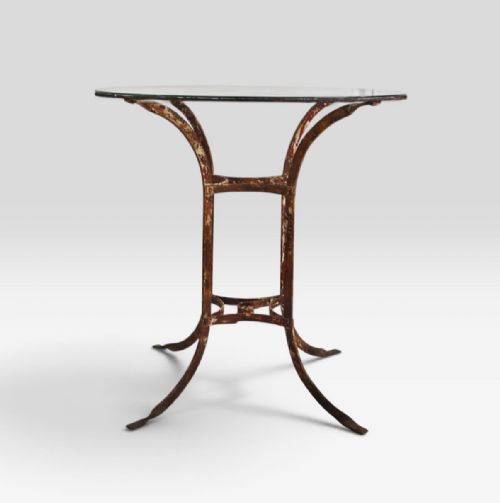
A metal topped table brings cold stone, cast iron or gleaming brass surfaces together with wood, iron or gilt frames for practical daily use.
Metal Topped Table
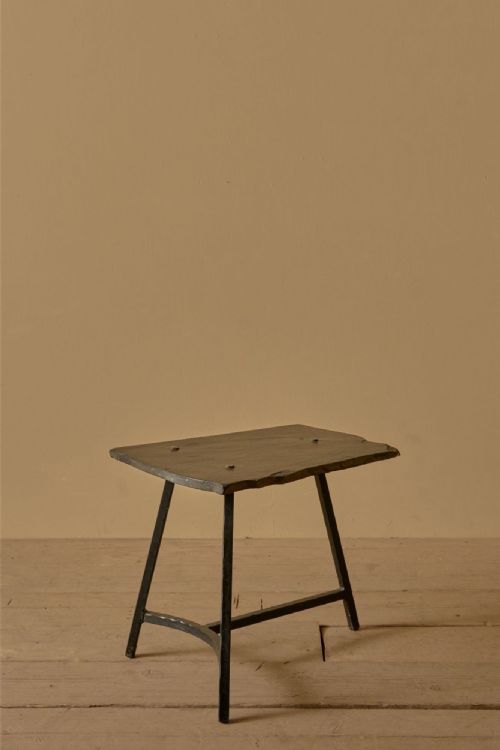
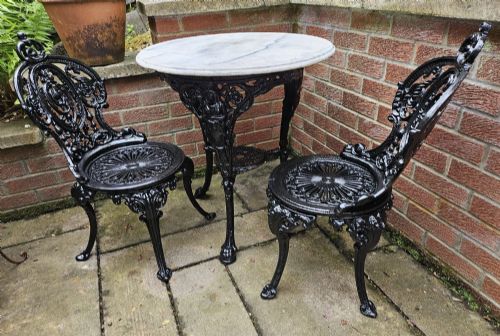
A metal topped table combines a durable surface of zinc, brass, slate, or marble with supporting frames of cast iron, wrought iron, or wood, creating pieces designed for both interior rooms and outdoor gardens.
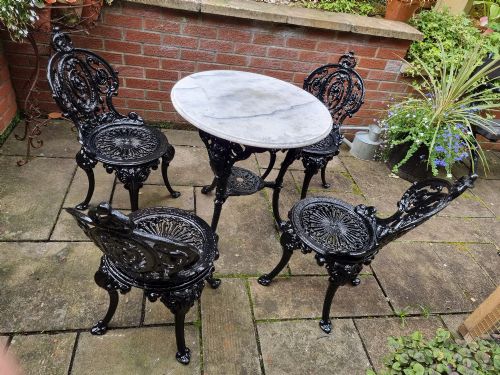
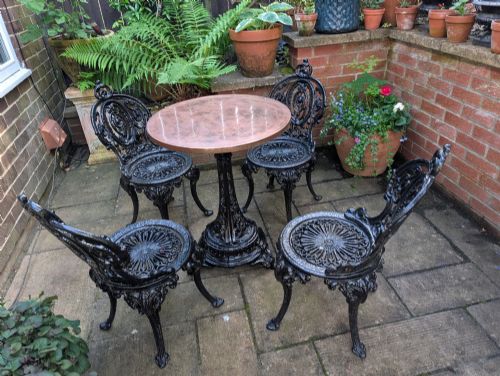
Buyers seeking a metal topped table will frequently encounter nineteenth-century garden dining sets, French bistro tables with cast-iron bases, and smaller occasional or side tables dating from the Edwardian era through the nineteen-forties.
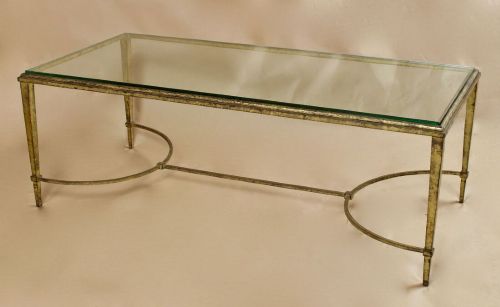
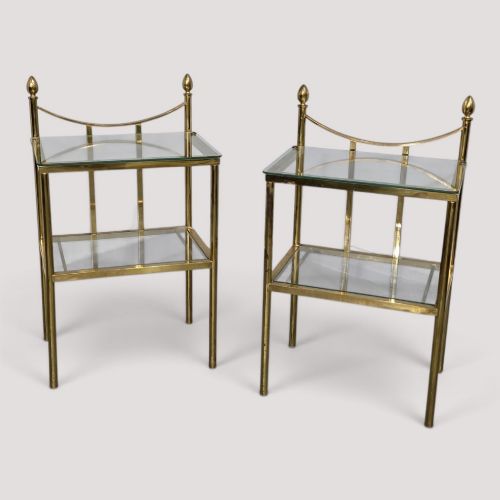
The selection ranges from industrial stands and campaign trunks to ornate French Empire guéridons, Hollywood Regency coffee tables, and Art Deco chrome designs featuring inset stone or glass.
How they were made
Foundry work and metal casting produced the heavy iron bases, grates, and legs seen on garden sets and console tables, utilising moulds that yielded crisp botanical motifs or plain industrial frames.
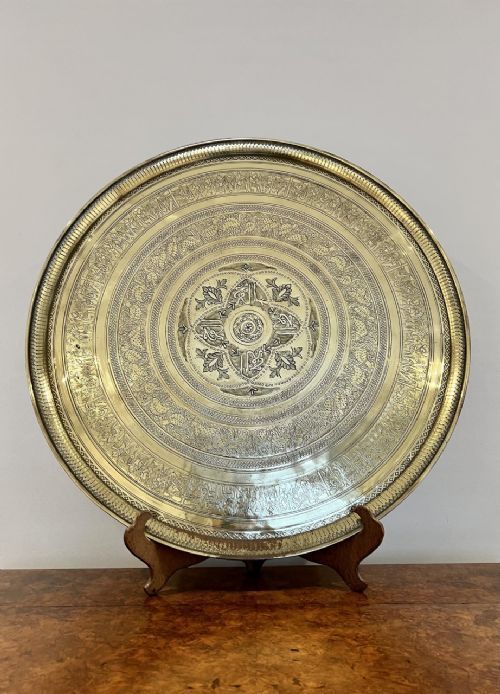
Stone and metal tops were joined to wooden or iron carcases using traditional fixings, while decorative surfaces relied on hand-engraved brass, gilt metal applications, or inset polished marble slabs.
Smiths and cabinetmakers shaped wrought iron, brass, and steel into structural supports, finishing surfaces with green paint, lacquer, or polished plating.
Metal Topped Table Retail Price Guide 2026
Typical asking prices for metal topped table among the pieces listed under this phrase on Sellingantiques today, from the lower quarter to the upper quarter. They describe what is for sale here now, not the wider market.
One Victorian garden table bears the proud name 'The Rotherham', ensuring your petunias dine with proper industrial authority.
What varies in quality
The distinction between standard utility items and exceptional pieces rests on the weight and purity of the materials, such as thick verde marble or heavy cast iron versus lighter pressed sheet metal.
Finer examples display careful hand-finishing in the engraved brass tray tops, precise casting in iron garden frames, and harmonious proportions in French neoclassical and Art Deco designs.
Original surfaces and hardware, from early cast-iron makers' signatures to untouched patinated zinc and brass, elevate the standing of a piece far above later restorations.
Maison Ramsay·Mallets·Archibald Knox
The Metal Topped Table Glossary
- Guéridon
- A small round table on a single central pillar or three legs, frequently topped with marble and popular in nineteenth-century French interiors.
- Console table
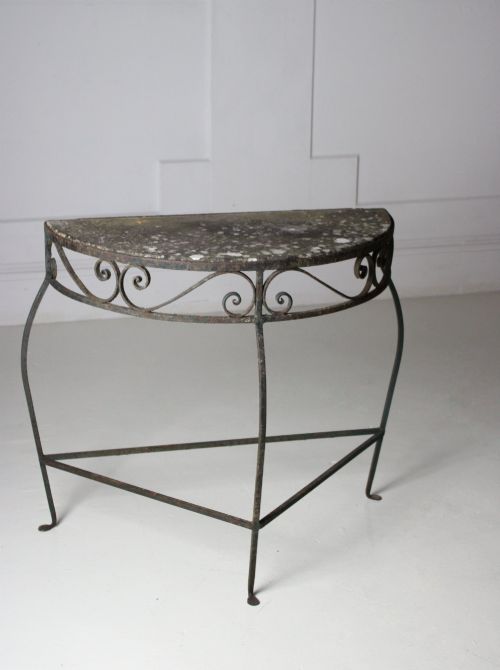
- A table designed to stand against a wall, often supported by ornate iron or gilt brackets and finished with a stone or glass top.
- Bistro table
- A small café table typically featuring a heavy cast-iron base and a marble, zinc, or wooden top built for commercial hospitality use.
- Ormolu
- Gilded bronze or metal mounts applied to furniture, adding decorative detail to neoclassical and French Empire designs.
- Cairoware
- Islamic metalwork featuring intricate engraved brass or mixed metal designs, often applied to trays and decorative table tops.
Metal Topped Table: Frequently Asked Questions
Where should I place a metal topped table?
These tables suit hallways, living rooms, and conservatories where durable surfaces withstand daily use. Marble and brass tops add elegance to indoor reception rooms.
Heavier cast-iron and zinc versions function well in gardens, kitchens, or patio spaces. Their robust construction handles moisture and frequent handling with ease.
How do I care for a marble top?
Marble requires gentle cleaning with mild soap and water to preserve the polished finish. Avoid acidic substances that can etch the stone surface over time.
Routine dusting and immediate wiping of spills keep the material in sound condition. Natural stone develops a soft patina through careful long-term use.
Are these tables suitable for outdoor use?
Many cast-iron and zinc designs originate as garden furniture built to withstand outdoor conditions. Painted iron frames resist weathering when properly maintained.
Indoor pieces featuring gilt metal, polished brass, or fine marquetry should remain protected from damp weather and direct rain. Check the specific materials before placing any table outside.
How do I identify the period?
Stylistic clues such as neoclassical motifs, Art Deco geometric lines, or Victorian cast-iron patterns point toward specific decades of manufacture. Construction methods like hand-engraving and early casting techniques help narrow down the date.
Maker marks, registration numbers, and foundry stamps found on iron bases provide definitive historical evidence. Comparing the weight and fastening types also indicates the age of the piece.