



Metal Side Table
A metal side table brings functional structure and a distinct metallic finish to a room, spanning periods from Victorian utility to Art Deco geometry.
Metal Side Table
A metal side table functions primarily as an occasional surface, supporting lamps or small objects beside seating or beds. These pieces emerge in materials like brass, wrought iron, and cast iron across periods such as the Victorian era and the 1930s.
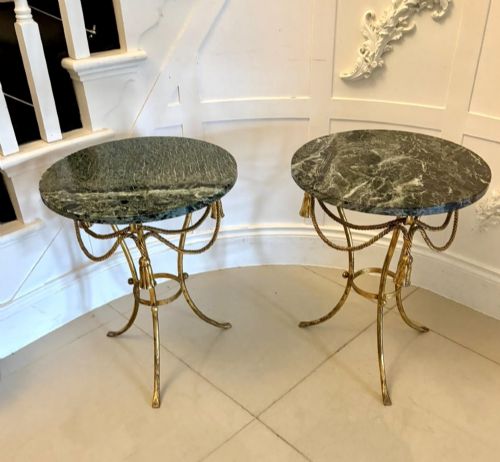
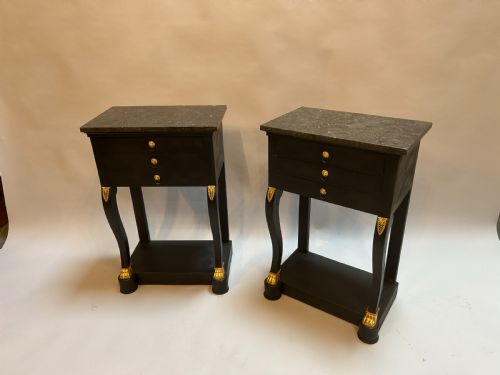
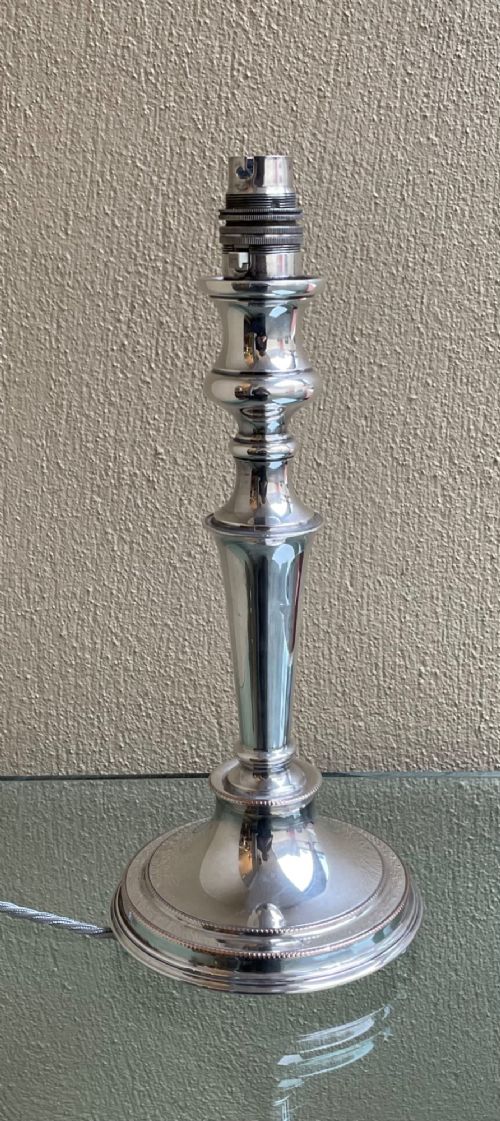
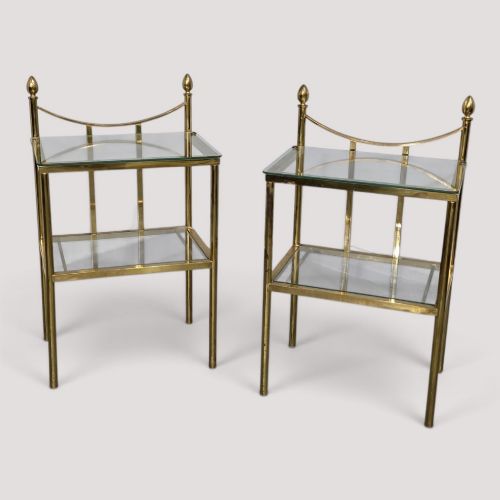
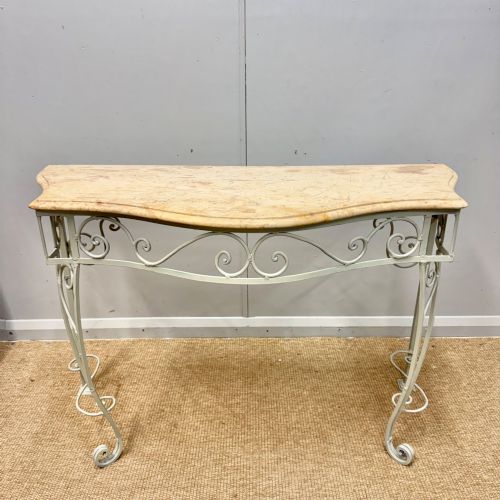
The selections here lean heavily toward French designs, including marble-topped guéridons and console tables, alongside brass and glass lamp tables. Buyers encounter forms ranging from simple industrial stands to ornate Art Nouveau or French Empire creations.
Mamluk Revival and Cairoware brass tables introduce intricate inlaid metalwork, while Art Deco pieces offer chrome and mirrored surfaces. Each form reflects the domestic habits and decorative tastes of its specific decade.
How they were made
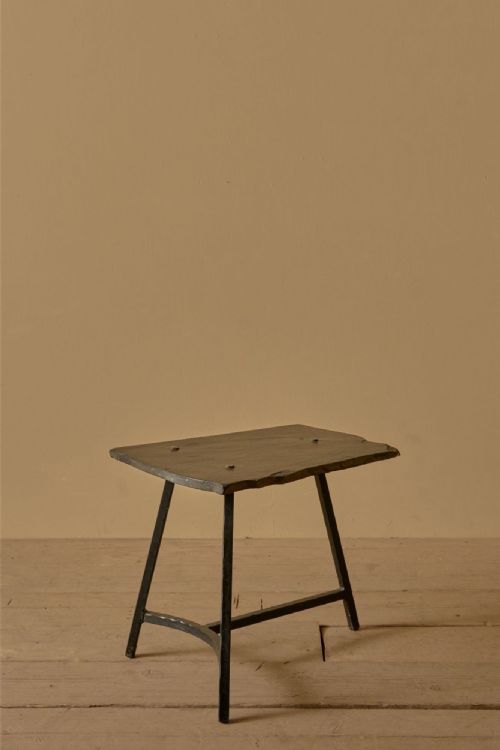
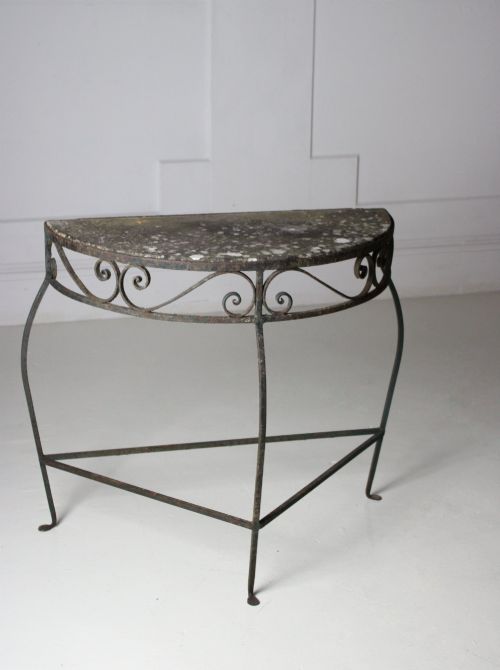
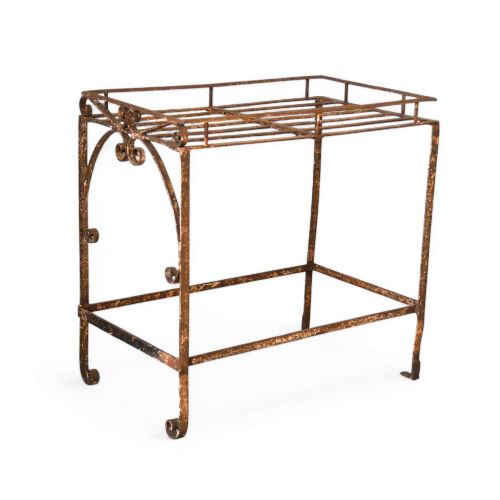
Makers shaped structural elements using cast iron, wrought iron, brass, and steel, often combining these metals with stone or glass surfaces. Wrought iron pieces rely on hand-forging techniques to achieve structural frames and decorative scrollwork.
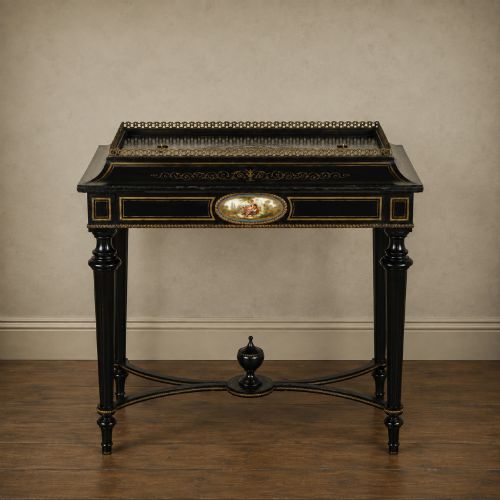
Marble and slate provide heavy, polished surfaces for console tables and guéridons, while brass elements frequently receive gilt or silver-plated finishes. Cairoware examples utilise white-metal and copper inlays hammered directly into brass bases.
Metal Side Table Retail Price Guide 2026
Typical asking prices for metal side table among the pieces listed under this phrase on Sellingantiques today, from the lower quarter to the upper quarter. They describe what is for sale here now, not the wider market.
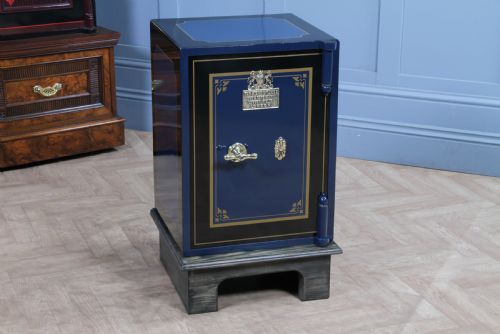
Several tablesdouble as medieval-style Quran stands or heavy-duty Victorian bank safes disguised on stands.
What varies in quality
Quality rests upon the integrity of the materials and the precision of the assembly, distinguishing heavy cast or forged metal from lighter stamped substitutes. Superior examples feature well-fitted marble tops, crisp chasing on ormolu or brass, and robust structural joints.
The refinement of surface decoration, such as hand-inlaid copper or precise silver plating, separates standard production items from exceptional workshop pieces. Structural preservation also matters, as intact original patinas and stable frames retain the intended character of the period.
Mappin & Webb·Oliver Percy Bernard·E Rousseau·Archibald Knox
The Metal Side Table Glossary
- Guéridon
- A small French round table, typically supported by a central pillar or three legs. These often feature marble tops and gilt metal mounts.
- Cairoware
- Metalwork originating from Cairo, usually consisting of brass inlaid with silver, copper, and white metal in geometric or Islamic patterns.
- Ormolu
- Gilt bronze, where a gold-coloured mercury amalgam is applied to a bronze base. It provides a rich, lasting metallic lustre on nineteenth-century pieces.
- Toleware
- Painted or lacquered metalware, commonly tin, finished with enamelled designs. It appears on occasional tables and decorative household items.
- Spelter
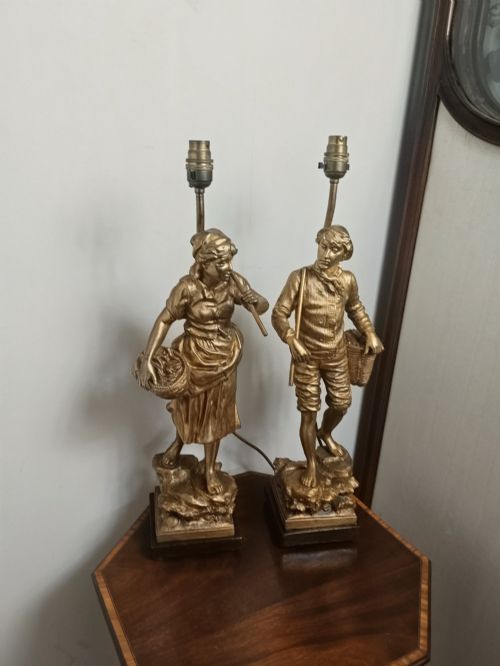
- A zinc alloy used as a less expensive alternative to bronze for cast figures and bases. It frequently receives a bronze-like coating.
Metal Side Table: Frequently Asked Questions
What is a metal side table?
A metal side table is a compact furniture piece built with a metallic frame or surface, designed to hold lamps, drinks, or decorative objects.
These pieces utilise materials such as brass, cast iron, and wrought iron, appearing in styles ranging from Victorian industrial to Art Deco.
Where should I place it?
These tables fit easily beside armchairs, sofas, or beds where a small surface is needed for daily items.
Marble-topped and gilt versions suit formal sitting rooms, while iron and steel variants anchor more industrial or country-style interiors.
How do I date a piece?
Dating relies on identifying the prevailing design style, manufacturing techniques, and materials characteristic of specific decades.
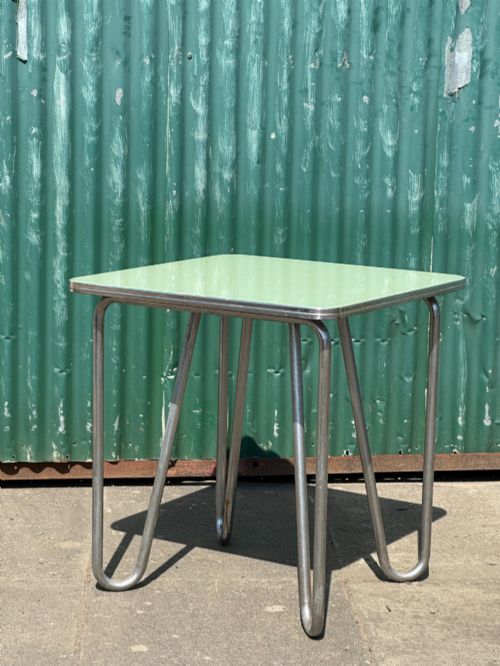
Victorian and Edwardian items often display heavy cast iron or detailed brass work, while 1930s examples favour chrome, mirrored glass, and clean geometry.
Are these tables heavy?
Weight varies considerably depending on the primary materials used in the construction.
Pieces incorporating solid marble tops, thick cast iron, or substantial brass frames carry significant weight, whereas tubular steel or wire frames remain light and portable.