


Metal Shade Table Lamp
A metal shade table lamp brings focused illumination and industrial or period character to a desk or reading corner.
Metal Shade Table Lamp
A metal shade table lamp covers a variety of desk lamps, reading lights, and bouillotte lamps produced across the nineteenth and twentieth centuries. These pieces combine functional illumination with distinct period styles, ranging from Victorian brass designs to Art Deco machine age creations.
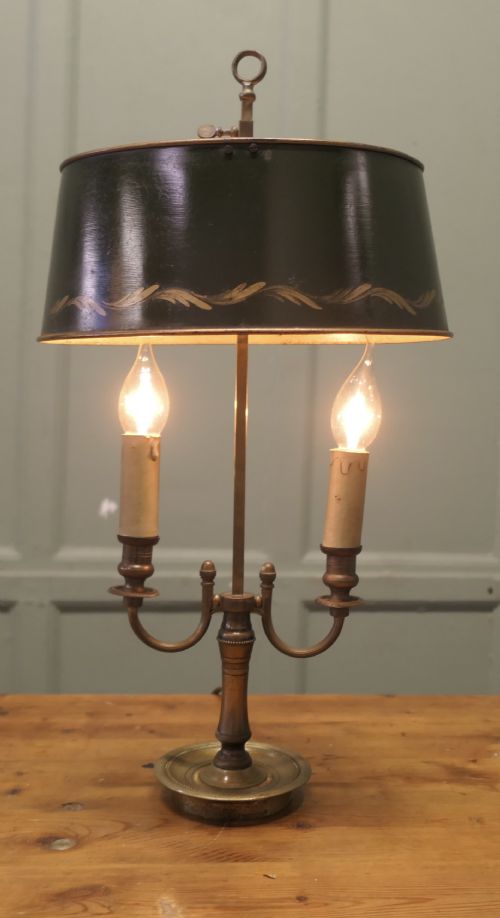
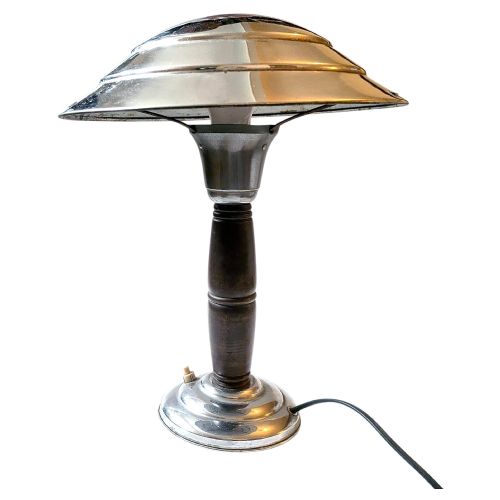
Most examples originate from French workshops or British makers, utilising adjustable arms, twin or triple candle configurations, and weighted bases. The selection frequently includes toleware shades painted in green or black with gold detailing, alongside nickel, chrome, and patinated copper finishes.
Craftsmanship and Design
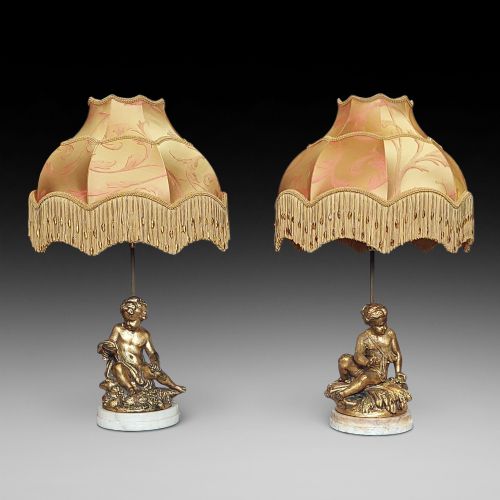
Quality rests in the weight of the casting, the precision of chased or engraved details on the metalwork, and the durability of the structural joints. Superior examples feature integrated materials such as genuine marble bases and heavy gauge brass rather than lighter plated substitutes.
Design integrity also separates standard utility lighting from sculptural decorative pieces, particularly in signed or attributed Art Nouveau, Art Deco, and Amsterdam School variants where artistic ambition shapes the entire silhouette.
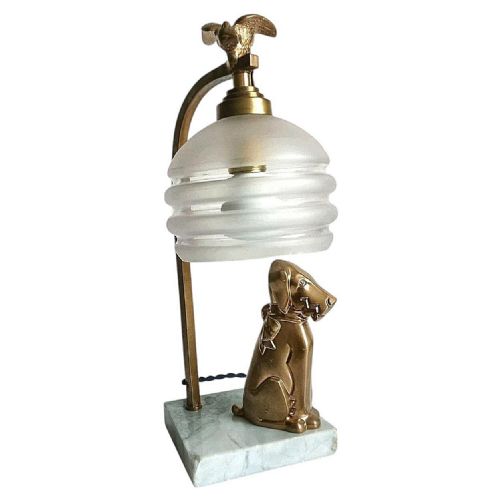
Several Victorian and Art Deco lamps incorporate whimsical animal figures, perching parrots beside dogs to keep watch over your desk.
Wilhelm Wagenfeld·Muller Bros·The Charles Parker Company
The Metal Shade Table Lamp Glossary
- Toleware
- Painted or lacquered sheet metal items, frequently utilised for adjustable lamp shades in green, black, or red with gilt accents.
- Spelter
- A zinc alloy cast into figures or bases, often given a bronze or gilt finish to imitate costlier metals.
- Bouillotte lamp
- A traditional desk or table lamp featuring multiple candle arms beneath a central adjustable metal shade.
- Ormolu
- Gilt bronze mounted on decorative objects and light fittings, created through a mercury gilding process or electroplating.
Metal Shade Table Lamp: Frequently Asked Questions
How do I date a metal shade table lamp?
Dating relies on material combinations, manufacturing techniques, and stylistic markers such as Art Deco geometric lines or Victorian brass casting methods. Examining the switches, wiring channels, and base materials helps narrow the decade of production.
Compare the patina on the metal and the construction of the shade mounts against known examples from periods like the Arts and Crafts movement or the machine age of the 1930s.
Were these lamps originally electrified?
Many early pieces began as candle lamps, oil lamps, or bouillotte desk lights before being converted for electric bulbs during the twentieth century. Original wiring is rarely intact on antique examples.
Buyers should expect historical conversions where burners or candle sockets were adapted to house lamp holders while preserving the original metal shade and weighted base.
How do I clean a toleware metal shade?
Painted metal shades require gentle dusting with a soft, dry cloth to protect the underlying lacquer and gilt decoration. Avoid abrasive cleaners or strong solvents that strip the painted finish.
Water should be used sparingly, if at all, ensuring the painted surfaces and any aged brass or gilt trim remain dry to prevent corrosion.
Where should I place a bouillotte lamp?
Bouillotte lamps suit a desk, side table, or reading console where their adjustable shades can direct light downwards onto a specific surface. The traditional design works well in studies and drawing rooms.
Ensure the table or desk has sufficient depth to support the weighted base and balanced proportions of a multi-arm metal shade fixture.