


Metal Picture Frame
A metal picture frame brings lasting character to a desk or mantel, holding treasured portraits and miniature paintings with distinctive period style.
Metal Picture Frame
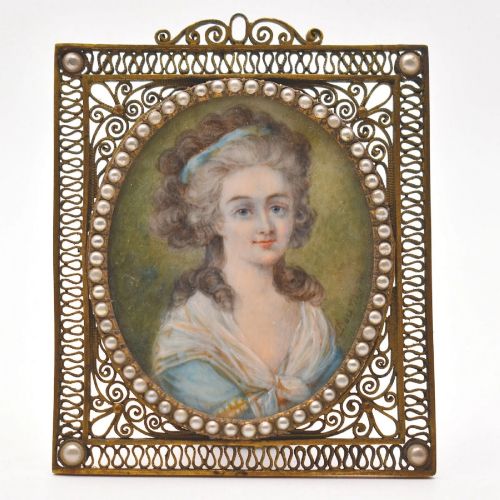
A metal picture frame encompasses diverse decorative objects designed to display portraits, watercolours, and photographs. The selection ranges from nineteenth century Victorian cast brass to sleek Art Deco chrome and nickel plated silver designs.
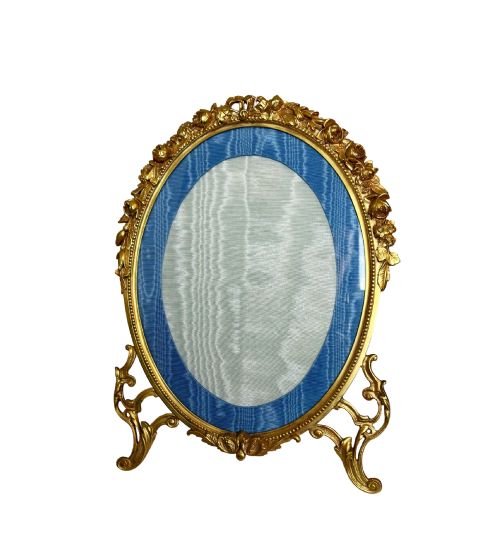
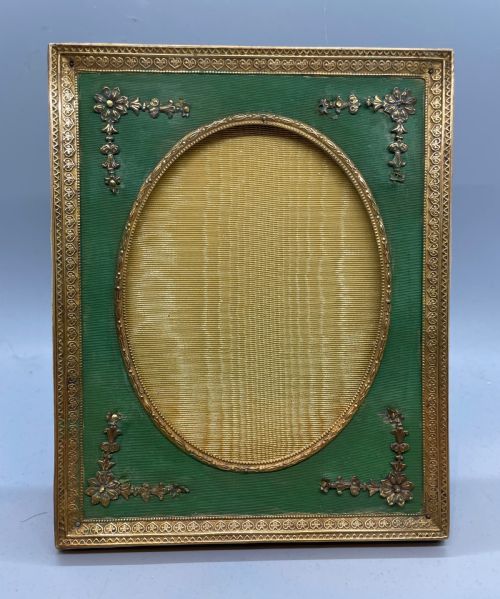
Buyers frequently encounter French ormolu, gilt bronze, and brass examples dating from the nineteenth and early twentieth centuries. These items often incorporate easel backs, glass panels, and intricate cast motifs such as cherubs or floral details.
How they were made
Craftsmen utilised various metals including brass, copper, bronze, pewter, and iron, often applying a gilt finish to enhance visual depth. Casting and micro mosaic techniques feature prominently alongside champleve enamel work and applied paste stones.
Structural integrity relies on fitted glass plates to protect the artwork or photograph within. Backing materials commonly comprise wood or paper, supporting easel mechanisms or wall hanging hardware.
Several frames come inhabited by stern Victorian gentlemen, unknown sailors, and miniature birds.
What varies in quality
The refinement of the casting dictates the crispness of decorative elements like floral garlands, masks, and cherubs. Finer examples display meticulous hand-chasing and well-integrated joints rather than crude assembly.
The choice of primary metal and secondary ornamentation alters the overall presence of the object. Heavy gilt bronze and detailed micro mosaic work represent higher tiers of craftsmanship compared to plain stamped sheet metal.
Moseley·John Joseph Mechi
The Metal Picture Frame Glossary
- Ormolu
- Gilt bronze mounted on decorative metalwork. This technique was widely employed in French furnishings and picture frames during the nineteenth century.
- Champleve
- An enamelling technique where troughs are sunk into the metal surface and filled with vitreous paste before firing. It appears on various nineteenth century frames.
- Micro mosaic
- Tiny coloured glass tesserae assembled to form intricate pictorial motifs. These frequently adorn the borders of Victorian easel frames.
- Easel back
- A hinged strut attached to the rear of a frame for tabletop display. This support mechanism allows the object to stand securely.
Metal Picture Frame: Frequently Asked Questions
How do I date a metal picture frame?
Dating relies on stylistic clues, materials, and construction methods. Victorian pieces often use cast brass and heavy gilding, whereas Art Deco examples favour chrome and nickel plating with geometric symmetry.
Examining the backings, fixings, and glass retention clips provides further confirmation of the period of manufacture.
Were these frames meant for walls or tables?
Many examples incorporate easel backs designed specifically for desks, dressing tables, and mantelpieces. Others feature rings or wall mountings for hanging art and photographs.
Some variations offer two-way functionality for flexible display options.
What is French ormolu?
Ormolu refers to gilded bronze detailing applied to decorative objects. French pieces from the nineteenth century frequently utilise this technique for rich surface texture.
It provides a durable metallic lustre that endures across generations.
How should I clean an antique metal frame?
Gentle dusting with a soft, dry cloth preserves the original patina and gilt surfaces. Aggressive polishing or chemical cleaners can strip historic finishes from brass and bronze.
Special care is necessary around micro mosaic panels and delicate glass elements.