


1920s Art Deco Frame
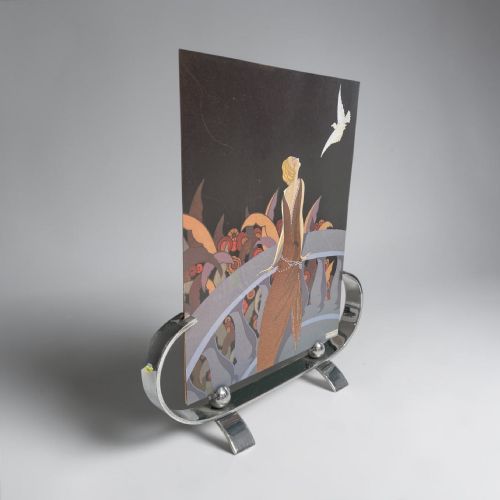
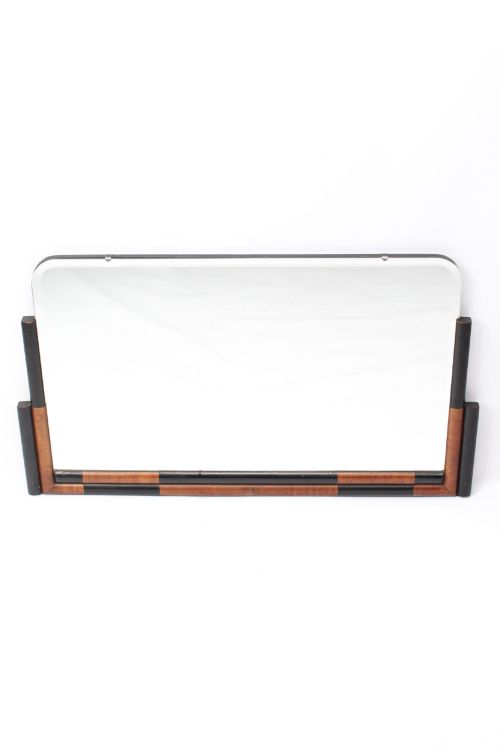
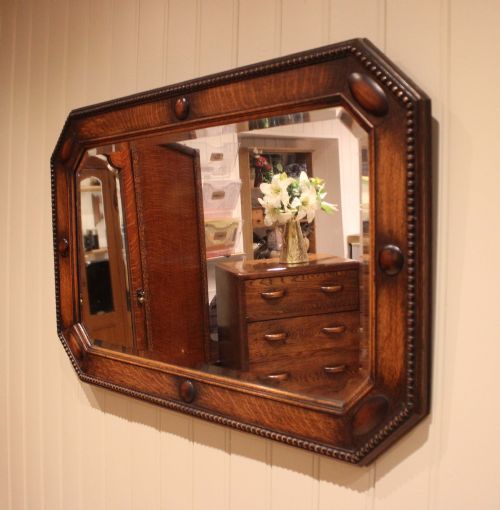
These pieces give your walls the sharp geometry and linear elegance that define a 1920s art deco frame.
1920s Art Deco Frame
Silver items display engine-turned decoration and structural clarity typical of the decade. Alongside these metal examples, the listings contain framed watercolours, gouache drawings, and photographs enclosed within period surrounds.
Most entries originate from French and English makers, capturing the transition from traditional forms to modernist design. These items serve to display photographs, prints, or mirrors while adding period character to a room.
How they were made
Glass forms the central component of mirrors and the protective covers for framed art. Paper and card serve as the base for watercolours, etchings, and photographic contact sheets housed within these surrounds.
1920s Art Deco Frame Retail Price Guide 2026
Typical asking prices for 1920s art deco frame among the pieces listed under this phrase on Sellingantiques today, from the lower quarter to the upper quarter. They describe what is for sale here now, not the wider market.
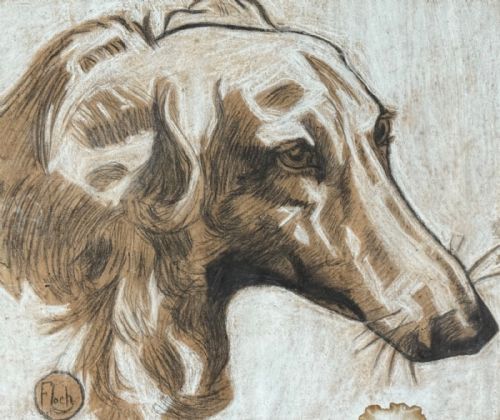
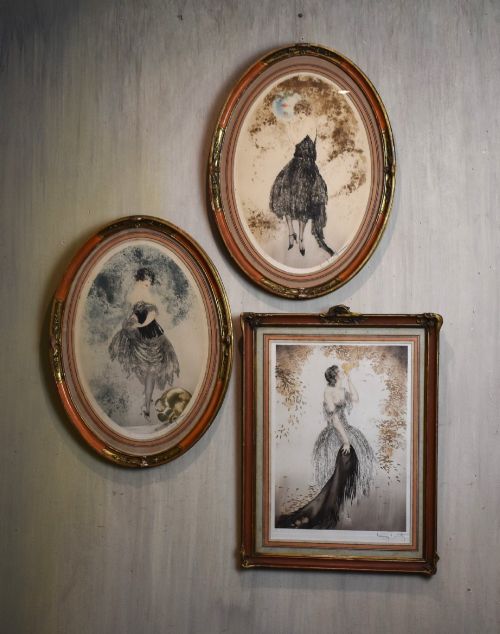
Borzoi dogs and theatrical performances peer out from these frames alongside glamorous flappers.
What varies in quality
The distinction between tiers rests upon the crispness of the metalwork and the depth of the timber grain. Pieces showing precise engine-turning and substantial gauge silver sit at the upper end, alongside mirrors with intact original mercury plates.
Workmanship in the joinery of wooden surrounds and the clarity of hallmarks indicate superior production standards. Simpler constructions or replacement glass plates place pieces further down the scale.
Waring and Gillow England·Deakin and Francis Birmingham·Louis Icart·Julian Mandel·Susie Lassam RMS RA·A J Rowley
The 1920s Art Deco Frame Glossary
- Engine-turned
- A decorative technique involving intricate geometric patterns mechanically engraved into metal surfaces. This method was frequently applied to silver picture frames.
- Mercury mirror
- A type of mirror produced by backing glass with a tin and mercury amalgam before the modern silvering process was adopted. It produces a mottled, atmospheric reflection.
- Drypoint
- A printmaking technique where an image is scratched directly into a metal plate with a sharp needle. This creates a rich, velvety line when inked and printed.
- Aquatint
- A intaglio printmaking method that produces tonal areas resembling watercolour washes. It was often combined with etching in coloured prints from the period.
- Ebonised
- Wood that has been treated to resemble ebony, usually through staining and polishing. It provides a stark black contrast against lighter materials.
1920s Art Deco Frame: Frequently Asked Questions
How do I identify a 1920s frame?
Examine the construction materials, hallmarks, and decorative motifs for indicators of the period. Silver examples often carry city assay office marks and date letters specific to the nineteen-twenties.
Look for characteristic geometric lines, stepped corners, and engine-turned surface patterns. The backing boards and fixings should also match traditional manufacturing methods of the era.
Are these frames suitable for modern art?
These surrounds complement contemporary prints, photographs, and original artworks through their strong architectural profiles. The neutral tones of silver, brass, and dark wood integrate easily into modern interiors.
Ensure the internal dimensions match your artwork before mounting. Professional framing services can replace acidic backing materials to protect modern pieces.
How should I clean silver frames?
Clean silver metalwork gently using a soft microfibre cloth and specialised silver polish applied sparingly. Avoid abrasive cleaners that might damage engine-turned details or hallmarks.
Keep moisture away from the timber backs and mirrored glass edges. Regular dusting preserves the polished finish without wearing down the metal.
What is engine-turned decoration?
Engine-turning is a precision mechanical process that cuts fine, repeating geometric patterns into metal surfaces. It adds texture and catches the light on silver picture frames.
This technique requires specialist machinery and skilled operation, making it a mark of superior manufacture. The patterns remain crisp and uniform across the surface.