






Metal Ice Bucket
A metal ice bucket brings centuries of hospitality into a room, offering practical service wrapped in the weight of brass, copper, and silver plate.
Metal Ice Bucket
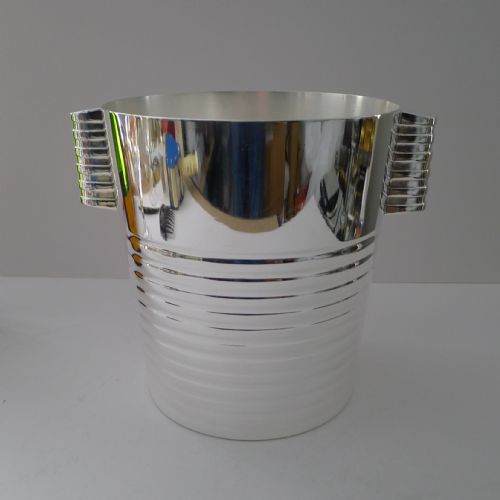
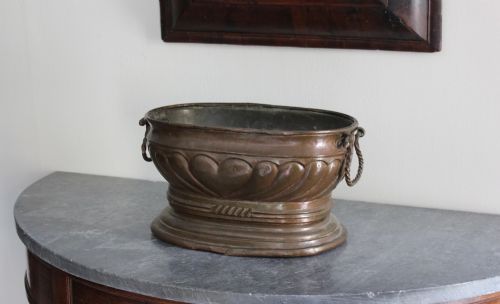
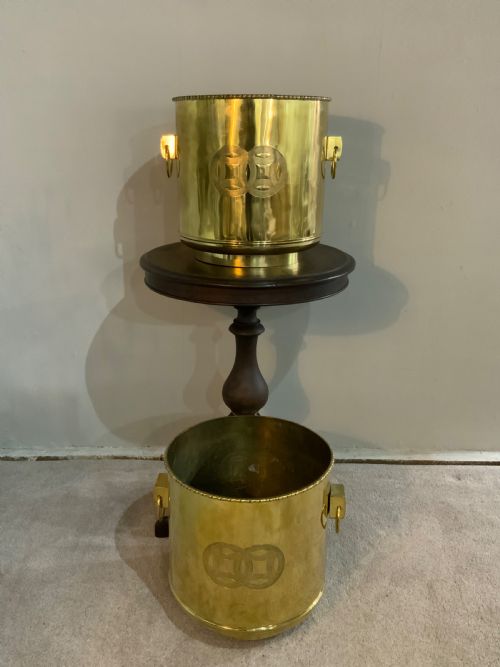
When you search for a metal ice bucket, you encounter vessels designed for chilling wine, champagne, and water across multiple eras, spanning utilitarian kitchenware to formal dining accessories. The versions most likely to meet you on this page include silver-plated champagne coolers from the mid twentieth century and nineteenth-century brass or copper wine coolers.
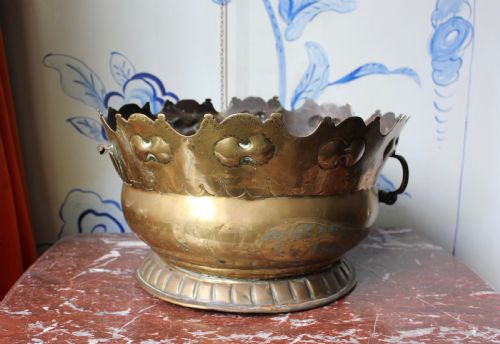
Makers and workshops across France, Britain, and beyond produced these objects for both domestic hospitality and commercial establishments like Parisian restaurants. Forms range from classical trophy vases and monteiths to geometric Art Deco bowls and campaign buckets.
The material vocabulary stretches from base metal and tin to Sheffield plate and heavy chrome, reflecting the changing demands of hosts over three centuries. Many double as planters or jardinières, showing how utilitarian metal vessels migrated from the cellaret to the living room.
How they were made
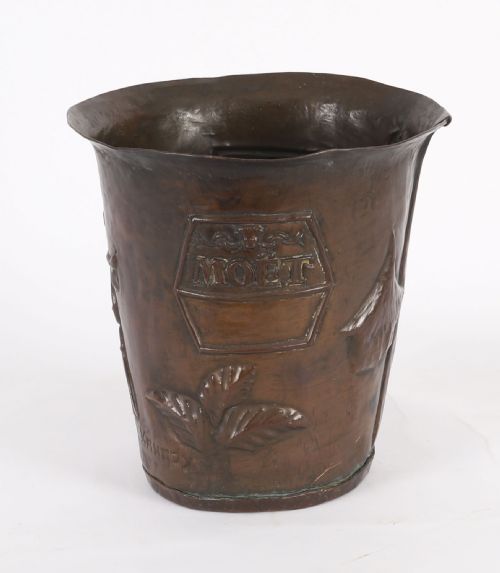
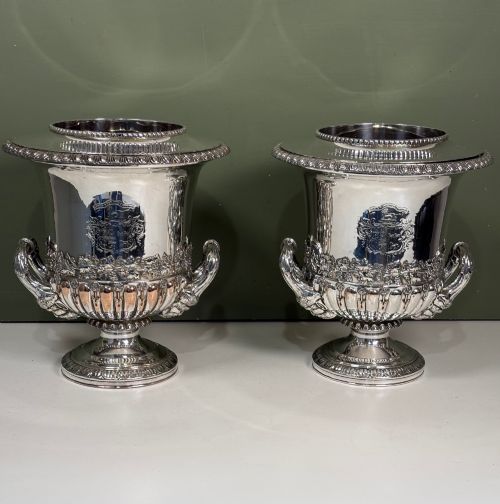
Metals such as brass, copper, and pewter were shaped by hammering, casting, or spinning, often resulting in robust walls designed to hold melting ice and heavy bottles. Makers employed chasing, embossing, and chiselling to decorate surfaces with botanical tendrils, flower heads, and heraldic coats of arms.
Silver plating techniques evolved from Old Sheffield plate - where a thin sheet of silver was fused to a copper core - to electroplating methods utilised by firms like Christofle and Elkington. Glass inserts were occasionally combined with metal mountings to create dual-material vessels.
Metal Ice Bucket Retail Price Guide 2026
Typical asking prices for metal ice bucket among the pieces listed under this phrase on Sellingantiques today, from the lower quarter to the upper quarter. They describe what is for sale here now, not the wider market.
What varies in quality
The distinction between ordinary and exceptional pieces rests on the weight of the metal and the crispness of decorative chasing or embossing. Heavy-gauge brass, thick silver plate over a substantial base, and deeply defined detailing separate utilitarian hotelware from bespoke dining vessels.
Signed works by known designers and silversmiths command attention through deliberate proportion and architectural integrity, whereas anonymous mass-produced items rely on simpler stamped construction. The joinery of handles, rims, and bases reveals the level of care invested in the workshop.
Christofle·WMF·Elkington·Luc Lanel·Macabo
The Metal Ice Bucket Glossary
- Monteith
- An 18th-century vessel featuring a scalloped rim designed to chill wine glasses by their stems. The notches held the glasses securely while the bowl was filled with cold water.
- Old Sheffield Plated
- An early plating technique created by fusing a thin layer of silver to a copper ingot before rolling them into sheets. This process produces a characteristic warm tone where the copper base softly shows through areas of wear.
- Jardinière
- An ornamental pot or stand designed to hold live plants or flowers. In metalware, these often share forms with wine coolers and ice buckets.
- Christofle
- A prominent French silversmithing firm known for producing high-end tableware and champagne coolers, frequently collaborating with designers like Luc Lanel during the Art Deco period.
- Campaign bucket
- A sturdy metal vessel constructed for travel and field use, often fitted with drop handles and robust brass walls to withstand rigorous handling.
Metal Ice Bucket: Frequently Asked Questions
Can I use an antique metal ice bucket for daily dining?
These vessels were built for active hospitality and handle ice and bottled drinks well. Using them regularly connects you to their original purpose.
Take care to empty melted ice promptly and dry the interior after each gathering to protect the metal surface from prolonged moisture exposure.
How do I date an 18th century copper wine cooler?
Early pieces often feature hand-beaten construction marks, dovetailed or brazed seams, and heavy cast brass handles fixed with hand-cut rivets. The weight of the copper and the simplicity of the rim construction offer clues to its age.
Look for signs of age-related wear such as uneven patination and historical repairs that reveal decades of active service in a dining room.
What is the difference between a wine cooler and a champagne bucket?
Wine coolers historically stood on tables or floor pedestals to hold multiple bottles or chill wine throughout a lengthy meal. They often feature generous proportions and two sturdy handles.
Champagne buckets are typically designed to hold a single bottle upright alongside ice, often accompanying bistro or restaurant service where quick chilling is required.