


Metal Hearth Accessory
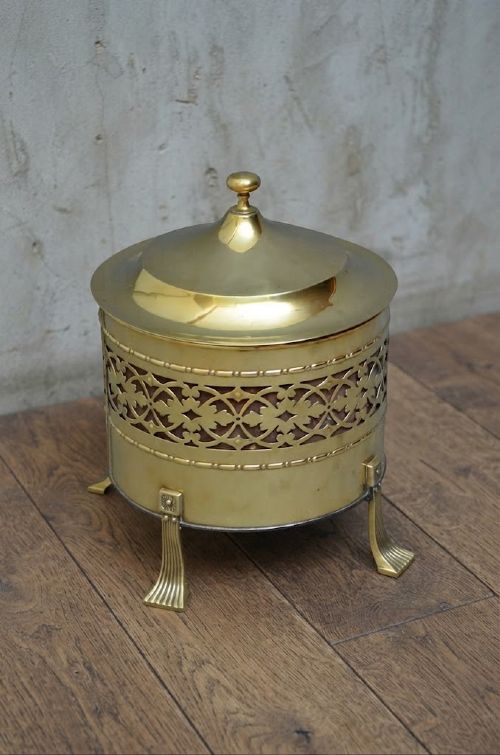
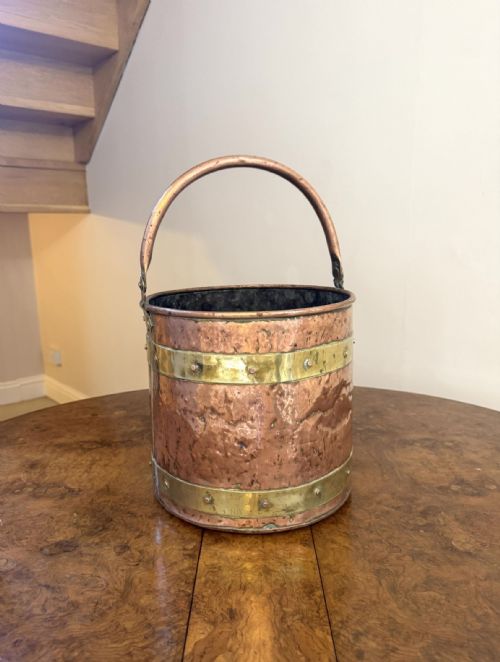
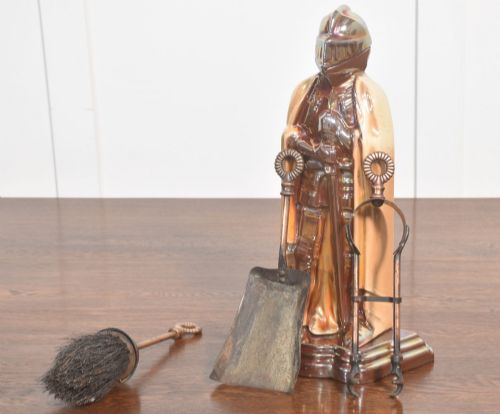
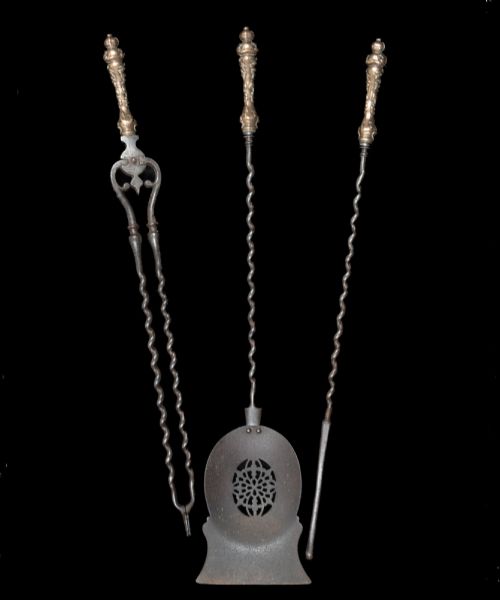
A metal hearth accessory brings utility and distinct period character to the fireplace, ranging from robust iron fire dogs to polished brass coal buckets.
Metal Hearth Accessory
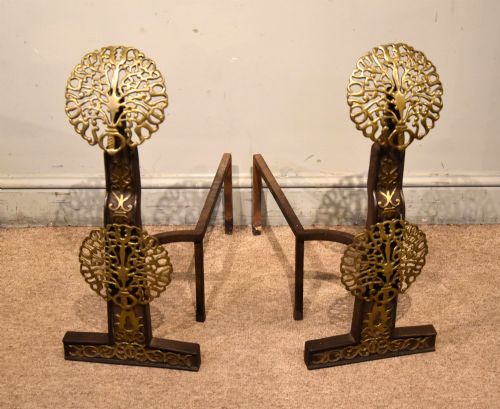
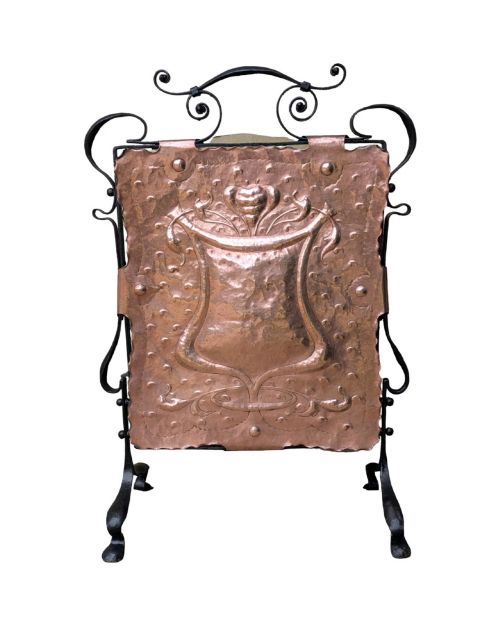
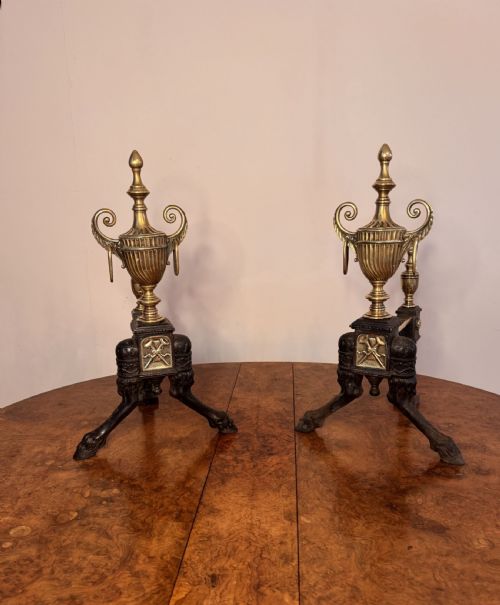
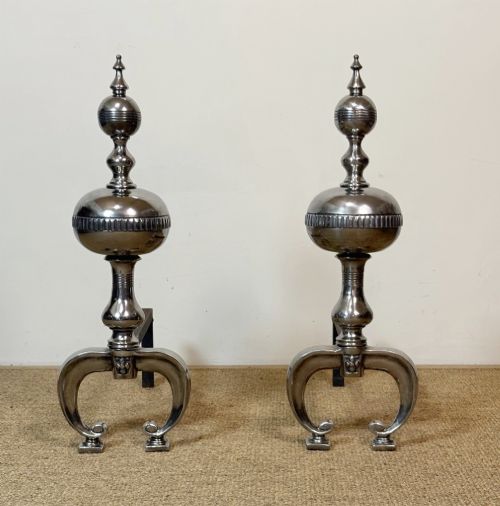
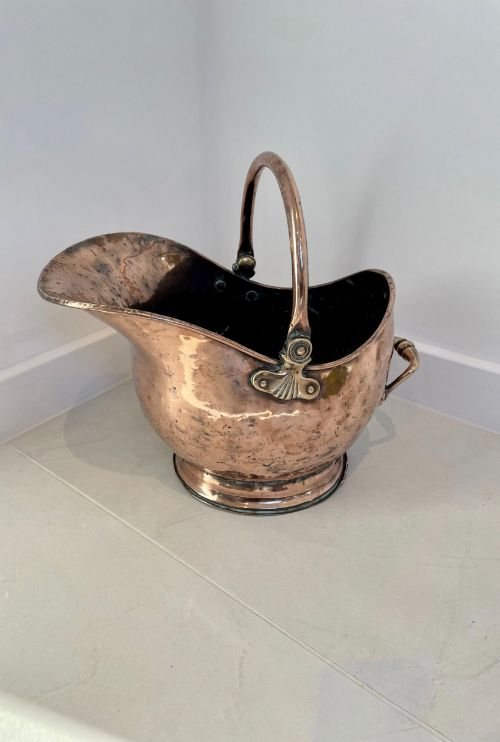
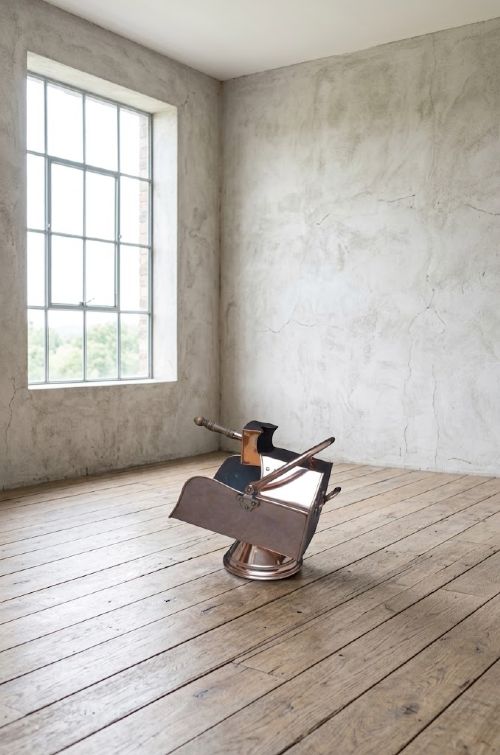
A metal hearth accessory encompasses functional and decorative items designed for the fireplace, serving practical roles in managing fires and storing fuel. Collectors encounter utilitarian vessels such as coal buckets, coal scuttles, and log bins alongside architectural elements like fire dogs, andirons, fenders, and fire screens.
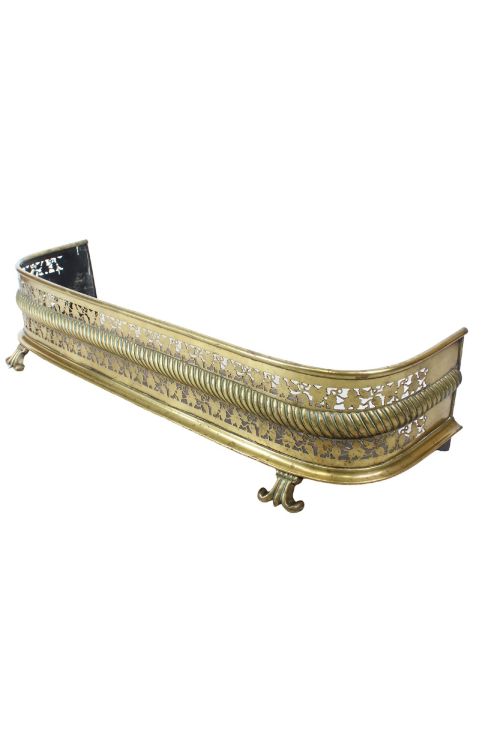
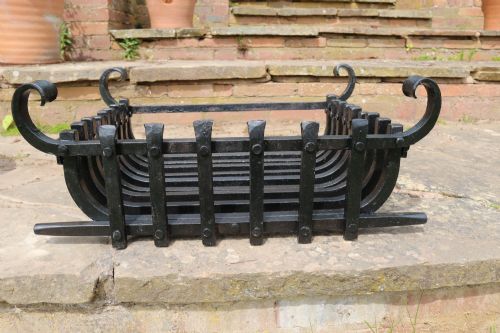
The selection on this page draws primarily from the Victorian, Edwardian, and Georgian periods, featuring substantial examples in brass, copper, wrought iron, and steel. Forms range from simple pierced brass fenders to monumental wrought iron fire dogs and ornate French gilt bronze fire screens.
Materials and construction methods
Blacksmiths and metalworkers shaped these pieces using durable metals suited to high temperatures and daily utility, employing wrought iron and steel for structural strength in fire dogs, baskets, and companion sets. Copper and brass provided corrosion resistance and reflective surfaces for coal buckets, scuttles, and warming pans, often shaped by hand hammering and held together with rivets or banding.
Decorative detailing relied on casting, piercing, and fretwork, particularly on Victorian and Edwardian brass fenders and fire screens. Iron components frequently show tactile surface textures from the forge, while mixed-metal constructions combine brass fittings with iron frames or incorporate turned wood handles.
Metal Hearth Accessory Retail Price Guide 2026
Typical asking prices for metal hearth accessory among the pieces listed under this phrase on Sellingantiques today, from the lower quarter to the upper quarter. They describe what is for sale here now, not the wider market.
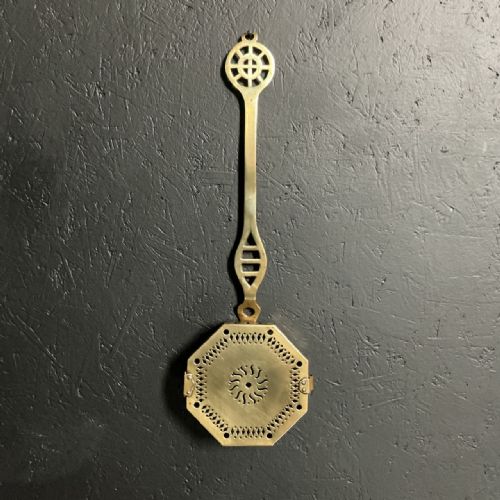
Keep an eye out for brass chestnut roasters designed to turn nuts safely away from the soot.
Evaluating craftsmanship and proportion
Quality rests in the weight of the metal and the integrity of the construction, distinguishing sturdy hand-riveted copper coal bins and heavy cast brass andirons from lighter, mass-produced items. Superior pieces display crisp detailing in pierced brass work or clean lines in forged iron, rather than softened ornament or thin sheet metal.
Proportion and material authenticity dictate desirability, where matching pairs of fire dogs maintain balanced symmetry and period accessories retain their original iron frames, shovels, or wooden handles without intrusive modern replacements.
John Linwood of Birmingham
The Metal Hearth Accessory Glossary
- Andirons
- Supports for logs in an open fireplace, also known as fire dogs. They usually sit in pairs and feature decorative vertical fronts.
- Coal Scuttle
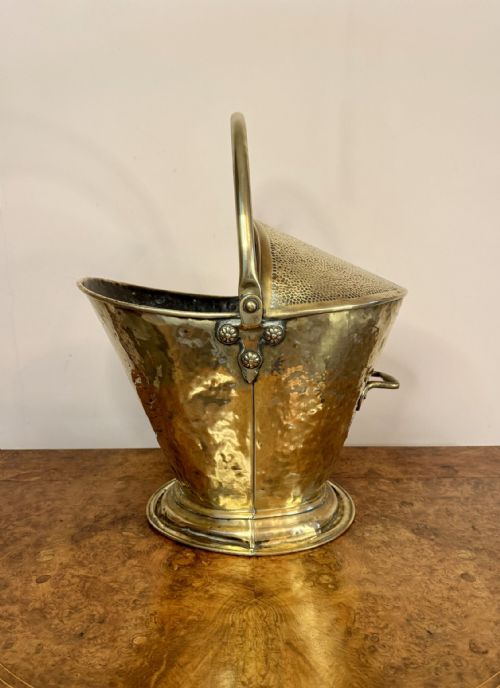
- A metal container designed for holding and carrying coal to the fire. Helmet-shaped variants are common in Georgian and Victorian examples.
- Fender
- A low metal guard placed around the hearth to contain ash and embers. Pierced brass versions are typical of the Victorian era.
- Footman
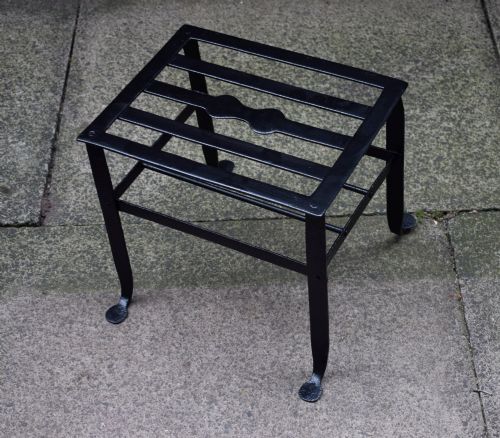
- A metal stand placed in front of the fire to keep food warm. These typically feature a flat top and four legs, fashioned from brass and steel.
Metal Hearth Accessory: Frequently Asked Questions
What is a metal hearth accessory?
A metal hearth accessory is any functional or decorative item made from materials like brass, copper, iron, or steel used around a fireplace. These include coal scuttles, andirons, fire screens, and fenders designed to assist with fuel storage and fire management.
Such pieces combine practical utility with period decorative styles, reflecting the craftsmanship of the Georgian, Victorian, and Edwardian eras.
How do I date a brass coal bucket?
Dating a brass coal bucket involves examining construction techniques, such as hand-riveted joints, Dovetail seams, and the thickness of the metal. Georgian and early Victorian pieces often feature heavy hand-beaten copper or brass with distinct patination.
Later Edwardian versions may incorporate machine stamping, lighter gauge brass, and standardised fretwork designs. Original components like iron frames or brass shovels also help establish age.
Were andirons used for cooking?
Andirons primarily served to elevate logs in an open fireplace to allow air circulation underneath for a better burn. However, historical pairs often included horizontal bars or hooks intended to support spits for roasting meat.
Accessories like chestnut roasters and footmen worked alongside andirons to utilise the heat of the hearth for food preparation.
How do I care for antique brass and copper?
Caring for antique brass and copper depends on personal preference regarding patination, as many collectors prefer to leave the aged surface untouched. Gentle dusting with a soft cloth removes everyday debris without damaging the metal.
Harsh chemical polishes should be avoided to preserve the authentic dark tones and historic character accumulated over centuries of use.