

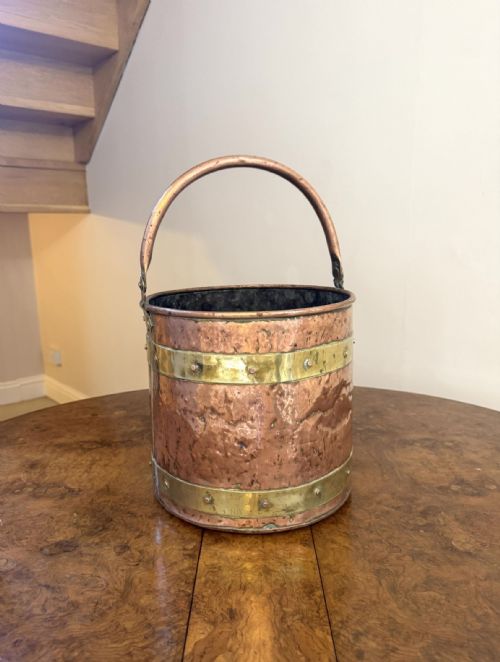
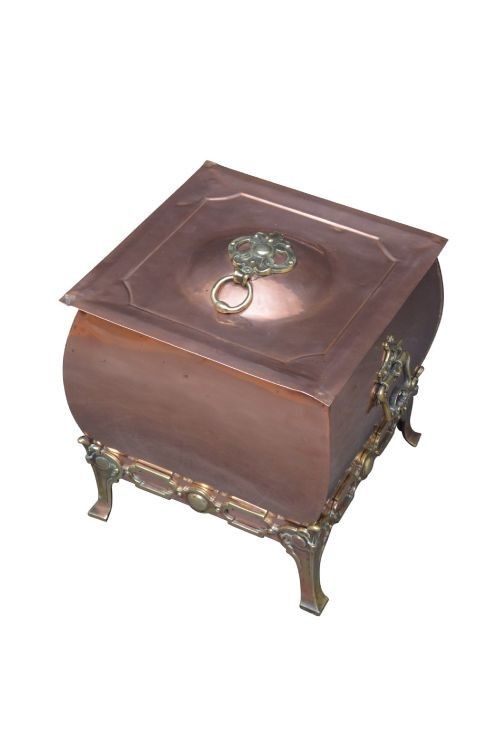
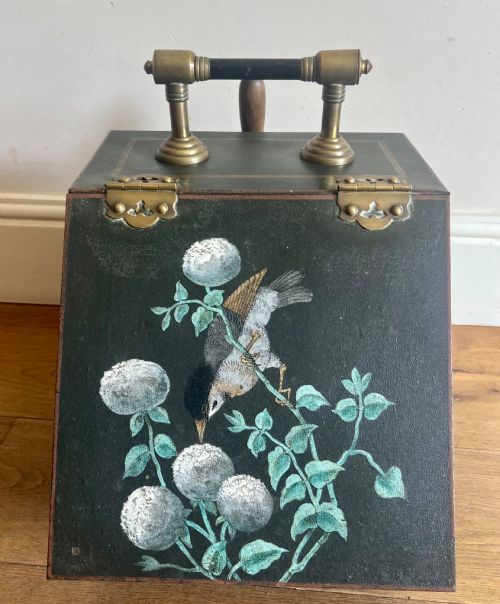
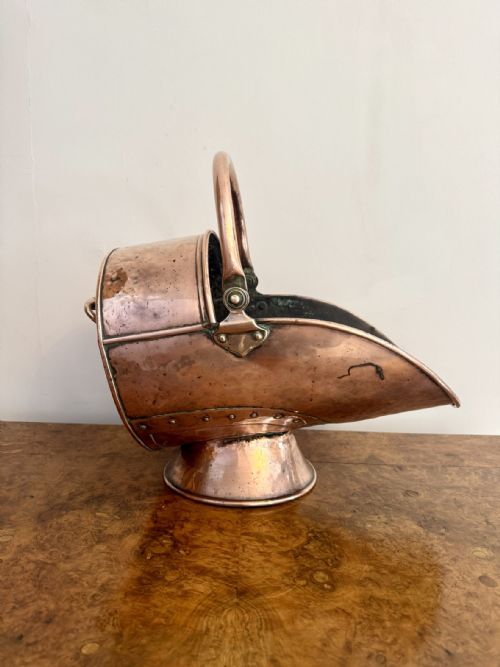
Metal Coal Bucket
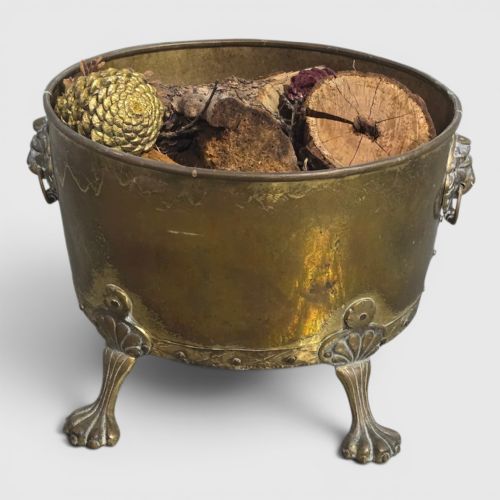
A metal coal bucket serves the hearth with practical storage for fuel while bringing polished brass and warm copper into the room.
Metal Coal Bucket
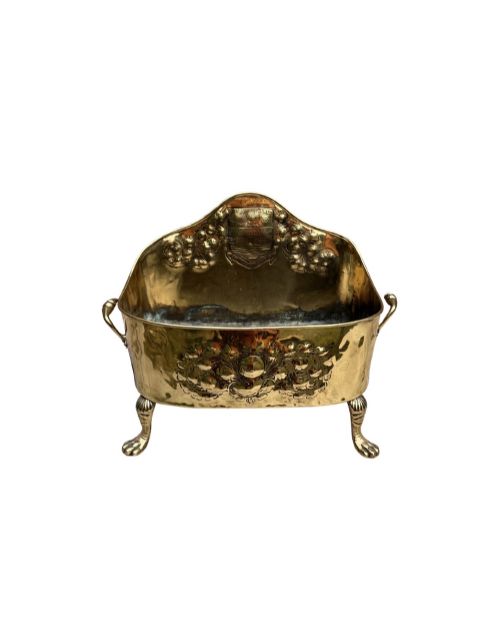
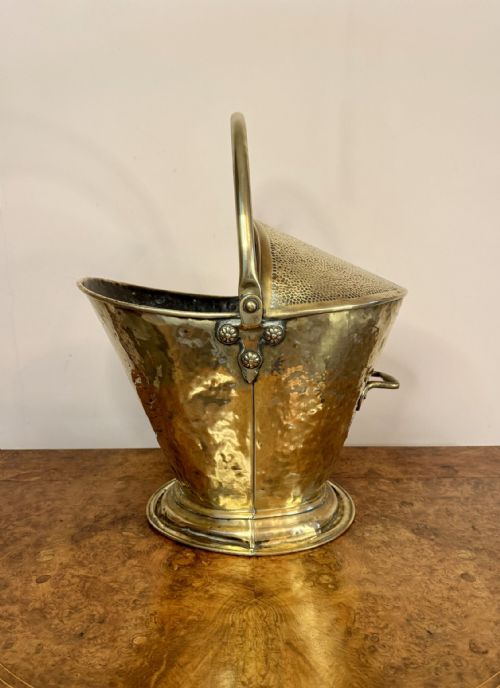
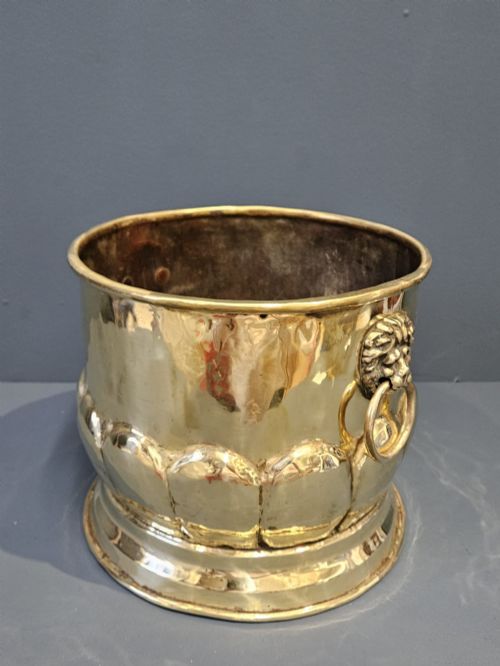
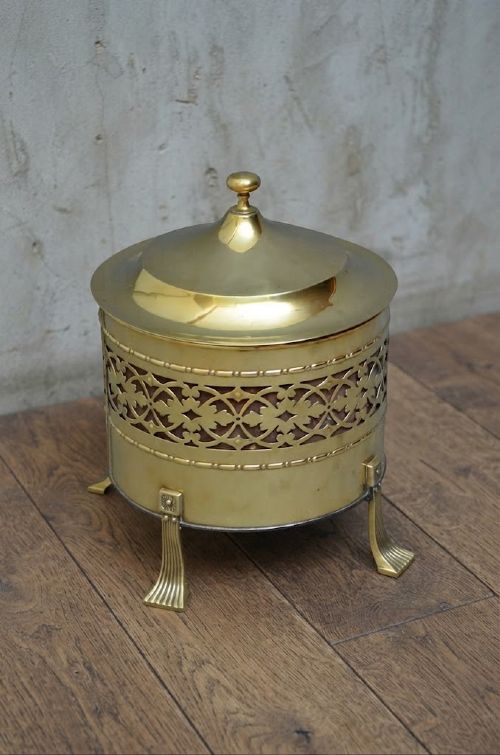
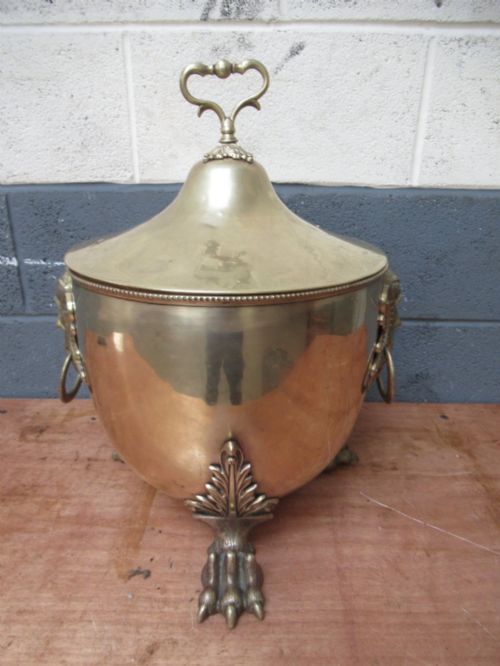
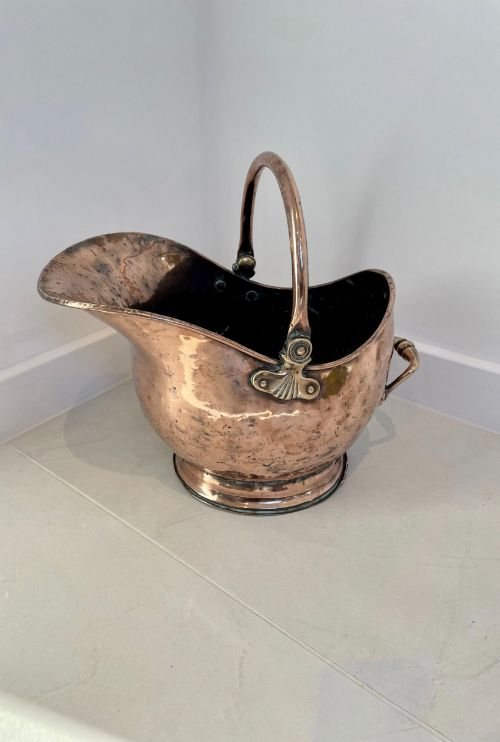
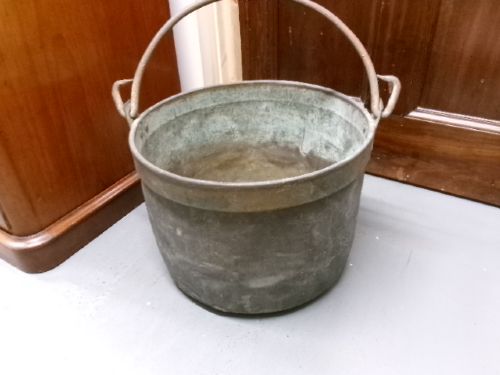
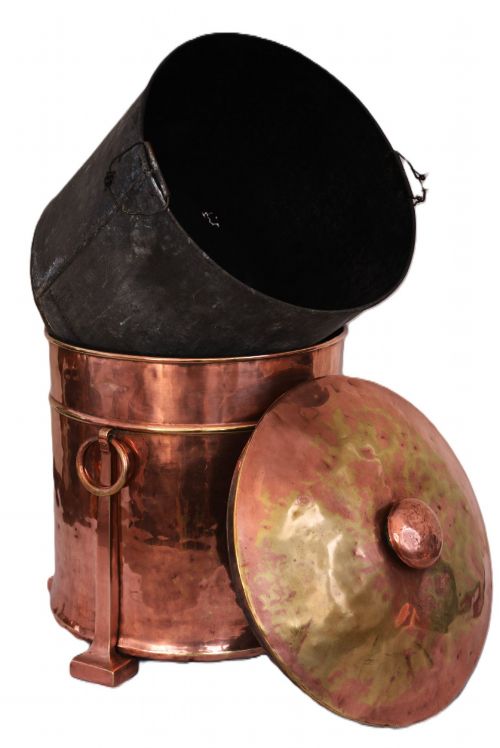
A metal coal bucket gathers the utilitarian vessels designed to hold solid fuel beside the domestic fireplace. Buyers seeking this phrase encounter varied forms including cylindrical log bins, handled scuttles, and helmet shapes intended for hearthside service.
The domestic interior relies on these pieces spanning Victorian, Edwardian, and Georgian periods, alongside Arts and Crafts and Art Nouveau interpretations. Many examples double as large planters or jardinieres when fuel storage is no longer required.
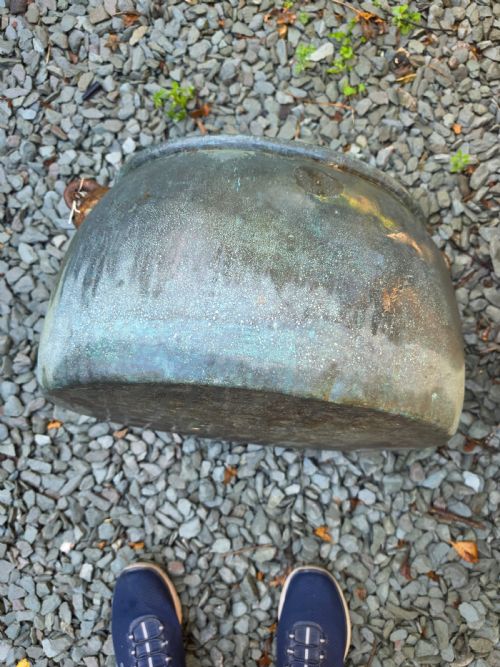
Evidence points predominantly to nineteenth-century and early twentieth-century British craftsmanship, with occasional continental and Anglo-Indian variants appearing in brass and copper. Plain sheet metal and galvanised versions also service more rustic hearth settings.
Materials and Techniques
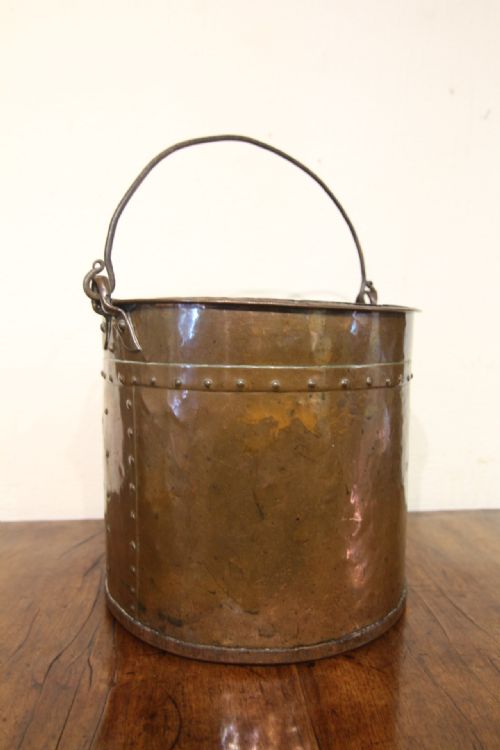
Construction relies heavily upon hand-beaten copper and cast or spun brass, joined with structural riveting and reinforced with iron frames or copper bands. Artisans utilised sheet iron and tole ware alongside traditional wood linings to build rigid vessels capable of enduring heavy loads of coal and logs.
Surface decoration ranges from hammered finishes and embossed floral motifs to intricate fretwork designs on Edwardian brass bodies. Swing handles forged from wrought iron or fitted with sturdy brass brackets complete the assembly of these functional household items.
Metal Coal Bucket Retail Price Guide 2026
Typical asking prices for metal coal bucket among the pieces listed under this phrase on Sellingantiques today, from the lower quarter to the upper quarter. They describe what is for sale here now, not the wider market.
Several heavy vessels spend their retirement holding indoor ferns rather than soot.
Assessing Quality
Distinction across the range rests upon the weight of the metal gauge used in the body and the integrity of the riveted joints. Thicker copper and substantial brass retain structural rigidity better over generations of daily hearth use.
Artisanal execution dictates the visual appeal, separating mass-produced stamped items from hand-hammered Arts and Crafts pieces featuring crisp detailing and integrated original iron frames or matching shovels.
Henry Loveridge·Petrus Ramus·Percy Metal Works London
The Metal Coal Bucket Glossary
- Coal Scuttle
- A vessel designed for carrying coal to the fire, typically featuring a wide mouth and a hinged or fixed handle.
- Log Bin
- A large cylindrical container utilised beside the hearth for storing larger pieces of firewood rather than small coal.
- Tole Ware
- Lacquered or enamelled sheet metal items decorated with painted or printed designs, popular for domestic utility.
- Purdonium
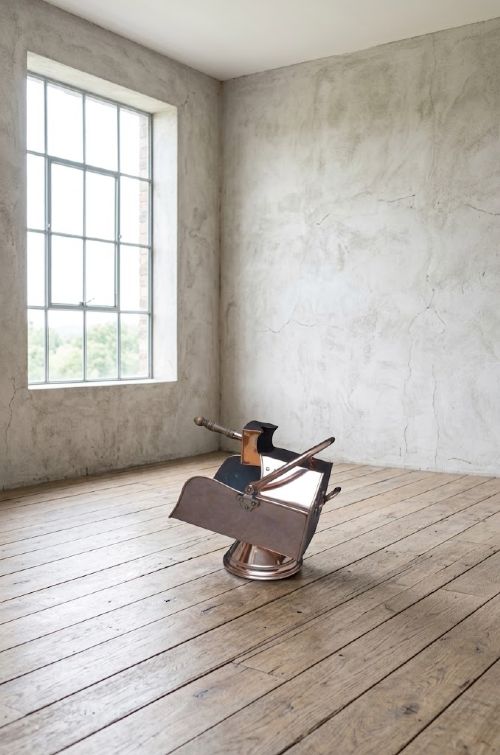
- A specific type of enclosed coal cabinet featuring a drop-down front and an internal metal liner for cleanliness.
- Jardiniere
- An ornamental pot or stand intended for holding plants, frequently repurposed from antique metal fuel buckets.
Metal Coal Bucket: Frequently Asked Questions
What is a metal coal bucket used for?
These vessels were originally manufactured to store and transport solid fuel such as coal and logs directly to the domestic hearth. They kept the immediate fireside tidy while maintaining a ready supply of fuel.
Modern interiors frequently utilise them for alternative purposes, such as large floor planters, umbrella stands, or decorative storage bins.
How do I clean a brass or copper bucket?
Cleaning depends entirely on the desired finish, as many collectors prefer to leave an aged patina untouched. Gentle washing with warm soapy water removes accumulated dust and soot without stripping the historical surface.
Branded metal polishes should be used sparingly and only if a bright, reflective shine is preferred over natural oxidation.
Are these buckets safe to use with real fires?
Most antique metal buckets retain their structural integrity and can safely hold logs or coal beside a modern fireplace. Checking the interior for soundness and ensuring any original wooden liners are stable remains sensible practice.
Some fragile decorative pieces, particularly pierced Edwardian examples or painted tole ware, are better suited for dry display than active fuel service.
How can I tell the period of a metal bucket?
Dating relies on observing manufacturing techniques, material choices, and stylistic cues present in the design. Georgian and early Victorian examples often display hand-hammering and heavy copper riveting.
Later Victorian and Edwardian pieces frequently incorporate machine stamping, Art Nouveau botanical motifs, or specific aesthetic movement detailing common to the turn of the century.