

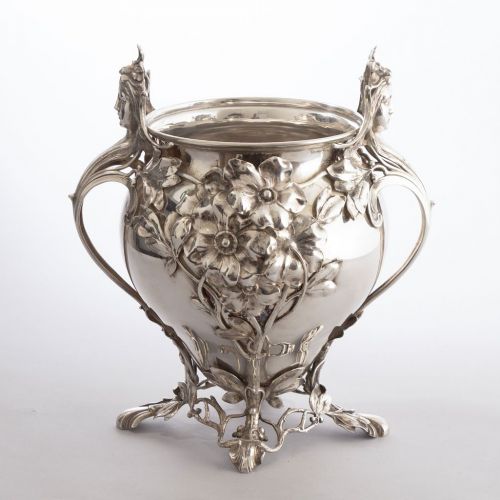


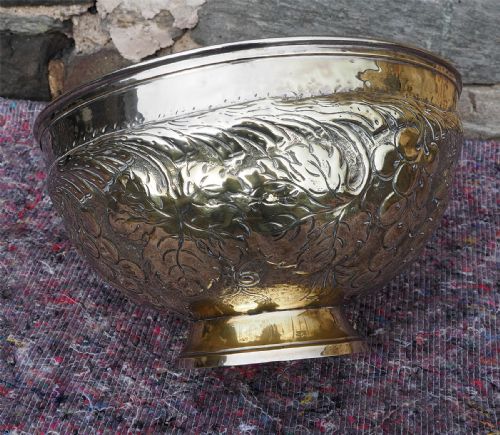

Metal Champagne Bucket
A metal champagne bucket brings a measure of theatre to the table, and these pieces span centuries of service from French bistros to country house dining rooms.
Metal Champagne Bucket
A metal champagne bucket serves to chill wine at the table, taking the form of deep bowls, handled coolers, and pedestal vessels. When you search for a metal champagne bucket, you encounter forms ranging from 18th century copper vessels to heavy silver plate from the 1940s.
The selection includes specific regional types, such as French bistro coolers, Dutch brass planters, and Art Deco chrome designs. Many pieces double as ice buckets, punch bowls, or wine coolers depending on their depth and proportions.
Originating in domestic dining rooms and Parisian restaurants alike, these vessels utilise robust materials built for regular service. The most frequent examples span the 19th and early 20th centuries, often bearing the marks of major European silversmiths.
Materials and construction
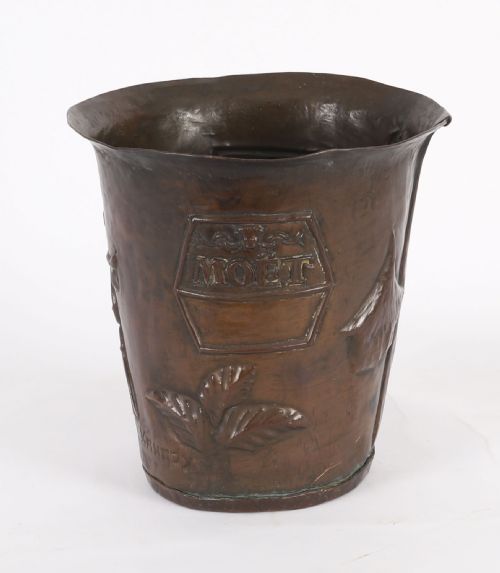
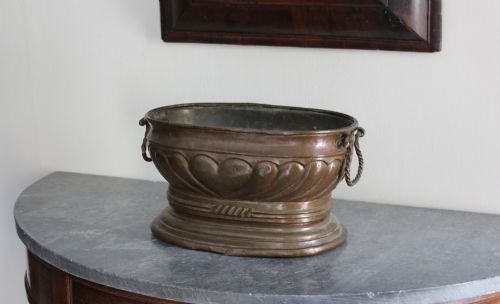
Metal champagne bucket production relies heavily on silver plate, copper, brass, and pewter, shaped by hand or machine to hold ice and liquid. Copper and brass examples often feature hammered surfaces, heavy handles, and riveted construction designed for longevity.
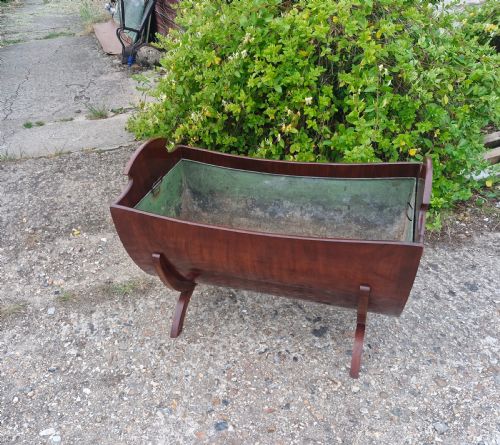
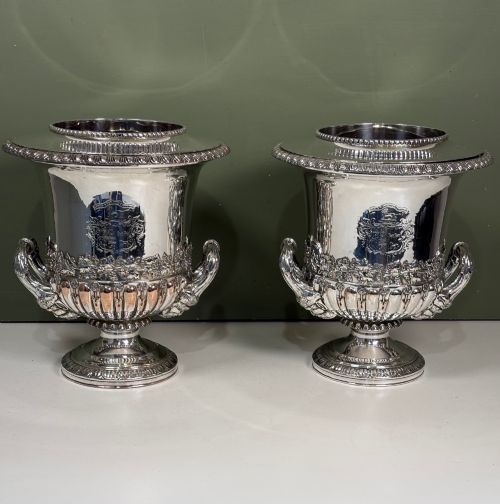
Silver-plated pieces utilise base metals as a core, coated in a fine layer of silver through electroplating or older techniques like Old Sheffield plating. Wood also appears in coopered constructions, combining oak or mahogany staves with metal bands.
Listings feature materials spanning silver plate, copper, brass, pewter, chrome, mahogany, and oak across multiple centuries.
Judging quality in metal vessels
Quality rests on the weight of the metal, the balance of the handles, and the crispness of any embossed decoration or armorial engraving. Thicker gauge metal maintains temperature better and resists denting during daily service.
Maker attribution elevates certain examples, particularly pieces produced by established houses like Christofle, WMF, or Elkington. The integrity of the silver plate and the cleanliness of soldered joints also distinguish superior examples from standard production.
Christofle·WMF·Elkington·Luc Lanel
The Metal Champagne Bucket Glossary
- Old Sheffield Plated
- An early method of fusing a thin sheet of silver to a copper core before shaping the item. This technique produces a warm tone where the copper occasionally shows through areas of wear.
- Coopered
- A method of construction using shaped staves of wood held together by tight metal bands, commonly seen on oak and mahogany vessels. This technique originates from barrel-making traditions.
- Art Deco
- A design style from the early 20th century characterised by geometric symmetry, clean lines, and stylised motifs. Pieces from this period often utilise chrome or heavy silver plate.
- Silver Plate
- A manufacturing process where a thin layer of silver is applied to a base metal substrate. This provided the appearance of solid silver at a more accessible cost for dining rooms.
Metal Champagne Bucket: Frequently Asked Questions
How do I clean a silver plated champagne bucket?
Use a soft cloth and a dedicated silver polish designed for plated items to remove tarnish gently. Avoid abrasive scourers that can wear through the thin silver layer.
Wash the interior with warm soapy water and dry thoroughly immediately after cleaning to prevent water spots.
Can I use an antique bucket for actual ice?
These vessels were originally manufactured for holding ice and chilled bottles during service, making them entirely suitable for modern use. Ensure you dry the interior thoroughly after the evening concludes.
Avoid leaving stagnant water or melting ice sitting inside the vessel for extended periods.
How do I date an unmarked copper cooler?
Examine the construction methods, such as hand-beaten hammering marks, dovetail joints, or riveted handles, which often point to earlier production dates. Heavier gauge copper and specific patination also help distinguish 18th and 19th century pieces.
Compare the form and handle attachment style to documented examples from similar periods.
What is the difference between a wine cooler and a champagne bucket?
Champagne buckets are typically taller and deeper with ring handles designed to hold a single bottle upright in ice. Wine coolers can take the form of wider bowls, table stands, or twin-handled vessels meant for multiple bottles.
Both categories overlap significantly in historical dining traditions and practical usage.