


Metal Canopy Bed
A metal canopy bed offers structural presence and height, bringing architectural form to the bedroom through enduring brass and iron framing.
Metal Canopy Bed
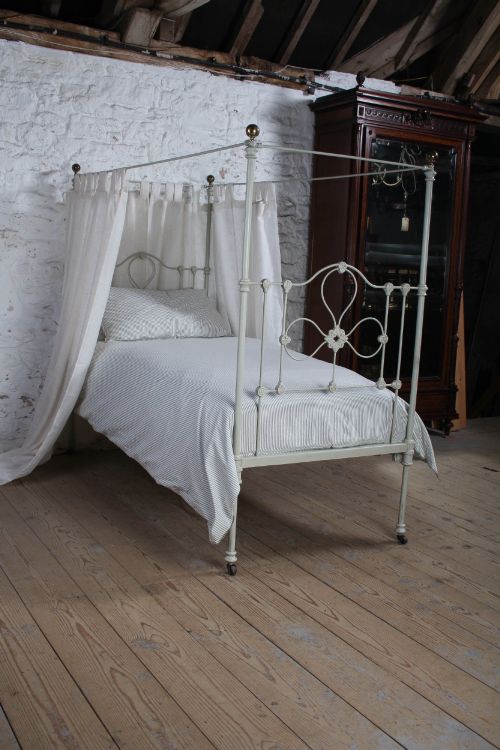
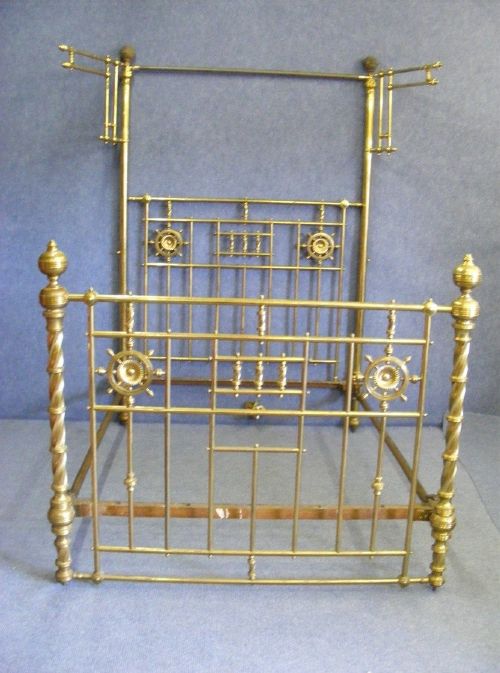
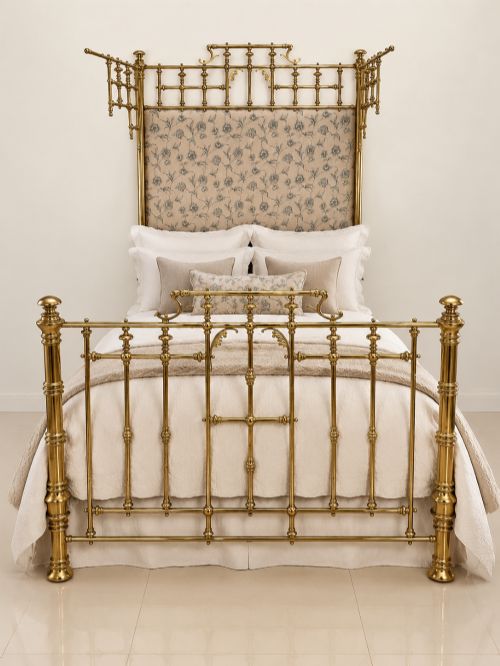
A metal canopy bed appears in forms such as the four poster bed and the half tester bed, originating primarily from the Victorian period with examples spanning the seventeenth century to nineteen hundred. These pieces combine vertical posts with overhead canopies, utilising both iron and brass frameworks to create a commanding presence in the bedroom.
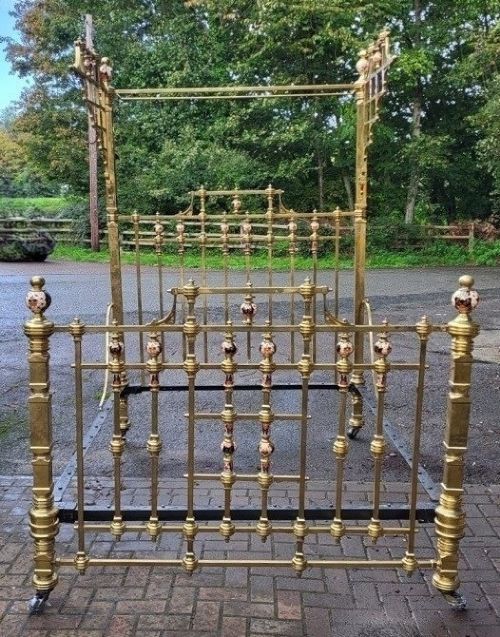
Buyers will most frequently encounter Victorian brass half tester bedstead designs alongside iron and brass four poster beds. The selection ranges from single dimensions up to king size proportions, occasionally incorporating ceramic components and fabric elements within the structural framework.
The styles recorded across these items encompass Victorian Gothic and William IV influences, reflecting the decorative preferences of the nineteenth century. Makers such as R W Winfield appear alongside standard Victorian workshop production, demonstrating the breadth of nineteenth century metal furniture manufacturing.
How they were made
Construction relies upon cast iron and wrought iron for foundational strength, paired with solid brass components for visible decorative effect and polished warmth. Frameworks utilise steel in supporting roles, while ceramic elements sometimes appear in the detailed joinery or decorative mounts of the posts.
Canopies and upper structures are built to support overhead fabric drapery, connecting vertical corner posts to horizontal crown members through traditional mechanical joints. Metalworking techniques of the period involve both casting and hand-wrought manipulation to achieve the rigid geometry required for a canopy frame.
Listings feature periods from the seventeenth century through the Victorian era, utilising iron, brass, solid brass, steel, and ceramic.
What varies in quality
Quality separates standard workshop output from exhibition quality pieces through the intricacy of the metal casting and the substantial weight of the solid brass used in the frame. Superior examples display refined proportions, such as lower height variations designed for specific room dimensions, and more elaborate Victorian Gothic ornamentation.
The distinction between ordinary production and top tier manufacture rests on the crispness of decorative brass mounts and the structural integrity of the iron framework. Maker attribution, such as works associated with R W Winfield, introduces an additional tier of distinction based on documented historical provenance.
RW Winfield·R W Winfield
The Metal Canopy Bed Glossary
- Half tester bed
- A bedstead featuring a partial canopy that extends only partway over the head of the mattress rather than covering the full length. This design supports wall-mounted or post-supported drapery specifically above the pillow area.
- Four poster bed
- A bedstead with four vertical columns supporting an upper horizontal framework or tester that holds a canopy. These structures provide substantial vertical scale and architectural definition to sleeping quarters.
- Cast iron
- Iron shaped by being poured into a mould while molten, producing rigid structural components with crisp decorative detail. This material forms the sturdy skeletal base of many nineteenth century bedframes.
- Wrought iron
- Iron shaped through heating and hammering by hand, offering high tensile strength and fibrous durability. It appears in structural framing where flexibility and resistance to snapping are essential.
- Solid brass
- Copper and zinc alloy used in heavy gauge sections across posts and headboards for its bright golden appearance. Unlike plated alternatives, solid metal maintains its material integrity through decades of polishing.
Metal Canopy Bed: Frequently Asked Questions
What is a half tester bed?
A half tester bed is a bedstead featuring a canopy that extends only over the head section of the bed rather than the entire length. This form creates a focal point at the head of the sleeping area while keeping the remainder of the frame open to the room.
These pieces were designed to support decorative fabric drapery above the pillows, combining the grandeur of a full canopy with a more compact architectural footprint.
How do iron and brass beds differ?
Iron and brass beds combine different metals for structural strength and visual contrast. Iron provides the rigid foundational frame and hidden support, while brass offers a polished golden finish on visible posts and decorative mounts.
Many nineteenth century examples utilise both materials together, pairing cast and wrought iron stability with the decorative warmth of solid brass elements.
What periods do these beds date from?
The available pieces date primarily from the Victorian era, spanning specific recorded years such as eighteen sixty, eighteen seventy, eighteen eighty, nineteen hundred, and earlier nineteenth century decades. A small number of examples connect to seventeenth century styling or historical commissions.
Victorian Gothic and William IV design influences are common across these periods, guiding the decorative motifs found on the metalwork.
How do I choose the right size?
Size options in these listings range from single dimensions up to king size proportions. Buyers must measure ceiling height carefully to accommodate the vertical posts and overhead canopy structure.
Consider the scale of the room, as four poster beds and half tester designs carry significant visual weight and require adequate surrounding space to sit comfortably.