



Metal Barware
Metal barware brings functional design from the Victorian, Edwardian, and Art Deco eras straight to the modern drinks table.
Metal Barware
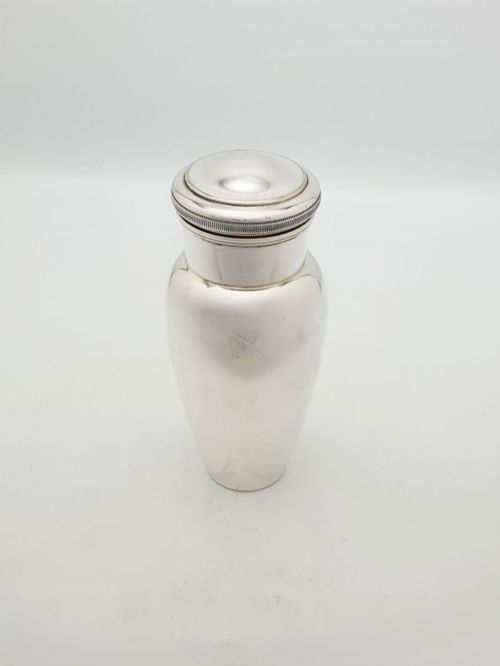
Metal barware encompasses serving pieces and drinking vessels designed for the preparation and presentation of alcohol, spanning styles from Victorian and Edwardian to Art Deco and Mid-Century Modern.
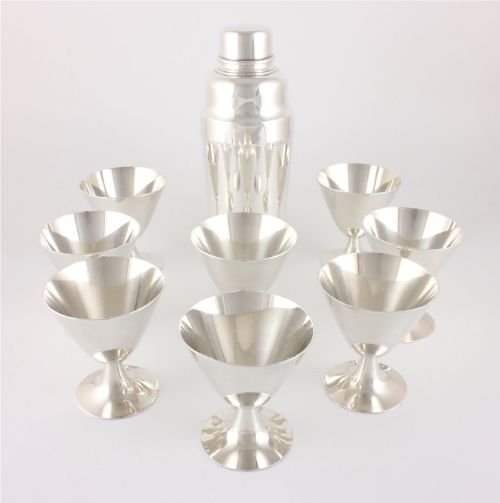
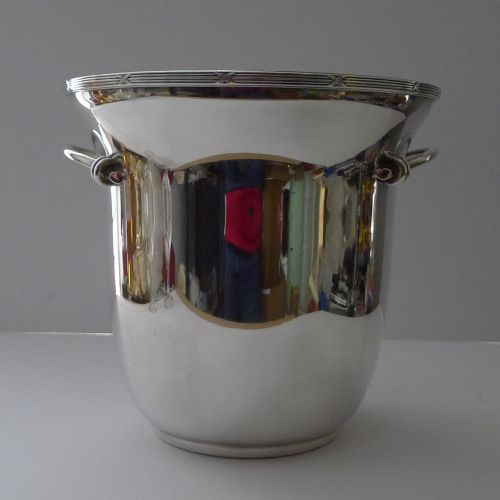
The selections most frequently met here date from the early to mid-twentieth century, heavily influenced by Art Deco design and French manufacturing.
Materials and Construction
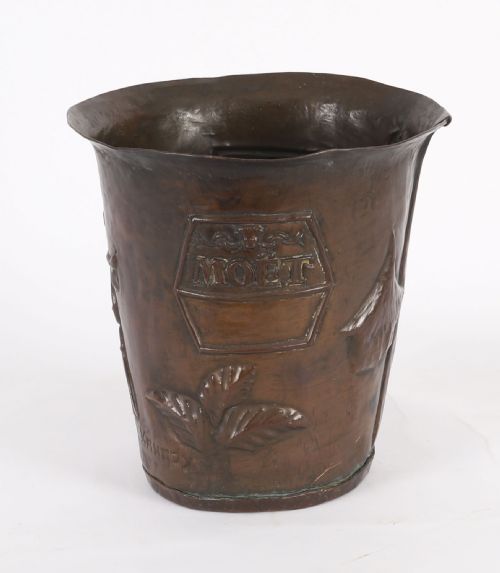
Makers utilised silver plate, electroplated nickel silver, solid silver, copper, brass, and wrought iron, often combining metal with glass and wood.
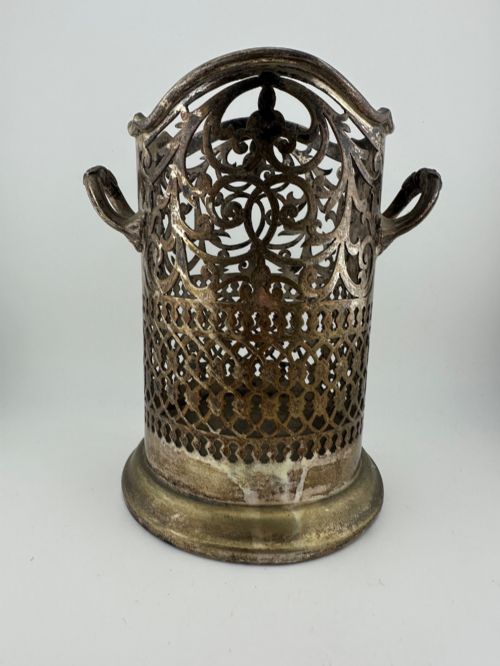
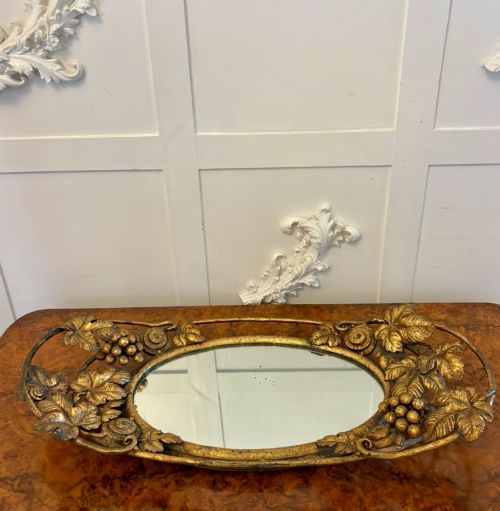
Techniques range from heavy embossing and surface engraving to casting and applied details like mirrored bases and integrated ice breakers.
Metal Barware Retail Price Guide 2026
Typical asking prices for metal barware among the pieces listed under this phrase on Sellingantiques today, from the lower quarter to the upper quarter. They describe what is for sale here now, not the wider market.
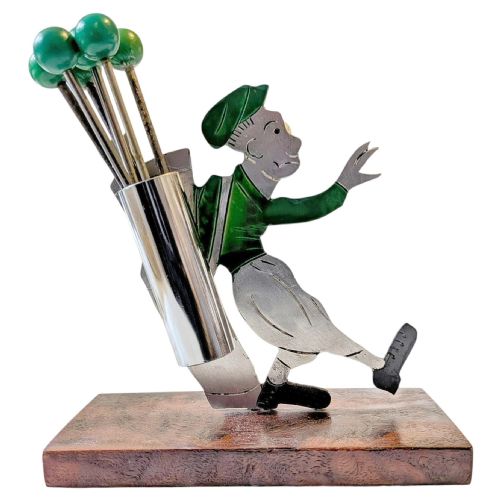
An Art Deco cocktail stick holder depicts a comical golfer complete with a caddy.
Assessing Quality
Quality rests upon the weight of the metal, the crispness of cast details or engraved surfaces, and the integrity of applied rims and handles.
Pieces bearing distinct maker marks or attributed to notable designers demonstrate superior workshop execution and design coherence.
Luc Lanel for Christofle·Keith Murray for Mappin & Webb·Sudre·Hukin & Heath·Elkington·John Collyer & Co·Gaskell & Chambers·J. B. Chatterley & Sons·Angelletti
The Metal Barware Glossary
- Silver Plate
- A thin layer of silver fused to a base metal such as copper or nickel brass. This technique provided the appearance of solid silver at a lower production cost.
- Old Sheffield Plated
- An early fusion method where a sheet of silver is fused to a copper core by heat and pressure. It is distinguished by edges where the copper base metal occasionally shows through.
- Electroplated Nickel Silver
- A base alloy of copper, nickel, and zinc coated with a layer of pure silver via an electrical current. It became standard for durable hospitality and domestic wares.
- Salver
- A flat metal tray used for serving drinks or holding small objects, typically standing on feet. They feature plain or elaborately engraved surfaces with raised rims.
- Spirit Ewer
- A decorative vessel designed for pouring spirits or wine at the table. These often incorporate Art Nouveau or Victorian styling with sculpted handles and spouts.
Metal Barware: Frequently Asked Questions
How do I clean antique silver plated barware?
Use a soft cloth and a gentle, non-abrasive silver polish formulated specifically for plated items. Avoid harsh scrubbing to preserve the underlying base metal.
Wash pieces by hand in warm soapy water immediately after use and dry them thoroughly with a lint-free cloth.
What is the difference between Old Sheffield plate and standard silver plate?
Old Sheffield plate involves physically fusing silver sheets to copper before shaping the item. This 18th- and early-19th-century method leaves subtle copper hints along exposed edges.
Standard silver plate relies on an electrical current to bond silver to a base metal alloy, a process that became widespread during the Victorian era.
How do I identify Art Deco barware?
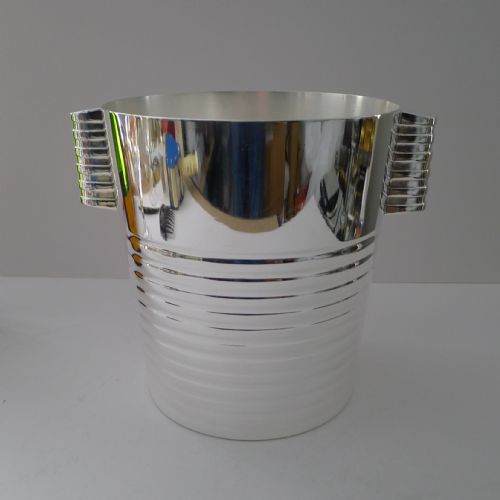
Look for geometric motifs, streamlined silhouettes, stepped patterns, and clean vertical lines typical of the 1920s and 1930s. Materials often include polished silver plate combined with black accents or glass.
Pieces designed by prominent makers from this era frequently emphasise functional efficiency alongside decorative symmetry.