
Metal Art Sculpture
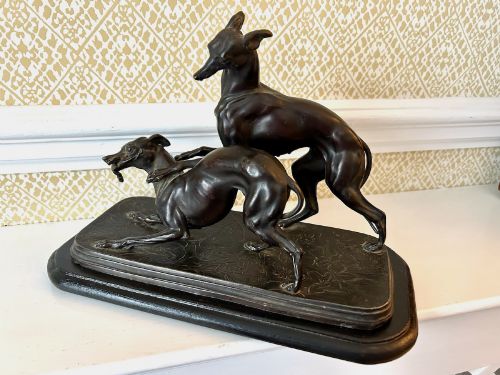
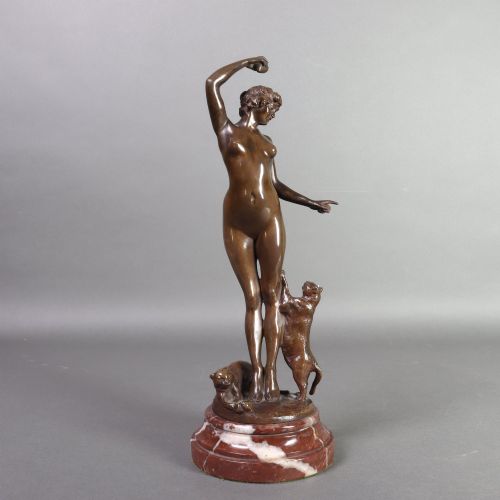
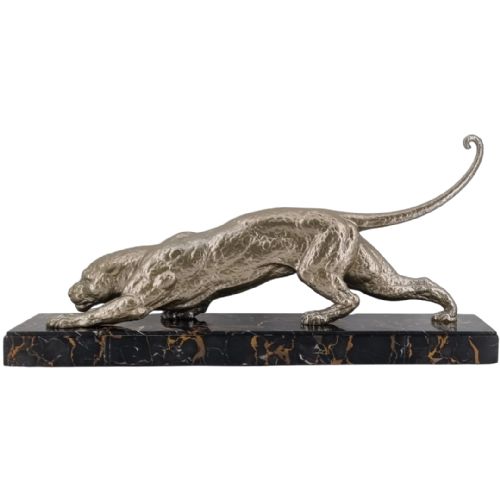
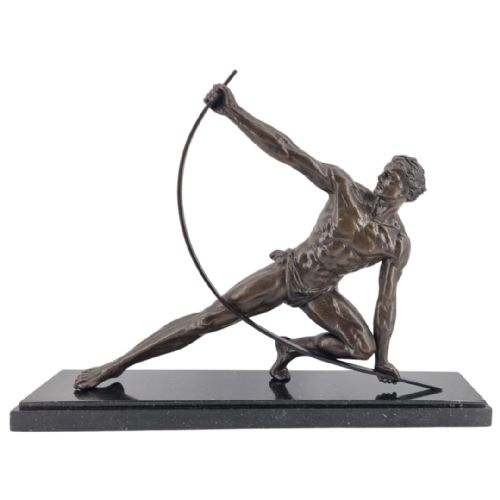
Metal art sculpture brings together bronze, spelter and iron figures from periods ranging from the seventeenth century to the mid-twentieth century.
Metal Art Sculpture
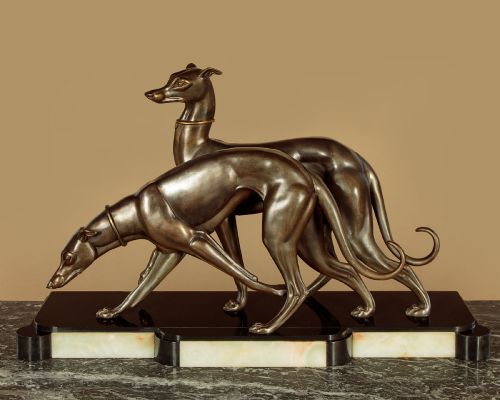
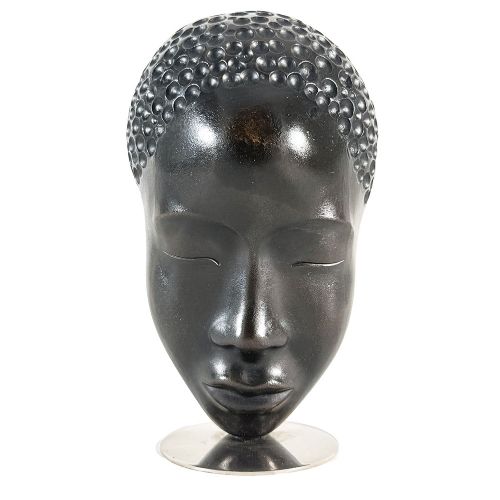
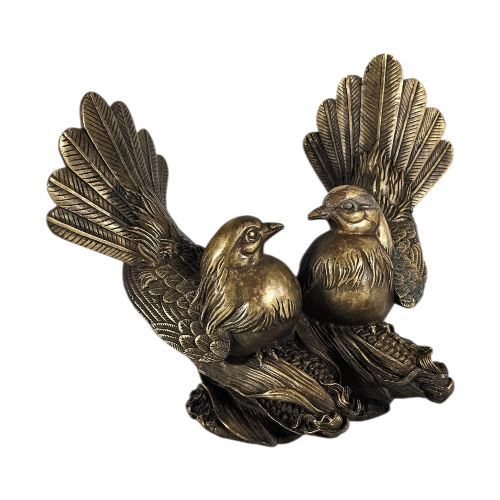
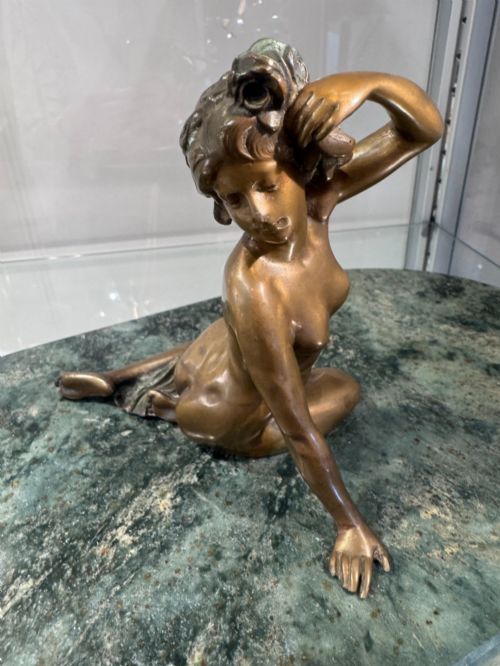
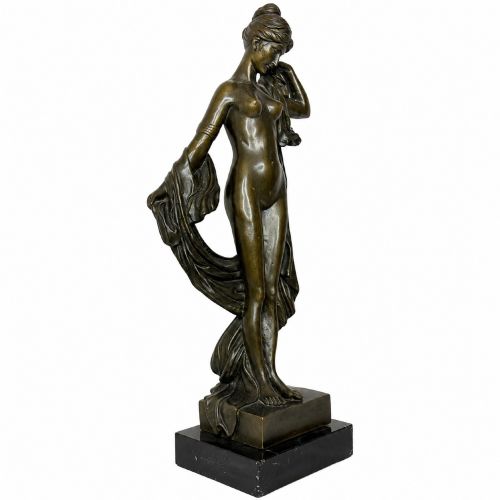
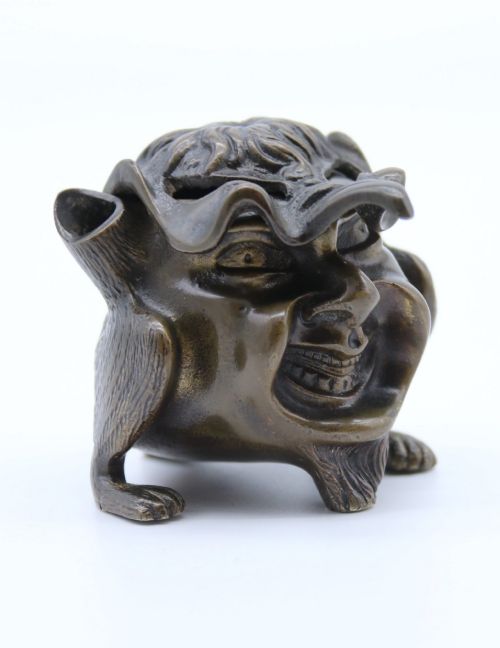
The pieces appearing on this page originate predominantly from the nineteenth and early twentieth centuries, with significant representation from the nineteen-twenties and nineteen-thirties. Forms range from animal studies and human figures to architectural weather vanes and desk accessories.
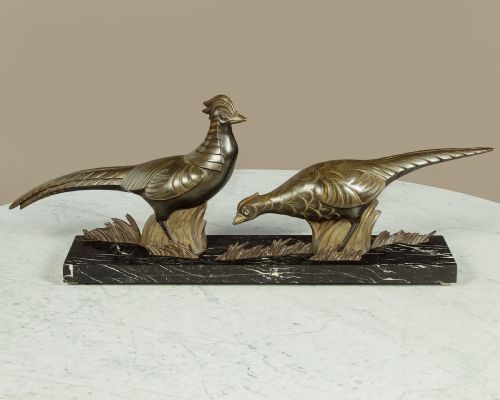
Makers and foundries of the twentieth century produce much of the Art Deco and Art Nouveau work found here, often pairing metal figures with marble or onyx bases. Earlier examples include nineteenth-century vernacular pieces and seventeenth-century bronze figures.
How they were made
Foundries cast figures using bronze, brass, white metal and spelter, frequently applying cold-painted finishes or patination to the metal surface. Spelter works as a cheaper zinc-based alternative to bronze, often finished with paint to mimic more costly metals.
Sculptors mount metal figures onto heavy plinths made from marble, onyx or fruitwood to provide stability. Weather vanes and trade signs combine iron, copper and paint to withstand exterior conditions while maintaining sculptural form.
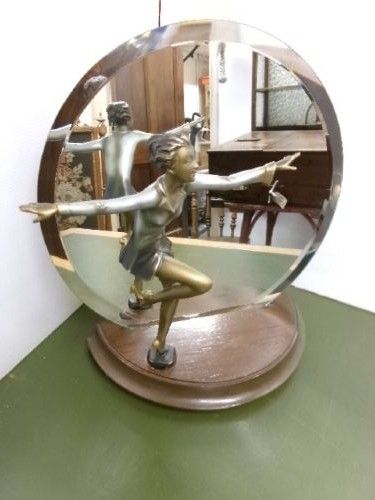
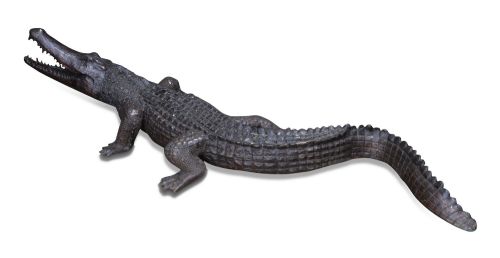
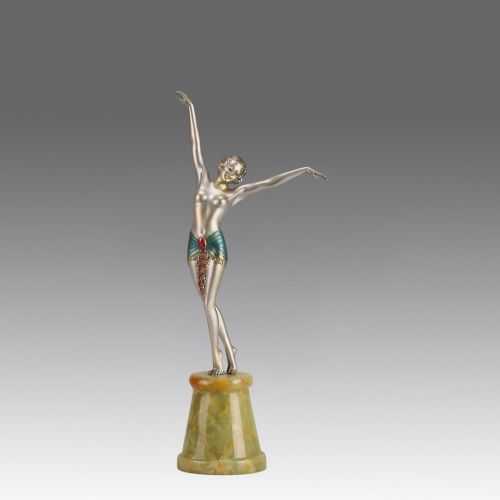
A life-sized bronze crocodile measuring nearly three metres long sits alongside delicate cold-painted dancers and cast-iron cockerels.
What varies in quality
The fidelity of the casting and the crispness of the chasing separate standard figures from exceptional works. Finer sculptures retain sharp facial expressions, distinct feather or fur texture, and careful hand-finishing on the metal surface.
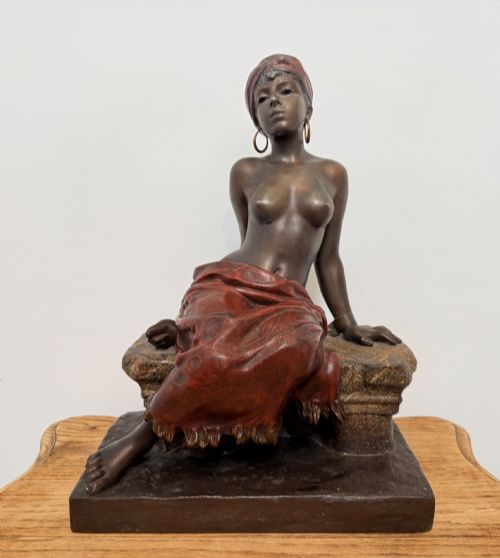
The integrity of the original cold-painted finish or patination dictates the desirability of a piece. Works retaining their initial painted surface or deep bronze patination command greater interest than those with later overpainting.
Gustave Dussart·D. H. Chiparus·Jean de Roncourt·Hagenauer·Eugene Canneel·Josef Lorenzl·Frederic Remington·Emile Carlier·Henri Godet·Fabergé
The Metal Art Sculpture Glossary
- Spelter
- An alloy of zinc and other metals used as a cost-effective substitute for bronze in decorative figures. It appears frequently in twentieth-century decorative pieces.
- Cold-painted bronze
- A technique where paint is applied to a bronze sculpture after casting without being fired in a kiln. The finish is delicate and prone to chipping over time.
- Patination
- The natural or chemical change in the surface colour of a metal over time. A desirable patination develops through age and handling.
- Chasing
- The manual refinement of a metal casting using small punches and hammers to sharpen details. Master metalworkers use chasing to clean up seams and define textures.
- Weather vane
- An outdoor functional sculpture designed to point into the wind. Early examples utilise hammered copper or sheet iron.
Metal Art Sculpture: Frequently Asked Questions
What is spelter?
Spelter is a zinc-based alloy commonly utilised for decorative figures and bookends during the early twentieth century. It offers a lighter, softer alternative to bronze and is typically painted or electroplated.
Buyers often encounter spelter figures mounted on marble or onyx bases in Art Deco designs. The material requires gentle handling to preserve its surface finish.
How do I care for bronze?
Bronze sculptures require minimal maintenance, needing only a light dusting with a dry microfibre cloth. Avoid using liquid cleaners or polishes that can strip the original patination.
Keeping the piece away from direct sunlight and high humidity preserves the stability of the metal and any attached stone bases.
What is cold-painted metal?
Cold-painting involves applying oil or enamel paints directly onto a metal surface without kiln firing. This technique is typical of Austrian bronzes from the early twentieth century.
Because the paint sits on the metal rather than fusing with it, collectors inspect the surface carefully to gauge the extent of original pigment loss.
How do I date a metal sculpture?
Dating relies on stylistic markers such as Art Deco geometric lines or Art Nouveau organic curves, combined with foundry marks and material composition. Examining the base and mounting screws also provides clues to the era of production.
Signatures incised into the metal or cast foundry stamps help attribute pieces to specific artists and workshops active in the nineteenth and twentieth centuries.