
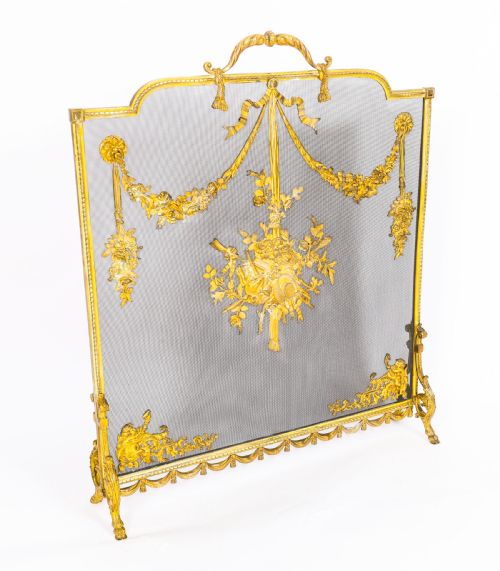


Mesh Metal Fire Guard
These mesh metal fire guards protect rooms from stray embers while adding period character to a hearth.
Mesh Metal Fire Guard
A mesh metal fire guard is a protective hearth accessory designed to catch sparks and embers whilst allowing warmth to circulate into the room. When you search for this phrase, you encounter a variety of screens and spark guards dating from the nineteenth and early twentieth centuries.
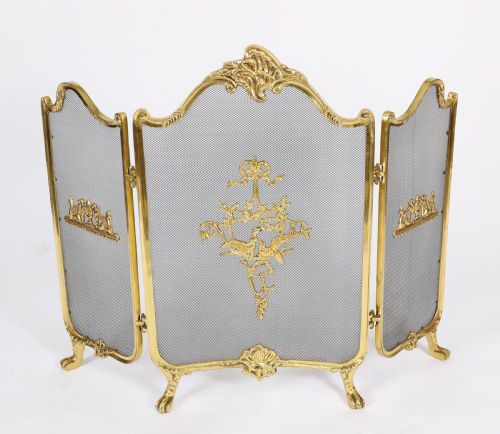
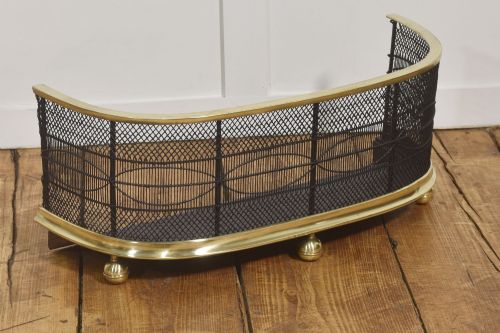
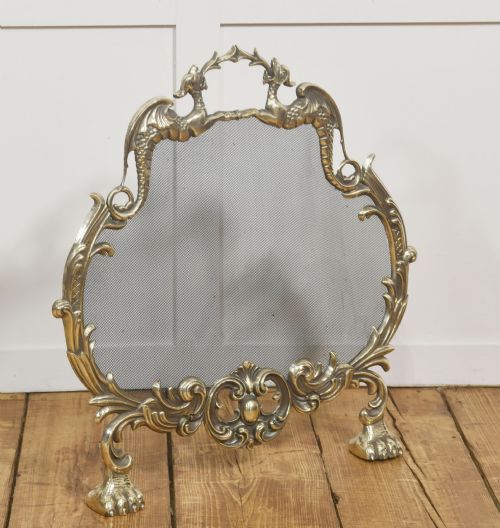
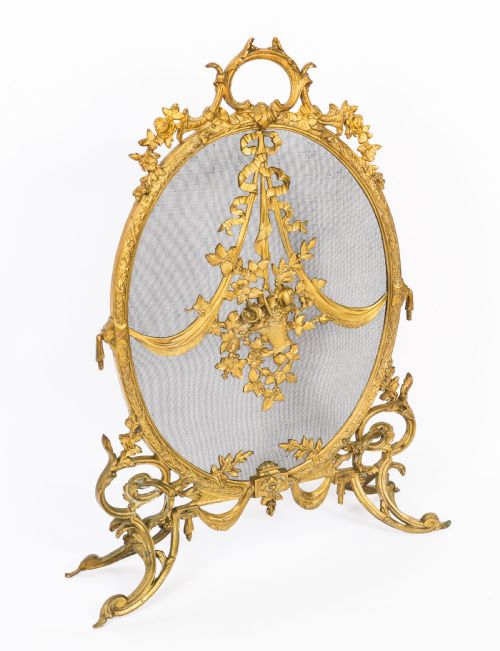
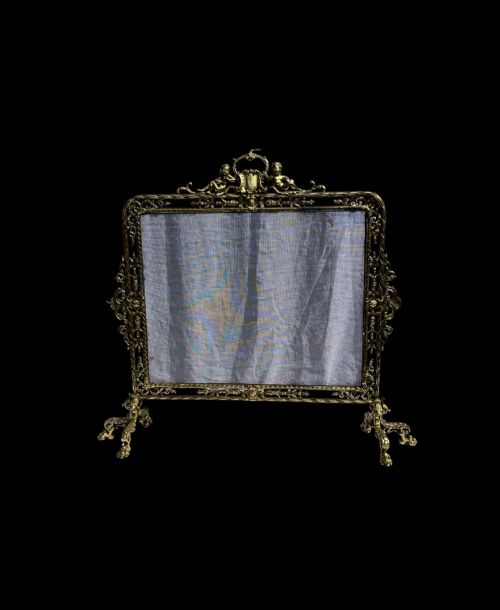
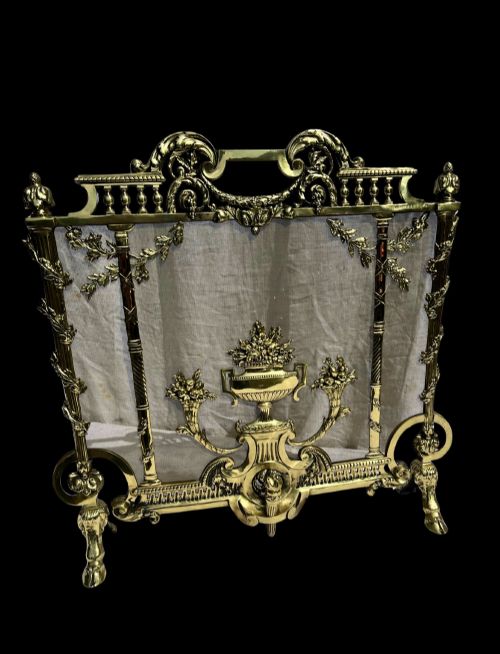
The pieces on this page span several distinct styles, including Victorian, Edwardian, and French Rococo Revival. You will find items ranging from simple brass and wirework nursery fenders to elaborate gilt bronze screens adorned with musical trophies or dolphin motifs.
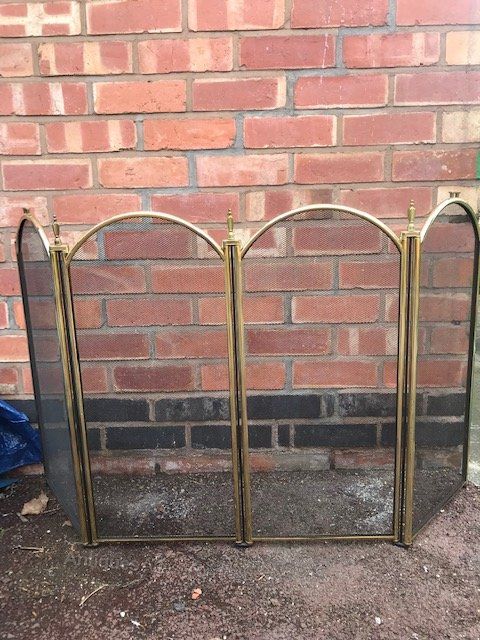
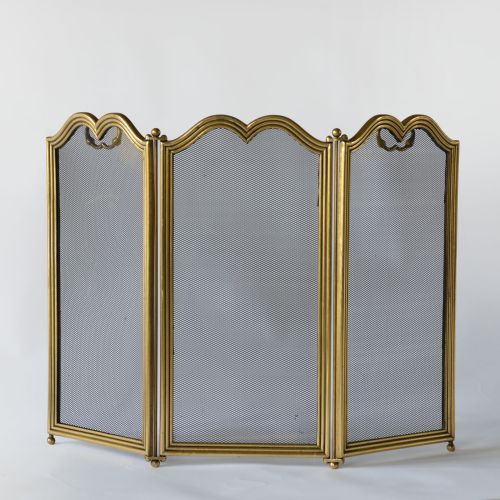
Most examples function as freestanding barriers or folding panels with multiple sections. These configurations allow the guard to adjust around different hearth sizes, combining practical safety with decorative metalwork.
Judging quality
Quality in a fire guard rests upon the weight and gauge of the metal used for the frame and mesh. Heavy brass castings and tightly woven wire indicate superior construction compared to thin, pliable wire and flimsy joints.
Artistry in the surface detail separates standard utility pieces from high-end decorative screens. Crisp chasing on gilt bronze mounts, well-executed folding hinges, and balanced proportions elevate certain examples well above ordinary hearth furniture.
Some nursery fenders feature integrated clothes rails, proving that Victorian laundry management happened as close to the flames as possible.
The Mesh Metal Fire Guard Glossary
- Spark guard
- A fine mesh screen designed specifically to intercept flying embers from an open fire. These often feature folding sections for stability.
- Nursery fender
- A low metal barrier that encircles the hearth area to keep children and pets at a safe distance from the flames. Some incorporate additional rails for airing clothes.
- Gilt bronze
- Copper alloy finished with a thin layer of gold, commonly seen on decorative French fire screens of the nineteenth century. This technique produces a rich, luminous surface.
- Rococo revival
- A nineteenth-century design style characterised by asymmetrical scrolls, C-curves, and naturalistic plant motifs. It heavily influences the ornamentation of many brass and bronze fire screens.
- Tripartite folding
- Describes a screen divided into three hinged panels that angle around the hearth opening. This construction allows the guard to stand independently.
Mesh Metal Fire Guard: Frequently Asked Questions
Can I use these guards with a modern open fire?
Most antique fire guards function effectively with modern open hearths to catch spitting embers and sparks. Ensure the dimensions match your fireplace opening before placing any screen near an active fire.
Keep in mind that older mesh panels may heat up considerably during use. Allow the metal to cool completely before attempting to adjust or move the guard.
What is the difference between a fire screen and a fender?
A fire screen stands upright to block radiant heat and contain sparks from the fireplace opening. They are typically taller and feature decorative frames or folding panels.
A fender sits low on the hearth floor to create a physical boundary around the fire. Some nursery variations combine both forms by adding a protective mesh screen above the low perimeter rail.
How do I date a nineteenth-century metal fire guard?
Examine the construction methods, such as the type of hinges, screws, and wire weave used in the piece. Hand-forged ironwork and heavy cast brass typically point towards earlier Victorian or French revival periods.
Stylistic cues also help narrow down the age, such as the heavy ornamentation of Rococo Revival pieces versus the simpler wirework of later Edwardian nursery fenders.