
Mens Mechanical Timepiece
A mens mechanical timepiece offers a direct connection to historical engineering through gears and springs.
Mens Mechanical Timepiece
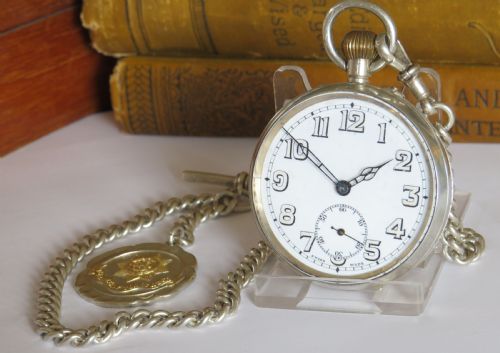
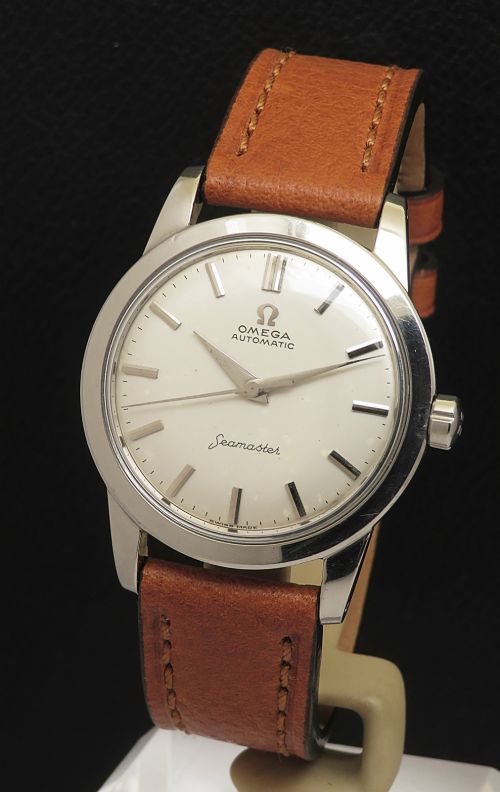
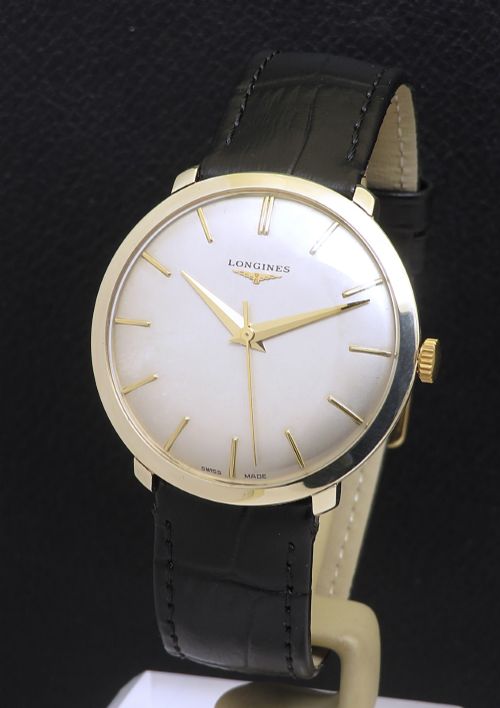
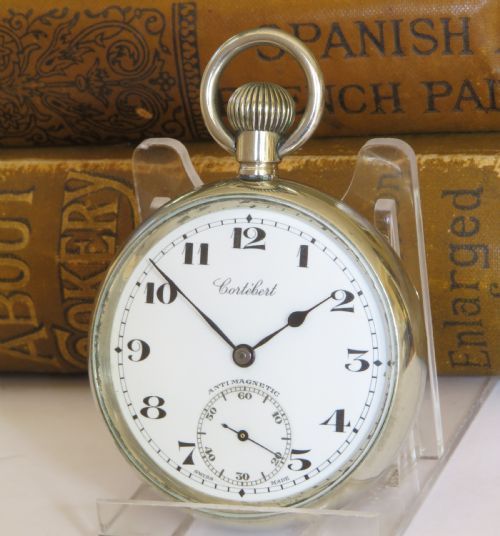
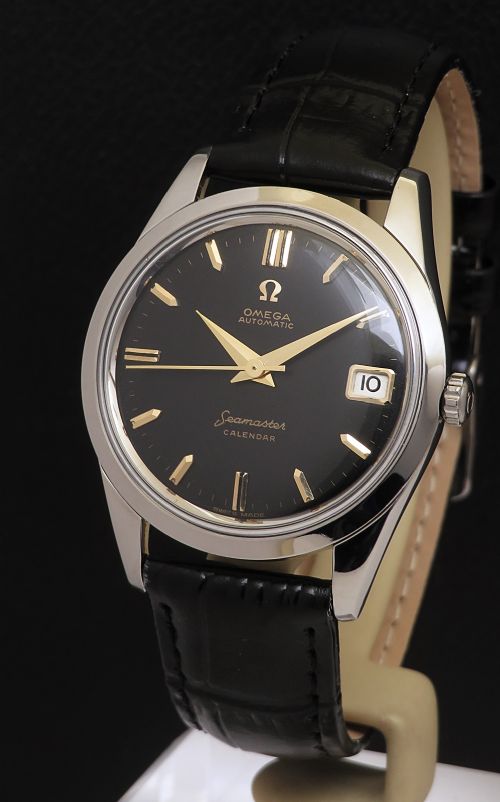
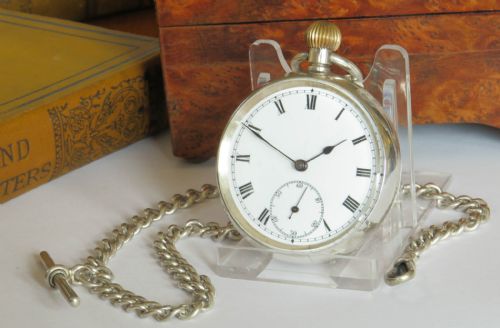
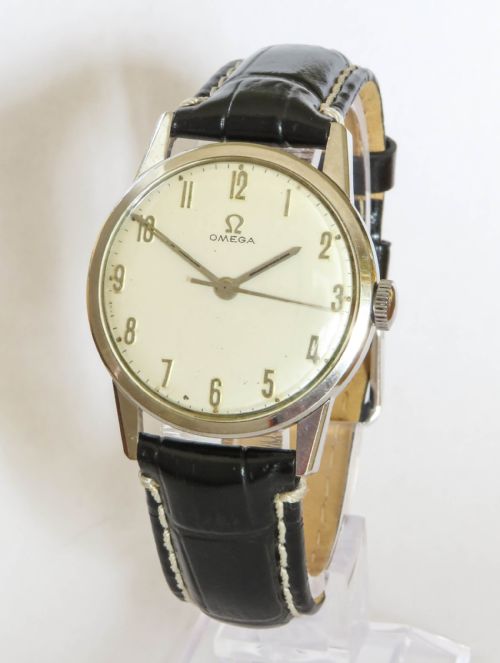
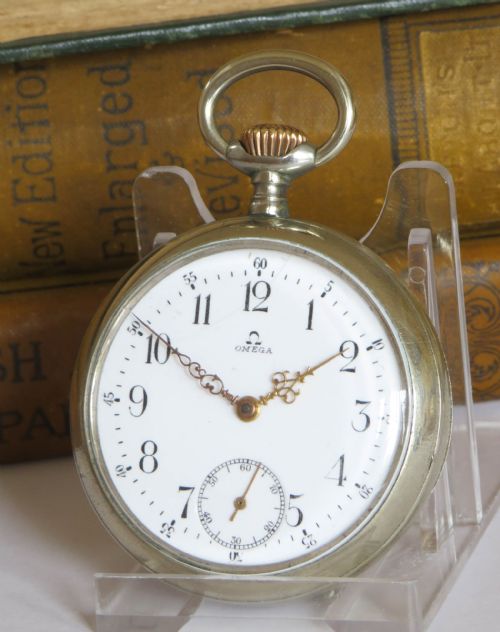
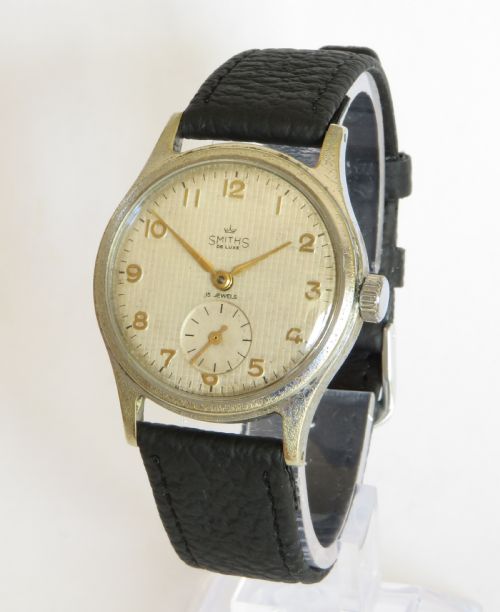
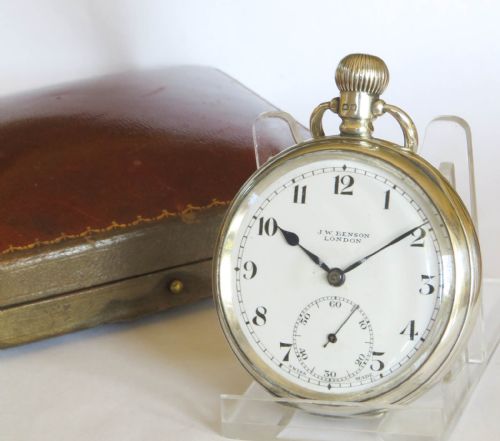
A mens mechanical timepiece encompasses both wristwatches and pocket watches driven by wound springs and intricate gear trains rather than electronic batteries. The selection spans styles from Victorian and Edwardian pocket watches to Art Deco designs and Mid-Century Modern wristwatches.
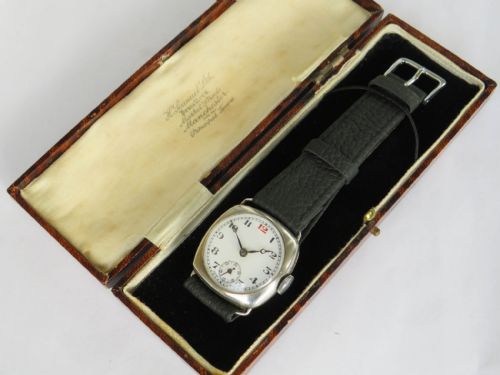
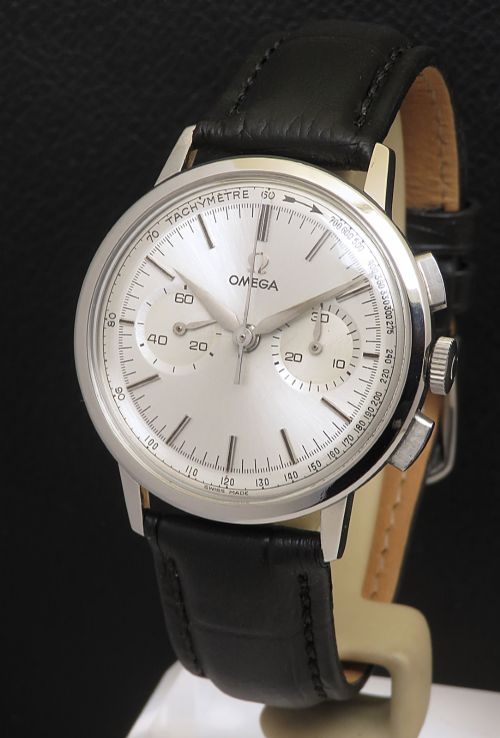
Pocket watches dominate the earlier decades, featuring half hunter and full hunter silver cases alongside gold plate and fusee movements. Wristwatches emerge strongly in the 1930s and 1950s through to the late 1960s, offering chronological functions and automatic winding.
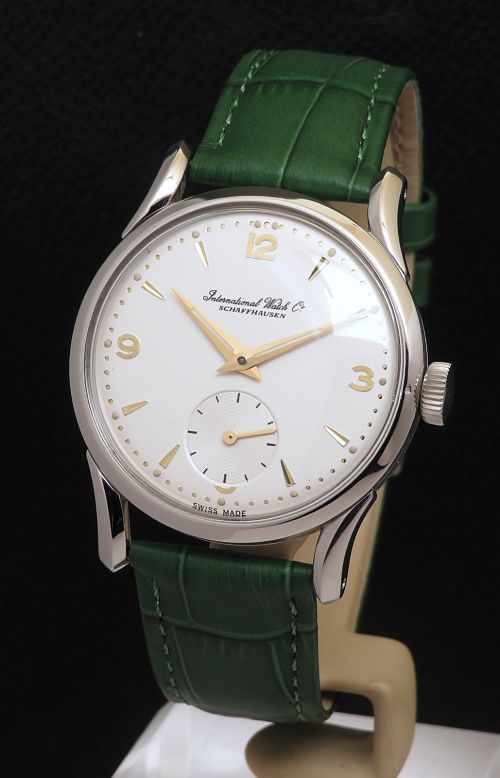
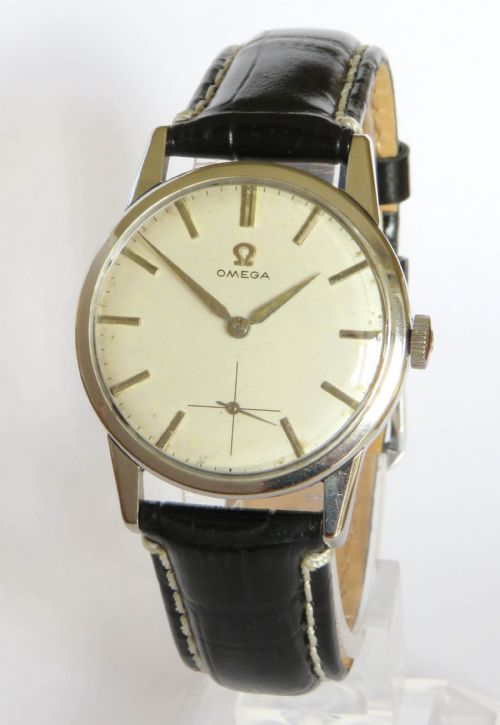
The assortment brings together English, Swiss and other international makers spanning the late nineteenth century through the 1960s and 1970s. Buyers will find robust steel cases alongside precious metals, enamel dials and leather straps.
Materials and construction
Cases utilise stainless steel, solid silver, gold plate and occasionally solid gold, paired with glass or acrylic crystals to protect the dial. Leather straps and matching metal chains accompany wristwatches and pocket watches respectively.
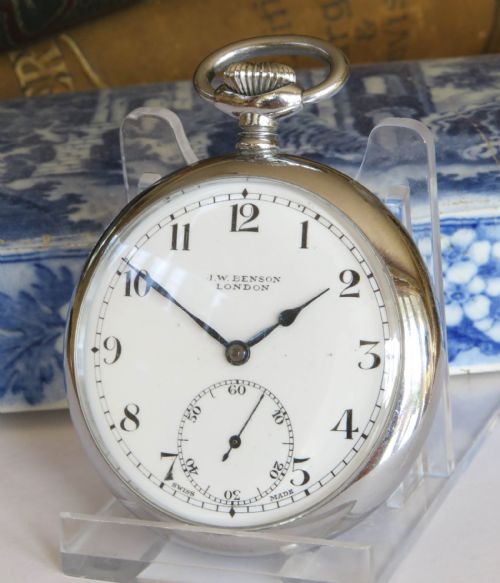
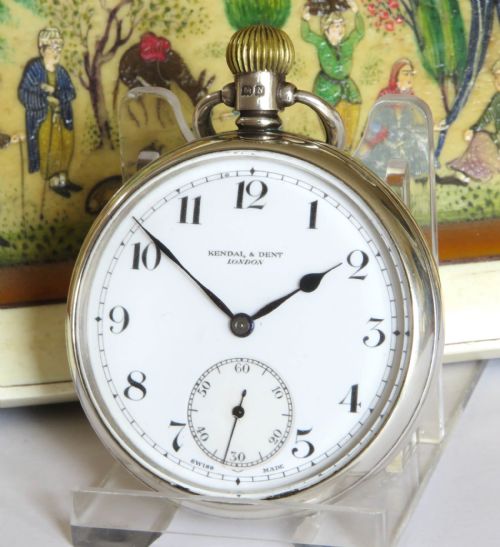
Interiors rely on complex brass and steel gear trains, escapements and jewels to regulate timekeeping without electricity. Enamel dial faces frequently display painted numerals and subsidiary seconds, while chronograph models incorporate specialised timing mechanisms.
The listings span from 1880 to 1970, combining leather, stainless steel, gold plate and silver across pocket watches and wristwatches.
Judging mechanical watch quality
Quality rests upon the refinement of the movement, the complexity of the calibre, and the precision of the finishing inside the case. Chronometers and pieces featuring specialised chronograph complications represent higher tiers of watchmaking ambition.
Material choice and case integrity distinguish standard production items from luxury output, particularly when precious metals or detailed enamel work are employed. The original preservation of dials and the presence of signed maker movements elevate individual pieces.
Hinds London·Waltham·J W Benson·Omega·Tudor·Elgin·Thomas Russell And Son·Cyma·Hamilton·Seiko·Bulova·Octava·Lange And Sohne·Eterna·Longines·IWC·Gruen
The Mens Mechanical Timepiece Glossary
- Calibre
- The specific internal movement design and model created by a watch manufacturer. This designation identifies the exact mechanical architecture housed within the case.
- Chronograph
- A watch equipped with a stopwatch function alongside traditional timekeeping displays. These mechanisms use independent seconds hands controlled by pushers on the case.
- Full hunter
- A pocket watch featuring a protective metal spring-loaded cover that shields the glass dial. The cover must be opened via a button to read the time.
- Half hunter
- A pocket watch featuring a metal outer cover with a central glass aperture. This allows the wearer to view the hands without fully opening the case.
- Fusee
- An antique conical pulley system used in older pocket watches to maintain even tension as the mainspring unwinds. This historical mechanism ensures steady force delivery to the gear train.
Mens Mechanical Timepiece: Frequently Asked Questions
How do I wind a mechanical watch?
Turn the crown clockwise between your thumb and forefinger until you feel gentle resistance. Stop immediately to avoid over-winding and damaging the mainspring.
For automatic models, natural wrist movement keeps the internal rotor spinning and winds the watch continuously during wear.
What is the difference between manual and automatic?
Manual mechanical watches require daily hand winding via the crown to store energy in the mainspring. Without this daily action, the movement stops.
Automatic watches contain a weighted rotor that swings as you move your arm, automatically tensioning the mainspring while worn.
How do I read a pocket watch?
Release the front cover catch if your piece is a hunter style to reveal the enamel dial. Read the primary hour and minute hands against the painted numerals.
Many pocket watches feature a smaller subsidiary dial near the bottom which tracks the passing seconds.
Can I wear a vintage watch daily?
Vintage mechanical pieces suit regular wear provided you account for their age and construction. Avoid exposing older watches to water or heavy impacts.
Give manual pieces a consistent winding routine each morning to maintain steady accuracy throughout the day.